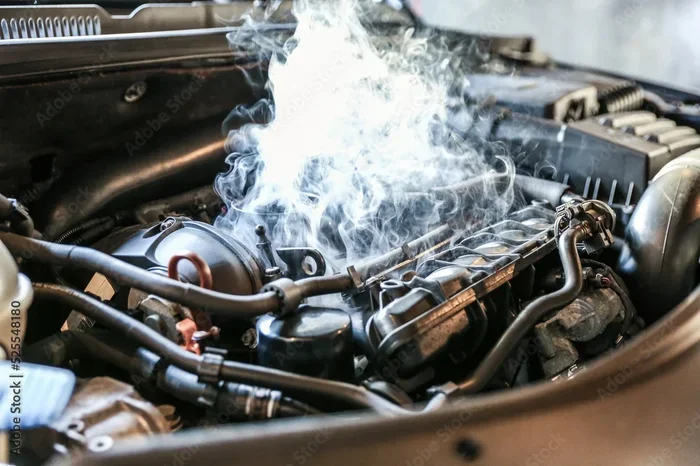
Why Does My Car Overheat When the AC Is On and Idling
Why does my car overheat when the AC is on and idling? The short answer is that your cooling system is struggling to handle the extra heat load from the AC compressor. When your car sits still, the radiator fan and airflow drop, making it harder for the engine to stay cool. Common causes include a low coolant level, a failing radiator fan, a worn serpentine belt, or a bad thermostat. This guide walks you through each cause, how to spot the signs, and what you can do to fix it.
There is nothing more frustrating than sitting in your car on a hot day. You turn on the air conditioning to get some relief. Then you notice the temperature gauge creeping up. Before long, the warning light flashes on. Your car is overheating, and the AC is on. This is a very common problem. It happens to many drivers. It can happen in any car, old or new. Understanding why this happens is the first step to fixing it.
When your car idles with the AC running, the engine works harder. The AC compressor puts extra load on the engine. At the same time, the car is not moving. That means there is no ram air flowing through the radiator. The cooling system has to do all the work with little help. If any part of that system is weak or failing, overheating is almost guaranteed.
In this article, we will explore every major reason why your car overheats when the AC is on and idling. We will cover the cooling system basics. We will look at the most common causes. We will also give you practical fixes you can try at home. And we will tell you when it is time to see a mechanic. By the end, you will have a clear picture of what is going on and how to solve it.
Key Takeaways
- Extra Heat Load: The AC compressor adds significant strain to your engine, especially when idling with little airflow.
- Cooling Fan Failure: A broken or weak radiator fan is one of the most common reasons cars overheat at idle with the AC on.
- Low Coolant: Insufficient coolant reduces your cooling system’s ability to transfer heat away from the engine.
- Thermostat Issues: A stuck or faulty thermostat can block coolant flow and cause rapid overheating.
- Belt and Pump Problems: A worn serpentine belt or failing water pump can make your AC and cooling system less effective.
- Prevention Matters: Regular maintenance of your cooling system can prevent most overheating problems before they start.
📑 Table of Contents
- How Your Car’s Cooling System Works with the AC On
- Top Reasons Why Your Car Overheats When the AC Is On and Idling
- How to Diagnose Why Your Car Overheats with the AC On
- Practical Steps to Fix and Prevent Overheating
- Quick Tips to Keep Your Engine Cool
- Common Mistakes Drivers Make When Their Car Overheats
- When to See a Mechanic for Overheating Problems
- Conclusion
How Your Car’s Cooling System Works with the AC On
To understand why cars overheat with the AC on, you need to know how the cooling system works. Your engine creates a lot of heat. The cooling system removes that heat. It keeps the engine at the right temperature. When you turn on the AC, you add another heat source to the mix.
The Role of the Radiator
The radiator is the main heat exchanger in your car. It pulls heat from the coolant and releases it into the air. When you are driving, air flows through the radiator naturally. This helps cool the coolant down. When you are idling, there is less airflow. The radiator has to rely on the cooling fan to do its job.
How the AC Compressor Adds Heat
The AC compressor is powered by the engine. It uses a belt to spin. When the AC is on, the compressor is working. It adds extra load to the engine. More load means more heat. The engine has to burn more fuel to keep running. This raises the overall engine temperature. The cooling system has to work much harder to keep up.
Why Idling Makes It Worse
When you are driving, air pushes through the front of the car. This air goes through the radiator. It cools the fluid inside. When you idle, there is no forward motion. The radiator gets very little airflow. The cooling fan has to step in. If the fan is not strong enough, the coolant gets hot. The engine starts to overheat. This is why most overheating problems happen at idle or in stop-and-go traffic.
Top Reasons Why Your Car Overheats When the AC Is On and Idling
Now that you understand the basics, let us look at the most common causes. Each one of these can make your car overheat when the AC is running at a standstill.
Low Coolant Level
Coolant is the lifeblood of your cooling system. It flows through the engine. It picks up heat. It carries that heat to the radiator. It gets cooled down. Then it goes back through the engine. If your coolant level is low, this cycle breaks down. There is not enough fluid to absorb heat. The engine temperature rises fast. A small leak can cause a big problem over time. Check your coolant reservoir often. Top it up if needed. But also look for leaks under your car.
Faulty Radiator Fan
The radiator fan blows air through the radiator when the car is not moving. It is essential for cooling at idle. If the fan is broken, the radiator cannot cool the coolant. The engine will overheat quickly. There are a few reasons the fan might fail. The fan motor can burn out. The fan relay can go bad. The wiring can corrode. Sometimes the fan blades break. If you notice the fan is not coming on when the AC is running, get it checked right away.
Bad Thermostat
The thermostat controls coolant flow. It opens and closes based on engine temperature. When the engine is cold, the thermostat stays closed. This lets the engine warm up fast. When the engine gets hot, the thermostat opens. It lets coolant flow to the radiator. If the thermostat is stuck closed, coolant cannot reach the radiator. The engine overheats. This is a very common cause of overheating at idle. Replacing a thermostat is usually inexpensive and easy.
Worn Serpentine Belt
The serpentine belt drives many accessories. It powers the AC compressor. It also drives the water pump. If the belt is worn or loose, it can slip. A slipping belt means the compressor and water pump do not work at full power. The AC puts extra strain on the engine. The water pump cannot circulate coolant properly. Both of these problems can cause overheating. Inspect your belt regularly. Replace it if you see cracks or fraying.
Failing Water Pump
The water pump pushes coolant through the engine and radiator. It is a critical part of the cooling system. If the water pump fails, coolant stops moving. Heat builds up fast. The engine temperature skyrockets. Water pump failure can happen from age or wear. It can also happen if the pump seal leaks. Signs of a bad water pump include coolant leaks near the front of the engine and unusual whining noises.
Clogged or Dirty Radiator
Over time, dirt and debris can build up on the radiator fins. This blocks airflow. It reduces the radiator’s ability to cool the coolant. Even if the fan is working fine, a dirty radiator cannot do its job well. Flushing the radiator and cleaning the fins can help. This is a simple maintenance step that many drivers skip.
Low Refrigerant in the AC System
You might think low AC refrigerant would make the AC less powerful. But it can also cause overheating. When the refrigerant is low, the AC compressor works harder. It tries to compensate for the lack of cooling. This puts extra strain on the engine. The compressor draws more power. The engine gets hotter. Keeping your AC system properly charged helps the engine stay cool too.
Head Gasket Issues
A blown head gasket is a serious problem. It allows combustion gases to leak into the cooling system. This creates air pockets in the coolant. The coolant cannot flow properly. The engine overheats. Head gasket problems often come with other signs. You might see white smoke from the exhaust. The coolant may look milky or oily. If you suspect a head gasket issue, get it repaired immediately. Driving with a bad head gasket can destroy your engine.
How to Diagnose Why Your Car Overheats with the AC On
If your car overheats when the AC is on and idling, you need to find the root cause. Here are some steps you can take to diagnose the problem yourself.
Check the Coolant Level First
Start with the simplest check. Open the hood. Look at the coolant reservoir. Is the level between the minimum and maximum marks? If it is low, top it up with the right type of coolant. Watch for leaks around the hoses, radiator, and water pump. A sudden drop in coolant level is a clear sign of a leak.
Listen for the Radiator Fan
Turn on the AC and let the car idle. Put your hand near the front of the car. Do you feel air blowing through the radiator? If not, the fan may not be working. You can also listen for a buzzing or clicking sound. That could mean the fan is trying to run but failing. Check the fan relay and fuse. These are easy and cheap parts to replace.
Watch the Temperature Gauge
Pay close attention to the temperature gauge. Does it rise slowly or spike quickly? A slow rise might point to a weak fan or low coolant. A fast spike could mean a stuck thermostat or a failing water pump. The pattern of the temperature rise gives you clues about the cause.
Inspect the Serpentine Belt
Look at the serpentine belt. Is it cracked? Is it glazed? Does it feel loose? A bad belt can cause multiple problems at once. It can slip the AC compressor. It can reduce water pump performance. Replace the belt if it shows any signs of wear.
Practical Steps to Fix and Prevent Overheating
Once you know the cause, you can take action. Here are practical steps to fix and prevent overheating problems.
Flush and Refill the Coolant
Old coolant loses its effectiveness over time. It can become acidic. It can cause corrosion inside the cooling system. Flushing the system and refilling with fresh coolant is one of the best things you can do. Most manufacturers recommend a coolant flush every 30,000 to 50,000 miles. Check your owner’s manual for the exact schedule.
Replace the Radiator Fan Motor or Relay
If the fan is not working, replacing the motor or relay is usually straightforward. The relay is often the culprit. It is a small and cheap part. The fan motor costs a bit more but is still an affordable repair. Do not ignore a fan that does not come on. It will lead to overheating every time you idle with the AC.
Install a New Thermostat
A stuck thermostat is a common and easy fix. The part itself is inexpensive. Labor is minimal. A new thermostat ensures coolant flows at the right time. It keeps your engine at the optimal temperature. This is a great first step if you are not sure what is causing the problem.
Keep the Radiator Clean
Rinse the radiator fins with water from a garden hose. Do this from the back side of the radiator. This removes bugs, dirt, and debris. Do not use a pressure washer too close. It can bend the fins and block airflow. Clean fins mean better cooling. This simple habit can prevent many overheating issues.
Monitor Your AC System
Have your AC system checked regularly. A professional can check the refrigerant level. They can inspect the compressor and clutch. A well-maintained AC system puts less strain on the engine. It also keeps you cool and comfortable on hot days.
Drive Smart in Hot Weather
On very hot days, give your engine a break. Turn off the AC for a few minutes if the temperature gauge starts to rise. Roll down the windows instead. Find a place to pull over and let the car cool down. These small habits can prevent a major overheating event.
Quick Tips to Keep Your Engine Cool
Here are some quick tips you can use every day to prevent overheating:
- Check coolant levels monthly. Top up if needed with the correct type of coolant.
- Watch the temperature gauge. Do not ignore a rising needle.
- Listen for the fan. Make sure it kicks on when the AC is running.
- Inspect the belt. Look for cracks, glazing, or looseness.
- Flush the coolant on schedule. Fresh coolant works better.
- Keep the radiator clean. Remove dirt and debris regularly.
- Address small leaks early. A tiny leak can become a big problem fast.
Common Mistakes Drivers Make When Their Car Overheats
Many drivers make mistakes when they face an overheating car. Here are the most common ones and how to avoid them.
Opening the Radiator Cap Immediately
This is a dangerous mistake. When the engine is hot, the cooling system is under pressure. Opening the cap can cause hot coolant to spray out. It can cause serious burns. Wait at least 15 to 20 minutes after turning off the engine. Let it cool down before you touch anything.
Adding Water Instead of Coolant
Water can work in an emergency. But it is not a long-term solution. Water does not have the same boiling point as coolant. It can cause corrosion inside the system. Use the proper coolant mix. If you must use water temporarily, flush the system and add proper coolant as soon as possible.
Ignoring the Problem
Some drivers just turn off the AC and keep driving. This might work for a short while. But if the underlying issue is not fixed, the engine will overheat again. Ignoring overheating can lead to cracked heads, warped cylinders, and engine failure. Always address the root cause.
Overfilling the Coolant Reservoir
Adding too much coolant can cause problems. The system needs room to expand as the fluid heats up. Overfilling can lead to pressure buildup. It can cause leaks or even damage the radiator. Fill to the recommended level only.
When to See a Mechanic for Overheating Problems
Some overheating issues are easy to fix at home. But others need professional help. You should see a mechanic if the temperature gauge keeps rising even after you add coolant. If you see steam or coolant leaking from under the hood, pull over and call for help. A head gasket failure or a cracked engine block are serious problems. They need expert diagnosis and repair.
Also see a mechanic if the overheating happens repeatedly. Even if you fix it once, recurring overheating means there is a deeper issue. A professional can run diagnostic tests. They can check the cooling system pressure. They can find hidden leaks or internal damage. Do not wait too long. Early repairs save money and prevent engine damage.
Conclusion
Dealing with a car that overheats when the AC is on and idling is stressful. But now you know the main reasons why it happens. From low coolant to a broken radiator fan, the causes are varied but mostly fixable. The key is to act quickly. Do not ignore the warning signs. Check your coolant. Listen for the fan. Inspect the belt. These simple steps can save you from a major breakdown.
Regular maintenance is your best defense. Keep the cooling system clean and well-charged. Flush the coolant on schedule. Replace worn parts before they fail. A little effort goes a long way. Your engine will stay cool. Your AC will keep you comfortable. And you will avoid costly repairs down the road.
Remember, why your car overheats when the AC is on and idling usually comes down to the cooling system being overwhelmed. The AC adds heat. Idling removes natural airflow. Together, they test every part of your cooling system. Keep that system in good shape, and you will never have to worry about overheating again.
Frequently Asked Questions
Can low coolant cause my car to overheat with the AC on?
Yes, absolutely. Low coolant means there is not enough fluid to absorb and carry away engine heat. When the AC compressor adds extra load, the engine produces even more heat. Without enough coolant, the temperature rises quickly and can cause overheating at idle.
Why does my car only overheat when idling with the AC on?
When you are driving, air flows through the radiator naturally and helps cool the coolant. When you idle, there is no forward motion, so the radiator fan has to do all the work. If the fan is weak or broken, the cooling system cannot keep up with the extra heat from the AC compressor.
How do I know if my radiator fan is working?
Turn on the AC and let the car idle. You should feel air blowing through the radiator from the front of the car. You may also hear the fan running. If you do not feel or hear anything, the fan motor, relay, or fuse may be faulty. Have it checked by a professional.
Is it safe to keep driving if my car overheats with the AC on?
No, it is not safe. Overheating can cause serious engine damage. If the temperature gauge rises, pull over safely. Turn off the AC and let the engine cool down. Check the coolant level and look for leaks. If the problem persists, call for roadside assistance.
How often should I flush my car’s coolant?
Most manufacturers recommend flushing the coolant every 30,000 to 50,000 miles. Check your owner’s manual for the exact recommendation. Fresh coolant works better and protects the cooling system from corrosion and buildup.
Can a bad serpentine belt cause the AC and engine to overheat?
Yes. The serpentine belt drives both the AC compressor and the water pump. If the belt is worn or loose, it can slip and reduce the performance of both components. This means less coolant circulation and more strain on the engine, leading to overheating.
=== SEO TITLE ===
Why Does My Car Overheat When the AC Is On and Idling
=== META TITLE ===
Why Does My Car Overheat When AC Is On and Idling?
=== URL SLUG ===
why-does-my-car-overheat-when-ac-is-on-and-idling