Which Button Is the Car Heater And How To Find It Fast
Finding the car heater button is easier than you think. Most vehicles place the car heater button on the dashboard near the climate control panel. Whether you drive a sedan, SUV, or truck, this guide will show you exactly where to look and how to get warm air fast.
Key Takeaways
- The car heater button is usually found on the dashboard near the climate control panel, often marked with a heat symbol or thermometer icon.
- Older vehicles use rotary knobs while modern cars feature digital controls and touchscreen interfaces for the heater.
- The heating system works by redirecting warm engine coolant through a heat exchanger inside the cabin.
- Common mistakes include leaving the fan speed too low or forgetting to switch from cool mode to heat mode.
- Knowing your dashboard controls helps you stay warm and safe during cold weather driving.
- The rear defroster and front defrost buttons are often grouped near the car heater button for easy access.
- Regular maintenance of your HVAC system keeps the heater working efficiently all winter long.
📑 Table of Contents
- What Does The Car Heater Button Look Like?
- Where Is The Car Heater Located In Different Vehicles?
- How The Car Heating System Actually Works
- Common Car Heater Controls And What They Do
- Quick Tips To Find Your Car Heater Button Fast
- Common Mistakes People Make With Car Heater Controls
- Expert Insights On Car Heating Systems
- Conclusion
What Does The Car Heater Button Look Like?
You are sitting in your car on a freezing morning. The windshield is frosted over. Your fingers are numb. You need warm air fast. But where is the car heater button?
The car heater button is not always obvious. Different cars use different symbols and layouts. Some vehicles use a rotary knob. Others use push buttons or even touchscreens. Understanding what the heater controls look like saves you time and keeps you comfortable.
Recognizing The Heat Symbol
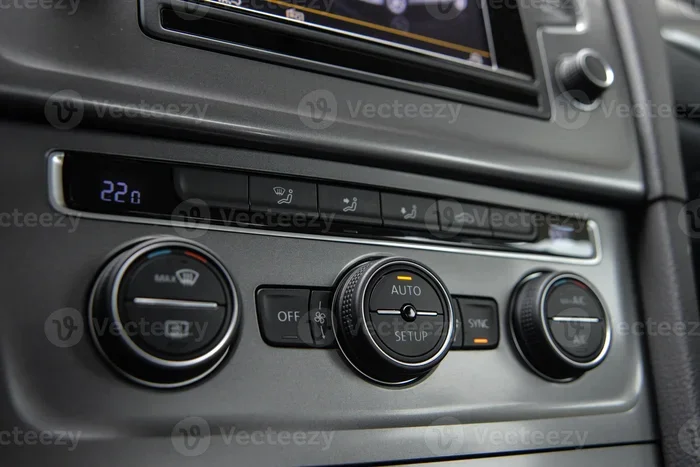
Most dashboard controls use a simple symbol for heat. It looks like a fan with curved lines coming from it. These curved lines represent hot air flowing into the cabin. Some cars show a thermometer icon instead. The heat symbol is almost always red or orange. This color coding helps you tell it apart from the air conditioning button, which is usually blue.
Here is a quick way to remember it:
- Red or orange icon = heat mode
- Blue icon = cold mode or air conditioning
- Fan symbol with wavy lines = blower motor running
- U-shaped curved lines = cabin heat activating
Once you know these symbols, you will never struggle to find the car heater button again. The heat mode symbol is universal across most automotive heating systems. Whether you drive a Honda, Toyota, Ford, or Chevrolet, the basic layout is similar.
What About Automatic Climate Control?
Many modern vehicles come with automatic climate control. These systems use digital sensors to regulate cabin temperature automatically. You set your desired temperature, and the system adjusts the fan speed and airflow direction on its own.
In these cars, the car heater button may not look like a traditional button at all. Instead, you set a temperature on a digital display. The system then activates the heating system automatically. Even so, the underlying HVAC system works the same way. Engine coolant flows through the heat exchanger, and warm air enters the cabin through the heating vents.
If your car has automatic climate control, look for a temperature dial or touchscreen display. Set it higher than the current cabin temperature. The climate control system will switch to heat mode and start blowing hot air into the cabin.
Where Is The Car Heater Located In Different Vehicles?
The location of the car heater button varies by vehicle type and model year. Understanding these differences helps you find it quickly in any car. Let us explore the most common locations.
Heater Controls In Older Cars
Older vehicles, especially those made before 2000, use simple manual controls. The car heater button in these cars is typically a rotary knob on the center console or the left side of the dashboard. You turn the knob to adjust temperature. Another knob controls fan speed. A third knob lets you choose the airflow direction.
In classic cars, the heater controls are often located directly below the dashboard or on the left side of the center stack. The layout is straightforward. There are usually only three controls:
- Temperature knob (controls hot and cold air mix)
- Fan speed knob (controls how fast air blows)
- Mode selector (controls where air flows: feet, face, or windshield)
These simple dashboard controls are easy to use. There are no digital screens or complex menus. You just turn the knobs and feel the warm air almost immediately.
Heater Controls In Modern Vehicles
Modern vehicles have evolved significantly. Many new cars use digital controls or even full touchscreen infotainment systems. The car heater button in these vehicles may be a virtual button on a screen rather than a physical knob.
In cars like the Toyota Camry, Honda Civic, or Ford F-150, you will typically find the climate control panel in the center of the dashboard. Some vehicles place it on the left side, near the driver side vent. The car heater button is usually labeled with a heat symbol or the word “HEAT.”
Luxury vehicles like BMW, Mercedes-Benz, and Audi often use advanced dual-zone or tri-zone climate control. This means the driver and passenger can set different temperatures. The car heater button in these vehicles may be part of a touchscreen interface. You tap the screen to adjust the temperature and fan speed.
SUV And Truck Heater Locations
SUVs and trucks have unique heater control layouts. In many trucks, the car heater button is located on the left side of the dashboard, near the radio controls. Some trucks have a separate climate control panel for the rear passengers. This is especially common in full-size SUVs and crew cab trucks.
In vehicles like the Chevrolet Suburban or Ford Expedition, you may find heater controls in three locations:
- Front driver controls on the left side of the dashboard
- Front passenger controls on the right side
- Rear passenger controls on the center console or rear dashboard
Knowing where to look in your specific vehicle type makes a big difference. Take a moment to familiarize yourself with your dashboard controls before winter arrives.
How The Car Heating System Actually Works
Understanding how your heating system works helps you troubleshoot problems and use it more effectively. The car heater does not actually create heat on its own. Instead, it uses engine coolant to generate warm air.
The Role Of Engine Coolant
When your engine runs, it generates a lot of heat. Engine coolant (also called antifreeze) circulates through the engine block to absorb excess heat. This hot coolant then flows through a small radiator inside the cabin called the heat exchanger or heater core.
The heater core works like a mini radiator. As hot coolant passes through it, the blower motor pushes air across the heat exchanger. This air picks up heat and flows through the heating vents into the cabin. This is how you get warm air on cold days.
The blend door is a small flap inside the HVAC system that controls the ratio of hot and cold air. When you turn the temperature knob toward heat, the blend door directs more air over the heat exchanger. This increases the temperature of the air that reaches the cabin.
How Warm Air Reaches The Cabin
The path of warm air from the heat exchanger to your face involves several components:
- The engine heats the coolant
- The hot coolant flows to the heater core
- The blower motor pushes air across the heat exchanger
- The heated air travels through ducts and vent pipes
- The air exits through the heating vents on the dashboard
This entire process starts working within a few minutes of starting the engine. That is why it is important to let your car warm up before cranking the heater to full blast. Give the engine a few minutes to build up coolant temperature. Then the cabin heat will feel much more effective.
The Thermostat And Temperature Regulation
Your car has a thermostat that regulates engine temperature. The thermostat ensures the coolant reaches the right temperature before it flows to the heat exchanger. If the thermostat is broken, your heater may blow cold air even when the engine is running. This is one of the most common heating system problems in cold climates.
Common Car Heater Controls And What They Do
Modern vehicles have several controls that work together to manage cabin heat. Understanding each one helps you use the car heater more effectively. Let us break down the most common controls.
Fan Speed Controls
The fan speed control determines how fast the blower motor spins. Higher fan speeds move more warm air through the heating vents. Lower speeds provide gentle warmth. Most vehicles have fan speed settings ranging from 0 (off) to 4 or 5 (maximum). Some cars use a sliding scale instead of numbered settings.
Quick Tip: Start with a low fan speed when you first turn on the heater. This lets the heat exchanger warm up gradually. Then increase the fan speed once you feel hot air coming through the vents.
Temperature Adjustment
The temperature adjustment control sets how hot or cold the air should be. In older cars, this is a rotary knob marked with blue (cold) on one side and red (hot) on the other. In modern cars, you may use a digital slider or touchscreen to set the exact temperature.
For maximum cabin heat, set the temperature to the highest setting. The blend door will direct all air over the heat exchanger, giving you the hottest warm air possible.
Mode Selection Buttons
Mode selection controls where the warm air is directed. Most vehicles offer these modes:
- Feet mode – directs warm air to the floor vents (best for warming your legs)
- Face mode – directs warm air to the dashboard vents (best for warming your face and upper body)
- Windshield mode – directs warm air to the windshield (great for defrosting)
- Feet and windshield mode – combines both for maximum comfort and visibility
For the fastest way to warm up the cabin, use feet mode with a high fan speed. Heat rises, so warming your feet first helps raise the overall cabin temperature quickly.
Rear Defroster And Rear Heat
Many vehicles have a separate rear defroster system. This uses electrical heating elements embedded in the rear windshield to melt frost and fog. The rear defroster button is usually located near the front defrost button on the dashboard controls.
Some SUVs and minivans also have a rear heater that blows warm air into the back seat. The rear heater controls are usually located on the center console or the rear dashboard near the rear passenger seats.
Quick Tips To Find Your Car Heater Button Fast
Finding the car heater button quickly can make a huge difference on cold mornings. Here are some practical tips to help you locate it fast.
The Fastest Way To Locate It
Follow these steps to find the car heater button in seconds:
- Look at the center of the dashboard – the climate control panel is almost always in this area
- Check the left side of the dashboard – in most cars, the heater controls are on the left, near the driver side vent
- Look for the heat symbol – it looks like a fan with wavy red lines or a thermometer icon
- Check for the word “HEAT” – many modern vehicles label the button directly
- Consult your owner manual – if you still cannot find it, the manual will show you the exact location
Watch For The Heat Symbol
The heat symbol is your best friend when finding the car heater button. It is almost always red or orange. It usually features a fan icon with curved lines representing hot air flow. Some vehicles use a simple thermometer symbol instead.
If you see a button with a red symbol near the fan controls, that is almost certainly the car heater button. Press it or turn the associated knob to activate cabin heat.
Common Mistakes People Make With Car Heater Controls
Even experienced drivers make mistakes with their heater controls. Avoiding these common errors keeps your heating system working properly and keeps you warm.
Leaving The Heat Off All Winter
Some drivers turn off the heater entirely during winter to save fuel. This is a mistake. Using the car heater occasionally helps maintain the heating system. It keeps the coolant circulating and prevents the heater core from seizing up. A well-maintained HVAC system is more reliable when you need it most.
Ignoring Strange Noises
Do you hear a rattling or clicking sound when you turn on the heater? This could indicate a problem with the blend door or the blower motor. Ignoring these noises can lead to bigger heating system problems down the road. Have a mechanic check your automotive heating system if you notice unusual sounds.
Setting The Temperature Too High Too Fast
Many people crank the temperature to maximum immediately after starting the car. This does not work well when the engine coolant is still cold. The heater will blow lukewarm air until the engine reaches operating temperature. Instead, start with a moderate temperature setting and increase it gradually as the engine warms up.
Forgetting To Switch From AC To Heat
In some vehicles, the air conditioning compressor runs automatically even when you select heat mode. This can make the warm air feel slightly cool. If your car has a dedicated AC button, make sure it is turned off when you want pure cabin heat. This prevents the air conditioning system from cooling the air before it enters the cabin.
Not Using The Recirculation Button
The recirculation button traps warm air inside the cabin instead of pulling in cold outside air. Using recirculation mode helps the heater warm up the cabin faster. Once the cabin is warm, you can switch back to fresh air mode for better air quality.
Expert Insights On Car Heating Systems
Automotive experts agree that understanding your heating system goes a long way in preventing problems. Here is what seasoned mechanics and automotive engineers have to say.
Regular maintenance matters. Flushing the coolant system every two to three years keeps the heat exchanger working efficiently. Old or dirty coolant can clog the heater core and reduce warm air output. A simple coolant flush can restore full heating performance.
Check the thermostat regularly. A stuck thermostat is one of the leading causes of heating problems. If your temperature gauge reads unusually high or low, the thermostat may need replacement. This is an inexpensive repair that keeps your heating system functioning properly.
Do not ignore cabin air filters. A clogged cabin air filter restricts airflow through the heating vents. This makes the heater feel weak even when the heating system is working correctly. Replacing the cabin air filter is one of the easiest and most affordable maintenance tasks you can do.
Know your vehicle. Every car is different. Take time to read your owner manual and understand the specific dashboard controls in your vehicle. Knowing where every button is before you need it makes all the difference on a cold winter morning.
Finally, remember that your car heater does more than keep you comfortable. It also helps defrost your windshield and keep your visibility clear. A working heating system is a safety feature, not just a comfort feature. Keep your HVAC system in good shape and always know how to find the car heater button quickly.
Conclusion
Knowing which button is the car heater is an essential skill for every driver. The car heater button is typically located on the dashboard near the climate control panel, marked with a red heat symbol or the word “HEAT.” Whether your car uses rotary knobs, push buttons, or a touchscreen interface, the basic principles remain the same.
Your heating system relies on engine coolant and a heat exchanger to produce warm air. Understanding how it works helps you troubleshoot problems and use it more effectively. Avoid common mistakes like ignoring strange noises, setting the temperature too high too fast, or forgetting to switch from AC to heat mode.
Take a few minutes to familiarize yourself with your dashboard controls today. Locate the car heater button in your vehicle and practice using the fan speed, temperature adjustment, and mode selection controls. Being prepared means you will never have to struggle with a freezing cabin again. Stay warm, stay safe, and enjoy every drive no matter how cold it gets outside.
Frequently Asked Questions
What Does The Car Heater Button Look Like?
The car heater button usually features a red or orange symbol that looks like a fan with wavy lines. Some vehicles show a thermometer icon instead. In older cars, the heater button may be a rotary knob with red and blue markings. In modern cars, it may be a digital button labeled “HEAT” on the climate control screen.
Why Is My Car Heater Blowing Cold Air?
There are several reasons your heater might blow cold air. The most common cause is low engine coolant. If the coolant level is low, the heat exchanger cannot produce enough warm air. Other causes include a broken thermostat, a clogged heater core, or a faulty blend door. Check your coolant level first and have a mechanic inspect the heating system if the problem persists.
How Long Does It Take For The Car Heater To Start Working?
Most cars start producing warm air within 3 to 5 minutes of starting the engine. However, it may take longer in very cold weather or if the engine coolant is low. Let your car warm up for a few minutes before turning the heater to full blast. This gives the heat exchanger time to absorb heat from the engine coolant.
Can I Use The Car Heater To Cool Down The Engine?
Yes, turning on the car heater can help cool down an overheating engine. The heater core acts as a secondary heat exchanger that absorbs heat from the coolant. If your temperature gauge is running high, turning on the heater and the fan speed to maximum can help draw heat away from the engine. However, this is a temporary fix. Pull over safely and address the root cause of the overheating.
Is It Bad To Leave The Car Heater On All The Time?
No, it is not bad to leave the car heater on. The heating system uses waste heat from the engine, so it does not significantly impact fuel economy. However, using the fan speed at maximum constantly may wear out the blower motor faster over time. It is perfectly fine to keep the heater on during winter drives, but consider using lower fan speeds when maximum heat is not needed.
What Is The Difference Between The Car Heater And The Air Conditioner?
The car heater uses engine coolant to produce warm air. The air conditioner uses a refrigerant and compressor to produce cold air. The heater does not cool the air or remove moisture. The air conditioner does both. In most vehicles, you can use both systems together to defrost the windshield quickly. The air conditioning removes moisture from the air while the heater warms it, clearing fog and frost faster.