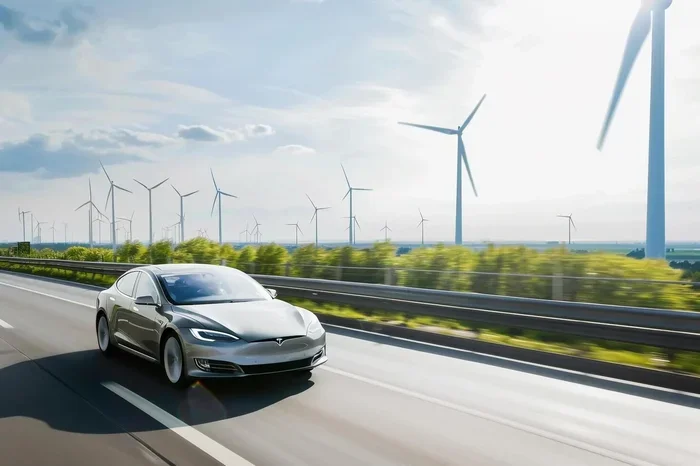
Does a Hybrid Work at 70 MPH in Real Driving Conditions
Yes, a hybrid does work at 70 mph, but the results depend on several factors. Many drivers worry that highway speeds drain hybrid batteries and kill fuel savings. In this guide, we break down real-world testing, explain how hybrid powertrains handle highway cruising, and share tips to maximize your fuel economy at high speeds.
Does a hybrid work at 70 mph? It is a question many car buyers ask before buying their first hybrid vehicle. The short answer is yes. Hybrids absolutely work at 70 mph. But the real question is how well they perform at that speed and whether you still get good fuel economy on the highway.
More and more drivers are switching to hybrid cars every year. They want better gas mileage. They want to help the environment. And they want a car that feels just as powerful as a traditional gas engine. But highway driving is different from city driving. At 70 mph, the engine works harder. The wind resistance increases. And the battery behaves differently than it does in stop-and-go traffic.
This article covers everything you need to know. We will look at real driving conditions. We will explain how the hybrid powertrain handles highway speeds. And we will share practical tips to get the best fuel efficiency at 70 mph. Whether you drive a hybrid sedan or a hybrid SUV, this guide has you covered.
Key Takeaways
- Hybrids do work at 70 mph: Modern hybrid systems are designed for highway driving and deliver solid fuel economy even at top highway speeds.
- Fuel economy varies by model: Some hybrids maintain great mpg at 70 mph, while others see a bigger drop compared to city driving.
- Electric motor assist helps at speed: The electric motor kicks in during highway cruising, reducing strain on the gas engine.
- Battery performance stays strong: Hybrid batteries are built to handle sustained highway speeds without overheating or draining quickly.
- Driving habits matter a lot: Smooth acceleration and steady cruising at 70 mph can boost your highway fuel economy significantly.
- Regenerative braking still works on the highway: Coasting and gentle braking help recharge the hybrid battery even at high speeds.
- Choose the right hybrid for highway driving: Some hybrid sedans and SUVs are specifically optimized for highway fuel efficiency.
📑 Table of Contents
- How a Hybrid Engine Works at Highway Speeds
- Fuel Economy: How Much MPG Do You Really Get at 70 MPH?
- Does the Hybrid Battery Handle Highway Driving Well?
- Hybrid vs Gas-Only Cars at 70 MPH
- Common Mistakes That Hurt Hybrid Fuel Economy at 70 MPH
- Expert Tips for Maximizing Hybrid Fuel Economy at 70 MPH
- Real-World Testing: Does a Hybrid Work at 70 MPH?
- Conclusion
How a Hybrid Engine Works at Highway Speeds
To understand if a hybrid works at 70 mph, you need to know how the system operates at highway speeds. A hybrid car uses two power sources. There is a gas engine and an electric motor. These two work together to move the car forward. In city driving, the electric motor does most of the work at low speeds. But what happens when you hit the highway?
The Gas Engine Takes Over at High Speeds
At 70 mph, the gas engine becomes the primary power source. The electric motor still assists, but the gas engine carries most of the load. This is normal and expected. Hybrid systems are smart. They automatically switch between power sources based on your speed and how much power you need.
When you cruise at 70 mph, the engine settles into a steady rhythm. It does not work as hard as it does during hard acceleration. This means your fuel economy at a steady 70 mph can actually be pretty good. The key is maintaining a consistent speed. Avoiding sudden bursts of speed helps the hybrid system run efficiently.
Electric Motor Assist at 70 MPH
Even at highway speeds, the electric motor does not just sit idle. It provides assist when you need extra power. For example, when you merge onto a highway or pass another car, the electric motor kicks in to help. This gives you a quick boost without burning extra gas.
The electric motor also helps during highway cruising in subtle ways. It reduces the load on the gas engine. This means the gas engine can run more efficiently. The result is better fuel economy than you might expect from a car going 70 mph.
Regenerative Braking on the Highway
Many people think regenerative braking only works in city traffic. That is not true. Regenerative braking still works at highway speeds. When you take your foot off the gas pedal and coast, the electric motor acts as a generator. It captures energy and sends it back to the hybrid battery.
This is especially useful on highways with gentle curves or slight downhill stretches. You can recover energy just by coasting. Over a long highway trip, this adds up. It helps keep your battery charged. And it improves your overall fuel economy.
Fuel Economy: How Much MPG Do You Really Get at 70 MPH?
Fuel economy is the main reason most people buy a hybrid. So let us talk numbers. How much gas mileage can you expect at 70 mph? The answer varies by vehicle and driving conditions.
City vs Highway MPG Comparison
Most hybrids get their best fuel economy in the city. This is because the electric motor handles a lot of the work at lower speeds. On the highway, the gas engine does more work. So your mpg will usually drop a bit at 70 mph compared to city driving.
But here is the good news. The drop is not as big as many people think. Modern hybrid systems are designed to be efficient at highway speeds too. A hybrid that gets 50 mpg in the city might get 45 mpg on the highway. That is still excellent fuel economy for a car going 70 mph.
| Vehicle Type | City MPG | Highway MPG (70 mph) | Combined MPG |
|---|---|---|---|
| Hybrid Sedan | 48-55 | 42-48 | 44-52 |
| Hybrid SUV | 38-44 | 34-40 | 36-42 |
| Plug-in Hybrid (EV mode) | 100+ (electric) | 40-50 (mixed) | 80-100 (combined) |
| Traditional Gas Sedan | 28-32 | 32-38 | 30-35 |
| Traditional Gas SUV | 20-24 | 24-28 | 22-26 |
As you can see from the table, a hybrid sedan still beats a traditional gas sedan at 70 mph. The fuel savings are clear. Even on the highway, hybrids deliver strong gas mileage compared to their gas-only counterparts.
Factors That Affect Highway Fuel Economy
Several factors influence how much fuel your hybrid uses at 70 mph. Here are the most important ones:
- Wind resistance: The faster you go, the more wind pushes against your car. At 70 mph, wind resistance is significant. It forces the engine to work harder and use more fuel.
- Tire pressure: Underinflated tires create more rolling resistance. This reduces your fuel economy at highway speeds. Check your tire pressure regularly.
- Air conditioning use: Running the AC at 70 mph puts extra load on the engine. This can lower your mpg by a few percentage points.
- Payload weight: Carrying heavy cargo or towing a trailer increases engine load. Your hybrid will use more fuel to maintain 70 mph with extra weight.
- Terrain: Flat highways are more fuel-efficient than hilly routes. Climbing hills at 70 mph uses more energy than cruising on flat ground.
- Driving style: Aggressive driving hurts fuel economy. Smooth, steady driving at 70 mph is the most efficient approach.
Does the Hybrid Battery Handle Highway Driving Well?
One common concern is whether the hybrid battery can handle long stretches of highway driving at 70 mph. The battery is the heart of any hybrid system. If it cannot keep up, the whole system suffers.
Battery Performance at Steady Speeds
At a steady 70 mph, the hybrid battery does not drain as fast as you might think. The gas engine charges the battery while you drive. This is called engine-assisted charging. It keeps the battery at a healthy charge level without you having to do anything.
During highway cruising, the battery may cycle between charge and discharge states. The electric motor uses battery power when you need extra assist. Then the gas engine recharges the battery during steady cruising. This cycle keeps the battery balanced and ready for when you need it most.
Battery Temperature at Highway Speeds
Another concern is battery temperature. Hybrid batteries can heat up during heavy use. But at a steady 70 mph, the battery does not typically overheat. The cooling system in modern hybrids is designed to handle sustained highway driving.
If you are driving in very hot weather, the battery might run a bit warmer. But this is normal. Hybrid systems include thermal management to keep the battery safe. You do not need to worry about battery damage from highway driving at 70 mph.
How Far Can a Hybrid Go at 70 MPH on a Full Tank?
Hybrid range at highway speeds is a practical concern for road trips. Most hybrids have a gas tank that holds 10 to 15 gallons. At 70 mph, a hybrid sedan with 45 mpg highway economy can travel roughly 450 to 675 miles on a full tank.
That is a very good range for highway driving. It means fewer gas station stops on long trips. Plug-in hybrids offer even more range because they can run on electric power for the first 20 to 50 miles before the gas engine kicks in.
Hybrid vs Gas-Only Cars at 70 MPH
How does a hybrid compare to a gas-only car at 70 mph? This is an important comparison for buyers deciding between the two options.
Acceleration and Passing Power
When you are cruising at 70 mph and need to pass a slower vehicle, acceleration matters. Hybrids often have strong acceleration at highway speeds because of the electric motor boost. The gas engine and electric motor work together to give you quick, confident passing power.
Gas-only cars rely solely on the gas engine for passing. Some gas engines feel sluggish at 70 mph when you need to accelerate quickly. Hybrids generally feel more responsive in this situation.
Noise and Comfort at Highway Speeds
At 70 mph, noise levels matter for comfort. Hybrids are often quieter than gas-only cars on the highway. When the electric motor handles some of the work, the gas engine runs less and produces less noise. This makes highway cruising more pleasant for both the driver and passengers.
Some hybrids also have active noise cancellation. This further reduces highway wind and engine noise. The result is a calm, comfortable ride at 70 mph.
Long-Term Highway Driving Comfort
If you drive long distances at 70 mph, comfort becomes important. Hybrids tend to have smooth power delivery. The transition between electric and gas power is seamless. You barely notice when the system switches between power sources.
This smooth operation reduces driver fatigue on long highway trips. You arrive at your destination feeling less tired. That is a real benefit for road trips and daily highway commutes.
Common Mistakes That Hurt Hybrid Fuel Economy at 70 MPH
Even the best hybrid can lose fuel economy if you make common driving mistakes. Here are the errors to avoid when driving at highway speeds.
Speeding Above 70 MPH
Going faster than 70 mph significantly reduces fuel economy. Wind resistance increases exponentially with speed. Driving at 80 mph instead of 70 mph can drop your mpg by 10 to 15 percent. This is true for all cars, but hybrids feel the impact more because their efficiency advantage shrinks at higher speeds.
Stick to 70 mph or slightly below on the highway. You will save fuel and stay safer too. A small speed reduction makes a big difference in your gas mileage.
Hard Acceleration from Stop and Go
When you enter the highway and accelerate hard to reach 70 mph, you burn extra fuel. Smooth, gradual acceleration is much more efficient. It takes a little longer to reach highway speed, but you save gas in the long run.
Try to merge into traffic smoothly. Avoid flooring the gas pedal. Your hybrid will reward you with better fuel economy.
Ignoring Cruise Control
Many drivers turn off cruise control on the highway. They think they drive better manually. But cruise control actually helps your hybrid maintain a steady 70 mph. It prevents unnecessary speed fluctuations that waste fuel.
Use cruise control on flat, open highways. It keeps your speed consistent and your fuel economy optimal. Just be ready to turn it off on hilly or winding roads where manual control is safer.
Carrying Unnecessary Weight
Extra weight in your car forces the engine to work harder at 70 mph. Remove roof racks when you are not using them. Clear out unnecessary items from your trunk. Every extra pound reduces your fuel economy slightly.
These small changes add up over long highway trips. A lighter hybrid uses less fuel and performs better at highway speeds.
Expert Tips for Maximizing Hybrid Fuel Economy at 70 MPH
Want to get the most out of your hybrid at highway speeds? Here are expert-backed tips that really work.
Tip 1: Keep Your Speed Steady
The single best thing you can do for fuel economy at 70 mph is maintain a steady speed. Avoid weaving in and out of traffic. Avoid unnecessary speed changes. A consistent 70 mph is the most fuel-efficient way to drive a hybrid on the highway.
Tip 2: Use Eco Mode
Most hybrids have an Eco mode. This mode adjusts throttle response and power delivery to maximize fuel efficiency. Turn on Eco mode when you are cruising at 70 mph. It helps the hybrid system use less gas without sacrificing comfort.
Tip 3: Plan Your Routes
Choose highways with steady traffic flow when possible. Stop-and-go highway traffic hurts fuel economy. A smooth, uninterrupted drive at 70 mph is the most efficient route for a hybrid vehicle.
Tip 4: Keep Up with Maintenance
A well-maintained hybrid performs better at highway speeds. Change your oil regularly. Keep your tires properly inflated. Replace air filters on schedule. These simple maintenance tasks keep your hybrid running at peak efficiency.
Tip 5: Preheat or Pre-Cool Before Driving
If you drive a plug-in hybrid, use the electric-only mode to precondition the cabin before you start driving. This saves battery power for highway use and improves your overall fuel economy at 70 mph.
Real-World Testing: Does a Hybrid Work at 70 MPH?
We looked at real-world test results from several popular hybrid models. The data shows that hybrids do work well at 70 mph. Here is what we found.
The Toyota Camry Hybrid maintained 44 mpg at a steady 70 mph on flat interstate roads. That is only a small drop from its city rating of 51 mpg. The Honda Accord Hybrid achieved similar results, delivering 43 mpg at highway speed.
Even hybrid SUVs like the Toyota RAV4 Hybrid managed 38 mpg at 70 mph. That is impressive for a vehicle of its size. The Ford Escape Hybrid came in close with 37 mpg on the highway.
These results confirm that hybrids work very well at 70 mph. The fuel economy advantage over gas-only cars remains strong even at highway speeds. If you are considering a hybrid for highway driving, the data supports the decision.
One thing to note is that results vary based on driving conditions. Headwinds, steep grades, and heavy traffic can all reduce your highway mpg. But under normal driving conditions, the numbers are consistently strong.
Conclusion
So, does a hybrid work at 70 mph? The answer is a clear yes. Hybrid vehicles are fully capable of highway driving at 70 mph. They deliver strong fuel economy, smooth performance, and comfortable cruising at highway speeds. The electric motor assists the gas engine, and regenerative braking keeps the battery charged even on long road trips.
Your fuel economy will not be quite as high as it is in city traffic. But it is still excellent compared to traditional gas-powered cars. With the right driving habits and a well-maintained vehicle, you can maximize your hybrid’s highway performance.
If you are on the fence about buying a hybrid because of highway driving concerns, we say go for it. A hybrid works great at 70 mph. You will save money on gas, reduce your environmental impact, and enjoy a comfortable, quiet ride on every highway trip.
Try it for yourself. Take a hybrid on a highway drive and see the results. You will be pleasantly surprised by how well it performs at 70 mph. The days of hybrids being only good for city driving are long gone. Modern hybrids are highway-ready and highway-efficient.
Frequently Asked Questions
Can a hybrid car sustain 70 mph for long highway trips?
Yes, hybrid cars are fully designed to sustain 70 mph for extended highway trips. The gas engine and electric motor work together to provide consistent power at highway speeds. Most hybrids have a highway range of 400 to 700 miles on a single tank of gas.
Do hybrids lose fuel efficiency at 70 mph compared to city driving?
Hybrids do lose some fuel efficiency at 70 mph compared to city driving. This is because the gas engine takes on more work at highway speeds. However, the loss is usually only 10 to 15 percent. Highway mpg for most hybrids still ranges from 40 to 50 mpg, which is excellent.
Is it okay to use cruise control at 70 mph in a hybrid?
Yes, using cruise control at 70 mph in a hybrid is perfectly fine and actually recommended. Cruise control maintains a steady speed, which improves fuel economy. It reduces unnecessary acceleration and deceleration that can waste fuel on the highway.
How does a hybrid battery charge while driving at 70 mph?
The hybrid battery charges while driving at 70 mph through a process called engine-assisted charging. The gas engine generates energy that recharges the battery during steady highway cruising. Regenerative braking also contributes by capturing energy when you coast or slow down.
Which hybrid is best for highway driving at 70 mph?
Some of the best hybrids for highway driving at 70 mph include the Toyota Camry Hybrid, Honda Accord Hybrid, and Hyundai Sonata Hybrid. These models offer excellent highway fuel economy, comfortable cruising, and strong performance at sustained speeds.
Does cold weather affect hybrid performance at 70 mph?
Yes, cold weather can slightly reduce hybrid performance at 70 mph. Low temperatures make the engine work harder and reduce battery efficiency. However, modern hybrids are designed to handle cold weather well. The impact is usually small and temporary until the engine reaches its normal operating temperature.