Can You Shift Into Sport Mode While Driving Safely
Yes, you can shift into sport mode while driving. Most modern vehicles let you toggle sport mode on the fly without stopping. Sport mode changes how your car responds by sharpening throttle, holding gears longer, and tightening steering. It is safe for everyday driving when used correctly, but it does come with trade-offs like higher fuel use and more engine strain.
Have you ever been cruising down the road and thought about flipping that sport mode switch? Maybe you heard the engine growl a little louder when your friend did it in their car. Or perhaps you just want to feel more in control behind the wheel.
The good news is that you can shift into sport mode while driving. It is one of the simplest and most accessible features in modern cars. But there is more to it than just pressing a button. Let us walk through everything you need to know about sport mode, how it works, and whether it is safe to use on the road.
Whether you drive a sedan, SUV, or truck, this guide covers the basics. You will learn what sport mode actually does, when to use it, and the common mistakes people make. By the end, you will feel confident about using driving modes the right way.
Key Takeaways
- Sport mode is safe to activate while driving: You do not need to stop or turn off the engine to switch modes.
- Sport mode changes transmission behavior: It holds gears lower and delays upshifts for more power.
- Throttle response gets sharper: The car accelerates faster when you press the gas pedal.
- Fuel economy drops in sport mode: Expect to use more gas because the engine works harder.
- Use sport mode wisely: It is best for open roads, highways, and spirited driving, not stop-and-go traffic.
- Do not abuse sport mode: Constantly redlining the engine can cause long-term wear.
- Every car is different: Check your owner’s manual to understand exactly what sport mode does in your vehicle.
📑 Table of Contents
- What Is Sport Mode and How Does It Work?
- Can You Shift Into Sport Mode While Driving?
- What Happens to Your Car When You Switch to Sport Mode?
- When Should You Use Sport Mode?
- Common Mistakes People Make With Sport Mode
- Expert Tips for Using Sport Mode Safely
- Sport Mode vs. Normal Mode: A Quick Comparison
- Does Sport Mode Affect Your Warranty?
- Sport Mode in Different Types of Vehicles
- Frequently Asked Questions
- Final Thoughts
What Is Sport Mode and How Does It Work?
Sport mode is a driving mode found in most modern vehicles. When you activate it, the car’s computer changes how the engine, transmission, and steering behave. The goal is to make the car feel more responsive and engaging to drive.
Different brands call it different names. Some use “Sport.” Others use “S” mode or “Sport+.” But the basic idea is the same across the board. The car tunes itself for performance instead of comfort.
How the Transmission Changes
In normal mode, your automatic transmission shifts up early. This saves fuel and keeps things smooth. When you switch to sport mode, the transmission holds gears longer. It delays upshifts so the engine stays at higher RPMs. This gives you more engine power when you need it.
For example, imagine you are cruising at 40 miles per hour. In normal mode, the car might shift into sixth gear. In sport mode, it stays in fourth or fifth gear. That means the engine works harder and revs higher. The result? Quicker acceleration when you press the gas.
Throttle Response Gets Sharper
Another big change is the throttle response. In normal mode, the gas pedal feels soft and gentle. The car eases into acceleration. In sport mode, the pedal becomes more sensitive. Even a light press gives you a noticeable burst of speed.
This is great for merging onto highways or passing slow cars. You do not have to stomp on the pedal to get the response you want. A small tap does the job.
Steering and Suspension Adjustments
Some cars also adjust the steering response in sport mode. The steering feels heavier and more precise. You get better feedback through the wheel. This makes cornering feel more confident.
In vehicles with adaptive sport suspension, the shocks tighten up. The body leans less during turns. The ride gets firmer, which some drivers love and others find uncomfortable.
Can You Shift Into Sport Mode While Driving?
The short answer is yes. You can shift into sport mode while driving without any risk to the car or your safety. The system is designed to work on the fly. There is no need to stop, put the car in park, or turn off the engine.
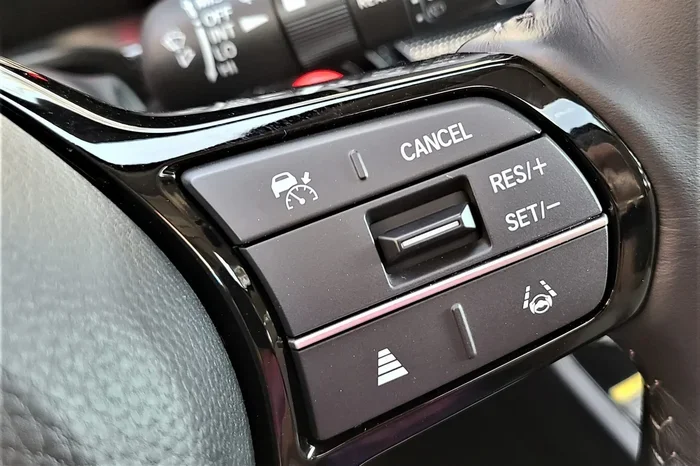
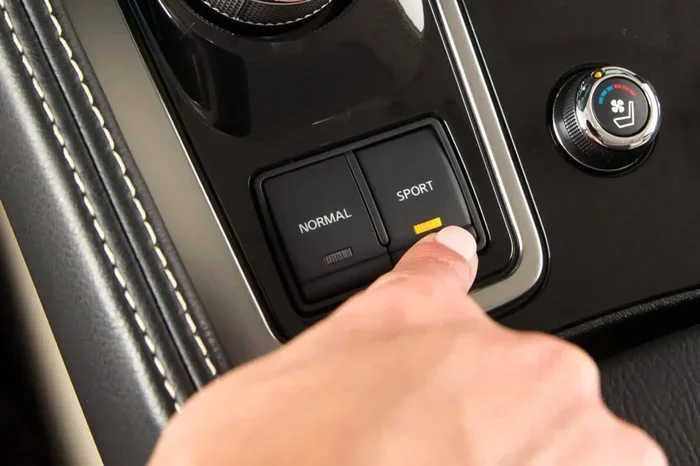
Most vehicles have a dedicated button or switch for this. You will usually find it near the gear shifter, on the steering wheel, or on the center console. Some cars even let you select driving modes through a touchscreen menu.
How to Activate Sport Mode
The process is simple and varies by car. Here are the most common ways:
- Button on the shifter: Many cars have a sport mode button right next to the gear lever. Just push it while driving.
- Steering wheel controls: Some vehicles use paddle shifters or a switch on the steering column to toggle modes.
- Touchscreen menu: Newer cars let you select driving modes from the infotainment screen.
- Dial or knob: A few brands use a physical dial near the center console to rotate between modes.
No matter which method your car uses, the change is instant. You will hear the engine note shift and feel the car respond right away. Sport mode is designed for real-time use, so there is no waiting period.
Can You Turn It Off While Driving Too?
Absolutely. You can switch back to normal mode at any time. The car will return to its default settings. Throttle becomes softer, shifts happen earlier, and the steering lightens up. It is a seamless transition that takes just a second.
This flexibility is one of the best things about modern driving modes. You are not locked into one setting. You can adapt to road conditions in real time.
What Happens to Your Car When You Switch to Sport Mode?
Switching to sport mode changes several systems in your car at once. Understanding these changes helps you use the feature more effectively and safely.
Engine and RPM Behavior
When you activate sport mode, the RPM stays higher during normal driving. The engine does not shift into top gear as quickly. This keeps the car in its power band, where it produces the most torque and engine power.
You will notice the tachometer needle sitting higher than usual. That is normal. The engine is working harder, which is exactly what sport mode is designed to do.
Fuel Economy Takes a Hit
Here is the trade-off. Sport mode uses more fuel. The engine runs at higher RPMs, which burns more gas. If you are trying to maximize fuel economy, sport mode is not your friend.
Studies show that driving in sport mode can reduce gas mileage by 10 to 20 percent. That adds up over time, especially if you drive a lot. Keep this in mind before you leave sport mode on for your entire commute.
Brake and Downshift Behavior
Some cars also adjust how the transmission downshifts. In sport mode, the car drops gears more aggressively when you slow down. This is called rev matching, and it helps the engine stay connected to the wheels.
When you take your foot off the gas, you might feel the car slow down faster. This is because the engine is braking through the lower gears. It feels sporty and engaging, but it takes some getting used to.
Electronic Stability and Traction Control
In most cars, sport mode does not disable stability control or traction control. These safety systems stay active. However, some performance vehicles allow you to adjust or turn off these features in sport or track modes.
If you are unsure, check your owner’s manual. It will tell you exactly which safety systems are affected when you switch to sport mode.
When Should You Use Sport Mode?
Sport mode is a tool, and like any tool, it works best when used at the right time. You do not want to leave it on all the time. Here are the best situations to use it.
Open Highways and Roads
Sport mode shines on open roads with few stops. When you have room to accelerate and the transmission can hold lower gears, the car feels alive. It is perfect for highway on-ramps, overtaking, and scenic drives where you want to enjoy the engine’s sound.
Hilly or Mountainous Terrain
Driving up steep hills? Sport mode helps. The transmission holds lower gears, which gives the engine more pulling power. You do not have to keep shifting between gears manually. The car handles it for you.
Going downhill is another great use case. The lower gears provide engine braking, which reduces wear on your brakes. This is a smart safety benefit of using sport mode on mountain roads.
Spirited or Fun Driving
If you enjoy driving and want a more engaging experience, sport mode is for you. It makes every turn feel sharper and every acceleration feel more immediate. Many car enthusiasts use sport mode as their default setting on weekends or open-road drives.
When NOT to Use Sport Mode
There are times when sport mode is not ideal. Here are a few:
- Stop-and-go traffic: The constant shifting between gears in sport mode can feel jerky and tiring in city traffic.
- Wet or icy roads: The aggressive throttle response can cause wheel spin on slippery surfaces. Stick to normal or snow mode.
- Parking and low-speed maneuvers: Sport mode makes the car less forgiving at slow speeds. Use normal mode for parking lot driving.
- Long road trips where comfort matters: If you are driving for hours, the firmer ride of sport mode can cause fatigue.
Common Mistakes People Make With Sport Mode
Even though sport mode is simple to use, people make mistakes that can hurt their car or their wallet. Here are the most common ones to avoid.
Leaving Sport Mode On All the Time
This is the number one mistake. Some drivers flip the switch and forget about it. Over time, this hurts fuel economy and wears out parts faster. The engine runs hotter, the transmission works harder, and you burn through gas unnecessarily.
Make it a habit to switch back to normal mode when you do not need the extra performance. It only takes a second.
Redlining the Engine Constantly
Sport mode makes the engine rev higher, which tempts some drivers to push the RPMs to the limit. Constantly redlining the engine causes extra wear on the transmission and drivetrain. It also shortens the life of your engine components.
Use sport mode to enjoy better responsiveness, not to redline every time you accelerate. There is a big difference between spirited driving and reckless driving.
Ignoring the Weather
Using sport mode on wet, icy, or gravel roads is a recipe for trouble. The aggressive throttle can cause you to lose traction. Always switch to a safer mode when road conditions are less than ideal.
Forgetting About Brake Wear
In sport mode, the car uses engine braking more aggressively. But that does not mean you can ignore your brakes. In fact, the extra engine braking can sometimes lull drivers into a false sense of security. You still need to maintain your brakes and check them regularly.
Expert Tips for Using Sport Mode Safely
Getting the most out of sport mode is all about smart usage. Here are some tips from experienced drivers and automotive experts.
Start with Normal Mode and Switch as Needed
Begin every drive in normal mode. As road conditions change, switch to sport mode when you need it. This approach saves fuel and keeps your car running smoothly for the long haul.
Learn Your Car’s Specific Behavior
Every vehicle is different. Some cars have a subtle sport mode that barely changes the driving feel. Others are dramatically different. Spend time getting to know how your specific car responds in each mode. Read the owner’s manual and test the differences in a safe area.
Monitor Your Temperature Gauges
Sport mode makes the engine work harder, which means it runs hotter. Keep an eye on your temperature gauge, especially on long drives or in hot weather. If the needle climbs into the red zone, switch back to normal mode and let the engine cool down.
Combine Sport Mode with Proper Maintenance
Using sport mode regularly means your car works harder. Stay on top of oil changes, transmission fluid flushes, and brake inspections. Proper maintenance keeps your car healthy, even when you push it a little harder than usual.
Use Paddle Shifters for More Control
If your car has paddle shifters, sport mode is the perfect time to use them. You can manually select gears and hold lower gears on mountain roads or during spirited driving. This gives you even more control over the gear shifting experience.
Sport Mode vs. Normal Mode: A Quick Comparison
Not sure what the difference really is? Here is a side-by-side look at how sport mode compares to normal mode in most vehicles.
| Feature | Normal Mode | Sport Mode |
|---|---|---|
| Throttle Response | Soft and gradual | Sharp and immediate |
| Gear Shifting | Early upshifts for efficiency | Holds lower gears longer |
| RPM Range | Lower during cruising | Higher during cruising |
| Steering Feel | Light and comfortable | Heavier and more precise |
| Fuel Economy | Better | Lower (10-20% less) |
| Engine Sound | Quiet and refined | Louder and more aggressive |
| Ride Comfort | Softer | Firmer |
| Best For | Daily commuting, city driving | Open roads, spirited driving, hills |
As you can see, the differences are significant. Neither mode is better overall. They each serve a purpose. The key is knowing when to use which one. Sport mode while driving is a fantastic tool when you use it at the right time and in the right conditions.
Does Sport Mode Affect Your Warranty?
A common question among car owners is whether using sport mode voids the warranty. The short answer is no. Sport mode is a factory-designed feature. Using it as intended does not invalidate your warranty.
However, if you cause damage by abusing the feature, that could be a different story. For example, if you constantly redline the engine and the transmission fails, the manufacturer might deny a warranty claim. They could argue that the damage came from misuse rather than a defect.
Use sport mode responsibly and your warranty will remain intact. If you are ever unsure, check with your dealer.
Sport Mode in Different Types of Vehicles
Not all sport modes are created equal. The experience varies depending on the type of vehicle you drive.
Sport Mode in Sedans
Most sedans offer a mild sport mode that slightly sharpens throttle and shifts. It adds a bit of fun to daily driving without making the ride too harsh. Great for commuters who want a little extra engagement.
Sport Mode in SUVs and Trucks
SUVs and trucks often have sport modes that change transmission behavior significantly. The vehicle holds gears longer and pulls harder. Some trucks also adjust the exhaust note to sound more aggressive. This is especially noticeable in V8 and turbocharged models.
Sport Mode in Performance and Sports Cars
Sports cars take sport mode to another level. In many performance vehicles, sport mode completely transforms the driving experience. The throttle becomes incredibly sensitive, the suspension firms up dramatically, and the steering becomes razor-sharp. Some cars even change the exhaust sound and adjust all-wheel-drive behavior.
Frequently Asked Questions
Can shifting into sport mode while driving damage my transmission?
No, shifting into sport mode while driving will not damage your transmission. The system is designed to handle real-time mode changes. Your car’s computer manages the transition smoothly. However, constantly redlining the engine in sport mode over long periods can increase wear on transmission components over time.
Does sport mode make your car faster?
Sport mode does not increase your top speed, but it does make the car feel faster. The sharper throttle response and delayed upshifts give you quicker acceleration from a stop or during overtaking. The car responds more eagerly to your inputs, which feels like a speed boost even though the maximum speed stays the same.
Can you use sport mode in the rain or snow?
It is not recommended to use sport mode in rain or snow. The aggressive throttle response can cause wheel spin on slippery surfaces. Most cars have a snow or rain mode that is specifically designed for these conditions. Always switch to the appropriate mode when traction is limited.
Does sport mode use more fuel?
Yes, sport mode uses more fuel than normal mode. The engine runs at higher RPMs and holds gears longer, which burns more gasoline. Most drivers see a 10 to 20 percent drop in fuel economy when using sport mode regularly. It is best to switch back to normal mode for daily commuting and long highway trips.
Is it okay to leave sport mode on overnight?
Leaving sport mode on overnight does not harm your car. The mode only affects how the car behaves while driving. When the engine is off, sport mode has no effect. However, it is still a good habit to start each drive in normal mode and switch to sport mode only when needed.
Do all cars have a sport mode?
No, not all cars have a sport mode. It is more common in vehicles made in the last 15 to 20 years. Many economy cars and older models do not include this feature. If you are shopping for a car and sport mode matters to you, check the trim levels and feature lists before buying.
Final Thoughts
Can you shift into sport mode while driving? Yes, absolutely. It is safe, simple, and designed for exactly that purpose. Sport mode adds excitement and responsiveness to your driving experience. It makes the car feel more alive and engaging on the road.
But with that power comes responsibility. Use sport mode at the right times. Avoid leaving it on for every drive. Respect the road conditions and your car’s limits. When you use sport mode wisely, it enhances your driving without causing harm.
The next time you hit the open road or need a quick burst of power to pass a slow vehicle, go ahead and flip that switch. Just remember to switch back when you are done. Your car, your fuel tank, and your wallet will thank you. Happy driving!