Can You Track a Vehicle by VIN Number for Beginners
Can you track a vehicle by VIN number? The short answer is yes, but with important limits. A VIN gives you access to vehicle history, ownership records, and basic location data through official databases. However, a VIN alone does not provide real-time GPS tracking like a dedicated device. This guide breaks down exactly what a VIN can and cannot do for vehicle tracking in simple, beginner-friendly terms.
Have you ever wondered if a simple string of letters and numbers can reveal where a car is? The vehicle identification number, commonly known as a VIN, is one of the most powerful tools in the automotive world. Every car manufactured since 1981 carries a unique VIN. Think of it as the car’s fingerprint. No two vehicles share the same code.
So, can you track a vehicle by VIN number? The answer is more nuanced than a simple yes or no. A VIN opens doors to a wealth of information. You can uncover ownership history, accident records, and even recall notices. But it does not work like a GPS tracker that shows a car’s live location on a map. Understanding what a VIN can and cannot do is essential for any car owner, buyer, or fleet manager.
In this guide, we will walk through everything you need to know. We will cover how VIN tracking works, what tools are available, and what the legal boundaries are. Whether you are a curious car owner or someone shopping for a used vehicle, this article has you covered.
Key Takeaways
- A VIN number unlocks vehicle history and ownership data: You can learn a lot about a car just by running a VIN lookup.
- VIN tracking is not real-time GPS tracking: A VIN cannot tell you where a car is right now like a GPS device can.
- Law enforcement uses VINs for theft recovery: Police can track stolen vehicles using VIN records and databases.
- Free and paid VIN lookup tools exist: Some services are free, while others offer deeper reports for a fee.
- You should always check a VIN before buying a used car: It helps you avoid fraud, hidden damage, and odometer fraud.
- VIN-based tracking has privacy and legal limits: Not everyone can track a vehicle by VIN without proper authorization.
- Fleet businesses use VIN data for vehicle monitoring: Companies combine VIN records with GPS systems for full oversight.
📑 Table of Contents
- What Is a VIN Number and Why Does It Matter?
- Can You Track a Vehicle by VIN Number in Real Time?
- What Can You Learn from a VIN Lookup?
- How Law Enforcement Uses VINs for Vehicle Tracking
- VIN-Based Tracking for Fleet and Business Use
- Legal and Privacy Considerations for VIN Tracking
- Common Mistakes People Make with VIN Tracking
- Quick Tips for Using VIN Tracking Effectively
- Conclusion
What Is a VIN Number and Why Does It Matter?
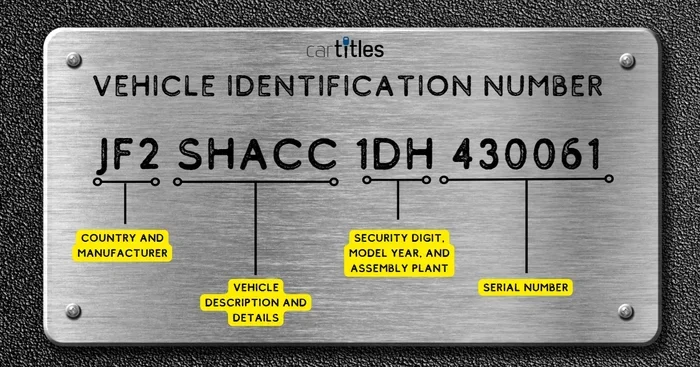
A VIN number is a 17-character code made up of letters and numbers. Each character in the code represents specific information about the vehicle. The first three characters identify the manufacturer. The next five describe the vehicle’s features, such as the model, body type, and engine size. The ninth character is a check digit that verifies the VIN’s authenticity. The tenth character tells you the model year. The eleventh identifies the assembly plant. The last six characters form the unique serial number.
Where Can You Find the VIN?
You can find the VIN in several places on a vehicle. The most common spot is on the dashboard, visible from outside the car on the driver’s side. You will also find it on the driver’s side door jamb. Some vehicles display the VIN on the engine block, the frame, or the trunk. Insurance companies and the DMV also keep records linked to the VIN.
Why Is the VIN So Important?
The VIN serves as the primary identifier for any vehicle. When you run a VIN check, you tap into a database of records tied to that specific car. This is why the VIN matters so much. It connects a vehicle to its entire history. From manufacturing details to past accidents, the VIN holds the story. Without it, tracking a vehicle’s background becomes nearly impossible.
Let us say you are buying a used car from a private seller. The seller claims the car has never been in an accident. But how do you verify that? You run a VIN-based vehicle history report. That report pulls data from insurance companies, repair shops, and police records. It gives you a clear picture of what the car has been through.
Can You Track a Vehicle by VIN Number in Real Time?
This is where many people get confused. The short answer is no. A VIN alone cannot provide real-time GPS tracking. You cannot type a VIN into a website and watch a car move on a map. Real-time tracking requires a GPS device or a telematics system installed in the vehicle.
How Real-Time Vehicle Tracking Actually Works
GPS tracking devices use satellite signals to pinpoint a vehicle’s location. These devices send data to a server, which you can access through an app or a web portal. Fleet management companies use this technology to monitor delivery trucks. Parents use it to keep an eye on teen drivers. Insurance companies offer it as part of usage-based policies.
A VIN does not have this capability. It is a static identifier. It does not transmit any signals. It does not connect to satellites. So if someone tells you they can track your car live using just the VIN, be cautious. That is not how the technology works.
What VIN Tracking CAN Do for Location-Related Information
While a VIN cannot track a car in real time, it does provide location-related data. A VIN lookup can reveal where a vehicle was registered. It can show the state or country of registration. It can also indicate where the car was assembled. Some databases even list the last known odometer reading and where it was recorded. This information is valuable for investigations and research.
What Can You Learn from a VIN Lookup?
A VIN lookup is one of the most useful tools available for car owners and buyers. When you enter a VIN into a VIN decoder or lookup service, you receive a detailed report. Let us explore what that report typically contains.
Vehicle History Report
The most common reason people look up a VIN is to get a vehicle history report. Services like Carfax and AutoCheck compile data from multiple sources. A typical report includes:
- Title history and ownership transfers
- Accident and damage records
- Odometer readings and rollback alerts
- Service and maintenance records
- Recall notices and safety campaigns
- Lemon law buybacks
- Flood or fire damage indicators
This information is incredibly valuable. It helps buyers avoid problem vehicles. It also helps sellers prove their car’s condition. A clean history report can increase a vehicle’s resale value significantly.
Recall and Safety Information
Manufacturers issue recalls when they discover safety defects. You can use the VIN to check if your vehicle has any open recalls. The National Highway Traffic Safety Administration (NHTSA) offers a free VIN lookup tool for this purpose. Simply enter your VIN, and the system checks its database. If a recall applies, you will get details about the issue and how to get it fixed.
Ownership and Registration Records
VIN records can also show ownership history. You can see how many times a car changed hands. This is useful for spotting red flags. A vehicle with too many owners in a short period might signal problems. Some states allow you to request registration records through the DMV using the VIN.
How Law Enforcement Uses VINs for Vehicle Tracking
Police and law enforcement agencies use VINs as a key tool in vehicle tracking and recovery. When a car is stolen, the VIN is one of the first things officers check. Stolen vehicle databases like the National Crime Information Center (NCIC) are searchable by VIN.
The Role of VIN in Car Theft Recovery
When a stolen vehicle is spotted, officers run the VIN through law enforcement databases. If the VIN matches a stolen vehicle report, they can take action. This is why VIN etching and VIN recording are so important. Thieves sometimes try to alter or swap VINs, but databases and forensic methods can often detect fraud.
Insurance companies also collaborate with law enforcement. They share VIN data to help locate stolen vehicles. Some insurance policies include theft recovery services that use VIN-based tracking methods. These services combine VIN records with other data to improve recovery chances.
VIN Verification for Stolen Vehicle Reports
If your car is stolen, report it immediately. Provide the VIN to the police. The VIN helps them enter your vehicle into national databases. It also helps them verify the car’s identity if it is recovered. Without a VIN, proving that a recovered vehicle belongs to you becomes much harder. Always keep your VIN in a safe place, separate from the car itself.
VIN-Based Tracking for Fleet and Business Use
Businesses that manage multiple vehicles take a different approach to tracking. They combine VIN data with GPS tracking systems. This combination gives them full visibility over their fleet. A fleet tracking system uses GPS devices installed in each vehicle. But the VIN ties all that data to a specific car in the database.
How Fleet Managers Use VIN and GPS Together
Fleet managers need to know several things. Where is each vehicle? How many miles has it accumulated? What maintenance is due? By linking the VIN to a GPS tracking platform, they get all of this information in one place. The VIN provides the vehicle’s identity and history. The GPS device provides live location and driving behavior data.
For example, a delivery company might use VIN-based records to schedule maintenance. They know exactly when each vehicle hit 30,000 miles because the VIN-linked system tracks odometer data automatically. This prevents breakdowns and keeps the fleet running smoothly.
Benefits for Small Business Owners
Even small business owners benefit from VIN tracking. If you run a landscaping company with five trucks, knowing each vehicle’s history saves you money. You can spot which trucks need repairs before they fail. You can verify mileage when buying or selling vehicles. You can also use VIN data to ensure compliance with local regulations.
Legal and Privacy Considerations for VIN Tracking
Tracking a vehicle by VIN comes with legal and privacy boundaries. Not everyone can access VIN data freely. Laws vary by country and state, so it is important to understand the rules.
Who Can Access VIN Records?
In most cases, the vehicle owner can access their own VIN records. Law enforcement can access them with proper authorization. Businesses can use VIN data for legitimate fleet management purposes. However, random individuals cannot simply look up anyone’s VIN and track their movements. Privacy laws protect vehicle owners from unauthorized surveillance.
DMV and State Records
The DMV maintains VIN-linked records for every registered vehicle. These records include the owner’s name, registration details, and title status. In many states, you can request a vehicle history report through the DMV. Some states also allow you to search for a vehicle by VIN to verify its registration status. Always use official channels when accessing VIN data to stay within the law.
Ethical Use of VIN Information
Just because you can look up a VIN does not mean you should use the information irresponsibly. Stalking, harassment, or unauthorized tracking are illegal. Always use VIN data for legitimate purposes. If you are buying a used car, a VIN check is perfectly appropriate. If you are trying to monitor someone’s movements without their consent, that is not legal.
Common Mistakes People Make with VIN Tracking
Even well-meaning people make mistakes when using VINs for tracking. Here are some common pitfalls to avoid.
- Assuming a VIN provides live GPS data: It does not. A VIN gives historical and static data only.
- Using unreliable VIN lookup sites: Not all websites are trustworthy. Stick to reputable services like the NHTSA, Carfax, or AutoCheck.
- Ignoring VIN discrepancies: If a VIN looks altered or does not match the vehicle, walk away. This could indicate theft or fraud.
- Sharing VINs publicly: Posting your VIN online can expose you to privacy risks. Only share it with trusted parties.
- Forgetting to check for recalls: A quick VIN lookup at NHTSA.gov takes seconds and could save your life.
Quick Tips for Using VIN Tracking Effectively
Want to get the most out of VIN tracking? Follow these practical tips.
- Always verify the VIN on the vehicle matches the VIN on the title and registration.
- Run a VIN check before purchasing any used car, even from a dealership.
- Use the free NHTSA VIN lookup tool for recall information.
- Keep your VIN recorded in a secure location, not in the car itself.
- Combine VIN data with a GPS tracker if you need real-time location monitoring.
- Check your VIN regularly for any signs of tampering or damage to the VIN plate.
Conclusion
So, can you track a vehicle by VIN number? Yes, but with clear boundaries. A VIN gives you access to a vehicle’s history, ownership records, recall data, and registration details. It is an essential tool for car buyers, owners, and fleet managers. However, it does not replace a GPS tracker for real-time location monitoring. Understanding this distinction is key to using VIN data effectively and legally.
Whether you are verifying a used car’s history or helping law enforcement recover a stolen vehicle, the VIN is your starting point. It connects you to a vast network of records and databases. Use it wisely, use it responsibly, and you will unlock a wealth of valuable information. Keep this guide handy the next time you need to look up a VIN. It could save you time, money, and a lot of headaches.
Frequently Asked Questions
Can I track my stolen car using just the VIN number?
You cannot track a stolen car in real time using only the VIN. However, you can report the VIN to police, who will enter it into national stolen vehicle databases. This greatly increases the chances of recovery. For live tracking, you need a GPS device installed in the vehicle.
Is a VIN lookup free?
Many VIN lookup tools are free. The NHTSA offers a free VIN decoder for recall information. Some vehicle history report services charge a fee for comprehensive reports. Free tools usually provide basic data, while paid reports offer deeper details like accident history and ownership records.
Can someone track my car without my knowledge using my VIN?
No, someone cannot track your car secretly using just your VIN. A VIN does not transmit location data. It is a static identifier. Real-time tracking requires a GPS device. If you are concerned about unauthorized tracking, check your vehicle for hidden GPS devices and report any suspicious activity to law enforcement.
What is the difference between a VIN tracker and a GPS tracker?
A VIN tracker uses the vehicle identification number to pull historical data, ownership records, and recall information. A GPS tracker uses satellite technology to provide live location updates. They serve different purposes. Many fleet managers use both together for complete vehicle oversight.
Where can I run a free VIN check?
You can run a free VIN check through the NHTSA website for recall data. Several other sites offer limited free VIN decoders that show basic vehicle specs. For comprehensive history reports, services like Carfax and AutoCheck charge a fee. Always use reputable and well-known services to ensure accurate results.
Can a VIN reveal if a car has been in a flood?
Yes, a VIN-based vehicle history report can often reveal flood damage. Insurance claims, salvage titles, and repair records are tied to the VIN. If a car was declared a total loss due to flooding, that information usually appears in the VIN report. Always check the VIN before buying a used car, especially in areas prone to flooding.