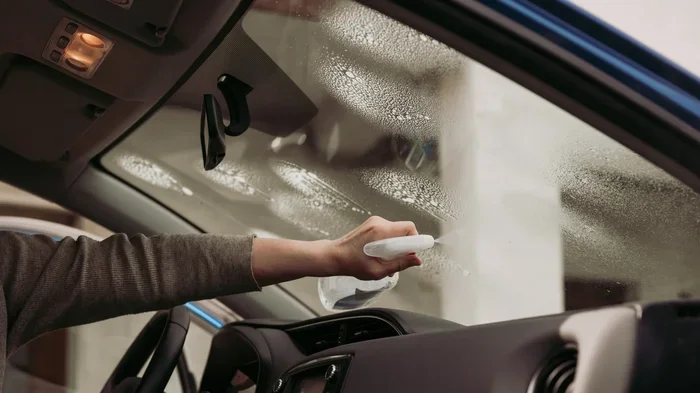
How Do You Clean the Inside of a Car Windscreen the Easy Way
Cleaning the inside of your car windscreen doesn’t have to be a chore. With the right tools and a simple method, you can remove haze, fog, and sticky film in minutes. This guide walks you through every step needed to clean inside of car windscreen like a pro. You will learn what causes the grime, what supplies you need, and how to keep your glass clear all year round.
Have you ever looked through your front windscreen on a sunny morning and noticed a hazy film staring back at you? That greasy, foggy layer on the inside of your glass is more than just an annoyance. It can seriously affect your visibility while driving, especially at night or in wet conditions.
Many car owners focus on washing the outside of their windscreen but forget about the interior side. The truth is, the inside of your car windscreen collects just as much grime as the outside. Dust, plastic fumes from your dashboard, and moisture from your breath all combine to create that stubborn film.
The good news is that cleaning the inside of a car windscreen is quick, easy, and costs almost nothing. You do not need expensive products or fancy equipment. With the right approach, you can have crystal-clear glass in under fifteen minutes. Let us walk you through exactly how to do it.
Key Takeaways
- Interior windscreen grime comes from off-gassing, dust, and condensation: Understanding the cause helps you prevent it.
- You only need a few affordable supplies: microfiber cloths, glass cleaner, and a detailing brush are all you need.
- Follow the step-by-step method for best results: spray, wipe, buff, and repeat for streak-free glass.
- Avoid common mistakes like using paper towels or harsh chemicals: these can scratch or damage your windscreen.
- Clean your windscreen at least once a month: regular maintenance keeps visibility high and safety intact.
- Apply an anti-fog coating after cleaning: this extends the time between cleanings and improves driving safety.
📑 Table of Contents
- Why Does the Inside of Your Windscreen Get So Dirty?
- What You Need to Clean Your Windscreen Properly
- Step-by-Step Guide to Cleaning the Inside of Your Windscreen
- Common Mistakes People Make When Cleaning Interior Windscreens
- How Often Should You Clean Your Windscreen?
- Pro Tips for Long-Lasting Windscreen Clarity
- The Safety Benefits of a Clean Interior Windscreen
- Comparing Commercial Cleaners vs DIY Solutions
- Conclusion
Why Does the Inside of Your Windscreen Get So Dirty?
Understanding what causes the buildup on your interior windscreen makes the cleaning process much easier. When you know the enemy, you can fight it more effectively.
The Science Behind Interior Glass Fog
Your car’s interior is a unique environment. The dashboard, seats, and trim are made of plastics and synthetic materials. Over time, these materials release tiny particles into the air. This process is called off-gassing, and it is the main reason your interior glass gets hazy.
These microscopic particles settle on your windscreen and stick to the glass surface. Combined with dust, pollen, and moisture from your breath, they form a sticky film. This film scatters light and creates that foggy, dull appearance you see every morning.
Common Culprits That Make Your Windscreen Dirty
Several everyday habits contribute to dirty interior glass. Here are the most common ones:
- Breathing and humidity: Your breath releases moisture, especially in cold weather. This moisture condenses on the glass and mixes with dust.
- Dashboard off-gassing: The plastic components in your dashboard slowly release chemicals that coat your windscreen.
- Dust and dirt tracking in: Shoes, clothes, and bags bring in particles that eventually settle on your glass.
- Smoking inside the car: Smoke residue coats every surface, including your windscreen.
- Air conditioning use: AC systems can push moisture and particles onto the glass.
- Parking in humid areas: High humidity speeds up condensation and grime buildup.
When you clean inside of car windscreen regularly, you remove this buildup before it becomes a thick, stubborn layer. Prevention is always easier than heavy cleaning.
What You Need to Clean Your Windscreen Properly
Before you start, gather everything you need. Having the right supplies makes the job faster and more effective. You do not need a long list of products either.
Essential Cleaning Supplies
Here is what you should have on hand:
- Automotive glass cleaner: A dedicated windscreen cleaner spray works best. Avoid household cleaners with ammonia, as they can damage interior trim.
- Microfiber cloths: At least two clean microfiber cloths. One for applying cleaner and one for buffing dry.
- Detailing brush or soft-bristle brush: This helps remove dust from corners and edges before you wipe.
- Distilled water: If you prefer a DIY solution, distilled water mixed with a small amount of isopropyl alcohol works well.
- Compressed air can (optional): Useful for blowing dust out of hard-to-reach areas around the windscreen edges.
Tools and Accessories That Help
A few extra tools can make the job even easier:
- Glass polishing pad: For stubborn haze that regular wiping does not remove.
- Ergonomic microfiber wand: These long-handled tools help you reach the top corners of your windscreen without stretching.
- Anti-fog coating spray: Apply this after cleaning to keep your glass clearer for longer.
- Vacuum with a soft brush attachment: Use this to remove loose dust from the dashboard before cleaning the glass.
Investing in good-quality microfiber cloths is especially important. Cheap cloths can leave lint and scratches on your glass. When you clean inside of car windscreen with proper microfiber, you get a streak-free finish every time.
Step-by-Step Guide to Cleaning the Inside of Your Windscreen
Now that you have your supplies ready, let us get into the cleaning process. Follow these steps in order for the best results.
Step One: Prepare Your Workspace
Start by parking your car in a shaded area. Direct sunlight causes the cleaner to dry too quickly, leaving streaks behind. Open your windows slightly to allow airflow while you work.
Next, dust your dashboard and the area around the windscreen. Use a soft brush or a microfiber cloth to wipe away loose particles. This prevents those particles from mixing with the cleaner and creating mud on your glass.
If your dashboard is particularly dusty, give it a quick vacuum first. Removing loose debris before you clean the glass saves you from redepositing dirt onto the windscreen.
Step Two: Apply Your Cleaning Solution
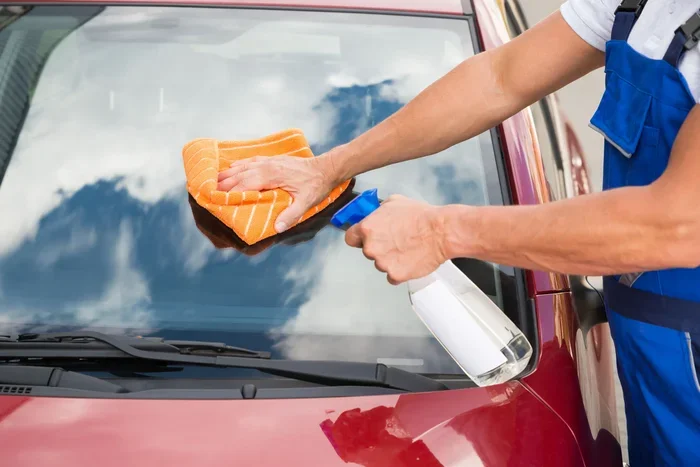
Spray your glass cleaner directly onto the microfiber cloth, not onto the windscreen itself. Spraying directly can cause the cleaner to seep into the rubber seals and trim, which may lead to damage over time.
Use a light mist on your cloth. You want the fabric damp, not soaking wet. Excess liquid can drip down into the windscreen channel and create moisture problems inside your car.
If you prefer a DIY approach, mix equal parts distilled water and isopropyl alcohol in a spray bottle. This homemade solution works surprisingly well for cutting through grease and haze.
Step Three: Wipe the Windscreen
Using gentle circular motions, wipe the interior surface of your windscreen. Start from the top corner and work your way down. This overlapping pattern ensures you do not miss any spots.
Use light pressure. You do not need to press hard. The microfiber cloth does the work for you. Pressing too hard can push dirt around and create scratches over time.
Fold your cloth frequently to expose a clean surface. A dirty cloth simply redistributes the grime. Switch to a fresh section of the cloth whenever you notice it becoming dirty.
Step Four: Buff the Glass Dry
After the initial wipe-down, take your second clean microfiber cloth and buff the glass dry. Use straight, horizontal strokes for this step. This technique helps you spot any remaining streaks more easily.
Inspect your windscreen from different angles. Hold it up to the light and look for any remaining haze or streaks. If you see any, repeat the buffing process with a fresh section of cloth.
For stubborn areas with heavy buildup, spray a small amount of cleaner onto a glass polishing pad and gently work the area in small circles. Then buff dry immediately after.
Step Five: Apply an Anti-Fog Coating (Optional but Recommended)
Once your windscreen is clean and dry, consider applying an anti-fog coating. This thin layer repels moisture and prevents dust from sticking to the glass as quickly.
Simply spray the coating onto a clean microfiber cloth and wipe it onto the glass in a thin, even layer. Let it cure for the time recommended on the product label, usually about five minutes.
This extra step significantly extends the time between cleanings. Many car owners find they only need to clean inside of car windscreen deeply once a month after applying a good anti-fog treatment.
Common Mistakes People Make When Cleaning Interior Windscreens
Even with the best intentions, it is easy to make mistakes that reduce the quality of your cleaning or even damage your windscreen. Here are the most common ones to avoid.
Using Paper Towels or Regular Cloth
Paper towels seem like a convenient option, but they are terrible for automotive glass. They leave behind tiny fibres that create lint and streaks. They can also scratch the surface of your windscreen over time. Always use a dedicated microfiber cloth designed for glass cleaning.
Spraying Cleaner Directly onto the Glass
As mentioned earlier, spraying directly onto the windscreen can allow liquid to seep into the seals and channels. This moisture can cause mould growth and unpleasant odours inside your car. Always spray onto the cloth first.
Using Household Cleaners with Ammonia
Many household glass cleaners contain ammonia. While ammonia works great for home windows, it can damage the plastic and vinyl components inside your car. It can also cause discolouration of your dashboard over time. Stick to automotive-specific glass cleaners.
Cleaning in Direct Sunlight
Cleaning your windscreen in direct sunlight causes the cleaner to evaporate too quickly. This leaves behind residue and streaks that are hard to remove. Always choose a shaded spot or work in the early morning or evening.
Skipping the Corners and Edges
The corners and edges of your windscreen are where buildup accumulates the most. These areas are also the hardest to reach. Use a detailing brush or a smaller microfiber cloth to clean these spots thoroughly. Neglecting them leads to uneven clarity and persistent haze.
Avoiding these mistakes ensures that every time you clean inside of car windscreen, you get professional-quality results without any damage to your vehicle.
How Often Should You Clean Your Windscreen?
Frequency depends on your driving habits and environment. However, a general rule works for most car owners.
Deep clean your interior windscreen at least once a month. This prevents heavy buildup and keeps your glass clear without much effort. If you drive frequently or live in a dusty or humid area, you may need to clean it more often.
Between deep cleanings, do a quick wipe-down every week or two. A dry microfiber cloth passed over the glass removes fresh dust before it has a chance to bond with the surface. This simple habit keeps your windscreen looking great between deeper cleaning sessions.
Seasonal Cleaning Tips
Different seasons bring different challenges for your windscreen:
- Spring: Pollen counts are high. Pollen sticks to the inside of your glass and creates a yellowish film. Clean more frequently during pollen season.
- Summer: Heat increases off-gassing from your dashboard. Your interior glass may get hazier faster. Keep your car parked in the shade when possible.
- Autumn: Falling leaves and increased moisture lead to more condensation on your windscreen. Wipe down the glass after rainy drives.
- Winter: Cold mornings bring heavy condensation. Use your car’s defroster sparingly and wipe the glass dry after each drive to prevent moisture buildup.
Adjusting your cleaning schedule with the seasons keeps your windscreen cleaning routine effective year round. You will always have clear glass when you need it most.
Pro Tips for Long-Lasting Windscreen Clarity
Once you have achieved that crystal-clear finish, you want to keep it that way. These pro tips help you maintain clean interior glass with minimal effort.
First, keep a small microfiber cloth in your glove box. Use it to quickly wipe down the windscreen after long drives or on humid mornings. This takes only seconds and prevents buildup from setting in.
Second, avoid smoking inside your car. Smoke residue coats every interior surface, and your windscreen is no exception. If you must smoke, crack a window to let the smoke escape before it settles on the glass.
Third, consider using a dashboard cover when your car is parked for extended periods. This reduces off-gassing and keeps dust from settling on your windscreen overnight.
Fourth, replace your cabin air filter regularly. A clean air filter reduces the amount of dust and particles that circulate inside your car, which directly reduces the grime on your interior glass.
Fifth, after a car wash or detailing session, take a moment to wipe down your interior windscreen. Professional cleaning products can leave a thin residue that shows up on glass surfaces.
These small habits add up over time. They mean you spend less time on intensive windscreen cleaning sessions and more time enjoying clear, safe visibility every time you drive.
The Safety Benefits of a Clean Interior Windscreen
Beyond aesthetics, keeping your interior windscreen clean has important safety implications that many drivers overlook.
A hazy or foggy windscreen scatters incoming light. This scattering creates glare during low-light conditions, making it harder to see pedestrians, cyclists, and other vehicles. At night, this effect is especially dangerous. Headlights from oncoming traffic can appear blurry and distorted through a dirty interior windscreen.
During rainy conditions, a dirty interior glass surface causes water to bead unevenly. This uneven beading reduces your ability to see the road clearly through your wipers. A clean windscreen allows water to sheet off more evenly, improving visibility in wet weather.
Condensation also forms more readily on dirty glass than on clean glass. A film on your windscreen gives moisture more surfaces to cling to, leading to foggy windows even on days when you would not normally expect condensation.
By regularly cleaning the inside of your car windscreen, you are not just improving how your car looks. You are actively improving your safety and the safety of everyone on the road with you.
Comparing Commercial Cleaners vs DIY Solutions
When it comes to cleaning your interior windscreen, you have two main options: store-bought products or homemade solutions. Here is a quick comparison to help you decide.
| Factor | Commercial Glass Cleaner | DIY Solution |
|---|---|---|
| Cost per use | Moderate | Very low |
| Ease of use | Spray and wipe | Requires mixing |
| Streak prevention | Excellent with quality brands | Good with proper technique |
| Chemical safety | Varies by brand | Non-toxic ingredients |
| Availability | Widely available | Ingredients at home |
| Anti-fog properties | Some include anti-fog agents | None naturally |
Both options work well when used correctly. The best choice depends on your budget, preferences, and how often you plan to clean your windscreen. Many car owners find that using a commercial cleaner for deep cleanings and a DIY solution for quick touch-ups gives the best of both worlds.
Regardless of which option you choose, always follow up with a dry microfiber buff to ensure streak-free results. This final step makes all the difference between a mediocre clean and a professional finish.
Conclusion
Cleaning the inside of your car windscreen is one of the simplest yet most impactful maintenance tasks you can do for your vehicle. It improves your visibility, enhances your safety, and keeps your car looking its best.
With the right supplies, a few simple steps, and a regular schedule, you can keep your windscreen crystal clear all year round. Remember to use microfiber cloths, avoid common mistakes, and consider applying an anti-fog coating for longer-lasting results.
Do not wait until your windscreen is so hazy that it affects your driving. Start a regular cleaning routine today. Your future self, and everyone sharing the road with you, will thank you. A clean windscreen is not just about appearance. It is about driving with confidence and clarity every time you get behind the wheel.
Now that you know exactly how to clean inside of car windscreen the easy way, there is nothing stopping you from getting started. Grab a microfiber cloth, spray some cleaner, and give your windscreen the care it deserves. You will be amazed at the difference a few minutes of effort can make.
Frequently Asked Questions
What is the best cleaner for the inside of a car windscreen?
A dedicated automotive glass cleaner is the best choice. Look for ammonia-free formulas specifically designed for car interiors. Brands like Rain-X, Meguiar’s, and Invisible Glass are popular and effective options for removing haze without damaging your dashboard or trim.
Can I use vinegar to clean the inside of my windscreen?
Yes, a mixture of equal parts white vinegar and distilled water works well as a DIY cleaner. Spray it onto a microfiber cloth and wipe the glass. Vinegar cuts through grease and residue effectively. However, avoid using it on tinted windows as it may degrade the tint over time.
How do I remove stubborn haze from my interior windscreen?
Stubborn haze often requires a two-step process. First, apply glass cleaner to a microfiber cloth and wipe the area with gentle circular motions. Then use a glass polishing pad with a small amount of cleaner to buff out the remaining haze. Follow up with a dry microfiber cloth to remove any residue.
Why does my windscreen fog up again so quickly after cleaning?
Quick fogging usually means the root cause has not been addressed. Off-gassing from your dashboard, high humidity, or a dirty cabin air filter can all cause rapid re-fogging. Consider applying an anti-fog coating and replacing your cabin filter to reduce moisture and particles in the car.
Is it safe to clean my windscreen with paper towels?
No, paper towels are not recommended for cleaning automotive glass. They leave behind fibres that create streaks and can scratch the glass surface over time. Always use a clean, high-quality microfiber cloth for the best and safest results.
How long does an anti-fog coating last on a windscreen?
Most anti-fog coatings last between two and four weeks, depending on driving conditions and how often you use your car. Reapply after heavy rain or if you notice fog returning quickly. Regular light cleaning between applications helps the coating last longer.