Can I Use Windex on My Car Without Hurting the Paint
Using Windex on your car can seem like a quick fix, but it carries real risks for your paint and exterior surfaces. While Windex works great on home glass, its ammonia content can damage car paint, strip wax, and harm tinted windows. This guide covers everything you need to know about using Windex on car paint safely and what better alternatives exist for car exterior care.
You have a dirty car. The windows are streaky. The paint looks dull. And you reach for the nearest bottle of Windex because it works so well on your home mirrors and glass tables. It is a natural move. But then a question hits you: can I use Windex on my car without causing damage?
The short answer is: it depends on where and how you use it. Windex is a powerful glass cleaner designed for household windows. Cars are a different beast entirely. They have clear coats, paint sealants, and tinted windows that react differently to chemicals. Using the wrong cleaner can lead to paint damage, faded finishes, and costly repairs.
In this article, we will break down everything you need to know. We will cover the risks, the safe ways to use Windex on your car, and the best car cleaning solutions you should reach for instead. By the end, you will know exactly how to keep your car sparkling without hurting the paint or the glass.
Key Takeaways
- Ammonia in Windex can damage car paint: The harsh chemicals strip away protective layers and cause long-term harm.
- Windex is safe for automotive glass only when diluted: Use it carefully on non-painted surfaces with proper technique.
- Better alternatives exist: Dedicated car cleaning products are safer and more effective for your vehicle.
- Always test a small area first: Before using any cleaner on your car, test it on a hidden spot.
- Protect your paint after cleaning: Apply wax or sealant to restore protection after any cleaning session.
- Tint-safe cleaning matters: Ammonia-based cleaners can degrade window tint over time.
- Prevention is the best strategy: Regular washing and proper products keep your car looking great without risk.
📑 Table of Contents
What Is Windex and Why Do People Use It on Cars?
Windex is one of the most popular glass cleaners in the world. It has been around for decades. People trust it to cut through grime, grease, and streaks on windows and mirrors. Its blue formula looks clean and fresh. And it leaves glass looking crystal clear.
So why do people think about using it on their cars? A few reasons stand out:
- Availability: Almost every household has a bottle of Windex under the sink.
- Affordability: It costs just a few dollars and works instantly on home glass.
- Streak-free results: Windex does a great job on interior windows and mirrors.
- Convenience: When your car windows are dirty and you have no car-specific cleaner, Windex seems like the easy fix.
Here is the problem though. Windex was never designed for automotive glass or car paint. The formula is made for home surfaces. Cars face different challenges every day. They deal with UV rays, road grime, bird droppings, tree sap, and harsh weather. The protective layers on a car need gentler, more specialized care.
The Ingredients in Windex
To understand why Windex can be risky for cars, you need to look at what is inside it. Most original Windex formulas contain ammonia as the primary cleaning agent. Ammonia is a strong chemical that cuts through grease and grime effectively. It also evaporates quickly, which helps prevent streaks on glass.
Other common ingredients include:
- Surfactants: These help lift dirt and grease from surfaces.
- Solvents: These dissolve stubborn residues and fingerprints.
- Fragrances and dyes: These give Windex its signature blue color and clean scent.
- Water: The base ingredient that dilutes the active chemicals.
The ammonia is the main concern when it comes to car paint protection. Ammonia is a harsh solvent that can strip away wax, sealant, and even damage the clear coat over time. On tinted windows, ammonia can cause the tint to bubble, peel, or discolor. These are serious issues that no car owner wants to deal with.
The Risks of Using Windex on Car Paint
Now let us get to the heart of the matter. What actually happens when you spray Windex on your car paint? The risks are real and can cause lasting damage if you are not careful.
Paint Stripping and Fading
Your car’s paint has layers. The base color coat sits below a clear coat that protects everything. This clear coat is what gives your car that glossy, mirror-like finish. When ammonia from Windex touches your paint repeatedly, it begins to break down this protective layer.
Over time, you may notice:
- Dullness: The paint loses its shine and looks washed out.
- Fading: The color fades faster than it should, especially in direct sunlight.
- Clear coat damage: The protective layer becomes thin, cracked, or cloudy.
- Surface residue: Windex leaves behind a filmy layer that attracts more dirt.
These issues are not just cosmetic. Damaged clear coat exposes the paint beneath to UV rays, moisture, and environmental contaminants. This accelerates paint fading and can lead to rust in severe cases.
Damage to Tinted Windows
If your car has tinted windows, Windex is even more dangerous. Many window tints are made from dyed or metallic film. Ammonia-based cleaners react with these materials and cause discoloration. The tint may turn purple, bubble, or peel off entirely.
Even if your tint looks fine at first, repeated use of Windex will weaken the adhesive bond. Over weeks and months, the damage becomes visible and irreversible. Replacing tinted windows is expensive, and it is entirely preventable by using tint-safe cleaning products.
Stripping Wax and Sealant
Most car owners apply wax or paint sealant to protect their vehicle’s exterior. These products create a protective barrier that shields the paint from UV rays, acid rain, and contaminants. Windex strips this barrier away with each use.
Think of it like this: wax is like sunscreen for your car. Every time you use Windex, you are essentially washing off the sunscreen. Your paint becomes exposed and vulnerable. You would need to reapply wax or sealant much more frequently, which adds time and cost to your car detailing routine.
Safe Ways to Clean Your Car’s Glass with Windex
So is all hope lost? Can you ever use Windex on your car safely? The answer is yes, but with important caveats. If you must use Windex on your car, follow these guidelines to minimize risk.
Use It Only on Exterior Glass
The safest place to use Windex on a car is the exterior glass itself. The windshield, side windows, and rear window are made of tempered or laminated glass. They do not have a paint or clear coat surface that ammonia can damage.
However, keep these rules in mind:
- Dilute it: Mix Windex with water at a 1:1 ratio to reduce the ammonia concentration.
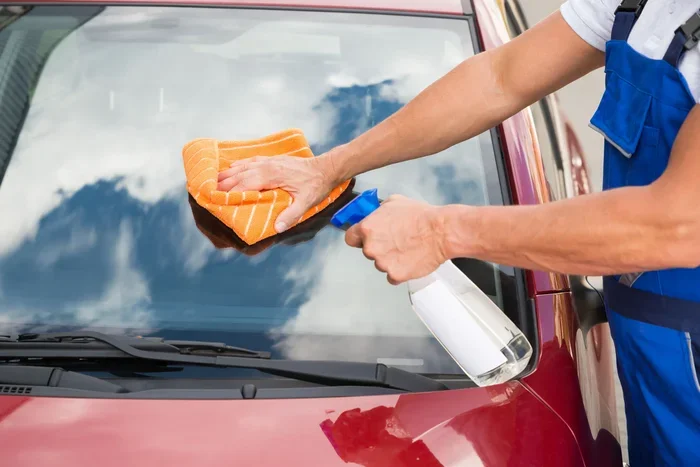
- Use a microfiber cloth: Never spray Windex directly onto the glass. Spray it onto a microfiber cloth instead to control the amount of product that touches the surface.
- Wipe dry immediately: Do not let Windex sit on the glass for extended periods. Wipe it off quickly and thoroughly.
- Avoid the paint surrounding the glass: Be careful not to let Windex drip onto the paint near the window edges.
Never Use Windex on Interior Surfaces
The interior of your car has plastic dashboards, vinyl seats, and rubber trim. Ammonia dries out these materials, causing them to crack, fade, and look aged long before their time. It can also leave a greasy residue that looks terrible and attracts dust.
For interior glass and surfaces, use a dedicated interior cleaner. These products are formulated to be safe on plastics, vinyl, and leather. They provide a streak-free shine without the harsh side effects of ammonia.
Quick Tips for Safe Glass Cleaning
Here are some practical tips that will help you clean your car glass safely and effectively:
- Clean glass on a cool day: Avoid direct sunlight when cleaning windows. The heat causes cleaner to evaporate too quickly, leaving streaks and residue.
- Use two microfiber cloths: One for applying the cleaner and one for buffing dry. This prevents swirl marks and ensures a clean finish.
- Fold the cloth into quarters: This gives you fresh surfaces to work with and reduces the chance of scratching.
- Wipe in one direction: Horizontal strokes on the outside and vertical strokes on the inside help you identify any remaining streaks easily.
- Keep a spray bottle of diluted Windex in your trunk: For emergency cleaning on the road, a pre-diluted bottle is a safe and convenient option.
Better Alternatives to Windex for Car Cleaning
Why risk your car’s finish when there are better options available? The automotive industry offers a wide range of car cleaning solutions that are specifically formulated for vehicles. These products are safer, more effective, and often cost about the same as Windex.
Automotive Glass Cleaners
Dedicated automotive glass cleaners are the best alternative to Windex for your car windows. They are designed to be ammonia-free or low-ammonia. They work effectively on both interior and exterior glass without damaging tint, paint, or protective coatings.
Look for features like:
- Ammonia-free formula: Safe for tinted windows and interior surfaces.
- Streak-free finish: Delivers a crystal-clear result without repeated wiping.
- Anti-static properties: Repels dust and keeps glass cleaner longer.
- UV protection: Some formulas include UV inhibitors that help protect the glass and surrounding surfaces.
Car Wash Soaps
For overall car cleaning, a quality car wash soap is your best friend. These automotive-safe cleaners are pH-balanced and gentle on paint. They lift dirt and grime without stripping wax or sealant.
When choosing a car wash soap, look for these qualities:
- pH-neutral formula: Safe for all paint types and clear coats.
- Wax-friendly: Does not strip existing wax or sealant.
- Thick suds: Helps lift dirt away from the surface without scratching.
- Biodegradable options: Better for the environment and safe for all car surfaces.
Quick Detailer Sprays
For a fast cleanup between washes, a quick detailer spray is a great choice. These sprays are designed to refresh your car’s appearance in minutes. They add a light layer of protection and give the paint a healthy shine. Quick detailers are perfect for removing light dust, water spots, and fingerprints from both paint and glass.
Comparison Table: Windex vs. Car-Specific Cleaners
| Feature | Windex | Car-Specific Cleaner |
|---|---|---|
| Ammonia Content | High | None or very low |
| Safe for Car Paint | No | Yes |
| Safe for Tinted Windows | No | Yes |
| Streak-Free on Automotive Glass | Moderate | Excellent |
| Strips Wax/Sealant | Yes | No |
| Safe for Interior Plastics | No | Yes |
| Price Range | $2-$4 | $5-$12 |
| Designed for Vehicles | No | Yes |
As you can see from the table, car-specific cleaners outperform Windex in almost every category that matters for vehicle care. The slightly higher price is a small investment compared to the potential cost of repairing paint damage or replacing tinted windows.
How to Protect Your Car Paint After Cleaning
Whether you use Windex or a car-specific cleaner, protecting your paint after cleaning is essential. Cleaning removes contaminants, but it can also remove protective layers. Replenishing those layers keeps your car looking its best and prevents long-term damage.
Apply Wax or Sealant
After every wash or deep clean, apply a layer of car wax or paint sealant. Wax provides a natural barrier that shields the paint from UV rays, acid rain, and environmental pollutants. Sealant offers a synthetic alternative that lasts longer and provides stronger protection.
Here is a simple process to follow:
- Wash the car thoroughly: Remove all dirt and grime with a pH-balanced car wash soap.
- Dry with a clean microfiber towel: Pat dry gently to avoid swirl marks.
- Apply wax or sealant by hand or with a machine polisher: Use thin, even coats and follow the product instructions.
- Buff off the residue with a clean microfiber cloth: This reveals a smooth, glossy finish.
- Repeat every 2-3 months: Regular application maintains continuous protection.
Use a Ceramic Coating for Long-Term Protection
For the best long-term protection, consider a ceramic coating. These products bond chemically with your car’s clear coat and create a durable, hydrophobic layer. A ceramic coating can last for months or even years, depending on the product and how well you maintain it.
Benefits of ceramic coating include:
- Superior UV protection: Prevents paint fading and oxidation.
- Hydrophobic properties: Water beads off the surface, keeping the car cleaner longer.
- Chemical resistance: Protects against bird droppings, tree sap, and acid rain.
- Enhanced gloss: Gives the paint a deep, mirror-like shine.
Common Mistakes to Avoid
Even with the best products, mistakes can happen. Here are common errors that can hurt your car’s paint and how to avoid them:
- Using household cleaners: Products like Windex, all-purpose cleaners, and dish soap are too harsh for car paint. Always use automotive-specific products.
- Wiping with a dry towel: This creates friction that causes micro-scratches. Always use a lubricant like car wash soap or a quick detailer.
- Washing in direct sunlight: Heat causes cleaners and water to dry too quickly, leaving water spots and residue.
- Using the same cloth for the whole car: Dirty cloths grind debris into the paint. Use clean, separate cloths for different areas.
- Skipping the drying step: Leaving water to air-dry causes mineral deposits and water spots that are hard to remove.
Expert Recommendations for Car Exterior Care
We asked professional detailers and automotive experts for their top tips on keeping a car clean without damaging the paint. Here is what they had to say.
Stick to Products Made for Cars
The number one rule of car exterior care is simple: use products designed for vehicles. Car manufacturers and detailers spend years developing formulas that are safe for automotive surfaces. Household cleaners like Windex are formulated for completely different materials and can do more harm than good.
Wash Your Car Regularly
One of the best ways to protect your car is to wash it regularly. Dirt, bird droppings, tree sap, and road grime all contain chemicals that eat away at your paint over time. A weekly or bi-weekly wash routine prevents buildup and keeps your car looking fresh.
Use the two-bucket method for washing:
- Bucket 1: Soapy water for washing.
- Bucket 2: Clean rinse water with a grit guard at the bottom.
This method prevents you from dragging dirt and debris back across your paint, which causes swirl marks and scratches.
Invest in Quality Microfiber
Not all towels are created equal. Cheap towels made from cotton or other materials can scratch your paint. Microfiber towels are soft, lint-free, and highly absorbent. They lift dirt away from the surface without causing damage. Invest in a few high-quality microfiber cloths and your car will thank you.
Store Cleaning Products Properly
Heat and direct sunlight can degrade the quality of your car cleaning products. Store them in a cool, shaded area like a garage or trunk. Check expiration dates on products and replace them as needed. Old or degraded cleaners may not work effectively and could leave residue on your car’s surfaces.
Conclusion
So, can I use Windex on my car? The honest answer is: you should not, unless it is a diluted solution for exterior glass only and you take precautions. The ammonia in Windex poses real risks to your car’s paint, clear coat, tinted windows, and protective wax layers. These risks are not worth taking when so many excellent car cleaning solutions exist that are specifically designed for vehicles.
Your car is a significant investment. Taking care of it with the right products and techniques pays off in the long run. A streak-free shine on your glass, a protected paint job, and a clean interior are all achievable without reaching for household cleaners that were never meant for automotive use.
Switch to automotive-specific glass cleaners, car wash soaps, and quick detailers. Your car will look better, last longer, and maintain its resale value. Take the time to care for your vehicle the right way. Your future self will thank you when your car still looks great years from now.
Remember: the best car detailing routine uses products built for the job. Keep Windex in your kitchen and stock up on car-safe cleaners instead. Your car deserves better, and so does your wallet.
Frequently Asked Questions
Can I use Windex on my car’s exterior windows?
You can use Windex on exterior windows if you dilute it with water and apply it with a microfiber cloth instead of spraying directly. However, it is still not ideal because ammonia can drip onto the paint and cause damage. A dedicated automotive glass cleaner is always the safer choice for car exterior care.
Will Windex damage my car’s clear coat?
Yes, repeated use of Windex can damage your car’s clear coat. The ammonia in Windex breaks down the protective clear coat over time, leading to dullness, fading, and increased vulnerability to environmental damage. Once the clear coat is compromised, it cannot be fully restored without professional treatment.
What is the best cleaner for car windows?
The best cleaner for car windows is an ammonia-free automotive glass cleaner. These products are formulated specifically for vehicles and are safe for tinted windows, paint, and protective coatings. They deliver a streak-free shine without any risk of damage. Popular brands include Invisible Glass, Stoner, and Meguiar’s Ultimate Glass Cleaner.
Is it safe to use Windex on car mirrors?
Using Windex on external mirrors is slightly safer than using it on painted surfaces, but it still carries risks. Ammonia can drip from the mirror onto surrounding paint and cause damage over time. For the safest option, use a dedicated automotive mirror cleaner or a diluted ammonia-free glass cleaner.
How often should I wash my car to protect the paint?
Most automotive experts recommend washing your car every one to two weeks, depending on your driving conditions. If you live in an area with salt, heavy pollution, or frequent bird activity, you may need to wash more often. Regular washing prevents contaminants from building up and eating into your paint’s protective layers.
Can I use Windex on a car with window tint?
No, you should never use Windex on tinted windows. The ammonia in Windex reacts with the tint film and causes discoloration, bubbling, and peeling. This damage is often irreversible and requires expensive tint replacement. Always use an ammonia-free, tint-safe cleaner for any vehicle with window tint.