Can I Wash My Car After Touch-Up Paint Find Out Now
So, Can I Wash My Car After Touch-Up Paint? Yes, but timing is everything. Touch-up paint needs time to cure before a car wash. Wait at least 48 hours, and ideally 7 days, to avoid water spots and protect your paint repair.
So, you just touched up a scratch on your car. You’re proud of the fix, but now you’re wondering… can you wash it? Can I Wash My Car After Touch-Up Paint? The short answer is yes, but you need to be patient. Washing too soon can ruin all your hard work. This guide will walk you through the exact timing, safe methods, and common mistakes. You’ll learn how to keep your touch-up paint looking fresh for years.
Whether you used a spray can, a pen, or a brush, the rules are the same. You must let the paint repair cure properly. A quick car wash right after can cause water spots and even peel the new paint. I’ll show you the right way to do it. Let’s dive in.
Key Takeaways
- Wait at least 48 hours: Give the touch-up paint time to dry before any water contact.
- Can I Wash My Car After Touch-Up Paint? Yes, but only after the full curing time.
- Use gentle car soap: Avoid harsh chemicals that can damage the fresh paint.
- Avoid high-pressure washing: High pressure can peel off the touch-up paint.
- Dry with a microfiber cloth: Pat dry gently to prevent scratches.
- Apply wax after full cure: Wait 30 days before waxing to seal the paint properly.
📑 Table of Contents
Can I Wash My Car After Touch-Up Paint? The Definitive Guide
The question Can I Wash My Car After Touch-Up Paint comes up often. The answer depends on a few simple factors. You need to know the type of paint you used and the curing time. Touch-up paint is not like regular factory paint. It needs extra care to bond properly with the existing clear coat.
When you apply touch-up paint, you are filling a small area with a new layer. This layer is thin and sensitive. It needs time to harden, or cure. During curing, the solvents evaporate and the paint hardens. If water hits it too early, the paint can soften, bubble, or wash away. That is why patience is your best friend here.
Understanding Touch-Up Paint
Touch-up paint comes in many forms. You might have a spray can, a pen-type applicator, or a small brush bottle. Each type has a slightly different drying time. Spray cans usually dry faster than brush-on paints. Pen-type touch-ups are great for small stone chips. They all share one goal: to blend with your existing automotive paint and protect the bare metal.
The quality of the touch-up paint matters too. Cheap paint may not adhere well. It might chip off after a few washes. High-quality paint repair products include a primer and a clear coat. These layers need time to harden. Always check the label for drying instructions. Most brands say 48 hours for light handling and 7 days for full cure.
The Curing Process
Curing is not just drying. Drying means the surface feels dry to the touch. Curing means the paint has fully hardened underneath. In car detailing, we talk about paint hardness. Fresh touch-up paint has low hardness. It can be easily scratched or damaged by water and soap. As it cures, the hardness increases. After full cure, the paint can withstand a normal car wash.
Temperature and humidity affect curing time. Warm, dry weather speeds up the process. Cold or humid conditions slow it down. If you live in a damp area, give the paint extra time. A good rule of thumb is to wait 7 days in any condition. This ensures the clear coat and paint layers are fully set.
How Long Should You Wait Before Washing?
The waiting time is the most important part of wash after paint care. You must resist the urge to clean your car right away. The minimum wait time is 48 hours. This gives the paint surface time to dry. But for full protection, wait 7 days. During this time, keep the car out of rain and dusty areas.
Minimum Wait Time for Different Paint Types
Not all touch-up paints cure at the same rate. Here is a simple comparison of common paint touch-up products and their wait times.
| Paint Type | Surface Dry Time | Wash-Ready Time | Notes |
|---|---|---|---|
| Spray Can Touch-Up | 2–4 hours | 48 hours (7 days best) | Even coverage; needs full cure for hard coat |
| Pen-Type Touch-Up | 1–2 hours | 48 hours (7 days best) | Great for small chips; thin layer needs patience |
| Brush-On Paint | 3–5 hours | 72 hours (7 days best) | Thicker coat; may need light sanding before wax |
| Clear Coat Only | 1–2 hours | 48 hours (7 days best) | Adds protection; cures slowly under layers |
As you can see, the wash-ready time is always at least 48 hours. The 7-day mark is the safest. If you can wait a full week, your scratch fix will last much longer. The paint will bond fully with the original factory coat.
Why Waiting Matters
Washing too early causes real damage. Water can seep into the uncured paint and cause paint bubbling. Soap residue can stick to the soft surface and create water spots. These spots are hard to remove and may require a new paint repair. High-pressure washers are even worse. The force can blast the fresh paint right off the panel.
I once saw a driver wash his car 6 hours after a touch-up. The paint smeared and left a cloudy mark. He had to sand it down and start over. That is a frustrating waste of time. So, yes, Can I Wash My Car After Touch-Up Paint? Yes, but only after the full cure.
The Right Way to Wash a Car After Touch-Up Paint
When the waiting period is over, you can wash your car. But you must do it gently. A car wash after touch-up paint should be a careful process. You want to clean the car without harming the new paint. Follow these steps for a safe and effective wash.
Step-by-Step Washing Guide
- Rinse first: Use a gentle stream of water to remove loose dirt. Never let dry mud sit on the touch-up area.
- Use the right soap: Choose a pH-neutral car soap designed for automotive paint. Avoid dish soap. It strips wax and can damage fresh paint.
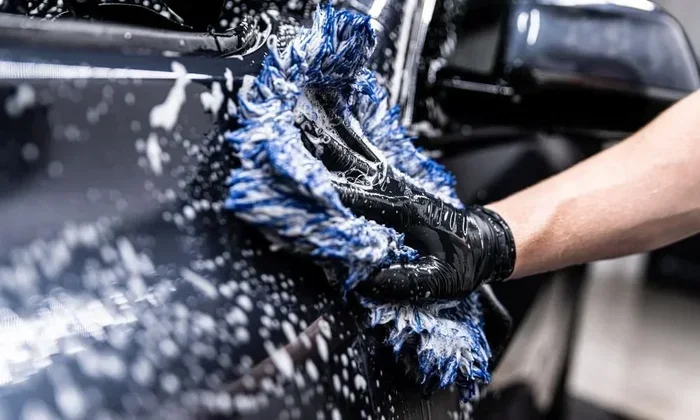
- Wash with a microfiber mitt: Use a soft wash mitt. Never use a rough sponge or brush on the touched-up area.
- Wash from top to bottom: Start at the roof and work down. This prevents dirty water from dripping onto the fresh paint.
- Rinse thoroughly: Make sure all soap is gone. Soap left on the paint can cause water spots and dullness.
- Dry gently: Use a clean, soft microfiber cloth. Pat dry or use a blotting motion. Do not rub aggressively.
This method keeps the touch-up paint safe. It also helps the clear coat stay shiny and smooth. If you follow these steps, your paint repair will look great.
Best Products to Use
Not all car cleaning products are safe for fresh paint. I recommend using a paint-safe car soap like Meguiar’s Gold Class or Chemical Guys Mr. Pink. These soaps are gentle and rinse clean. For drying, a premium microfiber drying towel is a must. Avoid old bath towels. They can trap dirt and scratch the paint.
If you want extra protection, use a paint sealant after the wash. A sealant adds a layer of defense against water spots and UV rays. But wait at least 30 days after the touch-up before applying any sealant or wax. The paint needs time to fully harden first.
Quick Tips for a Safe Wash
Quick Tip: Wash your car in the shade. Direct sunlight can cause the soap to dry too fast, leaving residue on the fresh paint.
Quick Tip: Use a separate bucket for the touch-up area. This prevents cross-contamination from dirty wash mitts.
Quick Tip: Avoid automatic car washes with brushes. The rotating brushes can scratch and peel the touch-up paint. Stick to a hand wash or a touchless wash.
Common Mistakes to Avoid
Many people make mistakes when washing a car after a scratch fix. These errors can ruin the paint repair. Here are the most common ones and how to avoid them.
Washing Too Early
This is the number one mistake. Drivers often think the paint is dry because it feels dry on top. But the layers underneath are still soft. Water contact at this stage can cause the paint to lift. Always wait the full 7 days, no matter how dry the surface feels.
Using the Wrong Soap
Household cleaners are too harsh for automotive paint. They strip away the protective oils in the paint. This leads to fading and dullness. Only use a dedicated car wash soap that is pH-balanced. It cleans without damaging the finish.
Skipping the Dry
Letting the car air dry after a wash is a bad idea. Water evaporates and leaves mineral deposits. These water spots can etch into the fresh touch-up paint. Always dry the car completely with a soft cloth. Pay extra attention to the touched-up area.
Using a High-Pressure Washer
A pressure washer is powerful, but it is too strong for fresh paint. The jet can force water under the paint edges. This causes peeling and bubbling. If you must use a pressure washer, keep it on the lowest setting and stay at least 2 feet away from the touch-up spot.
Tips for Protecting Your Touch-Up Paint
Washing is just one part of paint protection. After your car wash, you want to keep the repair safe for the long haul. Here are some easy ways to protect the touch-up paint and extend its life.
Apply a Paint Sealant
A paint sealant adds a synthetic layer over the clear coat. It shields the paint from UV rays, bird droppings, and tree sap. Wait at least 30 days after the touch-up before applying sealant. This gives the paint time to fully harden. Then, apply a thin, even layer with a foam applicator. Buff it off with a clean microfiber towel.
Waxing After Touch-Up Paint
Waxing is a classic way to protect automotive paint. But you must wait for the full cure. Most experts recommend waiting 30 days before waxing. Use a natural carnauba wax or a synthetic polymer wax. Apply it by hand, not with a machine polisher, on the touched-up area. This avoids burning the soft paint with friction heat.
Expert Insights
“The biggest mistake I see is people washing their car too soon after a touch-up. The paint feels dry, but it is not fully cured. Patience is the key to a long-lasting repair. Wait the full week, and your paint job will look factory-fresh.” — Mark D., Master Car Detailer with 15 years of experience.
Mark’s advice is spot on. The curing time is non-negotiable. If you give the paint the time it needs, the repair will bond strongly. You can then wash and wax it just like the rest of the car.
When to Seek Professional Help
Sometimes a touch-up repair needs more than a simple wash. If the paint repair shows signs of peeling, bubbling, or discoloration, it is time to see a pro. A professional auto body shop can assess the damage. They may recommend a respraying or a clear coat application.
You should also seek help if the scratch goes down to bare metal. Touch-up paint alone cannot protect exposed metal from rust. A pro can apply a proper primer and base coat. This ensures the repair lasts for years. If you are unsure about the condition of your touch-up paint, it is always safe to get a second opinion.
Key Takeaways
Let’s quickly recap what we learned about Can I Wash My Car After Touch-Up Paint.
- Wait at least 48 hours before any water contact, and 7 days for full cure.
- Use a gentle, pH-neutral car soap and a soft microfiber mitt.
- Avoid high-pressure washers and automatic brush car washes on the fresh paint.
- Dry the car thoroughly with a clean microfiber cloth to prevent water spots.
- Do not wax or sealant for at least 30 days after the touch-up.
- Patience is the secret to a long-lasting, beautiful paint repair.
Conclusion
Can I Wash My Car After Touch-Up Paint? Yes, you absolutely can. The key is to wait for the right curing time. Give the touch-up paint at least 48 hours, and ideally 7 days, to fully harden. When you do wash, use a gentle soap, a soft mitt, and a microfiber towel. Avoid high pressure and harsh chemicals. With the right care, your car wash will not harm the paint repair. Instead, it will keep the whole car looking great.
Remember that touch-up paint is a temporary fix that can last for years with proper care. Treat it gently during the first week, and it will bond strongly with the original factory paint. You will enjoy a smooth, shiny finish that protects your car from rust and further damage. So, the next time you touch up a scratch, be patient. Wait it out, then wash with confidence. Your car will thank you.
Frequently Asked Questions
Can I wash my car immediately after touch-up paint?
No, you should never wash your car immediately after a touch-up. The paint needs at least 48 hours to dry and 7 days to fully cure. Washing too soon can cause the paint to peel, bubble, or develop water spots. Always wait the full recommended time for the best results.
What soap is safe for touch-up paint?
A pH-neutral car soap is the safest choice for washing a car with fresh touch-up paint. Avoid dish soap, household cleaners, or any harsh chemicals. These products strip away protective oils and can dull the new paint. Stick to a dedicated automotive wash product designed for automotive paint.
How do I dry my car after touch-up paint?
Use a clean, soft microfiber drying towel and gently pat or blot the surface. Never rub aggressively, especially over the touched-up area. Letting the car air dry can leave mineral deposits and water spots that are hard to remove. A thorough hand dry keeps the paint repair looking flawless.
Can I use a pressure washer on touch-up paint?
It is best to avoid a pressure washer for at least the first week after a touch-up. The high pressure can force water under the paint edges and cause peeling. If you must use one, keep it on the lowest setting and stay at least 2 feet away from the repair area. A gentle hand rinse is always safer.
Should I wax after touch-up paint?
Yes, but you must wait at least 30 days after the touch-up before applying wax. The paint needs time to fully cure and harden. Waxing too early can trap solvents and prevent proper bonding. Use a natural carnauba wax or a synthetic polymer wax, and apply it by hand for the best protection.
What if the touch-up paint still feels soft after a week?
If the paint still feels soft after 7 days, the curing conditions may have been poor. Cold, humid, or shady environments slow down the process. Give it an extra few days in a warm, dry spot. If it remains soft, consult a professional auto body shop. They can assess whether the paint needs a new application or a clear coat top-up.