How Do You Drive With Hill Assist And Not Roll Back
Hill assist technology keeps your car from rolling backward on inclines, giving you confidence every time you start uphill. This guide explains exactly how hill assist works, how to use it with both automatic and manual transmissions, and proven techniques to prevent rollback on steep slopes. Whether you are a new driver or just getting familiar with your vehicle’s features, you will find practical tips and clear steps to master hill driving safely.
Driving uphill can feel intimidating, especially when you worry about rolling backward. Maybe you have seen other drivers stall on a hill or jerk forward awkwardly. The good news is that modern vehicles come equipped with a helpful feature called hill assist that takes much of the stress away. In this article, we will walk you through everything you need to know about how to drive with hill assist and not roll back. You will learn the mechanics, the techniques, and the common pitfalls so you can tackle any incline with confidence.
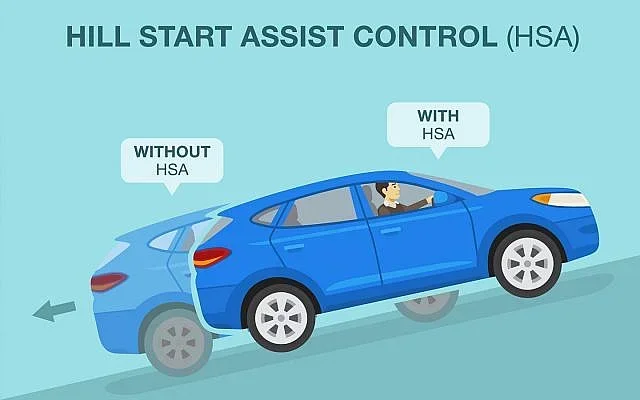
Hill start assist is a smart safety system built into most newer cars. It temporarily holds your brakes when you move your foot from the brake pedal to the accelerator. This short pause, usually lasting about two to three seconds, gives you time to shift gears and apply power without the vehicle rolling backward. The system works on both automatic transmission and manual transmission vehicles, though the experience differs slightly between the two. Understanding how this technology functions is the first step toward mastering hill driving.
Many drivers feel nervous about hill starts, especially in heavy traffic or on steep roads. Rollback prevention is not just a convenience feature, it is a safety tool that reduces the chance of rear-end collisions. When you understand how to use hill assist properly, you will feel more in control and less anxious. Let us dive into the details and make sure you never have to worry about rolling back again.
Key Takeaways
- Hill assist prevents rollback: It holds your brakes for a few seconds when you shift from brake to accelerator on an incline.
- Works with both automatic and manual transmissions: The system adapts to your vehicle type, though manual cars need extra clutch coordination.
- You still need to practice: Hill assist is a helper, not a replacement for good driving habits on steep slopes.
- Common mistakes cause rollback: Releasing the brake too slowly or not pressing the accelerator fast enough defeats the system.
- Know your vehicle: Different cars activate hill assist differently, so always read your owner manual.
- Combine hill assist with other safety features: Using it alongside brake hold and stability control maximizes your safety on hills.
📑 Table of Contents
What Is Hill Assist and How Does It Work?
Hill assist, also known as hill start control or automatic hill hold, is an electronic system that prevents your vehicle from rolling backward when starting on an incline. The system uses sensors to detect the angle of the slope and the position of the brake pedal. When you release the brake to press the accelerator, the system keeps the brakes engaged for a brief moment. This gives you time to build up engine power without the car creeping backward.
The technology behind incline driving has improved a lot over the years. Early versions only worked on steep hills, but modern systems activate on even gentle slopes. Some vehicles also include hill descent control, which helps you maintain a steady speed when driving downhill. Together, these features make slope driving much safer and easier.
How the Sensors Detect the Slope
Your vehicle uses an incline sensor that measures the tilt of the car. This sensor communicates with the electronic brake control unit, which decides how long to hold the brakes. The system calculates the slope angle in real time and adjusts the hold duration accordingly. On a very steep hill, the hold time might feel slightly longer, giving you extra room to react.
Hill Assist in Automatic vs. Manual Vehicles
In automatic transmission cars, hill assist works almost seamlessly. You simply press the brake, shift to drive, and then move your foot to the accelerator. The system holds the brakes while you make the transition. In manual transmission vehicles, you still need to coordinate the clutch and throttle, but the brake hold gives you a crucial window to find the right engagement point. This makes manual hill starts significantly easier, especially for newer drivers who are still building their skills.
Step-by-Step Guide to Driving With Hill Assist
Using hill assist correctly is straightforward once you know the steps. Here is a clear walkthrough for both automatic and manual vehicles.
For Automatic Transmission Vehicles
- Press the brake pedal firmly with your right foot.
- Shift the gear selector to Drive (or D).
- Release the parking brake if it is engaged.
- Move your right foot from the brake to the accelerator. The hill assist system will hold the brakes for about two to three seconds.
- Gently press the accelerator as you feel the car begin to move forward.
- Release the brake fully once the car starts rolling uphill.
For Manual Transmission Vehicles
- Press the brake pedal and hold it down.
- Press the clutch pedal fully and shift to first gear.
- Release the parking brake.
- Slowly release the clutch until you feel the car begin to vibrate slightly. This is the bite point.
- While holding the clutch at the bite point, move your right foot to the accelerator. The hill assist holds the brakes during this transition.
- Apply gentle throttle as you feel the car start to move.
- Continue releasing the clutch smoothly as the car gains momentum up the hill.
The key to avoiding rollback is the timing between your brake release and throttle application. Hill assist gives you a built-in safety window, but you still need to act smoothly and confidently.
Common Mistakes That Cause Rollback
Even with hill start assist active, drivers can still experience rollback if they make certain errors. Understanding these mistakes helps you avoid them entirely.
Releasing the Brake Too Slowly
If you take too long to move your foot from the brake to the accelerator, the brake hold timer will expire. Once the system releases the brakes, your car will start to roll backward on the slope. The solution is to keep your foot movement quick and deliberate. Practice the brake-to-throttle transition until it feels natural.
Not Applying Enough Throttle
Some drivers are too gentle with the accelerator when starting on a hill. While you do not need to floor it, you do need to provide enough power to overcome gravity. A gentle but firm press on the gas pedal is ideal. If the engine struggles to hold position, you may need to give it a little more gas.
Ignoring the Parking Brake
In some situations, especially on very steep hills, using the parking brake as a backup can prevent rollback. If you feel the car starting to creep backward, pulling the parking brake up slightly can stop the movement while you find the right throttle and clutch balance.
Forgetting to Turn On Hill Assist
Not all vehicles have hill assist turned on by default. Some models require you to activate it through the infotainment system or a dashboard button. Always check your vehicle settings to make sure hill start control is enabled before you need it on a hill.
Tips for Driving on Steep Hills Safely
Steep incline driving requires more than just relying on technology. Here are some practical tips to keep you safe and in control.
- Always check your mirrors before starting on a hill, especially in traffic. You want to make sure no vehicles are behind you that might be caught off guard if you roll back briefly.
- Maintain a safe following distance on uphill roads. Vehicles climb hills at different speeds, and stopping on an incline takes longer than on flat ground.
- Use engine braking on downhill slopes. Shift to a lower gear on steep descents instead of relying only on your brakes. This prevents brake fade and gives you better control.
- Keep your tires properly inflated. Underinflated tires reduce traction on slopes, which increases the risk of sliding or rolling back.
- Practice in a safe, empty area first. Find a quiet hill and practice hill starts until you feel comfortable. This builds muscle memory and confidence.
Quick Tips for New Drivers
If you are a new driver, hill driving can feel overwhelming at first. Start with gentle slopes and work your way up to steeper inclines. Remember that hill assist is designed to help you, so let it do its job. Focus on smooth pedal movements and stay calm. With a few practice sessions, hill starts will become second nature.
Driving on Hills in Different Weather Conditions
Rain, snow, and ice make hill driving much more challenging. On wet roads, your tires have less grip, which means rollback is more likely even with hill start assist active. In snowy or icy conditions, consider using winter tires or chains for extra traction. Always reduce your speed on hills when road conditions are poor, and leave even more following distance than usual.
Comparing Hill Assist Systems Across Vehicles
Different car manufacturers offer slightly different versions of hill assist technology. Here is a quick comparison of how some popular systems work.
| Vehicle Brand | Hill Assist Feature | Hold Duration | Works With Manual? |
|---|---|---|---|
| Toyota | Hill Start Assist Control | 3 seconds | Yes |
| Honda | Hill Start Assist | 2 seconds | Yes |
| Ford | Hill Launch Assist | 2 seconds | Yes |
| BMW | Automatic Hill Hold | 3 seconds | Yes |
| Chevrolet | Hill Start Assist | 2 seconds | Yes |
| Nissan | Hill Start Control | 3 seconds | Yes |
As you can see, most major brands include rollback prevention as a standard feature. The hold duration varies slightly, but two to three seconds is generally enough for most drivers. If you drive a manual car, you will appreciate that the system works with the clutch, giving you that extra window to find the bite point without rolling backward.
Expert Insights on Mastering Hill Driving
Driving instructors and automotive experts agree that hill assist is one of the most valuable safety features for everyday driving. According to driving professionals, the key to mastering hill starts is practice and familiarity with your specific vehicle. Every car responds slightly differently to throttle and clutch inputs, so getting to know your car’s behavior on hills is essential.
Experts also recommend combining hill start control with other safety technologies like vehicle stability assist and traction control. These systems work together to keep your car stable on slopes, especially when road conditions are less than ideal. When all these features are active, you have a comprehensive safety net that makes hill driving feel much more manageable.
One instructor shared a practical tip that many experienced drivers swear by: “When starting on a steep hill in a manual car, give a little extra gas before releasing the clutch. This ensures the engine has enough power to pull the car forward immediately once the hill assist releases the brakes.” This small adjustment can make a big difference in preventing rollback.
Key Takeaways
- Hill assist holds your brakes temporarily: It gives you a two to three second window to transition from brake to accelerator on inclines.
- Works with both automatic and manual transmissions: The system adapts to your vehicle type, though manual cars require clutch coordination.
- You must act quickly after releasing the brake: If you wait too long, the hold timer expires and rollback can occur.
- Combine hill assist with good driving habits: Smooth pedal movements, proper gear selection, and awareness of road conditions all contribute to safe hill driving.
- Know your vehicle’s specific system: Check your owner manual to understand how your car’s hill start control works and how to activate it.
- Practice makes perfect: Regular practice on different inclines builds the confidence and skill needed to handle any hill driving situation.
Conclusion
Driving with hill assist does not have to be stressful. Once you understand how the system works and practice the proper techniques, you will find that hill starts become a simple, routine part of your driving. The hill start assist feature gives you a valuable safety buffer that prevents rollback and keeps you in control on inclines of all steepness.
Remember to avoid common mistakes like releasing the brake too slowly or applying insufficient throttle. Combine the technology with good driving habits, and you will handle any hill with confidence. Whether you are navigating steep city streets, winding mountain roads, or just a mild incline in your neighborhood, hill assist is there to help you every step of the way.
Take some time to familiarize yourself with your vehicle’s specific system. Read your owner manual, practice in a safe area, and soon you will wonder how you ever drove hills without it. The road ahead is full of inclines, but with the right knowledge and the right tools, you are ready for every slope that comes your way.
Frequently Asked Questions
How do I know if my car has hill assist?
Check your vehicle’s owner manual or look for a hill assist icon on your dashboard. Most modern cars come with hill start control as a standard feature, especially in models released after 2015. You can also ask your dealer or check the settings menu in your infotainment system.
Can hill assist fail or stop working?
Like any electronic system, hill assist can occasionally malfunction. Sensors can become dirty or damaged, and the system may not activate in very cold conditions. If you notice the feature is not working, have a qualified mechanic inspect your vehicle as soon as possible.
Is hill assist the same as hill descent control?
No, they are different features. Hill start assist prevents rollback when starting uphill, while hill descent control manages your speed when driving downhill. Some vehicles offer both systems, but they serve different purposes on slopes.
Do I still need to use the parking brake on hills?
In most situations, hill assist is sufficient for preventing rollback. However, on very steep hills or in emergency situations, using the parking brake as a backup can add an extra layer of safety. It is always better to have multiple safety measures in place.
How long does hill assist hold the brakes?
Most automatic hill hold systems hold the brakes for two to three seconds. This window is designed to give you enough time to move your foot from the brake to the accelerator. The exact duration varies by vehicle model and manufacturer.
Does hill assist work on all types of slopes?
Hill start control works on a wide range of inclines, from gentle slopes to steep hills. However, extremely steep or icy conditions may challenge the system. Always drive cautiously on extreme slopes and do not rely solely on technology to keep you safe.