Can I Put 88 Gas in My Car Find Out Before You Fill Up
Yes, you can put 88 gas in most cars made after 2001, but it is not safe for every vehicle. 88 octane fuel, also known as E15, contains 15% ethanol and is approved for most modern cars and light trucks. Always check your owner’s manual or the fuel door sticker before filling up to make sure your engine can handle this blend.
Key Takeaways
- 88 gas is E15 fuel with 15% ethanol and 85% gasoline, offering a higher octane rating than regular 87.
- Most cars from 2001 onward are approved to use 88 gas safely according to the EPA and automakers.
- Older vehicles, boats, and small engines should avoid 88 gas because the ethanol can cause damage over time.
- Using 88 gas can save you money at the pump, often costing 10 to 25 cents less per gallon than regular unleaded.
- Check your vehicle manual or the yellow fuel cap sticker to confirm compatibility before your next fill-up.
- Fuel economy may drop slightly with 88 gas due to the lower energy content of ethanol compared to pure gasoline.
- Always consult a trusted mechanic if you are unsure whether your specific car model can handle 88 gas.
📑 Table of Contents
- Can I Put 88 Gas in My Car? Here Is Everything You Need to Know
- What Exactly Is 88 Gas?
- Can You Put 88 Gas in Any Car?
- Benefits of Using 88 Gas in Your Car
- Potential Drawbacks and Risks of 88 Gas
- How to Know If Your Car Can Handle 88 Gas
- 88 Gas vs Regular Gas vs Premium Gas: A Comparison
- Expert Insights on 88 Gas
- Common Mistakes People Make With 88 Gas
- Final Thoughts: Should You Use 88 Gas?
Can I Put 88 Gas in My Car? Here Is Everything You Need to Know
You pull into the gas station. The price sign says 88 octane. You look at your car. You wonder, can I put 88 gas in my car? It is a simple question, but the answer is not always a clear yes or no.
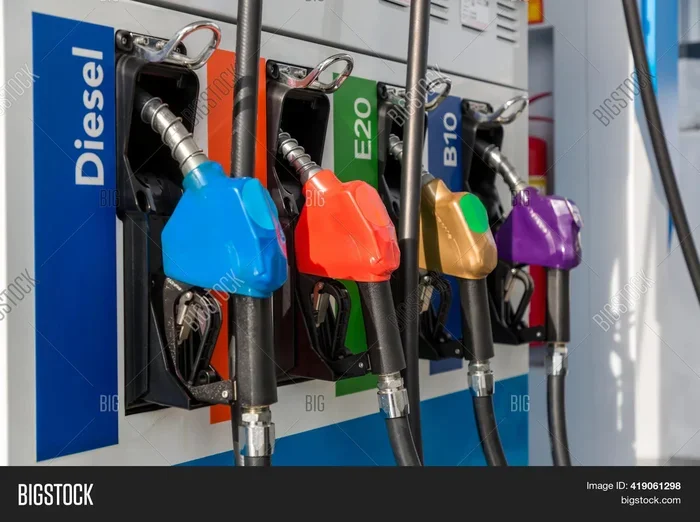
88 gas is becoming more common at fuel stations across the country. Also known as E15 or Unleaded 88, this fuel blend has 15% ethanol mixed with gasoline. It costs less than regular gas in many areas. But not every car can use it safely. In this article, we will break down everything you need to know about 88 octane fuel. We will cover compatibility, benefits, risks, and how to check if your car qualifies. Let us get into it.
What Exactly Is 88 Gas?
Before we answer the big question, let us understand what 88 gas actually is. The number 88 refers to the octane rating of the fuel. Octane measures how well fuel resists engine knocking or pinging during combustion. Regular gasoline has an octane rating of 87. Premium gas is usually 91 or 93. So 88 sits right in between.
But what makes 88 gas different is the ethanol content. E15 fuel contains 15% ethanol and 85% gasoline. Regular gas, which is E10, only has 10% ethanol. Ethanol is a renewable fuel made from corn and other plant materials. It burns cleaner in some ways but also has less energy than pure gasoline.
The U.S. Environmental Protection Agency approved E15 for use in most cars and light trucks made after 2001. The Renewable Fuel Standard program has helped push more ethanol blend fuels into the market. Today, you can find 88 gas at thousands of stations, especially in the Midwest and other farm-heavy regions.
Why Is 88 Gas Cheaper Than Regular Gas?
88 gas often costs less per gallon than regular 87 octane fuel. The reason comes down to taxes and subsidies. Ethanol is partially subsidized by the government because it is a renewable resource. This helps lower the pump price for consumers. In some states, you can save 10 to 25 cents per gallon by choosing E15 fuel over regular gasoline.
However, the price difference can vary. It depends on your location, the time of year, and market conditions. During summer months, E15 sales are sometimes restricted due to air quality regulations. So keep that in mind when you are planning your fill-up.
Can You Put 88 Gas in Any Car?
This is the most important section of the article. The short answer is no. 88 gas is not safe for every vehicle. While the EPA approves E15 for most cars made after 2001, there are important exceptions.
The Department of Energy and the Ethanol Promotion and Information Council have clear guidelines about which vehicles can use 88 octane fuel. Let us look at the details.
Vehicles That Can Safely Use 88 Gas
Most modern cars and light trucks can handle E15 fuel without any issues. Here are the general rules:
- Cars, trucks, and SUVs made after 2001 are generally approved for 88 gas.
- Flex-fuel vehicles (FFVs) can use any blend of gasoline and ethanol up to E85.
- Many 2012 and newer models come with warranties that explicitly cover E15 use.
- Most domestic and foreign brands including Ford, Chevrolet, Toyota, Honda, and others approve 88 gas for their newer models.
Automakers like General Motors, Ford, and several others have publicly stated their support for 88 gas in compatible vehicles. Always double-check with your specific make and model to be sure.
Vehicles That Should NOT Use 88 Gas
Now here is where things get tricky. Some vehicles should never use 88 octane fuel. Using the wrong fuel can lead to engine damage, voided warranties, and costly repairs.
- Cars made before 2001 were not designed for high ethanol blends. The ethanol content in E15 can damage older fuel systems, seals, and gaskets.
- Motorcycles and ATVs generally should not use 88 gas. The ethanol can corrode small engine parts.
- Boats and marine engines are especially vulnerable to ethanol damage. Always use ethanol-free or E10 fuel for boats.
- Small engines like lawnmowers, chainsaws, and generators should stick with regular 87 octane or ethanol-free fuel.
- Some luxury and high-performance cars may have specific fuel requirements that do not allow E15. Always consult the owner’s manual.
If you are unsure whether your vehicle qualifies, check the fuel door sticker or the vehicle manual. Many newer cars also have a yellow cap or symbol indicating E15 compatibility.
Benefits of Using 88 Gas in Your Car
For vehicles that are compatible, 88 gas offers several advantages. Let us explore why more drivers are making the switch.
1. Lower Fuel Costs
The most obvious benefit is the price savings. 88 octane fuel is almost always cheaper than regular 87 gas. Over time, these savings add up. If you drive 1,000 miles per month and save just 15 cents per gallon, you could save $50 or more per month on fuel costs.
2. Reduced Dependence on Foreign Oil
Ethanol is a domestically produced fuel. By using E15 fuel, you are helping reduce the country’s reliance on imported petroleum. This supports American farmers and the renewable fuel industry. It also contributes to a more stable energy future.
3. Lower Emissions
Ethanol burns cleaner than pure gasoline in many respects. E15 fuel produces fewer greenhouse gas emissions during combustion. The Renewable Fuel Standard program was created in part to reduce overall carbon emissions from the transportation sector.
4. Higher Octane for Performance
The octane rating of 88 means better resistance to engine knock. For some engines, especially those with higher compression ratios, 88 gas can provide smoother combustion. This can translate to a slight improvement in engine performance and fuel efficiency in certain vehicles.
Potential Drawbacks and Risks of 88 Gas
While 88 gas has its advantages, it is not perfect. There are some real drawbacks you should understand before filling up.
1. Lower Fuel Economy
Ethanol contains less energy per gallon than pure gasoline. This means that E15 fuel may reduce your fuel economy by 1 to 3 percent compared to regular 87 gas. You might need to fill up slightly more often, which can offset some of the cost savings.
2. Potential for Engine Damage in Older Cars
If you put 88 octane fuel in a car that is not compatible, the ethanol content can cause serious problems. Ethanol is a solvent that can degrade rubber seals, gaskets, and fuel lines in older engines. It can also absorb water, leading to phase separation and fuel system corrosion.
3. Limited Availability
Although 88 gas is growing in availability, it is still not as widely available as regular 87 or premium 93 fuel. If you travel frequently, you may not always find an E15 pump at every station. This can be inconvenient, especially on long road trips.
4. Warranty Concerns
Some automakers have specific guidelines about ethanol blend fuels. Using 88 gas in a vehicle that is not approved for it can void your manufacturer warranty. Always read the warranty terms and check with your dealer if you are unsure.
How to Know If Your Car Can Handle 88 Gas
This is the step that many drivers skip, and it is the most important one. Before you ever put 88 gas in your tank, you need to confirm compatibility.
Check Your Owner’s Manual
The vehicle manual is your best resource. Look for the fuel requirements section. It will tell you the recommended octane rating and whether E15 or E10 fuel is acceptable. If the manual says 87 octane is required, you can usually use 88 as well. But if it says 87 is the minimum, using a higher octane will not hurt but also will not help much.
Look at the Fuel Door or Fuel Cap
Many vehicles have a sticker or symbol on the fuel door or fuel cap that indicates approved fuel types. A yellow cap or a yellow ring around the filler neck often signals E10 or E15 compatibility. If you see a symbol that says E10 only, do not use 88 gas.
Visit the Manufacturer’s Website
If you cannot find the information in your manual, visit the automaker’s website. Most manufacturers have a fuel compatibility tool or a frequently asked questions page that addresses 88 gas and E15 fuel directly.
Ask Your Mechanic
When in doubt, ask a professional. A trusted mechanic who knows your vehicle can give you clear advice on whether 88 octane fuel is safe for your specific engine. This is especially important for older cars, modified vehicles, or cars with engine swaps.
Quick Tips Before Using 88 Gas
- Always confirm compatibility before your first use of 88 gas.
- Start with a small tank to see how your engine responds.
- Monitor your fuel economy and engine performance for any changes.
- Keep receipts and note the fuel type you used in case of any issues.
- Never mix E15 fuel with small engines, boats, or equipment not rated for it.
88 Gas vs Regular Gas vs Premium Gas: A Comparison
Let us put it all in perspective. Here is a simple comparison of the three most common fuel types you will find at the pump.
| Feature | Regular (87 Octane) | Mid-Grade (88 Octane / E15) | Premium (91-93 Octane) |
|---|---|---|---|
| Octane Rating | 87 | 88 | 91 to 93 |
| Ethanol Content | 10% (E10) | 15% (E15) | 0% to 10% |
| Typical Price | Standard | Lower | Higher |
| Fuel Economy | Baseline | Slightly Lower | Baseline or Slightly Higher |
| Best For | Most cars | Compatible modern vehicles | High-compression engines |
| Engine Knock Resistance | Good | Better | Best |
| Availability | Everywhere | Growing | Most stations |
As you can see, 88 gas falls in a unique position. It is cheaper than regular gas in many cases and offers better knock resistance. But the ethanol content is the main tradeoff. If your car is compatible, E15 fuel can be a smart choice. If it is not, stick with regular 87 or premium as recommended.
Expert Insights on 88 Gas
Automotive experts generally agree that 88 gas is a safe and cost-effective option for compatible vehicles. The American Coalition for Ethanol and various industry groups have conducted extensive testing on E15 fuel and its effects on modern engines.
Dr. Michael Wang from the Argonne National Laboratory has stated that E15 is a viable fuel for most modern vehicles. The key is matching the fuel to the engine design. Cars built after 2001 have fuel systems and engine components that can handle the ethanol content in 88 gas without issue.
However, some automotive technicians still recommend caution. They note that the long-term effects of E15 on certain fuel system components are still being studied. If you own a car with high mileage or an older engine, it may be worth sticking with regular unleaded to be safe.
What Do Mechanics Say About 88 Gas?
Most mechanics agree that 88 octane fuel is fine for vehicles that are rated for it. The biggest problem they see is drivers using E15 in incompatible vehicles. When that happens, the ethanol can damage fuel pumps, injectors, and rubber components over time.
If you are a car owner who has always used regular 87 gas and want to try 88 gas, most mechanics say it is safe to switch. Just monitor your engine for any unusual sounds, decreased performance, or warning lights.
The Future of 88 Gas
The Renewable Fuel Standard program continues to push for more ethanol in the fuel supply. As flex fuel technology improves and more cars are built with E15 compatibility, 88 gas is expected to become even more common. Some experts predict that E15 could become the new standard for regular fuel in the coming years.
Gas stations are already installing more E15 pumps to meet consumer demand. The lower price point is a major draw for budget-conscious drivers. As long as you use it in the right vehicle, 88 octane fuel is a practical and economical choice.
Common Mistakes People Make With 88 Gas
Let us talk about the mistakes that drivers make when it comes to 88 gas. Avoiding these pitfalls can save you headaches and money.
- Assuming all cars can use 88 gas. Not true. Always verify compatibility first.
- Using 88 gas in small engines. Lawnmowers, chainsaws, and generators are not designed for E15 fuel.
- Ignoring the fuel cap symbol. That yellow cap or sticker is there for a reason. Respect it.
- Switching fuels without monitoring. When you try a new fuel type, pay attention to how your car runs.
- Thinking higher octane always means better performance. Using 88 gas in a car that only needs 87 will not give you more power. It just wastes money.
- Not checking for seasonal restrictions. Some states limit E15 sales during summer months due to air quality rules.
Final Thoughts: Should You Use 88 Gas?
So, can you put 88 gas in your car? The answer depends on your vehicle, your driving habits, and your goals. For most modern cars made after 2001, E15 fuel is a safe and affordable option that can save you money at the pump.
However, if you own an older vehicle, a boat, a motorcycle, or any small engine equipment, 88 octane fuel is not the right choice. The ethanol content can cause real damage over time.
The best approach is simple. Check your owner’s manual. Look at your fuel door. Confirm compatibility. Then make an informed decision. If your car can handle it, 88 gas is a great way to save money and support domestic renewable fuel production.
Do not just grab the cheapest pump and hope for the best. Take a few minutes to understand what goes into your tank. Your car engine will thank you for it. And your wallet will too.
88 gas is here to stay. As more drivers discover the benefits of E15 fuel, it will only become more mainstream. The key is using it correctly and in the right vehicle. Now that you have all the facts, the decision is yours. Fill up wisely.
Frequently Asked Questions
What happens if I accidentally put 88 gas in a car that is not compatible?
Using 88 octane fuel in an incompatible vehicle can cause engine knocking, reduced performance, and potential damage to fuel system components over time. If this happens, try to use up the tank with regular 87 gas and then switch back to the correct fuel type. If you notice any issues, consult a mechanic right away.
Is 88 gas the same as E15 fuel?
Yes, 88 gas is another name for E15 fuel, which contains 15% ethanol and 85% gasoline. The number 88 refers to its octane rating, which is one point higher than regular 87 octane gasoline.
Will using 88 gas void my car warranty?
Using E15 fuel in a vehicle that is approved for it by the manufacturer will not void your warranty. However, using 88 gas in a vehicle that is not compatible can lead to warranty claims being denied if the fuel is determined to be the cause of damage.
Can I mix 88 gas with regular 87 gas?
Yes, mixing 88 gas with regular 87 gas is generally safe for compatible vehicles. The resulting blend will be somewhere between E10 and E15. However, it is best to stick with one fuel type for consistency and optimal engine performance.
Why is 88 gas not available everywhere?
The availability of 88 octane fuel is still growing. Some states have restrictions on E15 sales due to air quality regulations, especially during summer months. Additionally, not all gas stations have invested in the separate pumps and storage tanks needed for E15 fuel.
Does 88 gas improve engine performance?
88 gas can improve engine performance slightly in compatible vehicles due to its higher octane rating, which resists engine knock better. However, if your car only requires 87 octane, you will not notice a significant difference in power or responsiveness by using 88 gas instead.
=== CONCLUSION ===
Can I put 88 gas in my car? The answer is yes for most modern vehicles, but it requires a bit of homework first. 88 octane fuel offers real savings and environmental benefits when used correctly. Always verify your vehicle’s compatibility, read the owner’s manual, and consult the fuel door sticker. By taking these simple steps, you can confidently use E15 fuel and enjoy the benefits of a cheaper, cleaner-burning gasoline option. Drive safe, save smart, and fill up with confidence.