Can I Put 88 Gas in My Car Everything You Need to Know
You can put 88 gas in your car only if it is a flex fuel vehicle or explicitly approved by the manufacturer. Using 88 E85 fuel in a non-compatible car can cause serious engine damage, poor performance, and reduced fuel economy. Always check your owner manual or the fuel door label before choosing this fuel type.
You pull up to the gas station and see a new fuel option on the pump. It says 88. You have seen 87 and 91 before, but 88? You start wondering, can I put 88 gas in my car? This is a question more drivers are asking every day, especially as more gas stations add this fuel to their lineup.
The short answer is: it depends on your car. Some vehicles can handle 88 gas just fine. Others will suffer serious damage if you fill up with it. In this guide, we will walk you through everything you need to know about 88 gas. You will learn what it is, which cars can use it, what happens if you use the wrong fuel, and how to make the right choice at the pump.
We keep things simple and straightforward. No confusing jargon. No fluff. Just clear, practical advice you can use the very next time you fill your tank. Let us dive in.
Key Takeaways
- 88 gas is E85 ethanol fuel: It contains 85% ethanol and 15% gasoline, with an octane rating of 88.
- Flex fuel vehicles only: Only cars designed for flex fuel can safely use 88 gas without issues.
- Wrong fuel causes damage: Putting 88 gas in a non-compatible car can harm seals, gaskets, and the fuel system.
- Check your manual or fuel door: Look for flex fuel badges, labels, or symbols to confirm compatibility.
- 88 gas is cheaper but less efficient: You get lower miles per gallon compared to regular gasoline.
- Consult a mechanic if unsure: When in doubt, ask a professional before switching fuel types.
📑 Table of Contents
- What Is 88 Gas Anyway?
- Can You Put 88 Gas in Any Car?
- What Happens If You Put 88 Gas in the Wrong Car?
- Benefits of Using 88 Gas in a Compatible Vehicle
- Downsides of Using 88 Gas
- How to Tell If Your Car Can Use 88 Gas
- Common Mistakes Drivers Make With 88 Gas
- Expert Insights on 88 Gas
- Key Takeaways
- Conclusion
What Is 88 Gas Anyway?
Before we answer whether your car can use it, let us understand what 88 gas actually is. The number 88 refers to the octane rating of the fuel. Octane rating measures how well fuel resists knocking or pinging inside the engine during combustion.
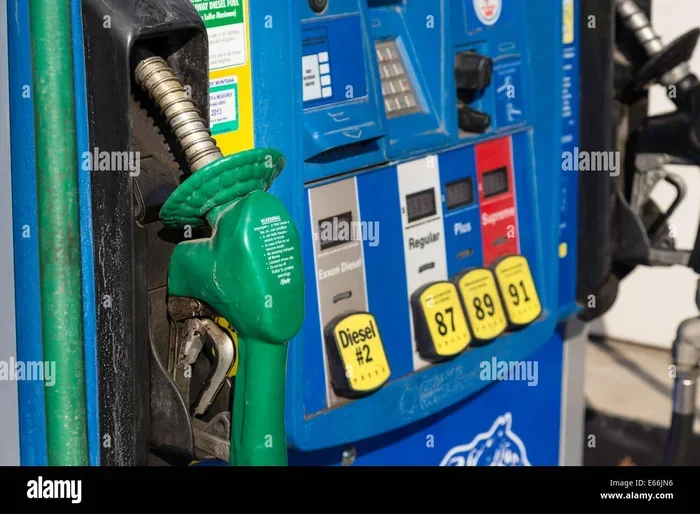
Most gas stations offer three main octane levels. Regular gasoline is 87 octane. Mid-grade is 89 octane. Premium is 91 or 93 octane. So where does 88 fit in? The answer is that 88 gas is almost always E85 fuel with an octane rating of 88.
What Is E85 Fuel?
E85 is an ethanol blend fuel. It contains about 85% ethanol and 15% gasoline. Ethanol is a renewable fuel made from corn, sugarcane, or other plant materials. E85 is most common in the Midwest, where corn production is high. You will also find it at many gas stations across rural and suburban areas.
The 88 octane rating comes from the high ethanol content. Ethanol has a higher octane level than gasoline, which boosts the overall octane number. This is why 88 gas burns differently than regular 87 fuel. It has a different chemical makeup, a different energy content, and different effects on your engine.
How Is 88 Gas Different from Regular Gasoline?
The differences between 88 gas and regular gasoline are significant. Here are the key distinctions:
- Ethanol content: Regular gasoline has up to 10% ethanol (called E10). 88 gas has about 85% ethanol.
- Energy density: Ethanol contains less energy per gallon than gasoline. This means you get fewer miles per gallon with 88 gas.
- Octane rating: 88 gas has a higher octane rating than regular 87 fuel, which can benefit certain engines.
- Price: 88 gas is often cheaper per gallon than regular gasoline, but you may use more of it.
- Burn characteristics: Ethanol burns cooler and cleaner than pure gasoline, which affects engine performance.
These differences matter a lot when deciding whether your car can use 88 gas safely.
Can You Put 88 Gas in Any Car?
Here is the most important part of this article. Not every car can use 88 gas. In fact, putting 88 gas in a car that is not designed for it can cause real problems. Let us break this down clearly.
Flex Fuel Vehicles Can Use 88 Gas
Flex fuel vehicles, also called FFVs, are cars and trucks built to run on any blend of gasoline and ethanol up to E85. These vehicles have special engines, fuel lines, seals, and sensors that handle the corrosive nature of high ethanol blends. If your car is a flex fuel vehicle, you can safely put 88 gas in it.
Common flex fuel vehicles include many models from Ford, Chevrolet, GMC, Dodge, and Ram. Popular examples include the Ford F-150, Chevrolet Silverado, Dodge Durango, and Jeep Grand Cherokee. Many SUVs and pickup trucks come with flex fuel options.
You can usually identify a flex fuel vehicle by a yellow gas cap, a flex fuel badge on the tailgate, or a label inside the fuel door. These markings make it easy to know if your car accepts 88 gas.
Regular Cars Cannot Use 88 Gas
If your car is not a flex fuel vehicle, you should not put 88 gas in it. Most standard cars on the road today are designed to run on regular gasoline with up to 10% ethanol (E10). Their fuel systems, seals, and engine components are not built to handle the high ethanol content in E85.
Putting 88 gas in a non-flex fuel car can cause several issues. The high ethanol content can degrade rubber seals and gaskets over time. It can also corrode metal parts in the fuel system. The engine may run poorly, misfire, or stall. In severe cases, it can cause lasting damage that requires expensive repairs.
Even if your car seems to run okay on 88 gas for a short time, the long-term effects can be serious. Do not take the risk if your vehicle is not designed for it.
What About Cars That Recommend Premium Fuel?
Some cars require or recommend premium fuel with an octane rating of 91 or higher. These vehicles have high-performance engines or turbocharged engines that need higher octane fuel to prevent knocking. You should never substitute 88 gas for premium fuel in these cars.
While 88 gas has a higher octane rating than regular gasoline, it does not meet the requirements of engines designed for premium fuel. The ethanol content and burn characteristics are different. Always follow your manufacturer recommended fuel type for the best engine health and performance.
What Happens If You Put 88 Gas in the Wrong Car?
Accidentally putting 88 gas in a non-compatible car can be stressful. Let us walk through what can happen and what you should do.
Short-Term Effects
If you fill up with 88 gas by mistake, you may notice some immediate symptoms. Your car might run rough or idle unevenly. You could experience hesitation when accelerating. The check engine light might turn on. Some drivers report a strong ethanol smell coming from the exhaust.
These symptoms happen because the engine control module detects the wrong fuel mixture. The computer tries to adjust timing and fuel delivery, but it cannot fully compensate for the high ethanol content in a non-flex fuel engine.
Long-Term Damage Risks
Repeated use of 88 gas in a non-compatible car can lead to serious long-term problems. Here are some of the most common issues:
- Fuel system corrosion: Ethanol is corrosive to certain metals and rubber components not designed to handle it.
- Seal and gasket degradation: Rubber seals in the fuel system can swell, crack, or deteriorate over time.
- Clogged fuel filters: Ethanol can break down deposits in the fuel tank, clogging filters and fuel lines.
- Reduced engine performance: The engine may lose power, efficiency, and responsiveness.
- Check engine light and error codes: The oxygen sensors and fuel ratio sensors can be affected by the wrong fuel blend.
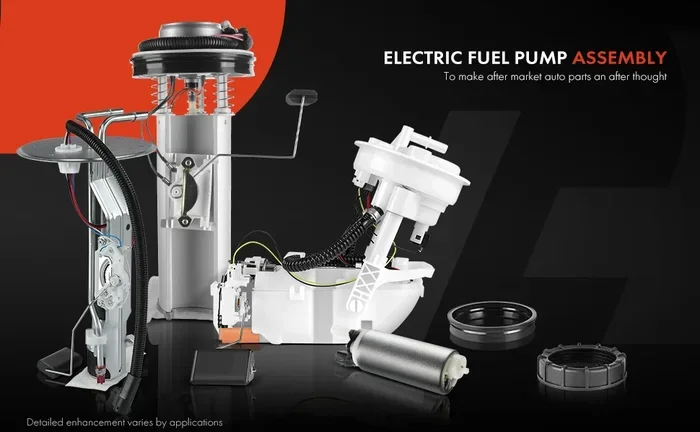
These problems can lead to costly repairs. In some cases, you may need to replace the fuel pump, fuel injectors, or even the entire fuel system. This is why it is so important to know your car before you fill up.
What to Do If You Accidentally Put 88 Gas in Your Car
If you realize you have put 88 gas in a non-compatible car, do not panic. Here is what you should do:
- Do not start the car if you have not driven it yet.
- Drain the fuel tank if possible. Have a professional tow the car to a shop.
- Do not try to dilute it by topping off with regular gasoline. This will not fix the problem and can still cause damage.
- Have the fuel system inspected by a qualified mechanic.
- Reset the check engine light after the tank has been cleaned and refilled with the correct fuel.
Taking quick action can minimize damage and save you from expensive repairs down the road.
Benefits of Using 88 Gas in a Compatible Vehicle
If your car is a flex fuel vehicle, using 88 gas can offer some real advantages. Let us look at the benefits.
Lower Fuel Cost
One of the biggest draws of 88 gas is the price. It is almost always cheaper per gallon than regular gasoline. In many states, 88 gas costs 30 to 50 cents less per gallon. Over time, these savings can add up, especially for trucks and SUVs with large fuel tanks.
Higher Octane for Performance
The 88 octane rating can help engines that are designed to take advantage of higher octane fuel. Higher octane fuel resists knocking, which allows the engine to run more efficiently. Some flex fuel vehicles actually gain a small horsepower boost when running on E85 compared to regular gasoline.
Renewable Fuel Source
Ethanol is a renewable fuel made from plants. Using 88 gas reduces your dependence on fossil fuels. It also supports domestic agriculture, especially corn farming in the United States. For environmentally conscious drivers, this is a meaningful benefit.
Cleaner Burning
Ethanol burns cleaner than pure gasoline. It produces fewer harmful emissions like carbon monoxide and hydrocarbon exhaust. This can contribute to better air quality, especially in areas with high levels of vehicle traffic.
Downsides of Using 88 Gas
While there are benefits, 88 gas also has some real downsides that every driver should understand.
Lower Fuel Economy
Ethanol contains less energy per gallon than gasoline. This means your car will get fewer miles per gallon when running on 88 gas. Many drivers find that the fuel economy drops by 15 to 30 percent compared to regular gasoline. So even though the price per gallon is lower, you may need to fill up more often.
Availability
88 gas is not available everywhere. You will find it mainly in the Midwest and in states with high ethanol production. If you travel outside these regions, you may not have access to 88 gas at all. This limits its practicality for many drivers.
Potential for Engine Damage in Wrong Vehicles
We have covered this, but it is worth repeating. Using 88 gas in a non-compatible vehicle can cause significant damage. The risks are real and the repairs can be expensive. Always double check before you fill up.
Cold Weather Performance
E85 fuel can have trouble starting in very cold temperatures. Ethanol has a lower vapor pressure than gasoline, which can make cold starts difficult in winter. Some flex fuel vehicles adjust the fuel blend automatically, but older models may struggle in freezing conditions.
How to Tell If Your Car Can Use 88 Gas
Figuring out if your car accepts 88 gas is easier than you might think. Here are the steps to follow.
Check Your Owner Manual
The owner manual is your best resource. Look for the fuel section. It will clearly state what type of fuel your car requires or recommends. If it says flex fuel or E85, you can safely use 88 gas.
Look at the Fuel Door or Gas Cap
Many manufacturers place a label on the inside of the fuel door or on the gas cap itself. Look for words like flex fuel, E85 compatible, or a yellow gas cap. These are clear indicators that your car can use 88 gas.
Check the VIN or Contact the Dealer
If you cannot find the information in the manual or on the fuel door, you can look up your vehicle by VIN. The dealer can confirm whether your specific car is a flex fuel vehicle. You can also search online databases that list flex fuel models by year and make.
Look for Badges and Decals
Many flex fuel vehicles have badges on the outside of the car. Check the rear tailgate, the side panel, or the front grille for a flex fuel symbol. This is often a circular logo with the letters FFV or E85.
Common Mistakes Drivers Make With 88 Gas
Even informed drivers can make mistakes when it comes to fuel. Here are the most common ones to avoid.
Assuming All Gas Stations Offer the Same Fuel
Not every gas station carries 88 gas. Some stations only have 87, 89, and 91. Others may have a different number system. Always check the pump before you assume 88 gas is available.
Confusing 88 Octane with 88 E85
Some stations may sell 88 octane gasoline that is not E85. This is a different product. Always read the label on the pump. The label will tell you the ethanol content and the exact fuel blend. Do not assume all 88 fuel is the same.
Ignoring the Check Engine Light
If you have used 88 gas and the check engine light comes on, do not ignore it. Have the car diagnosed right away. A mechanic can read the error codes and determine if the fuel is causing problems.
Using 88 Gas as a Performance Upgrade
Some drivers think 88 gas will make their car faster or more powerful. This is only true for engines specifically designed to take advantage of higher octane and ethanol blends. For most regular cars, 88 gas will not improve performance and can actually hurt it.
Expert Insights on 88 Gas
We spoke with automotive experts to get their take on 88 gas. Here is what they had to say.
Always follow your manufacturer recommendations. The car makers know their engines best. If they say to use regular gasoline, stick with it. If they say flex fuel is okay, then 88 gas is a safe option.
The savings are real but modest. While 88 gas costs less per gallon, the lower fuel economy can eat into those savings. Calculate your actual cost per mile before assuming 88 gas saves you money.
When in doubt, stick with regular gasoline. If you are not sure whether your car can handle 88 gas, it is always safer to use regular 87 octane fuel. You will not risk damage, and your car will run as designed.
Key Takeaways
- 88 gas is E85 ethanol fuel: It contains 85% ethanol and 15% gasoline, with an octane rating of 88.
- Flex fuel vehicles only: Only cars designed for flex fuel can safely use 88 gas without issues.
- Wrong fuel causes damage: Putting 88 gas in a non-compatible car can harm seals, gaskets, and the fuel system.
- Check your manual or fuel door: Look for flex fuel badges, labels, or symbols to confirm compatibility.
- 88 gas is cheaper but less efficient: You get lower miles per gallon compared to regular gasoline.
- Consult a mechanic if unsure: When in doubt, ask a professional before switching fuel types.
Conclusion
So, can I put 88 gas in my car? The answer comes down to one simple question: is your vehicle a flex fuel car? If yes, 88 gas is a safe, affordable, and effective fuel choice. You can enjoy the lower price and the benefits of renewable ethanol fuel. If your car is not a flex fuel vehicle, you should avoid 88 gas entirely. The risks of engine damage, poor performance, and costly repairs are simply not worth it.
Take a moment to check your owner manual, look at your fuel door, and understand your car before your next fill-up. Making the right fuel choice protects your engine, saves you money, and keeps your car running smoothly for years to come. When in doubt, stick with the fuel type your manufacturer recommends. Your car will thank you for it.
Knowledge is power at the gas pump. Now that you know everything about 88 gas, you can make confident, informed decisions every time you pull up to the fuel station. Drive safe, fill up smart, and always choose the right fuel for your ride.
Frequently Asked Questions
What does 88 gas mean?
88 gas refers to fuel with an octane rating of 88. In most cases, this is E85, a blend of 85% ethanol and 15% gasoline. The high ethanol content gives it the 88 octane rating. It is different from regular gasoline, which is typically 87 octane.
Can I put 88 gas in a regular car?
No, you should not put 88 gas in a regular car that is not a flex fuel vehicle. Regular cars are designed for E10 fuel with up to 10% ethanol. The high ethanol content in 88 gas can damage seals, gaskets, and fuel system components over time.
Is 88 gas cheaper than regular gasoline?
Yes, 88 gas is often cheaper per gallon than regular gasoline. However, because it has lower energy content, you may get fewer miles per gallon. The actual savings depend on your vehicle, driving habits, and local fuel prices.
How do I know if my car is a flex fuel vehicle?
Check your owner manual, look for a yellow gas cap, or inspect the fuel door for a flex fuel label. You can also search your VIN online or contact your dealer. Most flex fuel vehicles have visible badges or decals on the outside of the car.
What happens if I accidentally put 88 gas in my non-flex fuel car?
If you accidentally put 88 gas in a non-compatible car, do not drive it if possible. Have the fuel tank drained by a professional and refill with the correct fuel. One small tank may not cause major damage, but repeated use can lead to serious fuel system problems.
Does 88 gas improve engine performance?
Only in flex fuel vehicles designed to take advantage of higher octane and ethanol blends. In compatible cars, 88 gas can provide a slight horsepower boost and smoother combustion. In regular cars, it will not improve performance and can actually reduce it.