Top Harley V-Rod Problems: Common Issues Explained
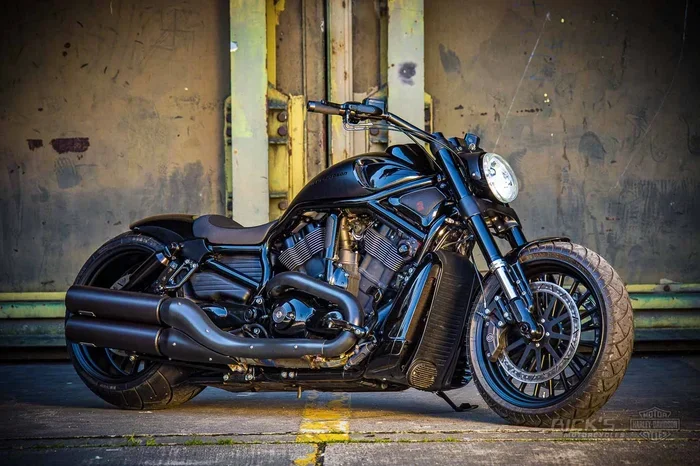
Harley V-Rod Problems can turn a thrilling ride into a headache if ignored. This guide breaks down the most frequent V-Rod issues, from overheating and transmission slips to rod bearing failures. You’ll learn the warning signs, common causes, and simple fixes that save you time and money.
The Harley V-Rod is a bold, powerful machine. It turns heads and delivers thrilling rides. But Harley V-Rod Problems can quickly turn excitement into frustration. Many riders face issues like overheating, slipping gears, and strange noises. These problems often come from wear or missed maintenance. Understanding the common causes helps you fix them early. It also saves you money and keeps you safe on the road.
Whether you own a 2002 or a 2017 model, V-Rod issues can pop up. The Revolution X engine is unique. It has a tight design that can trap heat. The transmission and clutch take a lot of abuse. Electrical parts like the stator can fail without warning. This guide covers the most frequent V-Rod issues you might face. You’ll learn the warning signs, what causes them, and how to fix them.
Key Takeaways
- Overheating is the #1 enemy: Check coolant and airflow before every ride.
- Transmission slipping often points to clutch wear: Replace plates and fluid regularly.
- Rod bearing failure can be prevented: Stick to a strict oil change schedule.
- Electrical gremlins like stator issues are common but fixable: Use a multimeter to diagnose.
- Quick Tips and Common Mistakes sections help you avoid costly repairs: Follow the simple habits listed.
- Regular maintenance is your best defense: A little attention goes a long way.
📑 Table of Contents
Why Harley V-Rod Problems Happen
The V-Rod’s engine layout is different from typical Harleys. It uses a liquid-cooled Revolution X V-Twin. The cylinders are angled at 60 degrees. This design fits a lot of power into a small space. But it also creates hot spots. Airflow can get blocked. Coolant passages are tight. That leads to overheating if you are not careful.
The Revolution X Engine Design
The Revolution X engine is compact. The connecting rods are short. The piston speed is high. This means more friction and heat. The oil system also runs hot. If you ride in traffic or on hot days, the engine can struggle. Many riders report V-Rod overheating after long highway trips. The cooling fan works hard but may not be enough.
Wear Items That Need Attention
Some parts wear out faster on the V-Rod. The clutch plates are small. They can slip under heavy load. The transmission gears can chip if you shift wrong. The rod bearings take a lot of stress. Regular inspections help. You should check the oil filter and coolant hoses often. These simple steps prevent many common V-Rod issues.
Overheating and Cooling System Failures
Overheating is the top complaint among V-Rod owners. The engine runs hot by design. But when temperatures spike, damage follows. You might see steam from the radiator. The temperature gauge may hit the red zone. Ignoring these signs can warp the cylinder head. It can also crack the engine block.
Signs Your V-Rod Is Overheating
- Temperature gauge reads above 220°F.
- Steam or coolant vapor from the radiator cap.
- Loss of power or idle surge.
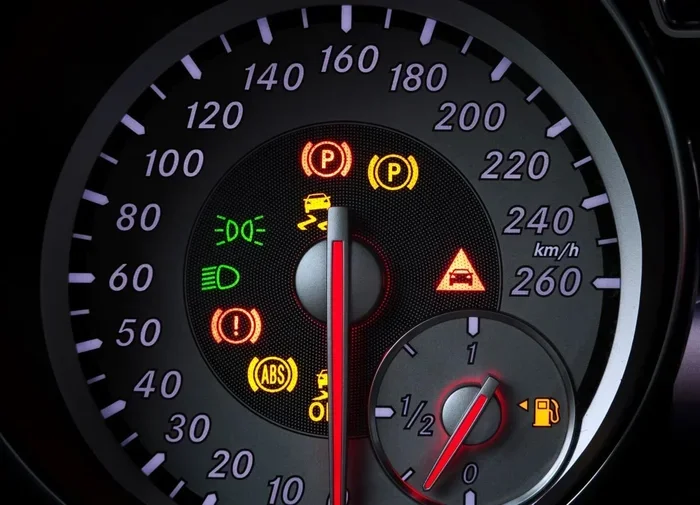
- Coolant warning light on the dash.
- Strange smell from the engine bay.
If you notice these signs, pull over safely. Let the engine cool down. Check the coolant level. Top it up with the correct mix. Do not open the radiator cap when hot. You could burn yourself.
Quick Tips to Prevent Overheating
Follow these simple steps to keep your V-Rod cool:
- Check coolant level before every ride.
- Flush the coolant system every two years.
- Clean the radiator fins of bugs and debris.
- Ensure the cooling fan turns on at the right temperature.
- Avoid prolonged idling in traffic on hot days.
Common Mistakes That Make Overheating Worse
Riders often make habits that worsen heat problems. Here are a few to avoid:
- Ignoring the temperature gauge – it exists to warn you.
- Using the wrong coolant mix – it reduces boiling point.
- Blocking airflow with luggage or windshields.
- Skipping radiator flushes – old coolant loses effectiveness.
- Riding with a low coolant level – even a little drop matters.
These mistakes turn a small heat issue into a major engine failure. Stay mindful and keep your cooling system in top shape.
Common V-Rod Overheating Causes and Fixes
Here is a quick comparison table to help you diagnose the problem:
| Cause | Symptom | Fix |
|---|---|---|
| Low coolant | Rising temp gauge | Top up coolant and find the leak |
| Clogged radiator | Overheating at idle | Flush or replace radiator |
| Faulty thermostat | No heat transfer | Replace thermostat |
| Cooling fan failure | Overheats at low speed | Check fan relay and wiring |
| Water pump leak | Coolant puddle under bike | Replace water pump |
Use this table to narrow down the issue. Start with the simplest fix. Often it is just a low coolant level. A stuck thermostat is another common culprit. Replacing it costs very little. But if the water pump fails, you need a mechanic.
Transmission and Clutch Issues
The V-Rod uses a dog-ring transmission. It is strong but can develop issues over time. Many riders report transmission slipping or clutch chatter. These problems make shifting rough. They can also leave you stranded.
Slipping Gears and Clutch Chatter
Clutch slip happens when the clutch plates wear out. You feel the engine rev up but the bike does not accelerate. Clutch chatter is a shudder when you release the lever. It feels like the bike is bouncing. Both issues need attention. Ignoring them can damage the gearbox.
Common causes include:
- Worn clutch friction plates
- Contaminated engine oil
- Incorrect clutch cable adjustment
- Worn dog rings in the transmission
Common Mistakes That Accelerate Wear
Riders often make habits that hurt the transmission. Here are a few to avoid:
- Riding the clutch – keeping partial lever pressure wears the plates fast.
- Shifting without using the clutch – this grinds the gears.
- Neglecting oil changes – dirty oil lacks lubrication.
- Overloading the bike – extra weight stresses the clutch.
Change your oil every 3,000 miles. Use the recommended Harley-Davidson transmission fluid. Check the clutch cable free play regularly. These simple steps extend the life of your drivetrain.
Oil Leaks and Lubrication Concerns
Oil leaks are a frequent headache for V-Rod owners. The engine has many seals and gaskets. Over time, they can harden and crack. You might see oil drips on the garage floor. Or you may notice a low oil level after a ride. Leaks can also come from the transmission shift drum.
Where Leaks Typically Start
Most leaks start in these areas:
- Valve cover gaskets – especially the front cover.
- Oil pump seal – a common failure point.
- Transmission input shaft seal.
- Drain plug washer – often overtightened or stripped.
- Coolant oil cooler lines – they can crack with age.
Inspect your bike regularly. Look for fresh oil around these spots. A small drip today can become a big mess tomorrow. It can also lead to low oil pressure and engine damage.
Expert Insight on Oil Change Frequency
Many riders ask how often to change the oil. For the V-Rod, I recommend every 3,000 miles or once a year. Use a high-quality synthetic oil. It handles heat better. It also protects the rod bearings. Change the oil filter with every change. This simple habit prevents rod bearing failure and keeps the engine clean.
Electrical Gremlins and Sensor Faults
Modern V-Rods have lots of electronics. The stator, regulator, and sensors keep the bike running. But they can fail. Electrical problems are often hard to diagnose. A dead battery, flickering lights, or a no-start condition can point to many things.
Stator and Regulator/Rectifier Failures
The stator generates power for the lights and battery. It sits in a hot, oily environment. That makes it prone to failure. A bad stator causes dim lights or a dead battery. The regulator/rectifier converts AC to DC. It can also burn out. You may see burning smells or melted connectors.
Quick Tips:
- Check the battery voltage with a multimeter. It should read 13.5–14.5 volts while running.
- Inspect the stator connector for corrosion or melt marks.
- Replace the regulator/rectifier as a set if you suspect it.
Common Mistakes with Electrical Repairs
Avoid these pitfalls when dealing with electrical issues:
- Guessing instead of testing – always use a multimeter.
- Ignoring corroded connectors – they cause intermittent faults.
- Using the wrong replacement part – match the exact specs.
- Neglecting ground wire connections – a bad ground causes many gremlins.
Take your time and follow the wiring diagrams. A careful diagnosis saves you money and prevents repeat failures.
Throttle Body and Idle Control Problems
The throttle body controls air intake. Carbon buildup can make it stick. This causes an idle surge or rough idle. The bike may hunt for RPMs at a stoplight. Cleaning the throttle body with a proper cleaner often fixes this. You should do this every 10,000 miles. It keeps the idle smooth and prevents power loss.
Rod Bearing and Bottom End Failures
The rod bearing is a critical part. It connects the piston to the crankshaft. When it fails, the engine can seize. This is one of the most serious Harley V-Rod Problems. But it is also preventable with proper care.
Symptoms of a Failing Rod Bearing
Watch for these warning signs:
- A knocking or clattering sound from the engine.
- Low oil pressure warning light.
- Engine running rough or losing power.
- Metal particles in the oil during a change.
- Sudden seizure after a long ride.
If you hear a knock, do not keep riding. Shut it down and check the oil. A rod bearing failure can destroy the entire engine. Repair costs are very high. Prevention is much cheaper.
Key Takeaways for Engine Longevity
Here are the main points to remember for a long-lasting engine:
- Change oil regularly: Every 3,000 miles with quality synthetic oil.
- Monitor oil pressure: A low-pressure reading is a red flag.
- Avoid extended hot idling: It stresses the bearings.
- Check coolant levels: Overheating accelerates bearing wear.
- Listen for unusual noises: A knock is never normal.
Following these steps greatly reduces the risk of bottom end failure. Your V-Rod will reward you with years of reliable performance.
Conclusion
Harley V-Rod Problems are manageable when you know what to look for. Overheating, transmission slips, oil leaks, electrical faults, and rod bearing issues are the big ones. Each has clear warning signs. Each has a fix. The key is to catch problems early. Regular maintenance is your best defense. Check your coolant, change your oil, and listen to your bike. A little attention goes a long way. Keep your V-Rod running strong and enjoy every mile.
Frequently Asked Questions
How do I know if my V-Rod is overheating?
Watch for a rising temperature gauge, steam from the radiator, or a loss of power. These signs mean the cooling system is struggling. Check the coolant level and inspect for leaks immediately.
What causes a Harley V-Rod transmission to slip?
Worn clutch plates, contaminated oil, or incorrect cable adjustment are the main culprits. Slipping often happens when the friction material is thin. Replacing the clutch plates and fluid usually solves the problem.
How much does it cost to replace a rod bearing on a V-Rod?
Rod bearing replacement can range from $1,500 to $3,000 or more. The cost depends on the damage and labor rates. Regular oil changes are the cheapest way to avoid this expense.
What are the signs of a failing stator?
Dim headlights, a dead battery, or flickering lights often point to a bad stator. The bike may run fine at first but lose electrical power. A multimeter test can confirm the diagnosis.
Can I prevent oil leaks on my V-Rod?
Yes, regular inspections and timely gasket replacements help. Use quality seals and avoid over-tightening drain plugs. Keeping the engine clean also makes leaks easier to spot early.
Is the Harley V-Rod a reliable motorcycle?
The V-Rod can be very reliable with proper maintenance. It needs consistent oil changes and cooling system care. Many riders log high miles with few issues when they stay on top of service.