Can You Sell a Car With a Bonded Title Here Is the Answer
Yes, you can sell a car with a bonded title. A bonded title is a legal document that proves ownership when the original title is missing or unavailable. While the car sale process requires a few extra steps compared to a clean title, thousands of bonded title vehicles sell successfully every year. Understanding the surety bond requirements and state-specific rules will help you complete the transaction smoothly and confidently.
Selling a car is stressful enough on its own. Now imagine trying to sell it when the title situation is less than perfect. A bonded title adds a layer of complexity that many sellers do not expect. But here is the truth: you can absolutely sell a car with a bonded title. It might not be as simple as handing over a clean title and collecting a check, but it is very much possible. Every year, thousands of people sell vehicles with bonded titles across the United States. The key is knowing the right steps, understanding the requirements, and being transparent with your buyer.
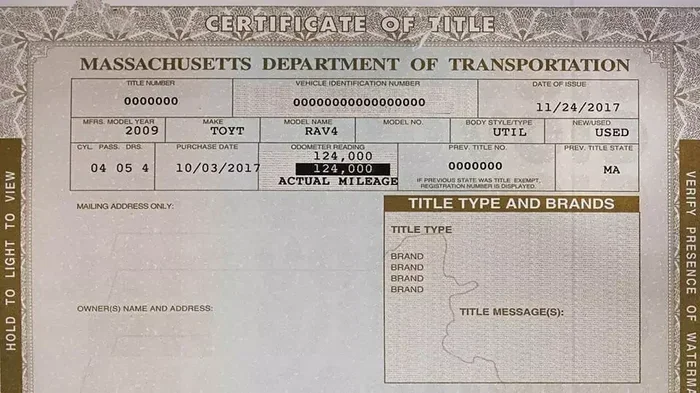
A bonded title is a vehicle title that the state issues when the original title is unavailable. Maybe you lost it. Maybe it was never properly transferred to you. Perhaps the previous owner disappeared without signing it over. Whatever the reason, a bonded title serves as legal proof of ownership. It includes a surety bond that protects the state and any future buyers from ownership disputes. This bond typically ranges from 1.5 to 2 times the vehicle value, depending on your state. The bond remains in effect for a set period, usually three to five years, after which you can apply for a clean title.
If you are reading this, chances are you are wondering about the car sale process with a bonded title. You might be asking yourself, “Can I really sell this car? Will buyers even look at it?” The answer to both questions is yes. Many buyers understand bonded titles and are willing to purchase these vehicles. The market for bonded title cars exists, and with the right approach, you can find a buyer and complete the sale without major headaches. This article will show you exactly how.
Key Takeaways
- You can sell a car with a bonded title: It is legal and common across all 50 states, though the process requires extra paperwork.
- A bonded title proves ownership: It is issued by the DMV when the original certificate of title is lost, stolen, or never received.
- The surety bond protects buyers: It acts as a financial guarantee that no other party has a claim on the vehicle.
- The sale process is similar to a clean title sale: You still need a bill of sale, VIN verification, and proper transfer paperwork.
- Be upfront with buyers: Transparency about the bonded title status builds trust and speeds up the sale.
- State bonding requirements vary: Each state has different bond amounts, processing times, and fees.
- Patience and preparation are key: Having all documents ready and pricing the car fairly will lead to a successful sale.
📑 Table of Contents
- What Is a Bonded Title and Why Do People Get One?
- Can You Sell a Car With a Bonded Title?
- Step-by-Step: How to Sell a Car With a Bonded Title
- Bonded Title vs Clean Title: What Is the Difference?
- Common Challenges When Selling a Car With a Bonded Title
- Expert Tips for a Smooth Bonded Title Sale
- Frequently Asked Questions About Selling Cars With Bonded Titles
- Conclusion
What Is a Bonded Title and Why Do People Get One?
Understanding the Bonded Title Process
A bonded title is a certificate of title that comes with a surety bond attached. The bond serves as a safety net. If someone comes forward and claims they are the true owner of the vehicle, the bond provides financial protection. The bonding company pays out the claim, and then they pursue reimbursement from the bonded title holder.
People get bonded titles for several reasons. The most common is a lost or stolen title. Maybe the original owner never applied for a duplicate. Perhaps the title was damaged in an accident or flood. In some cases, a vehicle was purchased years ago and the previous owner simply never signed the title over. A bonded title solves all of these problems. It allows the current possessor to establish legal ownership through the state’s DMV bonded title process.
How Title Bonding Works
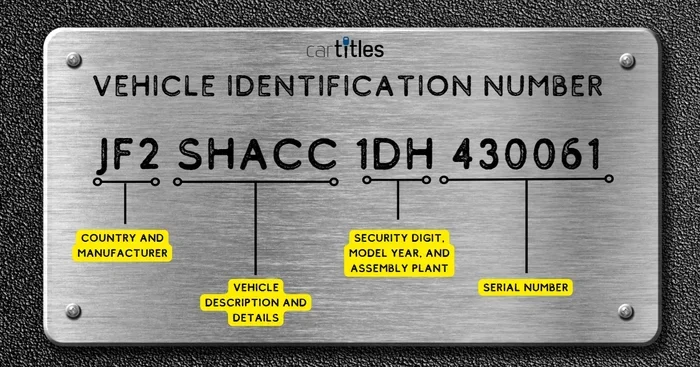
The title bonding process starts with your local Department of Motor Vehicles. You will need to provide proof of ownership. This can include a bill of sale, registration records, or a lien release. The DMV will verify your identity and the vehicle details, including the vehicle identification number (VIN). Once verified, you apply for a bonded title through a bonding company.
The bonding company issues a surety bond for a fee. This fee is typically a small percentage of the bond amount, usually between $50 and $200 depending on the state and vehicle value. The bond is then attached to the title. The bonded title is issued, and you become the legal owner of record. From that point, you can register the vehicle, get insurance, and yes, sell it.
Can You Sell a Car With a Bonded Title?
The Short Answer: Yes
Can you sell a car with a bonded title? The short answer is absolutely yes. A bonded title is a legally recognized document of ownership. It carries the same weight as a clean title in most transactions. You are the registered owner of the vehicle, and you have the legal right to sell it. The bonded title proves this to the buyer and the state.
However, the sale process is not identical to selling a car with a clean title. You will need to provide additional documentation. The buyer may have questions about the bond. And some buyers might hesitate because a bonded title signals a less-than-perfect title history. But none of these factors make the sale impossible. They just mean you need to be prepared and informed.
Why Buyers Accept Bonded Titles
Many buyers understand bonded titles. These buyers include people who purchase vehicles for parts, restoration projects, or daily drivers on a tight budget. They know that a bonded title is a legitimate form of ownership. They also understand that once the bond period ends, they can apply for a clean title themselves.
Some buyers might even prefer a bonded title vehicle because the price is often lower. A bonded title car typically sells for less than a comparable vehicle with a clean title. This price difference can attract budget-conscious buyers who see value in the lower price point. As a seller, this means you might need to adjust your car resale value expectations, but you will still find willing buyers.
Legal Considerations for Selling a Bonded Title Vehicle
When you sell a car with a bonded title, you are entering a legal transaction. Both you and the buyer have responsibilities. You must disclose the bonded title status. You must provide accurate information about the vehicle’s condition and history. The buyer will need to complete the title transfer with the state DMV.
Most states require a bill of sale for any vehicle transfer, bonded title or not. The bill of sale should include the purchase price, buyer and seller information, vehicle details, and the VIN. Some states also require an odometer disclosure. Check your local DMV requirements before the sale to make sure you have everything in order.
Step-by-Step: How to Sell a Car With a Bonded Title
Step 1: Gather All Your Documents
Before you list the car for sale, gather every document you have. This includes the bonded title itself, the bill of sale from when you acquired the vehicle, any registration records, and proof of insurance. Having these documents ready shows buyers you are serious and organized.
Also collect any maintenance records or service history you can find. While not legally required, these records add value and build buyer confidence. A well-documented bonded title car sells faster than one with no paperwork at all.
Step 2: Get a VIN Inspection
Many states require a VIN inspection before a title transfer. This is especially common for vehicles with bonded titles. The inspection verifies that the VIN on the vehicle matches the VIN on the title. It also confirms the vehicle has not been reported stolen.
You can get a VIN inspection at your local DMV, a state patrol office, or some auto parts stores. The cost is usually between $10 and $50. Have this done before you find a buyer so you are ready to close the deal quickly.
Step 3: Price the Vehicle Fairly
Pricing a bonded title car requires some research. Look at similar vehicles in your area with clean titles. Then adjust your price downward to account for the bonded title status. A reasonable discount is typically 10 to 25 percent below clean-title market value.
Use online tools like Kelley Blue Book or Edmunds to get baseline value estimates. Factor in the vehicle’s condition, mileage, and any recent repairs. Being realistic about pricing will attract serious buyers and reduce the time your car sits on the market.
Step 4: List the Vehicle and Find a Buyer
List your car on popular platforms like Craigslist, Facebook Marketplace, or Autotrader. In your listing, be upfront about the bonded title. Use clear language like “vehicle comes with bonded title” or “bonded title car, clean and running.” Transparency here goes a long way.
When buyers contact you, answer their questions honestly. Many buyers are wary of bonded titles because they do not understand them. Educate them gently. Explain that a bonded title is a legitimate form of ownership and that the bond protects everyone involved. This approach builds trust and moves the conversation toward a sale.
Step 5: Complete the Sale and Transfer Paperwork
Once you have a buyer, complete the sale. Both parties should sign the bonded title and the bill of sale. Make sure all information is accurate. The buyer will take these documents to their local DMV to complete the title transfer and register the vehicle.
Keep a copy of everything for your records. This includes the bill of sale, the signed title, and any communication with the buyer. In most states, the bonded title bond transfers with the vehicle to the new owner. The bond period continues from the original issue date, not the sale date.
Bonded Title vs Clean Title: What Is the Difference?
Clean Title Explained
A clean title is the standard vehicle title issued by the state. It shows the current owner’s name and the vehicle details. A clean title means there are no brands, liens, or special notations on the title. It is the gold standard for vehicle ownership and resale.
Buyers prefer clean titles because they signal a clear ownership history. There are no questions about who owns the vehicle or whether there are outstanding claims. A clean title makes the car ownership transfer process straightforward and fast.
Bonded Title Explained
A bonded title is similar to a clean title but with an added layer of protection. The surety bond attached to the title provides financial coverage if a ownership dispute arises. The bond remains active for the state-specified period, typically three to five years.
The key difference is the bond itself. A clean title has no bond. A bonded title does. Once the bond period expires without any claims, you can apply to have the bond released and the title converted to a clean title. This conversion process is usually straightforward and involves a simple application to the DMV.
How This Affects the Sale
The difference between a bonded title and a clean title affects the sale in several ways. Clean title vehicles sell faster and typically at higher prices. Bonded title vehicles may take longer to sell and often require a price adjustment. However, both types of titles are legally valid for vehicle sales.
The clean title vs bonded title comparison matters most in the buyer’s perception. Educate your potential buyers about the bonded title process. Once they understand it, many are perfectly comfortable proceeding with the purchase.
Common Challenges When Selling a Car With a Bonded Title
Buyer Hesitation and Misunderstanding
The biggest challenge you will face is buyer hesitation. Many people do not understand what a bonded title is. They may confuse it with a salvage title or assume the vehicle has hidden problems. This misunderstanding can scare off potential buyers who might otherwise be interested.
Combat this by being proactive in your listings and conversations. Explain what a bonded title is in simple terms. Use analogies if needed. For example, you might say, “Think of the bond like an insurance policy that protects both of us.” Clear, simple explanations go a long way toward building buyer confidence.
Lower Resale Value
A bonded title almost always means a lower resale value. Buyers factor in the risk and inconvenience of the bond period when making an offer. Expect to price your vehicle 10 to 25 percent below comparable clean-title vehicles.
This can be frustrating, especially if you invested time and money maintaining the vehicle. But it is the reality of the bonded title car market. The good news is that once the bond period ends and you convert to a clean title, the vehicle’s value will increase. If you are not in a rush to sell, you might consider waiting until after the bond period ends.
State-Specific Requirements
Every state has its own rules for bonded titles and vehicle sales. Some states have strict bonding requirements. Others are more lenient. The bond amount, processing time, and required documentation vary widely.
Before you sell, research your state’s specific requirements. Contact your local DMV or visit their website. Look for information about state bonding requirements for bonded title transfers. Being prepared for these state-specific rules will prevent surprises during the sale.
Title Branding and History Reports
Some states brand bonded titles with a special notation. This brand shows up on vehicle history reports from services like Carfax or AutoCheck. Buyers who run these reports will see the bonded title status.
This is not necessarily a bad thing. Many buyers check history reports before purchasing anyway. If the vehicle has a clean history otherwise, the bonded title brand is just a footnote. Be prepared to explain it and provide context.
Expert Tips for a Smooth Bonded Title Sale
Get a Pre-Sale Inspection
Consider getting a professional inspection before listing the car. A clean inspection report shows buyers that the vehicle is in good mechanical condition. This is especially important for bonded title cars because buyers may already have concerns about the title. A clean inspection report can offset those concerns.
Spend around $100 to $200 on a thorough inspection from a trusted mechanic. Include the inspection report in your listing. This small investment can pay off big in buyer confidence and a faster sale.
Price Competitively and Be Ready to Negotiate
Bonded title cars attract bargain hunters. Price your vehicle competitively based on market research, and be prepared to negotiate. Know your minimum acceptable price before you start listing. This gives you a clear boundary while still allowing room for negotiation.
Remember that the car buying tips that work for clean title vehicles also apply here. Be responsive to inquiries. Answer questions promptly. Make it easy for buyers to schedule viewings and test drives. The smoother the process, the more likely you are to close the deal.
Use a Secure Payment Method
When it comes time to collect payment, use a secure method. Certified cashier’s checks or electronic bank transfers are the safest options. Avoid personal checks from unknown buyers, and never accept wire transfers from people you have not verified.
Meet the buyer at their bank if possible. This ensures the funds are verified before you hand over the title. A secure payment process protects both you and the buyer and helps the transaction go smoothly.
Consider Selling to a Dealer
If private selling feels too complicated, consider selling to a dealer. Many dealers buy bonded title vehicles, especially for their wholesale lots. The process is faster and requires less paperwork from you.
The trade-off is that dealers will offer a lower price. They need to make a profit too. But if convenience and speed are your priorities, selling to a dealer is a solid option. You can also check if your local dealer has a car dealer licensing program that allows them to handle bonded title transfers easily.
Frequently Asked Questions About Selling Cars With Bonded Titles
Is a bonded title the same as a salvage title?
No, a bonded title and a salvage title are different things. A salvage title is issued when a vehicle has been declared a total loss by an insurance company. A bonded title is issued when the original title is missing and a surety bond is used to establish ownership. A salvage title vehicle has a history of significant damage, while a bonded title vehicle may be perfectly fine mechanically.
How long does a bonded title last before it becomes a clean title?
The bond period varies by state but typically lasts three to five years. During this time, if no one files a claim against the bond, you can apply to have the bond released. Once the bond is released, the state issues a clean title in your name. Check with your local DMV for the exact timeline in your state.
Can I sell a bonded title car to a dealer?
Yes, you can sell a bonded title car to a dealer. Many dealers regularly purchase vehicles with bonded titles for their lots. The dealer will handle the title transfer and registration paperwork. However, expect the dealer to offer a lower price than you might get from a private sale, as they need to account for their own costs and profit margin.
What happens if someone makes a claim against my bonded title after the sale?
If a legitimate claim is made after the sale, the surety bond that was attached to the title is what covers it. The bond transfers with the vehicle to the new owner. The bonding company pays the claim and then seeks reimbursement from the party that filed the claim. As the original seller, you are generally not liable for claims that arise after the sale, as long as you disclosed the bonded title status honestly.
Do I need a bill of sale when selling a car with a bonded title?
Yes, a bill of sale is required in most states for any vehicle sale, including bonded title vehicles. The bill of sale should include the purchase price, buyer and seller names and addresses, vehicle details including the VIN, and the odometer reading. Both parties should sign the document. Keep a copy for your records.
How much does a surety bond cost for a bonded title?
The cost of a surety bond is typically a small percentage of the bond amount, usually between $50 and $200. The bond amount itself is typically 1.5 to 2 times the vehicle’s appraised value. For example, if your car is worth $5,000, the bond might be $7,500 to $10,000, and the premium you pay to the bonding company would be a fraction of that amount.
Conclusion
Can you sell a car with a bonded title? Absolutely. The process requires a bit more preparation and patience than a standard sale, but it is entirely doable. You have the legal right to sell your vehicle, and buyers are out there looking for bonded title cars at fair prices. The key is to understand the process, gather your documents, price the vehicle fairly, and communicate openly with potential buyers.
Remember that a bonded title is just a temporary situation. Once the bond period ends, you or the buyer can convert it to a clean title. This fact alone should give you confidence when selling. Thousands of bonded title vehicles change hands every year, and yours can be one of them.
Take the time to prepare. Get your documents in order. Price the car competitively. Be honest and transparent with every buyer you speak to. These simple steps will set you up for a successful sale. Your bonded title car has value, and there is a buyer out there ready to take it off your hands. Now you have the knowledge and the tools to make it happen.