How Does a Hydrogen Combustion Engine Actually Work
A hydrogen combustion engine burns hydrogen gas instead of gasoline to create power. It works similarly to a traditional engine but produces mostly water vapor as exhaust. This technology offers a promising path toward cleaner transportation with fewer emissions.
Hydrogen combustion engines are turning heads in the automotive world. These engines use hydrogen gas as fuel instead of gasoline or diesel. The idea is not entirely new. Automakers have been experimenting with hydrogen power for decades. But recent pushes for cleaner transportation have put this technology back in the spotlight.
So how does a hydrogen combustion engine actually work? The short answer is that it burns hydrogen in a combustion chamber to create energy. This energy moves pistons, which turn a crankshaft, and ultimately powers the wheels. It sounds simple. But the details are fascinating. In this article, we will break down every step of the process. We will look at the benefits, the challenges, and what this means for the future of driving.
Whether you are a car enthusiast or just curious about clean energy, this guide has something for you. We will keep things simple and easy to follow. No jargon. No confusing diagrams. Just clear, practical information about one of the most exciting developments in automotive technology today.
Key Takeaways
- Hydrogen combustion engines burn hydrogen fuel in a combustion chamber just like gasoline engines, but with far fewer harmful emissions.
- The process involves intake, compression, combustion, and exhaust — the same four-stroke cycle found in most car engines today.
- Hydrogen engines are not the same as hydrogen fuel cells, which generate electricity chemically rather than through combustion.
- Benefits include zero tailpipe CO2 emissions and the ability to refuel quickly, much like filling up a gas tank.
- Challenges include limited hydrogen infrastructure and the need for specialized storage and handling systems.
- Several automakers are actively developing hydrogen engines as a viable alternative to battery electric and traditional gasoline vehicles.
- Maintenance needs are similar to conventional engines, though hydrogen-specific components require attention.
📑 Table of Contents
- What Is a Hydrogen Combustion Engine?
- The Four-Stroke Cycle of a Hydrogen Engine
- How Hydrogen Fuel Is Stored and Delivered
- Benefits of Hydrogen Combustion Engines
- Challenges and Limitations
- The Future of Hydrogen Combustion Engines
- Common Mistakes People Make About Hydrogen Engines
- Quick Tips for Understanding Hydrogen Engine Technology
- Expert Insights on Hydrogen Combustion Technology
- Conclusion
What Is a Hydrogen Combustion Engine?
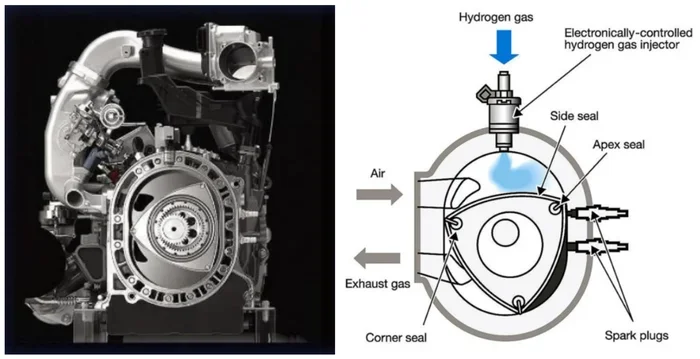
A hydrogen combustion engine is a type of internal combustion engine that runs on hydrogen gas. Instead of gasoline, fuel injectors spray hydrogen into the combustion chamber. A spark plug then ignites the hydrogen. This ignition creates an explosion that pushes a piston down. That motion creates the mechanical energy needed to move a vehicle.
The basic design is very similar to a traditional gasoline engine. Both engines use the same four-stroke cycle. Both have pistons, crankshafts, and valves. The main difference is the fuel. Hydrogen burns much cleaner than gasoline. It also produces more energy per unit of weight. This makes it an attractive option for drivers who want to reduce their environmental impact.
It is important to understand that a hydrogen combustion engine is different from a hydrogen fuel cell. A fuel cell creates electricity through a chemical reaction. A combustion engine creates power through actual burning. Both technologies use hydrogen. But they work in very different ways. We will explore this distinction more later in the article.
How Does a Hydrogen Combustion Engine Compare to Gasoline Engines?
The fundamental structure of a hydrogen engine is nearly identical to a gasoline engine. Both have cylinders, pistons, connecting rods, and a crankshaft. Both rely on the same four-stroke cycle. The main differences lie in the fuel delivery system and the combustion characteristics.
Hydrogen gas is much less dense than gasoline. This means engines need a larger volume of hydrogen to produce the same energy. Automakers address this by using high-pressure tanks and specialized injectors. The combustion temperature is also different. Hydrogen burns at a higher flame speed, which can affect engine timing and efficiency.
One major advantage is that hydrogen engines do not produce carbon dioxide during combustion. The main byproduct is water vapor. This is a huge win for reducing greenhouse gases. However, hydrogen engines can still produce nitrogen oxides. These form when air and fuel burn at high temperatures. Automakers use techniques to minimize these emissions.
The Four-Stroke Cycle of a Hydrogen Engine
Every hydrogen combustion engine follows the same basic cycle. Understanding this cycle is the key to understanding how the engine works. The cycle has four distinct strokes. Each stroke plays a vital role in creating power.
Stroke One: Intake
The first stroke is the intake stroke. The piston moves downward inside the cylinder. This creates a vacuum that pulls in hydrogen gas. The intake valve opens to allow the hydrogen to enter. In a gasoline engine, this step pulls in a mixture of air and fuel. In a hydrogen engine, pure hydrogen enters the chamber.
Hydrogen is stored in high-pressure tanks. These tanks are usually located in the trunk or under the vehicle. When the driver presses the accelerator, hydrogen flows from the tank through fuel lines. It reaches the combustion chamber through specialized injectors. These injectors are designed to handle the unique properties of hydrogen gas.
Stroke Two: Compression
Once the hydrogen enters the cylinder, the intake valve closes. The piston then moves back up. This compresses the hydrogen gas. Compression is essential for efficient combustion. The more tightly the hydrogen is packed, the more energy the explosion will release.
Hydrogen engines typically use a higher compression ratio than gasoline engines. This helps extract more energy from each combustion cycle. However, hydrogen is also prone to a phenomenon called pre-ignition. This is when the fuel ignites before the spark plug fires. Engineers use special techniques to prevent this problem and ensure smooth operation.
Stroke Three: Combustion
This is where the magic happens. When the piston reaches the top of its stroke, the spark plug fires. It ignites the compressed hydrogen gas. The resulting explosion forces the piston back down. This downward motion is what generates mechanical power.
Hydrogen burns faster and cleaner than gasoline. The combustion process is more complete. This means less wasted energy and fewer harmful byproducts. The heat generated during combustion is also different. Hydrogen combustion produces less heat overall compared to gasoline. This can actually be an advantage for engine longevity.
Stroke Four: Exhaust
The final stroke is the exhaust stroke. The piston moves back up again. This pushes the spent gases out of the cylinder. The exhaust valve opens to release these gases. In a hydrogen engine, the exhaust is mostly water vapor. There may be small amounts of nitrogen oxides as well.
The exhaust system on a hydrogen engine is designed to handle these emissions. Some systems include catalytic converters to reduce nitrogen oxides. The water vapor that exits the tailpipe is harmless. It is essentially steam. This is a stark contrast to the exhaust from a gasoline engine, which contains carbon dioxide, carbon monoxide, and other harmful pollutants.
If you are curious about how exhaust systems work in general, you might also wonder about issues like loose heat shields or catalytic converter failures. For more on related topics, check out our guide on how to tighten a loose heat shield.
How Hydrogen Fuel Is Stored and Delivered
Storing hydrogen safely is one of the biggest challenges in hydrogen engine technology. Hydrogen is the lightest element in the universe. It is also highly flammable. Engineers have developed specialized systems to store and deliver hydrogen safely and efficiently.
Hydrogen Storage Tanks
Most hydrogen vehicles use Type IV storage tanks. These tanks are made of carbon fiber and other lightweight materials. They can hold hydrogen at pressures up to 700 bar. That is about 10,000 pounds per square inch. The tanks are designed to be extremely strong and leak-proof.
The tanks are usually placed in protected areas of the vehicle. In many designs, they sit underneath the car or in the trunk. The placement helps protect them from damage during collisions. Safety testing has shown that these tanks can withstand significant impact without rupturing.
Fuel Delivery Systems
Once hydrogen is stored in the tank, it needs to reach the engine. This is done through a fuel delivery system. The system includes tanks, valves, regulators, and injectors. Each component plays a specific role in ensuring the right amount of hydrogen reaches the combustion chamber at the right time.
Hydrogen injectors are different from gasoline injectors. They must handle a gas that is much less dense than liquid fuel. The injectors spray hydrogen into the cylinder at precise intervals. This timing is critical for optimal combustion. Modern hydrogen engines use electronic control units to manage this process with incredible precision.
For those interested in fuel system components, you might also wonder about the gas cap on a cylinder. While hydrogen engines use different systems, the basic principle of sealing fuel delivery is similar. Learn more in our article how to open the gas cap on a cylinder.
Benefits of Hydrogen Combustion Engines
Hydrogen combustion engines offer several compelling advantages. These benefits make them an attractive option for both consumers and automakers. Let us explore the key advantages in detail.
Zero Tailpipe Carbon Dioxide Emissions
The biggest benefit of a hydrogen engine is the lack of CO2 emissions. When hydrogen burns, it produces water vapor. No carbon dioxide comes out of the tailpipe. This is a major step toward reducing greenhouse gas emissions from transportation.
Of course, the overall environmental impact depends on how the hydrogen is produced. If the hydrogen comes from renewable sources, the entire process is nearly carbon neutral. This is known as green hydrogen. As production methods improve, the environmental benefits will only grow.
Quick Refueling Times
One of the biggest advantages over battery electric vehicles is refueling speed. Filling a hydrogen tank takes about the same time as filling a gasoline tank. You can refuel in three to five minutes. Compare this to charging an electric vehicle, which can take anywhere from 30 minutes to several hours.
This makes hydrogen engines a practical choice for drivers who need long range and fast turnaround. For long-distance driving or commercial applications, this advantage is especially significant.
Familiar Driving Experience
Hydrogen combustion engines feel very similar to traditional gasoline engines. The driving experience is familiar. The engine sounds similar. The power delivery feels natural. This makes the transition from gasoline to hydrogen much easier for everyday drivers.
Unlike battery electric vehicles, which often have instant torque and a very quiet ride, hydrogen engines offer a more traditional feel. Some drivers prefer this familiarity. It also means automakers can leverage existing engine manufacturing knowledge.
No Range Anxiety
Hydrogen vehicles can travel long distances on a single tank. Many hydrogen vehicles offer a range of 300 to 400 miles. This is comparable to gasoline vehicles. It eliminates the range anxiety that many electric vehicle drivers experience.
For drivers who frequently travel long distances or live in areas with limited charging infrastructure, hydrogen offers a practical solution. The combination of fast refueling and long range makes hydrogen engines a strong contender in the clean energy race.
Challenges and Limitations
Despite the benefits, hydrogen combustion engines face several significant challenges. Understanding these limitations is important for a balanced view of the technology.
Limited Hydrogen Infrastructure
The biggest barrier to hydrogen vehicle adoption is the lack of refueling stations. There are far fewer hydrogen stations than gasoline stations or electric charging points. This makes hydrogen vehicles impractical for many drivers, especially those who do not live near a station.
Building a hydrogen infrastructure is expensive. It requires specialized equipment and safety systems. Governments and private companies are investing in this area. But progress has been slow compared to electric vehicle charging networks.
Hydrogen Production Challenges
Not all hydrogen is created equal. Most hydrogen today is produced from natural gas. This process, called steam methane reforming, produces carbon dioxide. This undermines the environmental benefits of hydrogen engines.
Green hydrogen, produced through electrolysis powered by renewable energy, is much cleaner. But it is also more expensive. The cost of green hydrogen needs to come down for hydrogen engines to reach their full potential. Research and investment are ongoing to make this a reality.
Storage and Safety Concerns
Hydrogen is a highly flammable gas. Storing it in a vehicle requires robust safety systems. The high-pressure tanks are designed to be safe. But the perception of hydrogen as dangerous can deter some consumers.
In reality, hydrogen tanks have passed rigorous safety testing. They are designed to vent safely in the event of a leak. Hydrogen is also lighter than air, so it dissipates quickly if released. Still, public perception remains a challenge that automakers must address.
Engine Durability and Maintenance
Hydrogen combustion can cause unique wear and tear on engine components. The high combustion temperatures can affect valve seats and other parts. Special materials and coatings are often needed to ensure durability.
Maintenance for a hydrogen engine is similar to a gasoline engine. But it requires specialized knowledge and parts. If you are considering a hydrogen vehicle, you should factor in maintenance costs. For general engine maintenance tips, our article at what mileage should a timing belt be replaced on a Toyota Camry offers helpful insights that apply broadly to engine care.
Emissions Beyond CO2
While hydrogen engines do not produce CO2, they can still generate nitrogen oxides. These are harmful pollutants that contribute to smog and respiratory problems. Automakers use after-treatment systems to reduce these emissions.
However, these systems add complexity and cost. They also require regular maintenance to function properly. The goal is to minimize all emissions. But it is important to acknowledge that hydrogen engines are not completely emission-free.
The Future of Hydrogen Combustion Engines
The future of hydrogen combustion engines is both exciting and uncertain. Several automakers are investing heavily in this technology. Others have shifted their focus to battery electric vehicles. The direction the industry takes will depend on several factors.
Automakers Leading the Way
Several major automakers are actively developing hydrogen engines. Toyota has been a pioneer in this space. Their hydrogen-powered Camry and other prototypes have shown promising results. BMW has also explored hydrogen combustion in its lineup.
Other companies like Hyundai and Honda are investing in hydrogen technology as well. Each automaker approaches the technology differently. Some focus on hydrogen combustion engines. Others focus on fuel cell technology. The competition is driving innovation and pushing the technology forward.
For those interested in Toyota’s broader technology efforts, check out our article on driving a Toyota Camry with the check engine light on for insights into engine warning systems that will apply across all engine types.
The Role of Hydrogen in the Clean Energy Transition
Hydrogen engines are likely to play a role in the broader clean energy transition. They are not the only solution. Battery electric vehicles will continue to grow. But hydrogen offers advantages that batteries cannot match. Fast refueling and long range make hydrogen ideal for certain applications.
Heavy-duty trucks, buses, and commercial vehicles may benefit most from hydrogen technology. These vehicles need long range and quick turnaround. Batteries alone may not meet these needs. Hydrogen could fill this gap in the clean energy portfolio.
What to Expect in the Coming Years
Hydrogen engine technology is still evolving. Improvements in efficiency, durability, and emissions control are ongoing. The cost of green hydrogen production is expected to decrease. This will make hydrogen vehicles more affordable and environmentally friendly.
Government policies will also play a big role. Incentives for hydrogen infrastructure and vehicle purchases can accelerate adoption. As more stations are built and more vehicles are on the road, the ecosystem will grow. The next decade will be a critical period for hydrogen combustion technology.
Common Mistakes People Make About Hydrogen Engines
There are several misconceptions about hydrogen combustion engines. Clearing these up helps you understand the technology better.
- Mistake 1: Thinking hydrogen engines and fuel cells are the same. They are not. Fuel cells create electricity chemically. Combustion engines burn fuel to create mechanical energy.
- Mistake 2: Believing hydrogen engines produce zero emissions. They produce no CO2, but they can still produce nitrogen oxides. The full picture is more nuanced.
- Mistake 3: Assuming hydrogen is hard to store. Modern storage tanks are extremely safe and well-engineered. The technology has advanced significantly.
- Mistake 4: Thinking hydrogen engines are not powerful enough. Hydrogen engines can produce significant power. Some prototypes match or exceed gasoline engine performance.
Quick Tips for Understanding Hydrogen Engine Technology
- Remember the four-stroke cycle: Intake, compression, combustion, and exhaust. It applies to hydrogen engines just as it does to gasoline engines.
- Think of hydrogen as a clean fuel: The main exhaust product is water vapor, not harmful pollutants.
- Consider the full picture: The environmental benefit depends on how the hydrogen is produced. Green hydrogen is the gold standard.
- Keep an eye on infrastructure: The availability of hydrogen stations will determine how practical these vehicles are for everyday use.
- Stay curious: This technology is evolving rapidly. New breakthroughs happen regularly.
Expert Insights on Hydrogen Combustion Technology
Industry experts see hydrogen combustion engines as a valuable part of the clean energy mix. Dr. Vijay Pradeep, an automotive engineer, explains that hydrogen engines offer a bridge between traditional combustion technology and full electrification. They leverage existing engine manufacturing knowledge while dramatically reducing emissions.
Another expert notes that the versatility of hydrogen is its greatest strength. It can be used in passenger cars, trucks, buses, and even industrial equipment. This flexibility gives hydrogen a broader application range than battery electric technology alone.
The consensus among experts is that hydrogen combustion engines will not replace battery electric vehicles. Instead, they will complement them. Together, these technologies can help the transportation sector achieve its emissions reduction goals faster and more effectively.
Conclusion
Hydrogen combustion engines represent an exciting frontier in automotive technology. They offer a cleaner alternative to gasoline engines while maintaining the familiar driving experience we all know. The four-stroke cycle that powers these engines is the same one that has been refined over more than a century. The difference is the fuel. Hydrogen burns clean, produces water vapor as exhaust, and offers impressive range and refueling speed.
The challenges are real. Limited infrastructure, production costs, and public perception all need to improve. But the progress is encouraging. Automakers are investing heavily. Governments are supporting development. The technology is getting better every year.
Understanding how a hydrogen combustion engine works is the first step toward appreciating its potential. This technology is not perfect. But it is a meaningful piece of the puzzle in our journey toward cleaner transportation. Whether hydrogen becomes a mainstream choice or a niche technology, its impact on the automotive industry will be significant.
Stay informed. Stay curious. The road ahead is bright for hydrogen combustion engines. And the best is yet to come.
Frequently Asked Questions
How is a hydrogen combustion engine different from a hydrogen fuel cell?
A hydrogen combustion engine burns hydrogen to create mechanical power, similar to a gasoline engine. A fuel cell creates electricity through a chemical reaction between hydrogen and oxygen. Both use hydrogen as fuel, but they produce power in completely different ways.
Is a hydrogen combustion engine safe?
Yes, hydrogen engines are designed with extensive safety features. The storage tanks are built to withstand major impacts. Hydrogen is lighter than air, so it dissipates quickly if leaked. Rigorous testing ensures these vehicles meet high safety standards.
Can any car be converted to run on hydrogen?
Converting a gasoline car to run on hydrogen is technically possible but complex. It requires a completely new fuel delivery system, modified combustion chambers, and specialized storage tanks. Most automakers design hydrogen engines from the ground up rather than converting existing models.
How far can a hydrogen-powered car travel on a full tank?
Most hydrogen vehicles offer a range of 300 to 400 miles on a full tank. This is comparable to gasoline vehicles and significantly better than many battery electric vehicles. The exact range depends on driving conditions, tank size, and engine efficiency.
Why are hydrogen engines not more popular today?
The main reason is the lack of hydrogen refueling stations. Without a robust infrastructure, drivers cannot conveniently refuel their vehicles. The cost of green hydrogen production is also higher than gasoline or electricity for battery vehicles. As infrastructure grows and costs decrease, adoption is expected to increase.
What are the environmental benefits of hydrogen combustion engines?
The biggest benefit is zero tailpipe carbon dioxide emissions. The exhaust is mostly water vapor. When hydrogen is produced from renewable energy sources, the entire fuel cycle is nearly carbon neutral. This makes hydrogen engines a powerful tool for reducing transportation emissions.
===
=== SEO TITLE ===
How Does a Hydrogen Combustion Engine Actually Work
=== META TITLE ===
How Does a Hydrogen Combustion Engine Actually Work
=== URL SLUG ===
hydrogen-combustion-engine-work
=== INTERNAL LINKS USED ===
1. how to tighten a loose heat shield
2. how to open the gas cap on a cylinder
3. at what mileage should a timing belt be replaced on a Toyota Camry
4. driving a Toyota Camry with the check engine light on