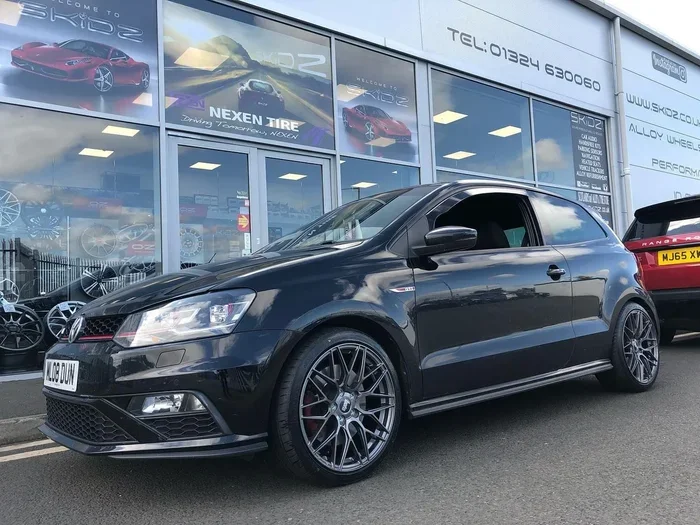
Polo Car Alloy Wheels The Best Upgrade For Your Ride
Upgrading to polo car alloy wheels transforms how your car looks and drives. Lighter alloys improve fuel economy, handling, and braking. This guide covers the best types, sizes, and brands so you can pick the right set with confidence.
Your car says a lot about who you are. And one of the fastest ways to change its look and feel is by swapping in a fresh set of polo car alloy wheels. Whether you drive a VW Polo or another compact hatchback, the right wheels can make a huge difference. They improve how the car handles, how it looks, and even how much fuel it uses.
But with so many options out there, choosing the best ones can feel overwhelming. That is exactly why we put together this guide. We will walk you through everything you need to know. From different types of alloys to fitment tips and maintenance hacks, you will find it all here. By the end, you will feel confident picking the perfect polo car alloy wheels for your ride.
Key Takeaways
- Better Performance: Alloy wheels reduce unsprung weight, which boosts acceleration, braking, and fuel efficiency.
- More Style Options: You can choose from chrome, painted, forged, and multi-spoke designs to match your taste.
- Easy to Install: Most polo car alloy wheels bolt right on with basic tools and a little know-how.
- Proper Fitment Matters: Always check bolt pattern, offset, and center bore before buying new wheels.
- Low Maintenance: With regular cleaning and protection, alloy wheels stay looking great for years.
- Smart Investment: Quality alloy wheels can increase your car’s resale value and overall driving experience.
📑 Table of Contents
- Why Polo Car Alloy Wheels Are Worth It
- Types of Alloy Wheels for Polo Cars
- How to Choose the Right Alloy Wheels
- Installing Your New Polo Car Alloy Wheels
- Maintaining Your Alloy Wheels
- Common Mistakes to Avoid
- Expert Insights on Upgrading Alloy Wheels
- Top Brands for Polo Car Alloy Wheels
- Key Takeaways
- Conclusion
Why Polo Car Alloy Wheels Are Worth It
Before we dive into the details, let us talk about why alloy wheels matter in the first place. Stock wheels on most cars are made of steel. They are heavy and often plain-looking. Polo car alloy wheels replace those heavy steel wheels with lighter, stronger aluminum or magnesium combinations. The result? A car that feels more responsive and looks better too.
Weight Reduction and Performance
Every extra pound on your car matters. Heavy wheels make your engine work harder. This means slower acceleration and worse fuel economy. Alloy wheels are much lighter than steel. When you reduce the weight at the wheel end, you reduce what engineers call “unsprung weight.” This is the weight not supported by the car’s suspension. Less unsprung weight means better handling, sharper steering, and shorter stopping distances. It is one of the simplest upgrades you can make.
Heat Dissipation
Alloys conduct heat better than steel. This helps your brakes cool down faster after hard driving. Cooler brakes mean less brake fade. Brake fade happens when your brakes get too hot and lose their gripping power. For daily driving and spirited weekend trips alike, this is a real benefit. Your polo car alloy wheels help keep your braking system working at its best, especially during long drives or hot weather.
Aesthetic Appeal
Let us be honest. A big part of upgrading your wheels is how they look. Alloy wheels come in countless designs. You can go for a sporty five-spoke look or a sleek multi-spoke style. Some people prefer a polished chrome finish. Others like a dark, machined look. Whatever your style, there is an alloy wheel out there that will make your car stand out. A fresh set of wheels can take a plain-looking car and turn heads on the street.
Types of Alloy Wheels for Polo Cars
Not all alloy wheels are the same. They come in different materials, manufacturing methods, and designs. Understanding these differences helps you make a smart choice. Here is a breakdown of the most common types you will find when shopping for polo car alloy wheels.
Cast Alloy Wheels
Cast alloys are the most popular and affordable option. The manufacturer pours molten aluminum into a mold and lets it cool. This process keeps costs low while still offering good strength and a wide range of designs. Most aftermarket wheels you see on cars today are cast alloys. They are a great starting point if you want to upgrade without spending a fortune.
Forged Alloy Wheels
Forged wheels are made under extreme pressure. This compresses the aluminum into a dense, strong piece. The result is a wheel that is lighter, stronger, and more durable than a cast wheel. Forged alloys are the premium choice. They cost more, but they also offer better performance and a more refined look. If you want the best of the best, forged polo car alloy wheels are worth the investment.
Painted vs. Machined Finishes
The finish on your wheels matters just as much as the design. Painted finishes come in almost any color you can imagine. They look great and protect the metal underneath. Machined finishes, on the other hand, show the raw aluminum beneath a clear coat. They have a polished, two-tone look that many car enthusiasts love. Chrome finishes are another popular option, though they require more care to keep them looking shiny.
Single-Piece vs. Multi-Piece Wheels
Most factory-style alloys are single-piece. They are made as one solid unit. Multi-piece wheels, however, are built from two or three separate parts that are bolted together. These allow for more customization in width and offset. Multi-piece wheels are common in the performance and motorsport worlds. For a standard polo car, single-piece alloys are usually the most practical choice.
How to Choose the Right Alloy Wheels
Picking the right polo car alloy wheels is not just about picking the prettiest design. There are several technical specs you need to get right. If you choose the wrong size or offset, the wheels may not fit properly. This can cause rubbing, poor handling, and even safety issues. Let us break down the key factors.
Wheel Size and Diameter
Wheel size is measured in inches. Most VW Polos come with 15-inch or 16-inch wheels from the factory. You can go up to 17 or even 18 inches, but bigger is not always better. Larger wheels mean shorter tire sidewalls. This can make the ride harsher over bumps and potholes. A 16-inch or 17-inch wheel is often the sweet spot for a good balance of looks and comfort.
Bolt Pattern and Center Bore
The bolt pattern is the arrangement of the lug holes on the wheel. For most VW Polos, this is a 5×100 pattern. This means five bolts arranged in a circle with a 100mm diameter. The center bore is the hole in the middle of the wheel that fits over the hub. For VW models, this is usually 57.1mm. Always double-check these measurements before you buy. If the center bore is too large, you can use hub-centric rings to make up the difference.
Offset and Width
Offset is the distance between the wheel’s mounting surface and its center line. It determines how far the wheel sits in or out from the wheel arch. A lower offset pushes the wheel outward, giving the car a wider, more aggressive stance. But go too low, and the wheels may rub against the fenders. Wheel width also matters. Wider wheels fill out the wheel arches nicely but may require different tire sizes. Always check the recommended tire and wheel combinations for your specific Polo model.
Load Rating
This is something people often overlook. Every wheel has a load rating that tells you how much weight it can safely support. If you carry heavy loads or tow a trailer, you need wheels with a higher load rating. Check your car’s owner manual or the sticker inside the driver’s door for the recommended load rating. Choosing polo car alloy wheels with the right load rating keeps you safe and avoids costly mistakes.
Budget Considerations
Alloy wheels come in a wide price range. Budget options can start around 150 to 200 dollars per wheel. Mid-range alloys from well-known brands typically cost 250 to 400 dollars per wheel. Premium forged wheels can easily exceed 500 dollars each. Set a realistic budget before you start shopping. Remember, the best wheels are the ones that fit your car, your style, and your wallet.
| Wheel Type | Price Range (per wheel) | Weight | Durability |
|---|---|---|---|
| Cast Alloy | $150 – $350 | Moderate | Good |
| Forged Alloy | $400 – $800+ | Light | Excellent |
| Painted Finish | $150 – $400 | Varies | Good |
| Machined Finish | $200 – $500 | Varies | Very Good |
| Chrome Finish | $200 – $450 | Moderate | Good |
Installing Your New Polo Car Alloy Wheels
Once you have chosen your polo car alloy wheels, the next step is installation. The good news is that this is a job most car owners can do at home with basic tools. But it is important to do it right. A poorly installed wheel can be dangerous.
What You Will Need
Before you start, gather your tools. You will need a jack, jack stands, a lug wrench, a torque wrench, and your new wheels. Make sure your car is parked on a flat, level surface. Engage the parking brake and put the car in gear or park. Safety always comes first.
Step-by-Step Installation
- Loosen the lug nuts on the old wheels while the car is still on the ground. Do not remove them completely yet.
- Jack up the car and secure it on jack stands. Never work under a car supported only by a jack.
- Remove the lug nuts and take off the old wheel.
- Clean the hub surface with a cloth to remove any rust or dirt. This ensures a solid connection.
- Mount the new alloy wheel onto the hub. Hand-tighten the lug nuts in a star pattern.
- Lower the car slightly so the tire touches the ground but the full weight is not on it.
- Use a torque wrench to tighten the lug nuts to the manufacturer’s recommended specification. For most VW Polos, this is around 110 to 120 Newton-meters.
- Lower the car completely and give each lug nut one final check.
After installation, check your tire pressure. New wheels can sometimes cause small air leaks if the seal is not perfect. Also, have your wheels balanced after installation. This prevents vibrations at higher speeds and ensures even tire wear.
Maintaining Your Alloy Wheels
Once your new polo car alloy wheels are on, you want them to look great for years. The good news is that alloy wheel maintenance is not complicated. A little regular care goes a long way.
Regular Cleaning
Road grime, brake dust, and salt can build up on your wheels quickly. Clean them at least once a month with warm soapy water and a soft brush. Avoid harsh chemical cleaners that can damage the finish. For stubborn brake dust, use a dedicated alloy wheel cleaner. Spray it on, let it sit for a minute, and gently scrub it off.
Protection and Sealing
After cleaning, apply a wheel sealant or wax. This creates a protective barrier against dirt, water, and UV rays. A good sealant makes future cleaning much easier. It also keeps your wheels looking shiny and new. For chrome or polished alloys, use a specific chrome polish to maintain that mirror finish.
Dealing with Scuffs and Scratches
Curbs are the enemy of alloy wheels. A minor scuff can usually be buffed out with a rubbing compound. Deeper scratches may need touch-up paint or professional repair. To avoid curb damage, park carefully and give your wheels a little extra space when pulling up to the curb. Some drivers also use wheel lip protectors, which are small rubber strips that absorb impact.
Tire Rotation and Alignment
Your wheels and tires work together. Rotating your tires every 5,000 to 7,500 miles helps them wear evenly. This also extends the life of your alloy wheels. Have your alignment checked at least once a year. Poor alignment causes your car to pull to one side and wears your tires unevenly. It can also put extra stress on the wheel bearings.
Common Mistakes to Avoid
Buying and installing alloy wheels can go wrong in several ways. Here are the most common mistakes people make, and how to avoid them.
- Ignoring fitment specs: Always check bolt pattern, offset, center bore, and tire size before purchasing. Guessing can lead to wheels that do not fit.
- Over-tightening lug nuts: Use a torque wrench and follow the factory specification. Over-tightening can warp brake rotors and strip lug studs.
- Skipping hub-centric rings: If the center bore is larger than your hub, always use hub-centric rings. Without them, the wheel may vibrate and the lug nuts bear the load instead of the hub.
- Choosing the wrong tire size: Bigger wheels usually mean shorter, narrower tires. This can affect your speedometer reading and ride comfort. Use an online tire size calculator to find the right combination.
- Neglecting regular cleaning: Brake dust and road salt eat away at alloy finishes over time. Regular cleaning prevents permanent damage and keeps your wheels looking their best.
- Buying the cheapest option: Very cheap alloy wheels may not meet safety standards. They might be made from lower-quality materials or have inconsistent manufacturing. Stick to reputable brands and sellers.
Expert Insights on Upgrading Alloy Wheels
We spoke with a few car enthusiasts and mechanics about their thoughts on polo car alloy wheels. Here is what they had to say.
Start With Your Driving Needs
One experienced mechanic shared that people should always start by asking what they want from their wheels. Are you looking for a daily driver that looks sharp? Or do you want to hit the track on weekends? Your answer shapes everything from the material to the size. For daily driving, a cast alloy in a 16-inch size offers the best balance of comfort, looks, and cost. For track use, a forged alloy with a wider profile delivers the performance gains you are after.
Do Not Forget the Tires
Your wheels are only as good as the tires on them. A premium alloy wheel paired with cheap, worn-out tires will not deliver great results. When upgrading your polo car alloy wheels, invest in quality tires that match the new wheel size. Look for tires with good wet grip ratings and a tread life warranty. This combination gives you safety, comfort, and longevity.
The Resale Value Factor
A well-chosen set of alloy wheels can boost your car’s resale value. Potential buyers notice clean, stylish wheels. They often associate good wheels with a well-maintained car overall. When it is time to sell, you may get a better offer simply because your car rolls on a set of quality alloys.
Top Brands for Polo Car Alloy Wheels
The market is full of alloy wheel brands. Some are known for quality and style, while others focus on budget-friendly options. Here are a few brands worth considering when shopping for polo car alloy wheels.
- BBS: A premium brand known for lightweight, high-performance alloys. BBS wheels are a favorite among enthusiasts and racers alike.
- OZ Racing: Italian-made wheels with a strong racing heritage. OZ offers a great mix of style and performance at mid-range prices.
- Ronal: Known for innovative designs and lightweight construction. Ronal wheels are popular in Europe and come in many stylish finishes.
- AEZ: A German brand offering affordable alloys with solid build quality. AEZ has a wide range of designs to suit different tastes.
- MOTEG: A budget-friendly option from Germany. MOTEG alloys are well-made and offer good value for money.
Key Takeaways
- Better Performance: Alloy wheels reduce unsprung weight, which boosts acceleration, braking, and fuel efficiency.
- More Style Options: You can choose from chrome, painted, forged, and multi-spoke designs to match your taste.
- Easy to Install: Most polo car alloy wheels bolt right on with basic tools and a little know-how.
- Proper Fitment Matters: Always check bolt pattern, offset, and center bore before buying new wheels.
- Low Maintenance: With regular cleaning and protection, alloy wheels stay looking great for years.
- Smart Investment: Quality alloy wheels can increase your car’s resale value and overall driving experience.
Conclusion
Upgrading to polo car alloy wheels is one of the smartest and most satisfying changes you can make to your car. They improve performance, enhance your car’s appearance, and can even increase its resale value. Whether you choose affordable cast alloys or premium forged wheels, the key is to get the right fit, the right size, and the right finish for your driving style.
Take your time when shopping. Compare brands, read reviews, and do not rush the decision. A well-chosen set of alloy wheels will serve you well for many miles to come. Clean them regularly, check your fitment after long trips, and enjoy the ride. Your Polo deserves to roll on wheels that match its quality. And now you have everything you need to make the best choice.
So go ahead and explore your options. Browse online catalogs, visit your local tire shop, or talk to fellow Polo owners in online forums. The perfect set of polo car alloy wheels is out there waiting for you. Trust us, once you make the switch, you will never look back.
Frequently Asked Questions
Can I put alloy wheels on any Polo model?
Most Polo models can fit alloy wheels, but you need to check the bolt pattern, center bore, and offset for your specific year and trim. The standard VW Polo uses a 5×100 bolt pattern with a 57.1mm center bore. Always verify these specs before purchasing.
How much do polo car alloy wheels cost?
Prices vary widely depending on the brand, material, and design. Budget cast alloys start around 150 to 200 dollars per wheel. Mid-range options typically cost 250 to 400 dollars each. Premium forged alloys can exceed 500 dollars per wheel.
Do alloy wheels improve fuel economy?
Yes, they can. Alloy wheels are lighter than steel wheels. Reducing weight at the wheel end decreases the engine’s workload, which can lead to modest fuel savings over time. The effect is more noticeable in city driving and stop-and-go traffic.
How often should I clean my alloy wheels?
Clean your alloy wheels at least once a month. If you drive in areas with road salt or harsh weather, clean them more frequently. Regular cleaning prevents brake dust buildup and protects the finish from corrosion.
Can I use hub-centric rings with my new alloy wheels?
Yes, and you should if the center bore of the new wheel is larger than your car’s hub. Hub-centric rings ensure the wheel sits perfectly centered on the hub. This prevents vibrations and ensures the lug nuts carry minimal load during driving.
Are forged alloy wheels worth the extra cost?
Forged wheels are lighter, stronger, and more durable than cast wheels. They are worth the investment if you prioritize performance, track driving, or want the highest quality. For daily commuting, a good-quality cast alloy offers excellent value and performance.