When Did Emergency Trunk Releases Become Mandatory
Emergency trunk releases became mandatory in all new vehicles sold in the United States starting in 2002. The rule was part of federal safety standards designed to prevent trunk entrapment and save lives. These releases allow anyone trapped inside a car trunk to escape quickly and safely. Before the mandate, trunk entrapment caused tragic accidents, especially involving children. Understanding this history helps car owners appreciate a feature that often goes unnoticed until it matters most.
Have you ever wondered about that little handle or lever inside your car trunk? It might seem like a small detail. But that simple feature has a big story behind it. Emergency trunk releases have been saving lives for over two decades now. They became mandatory in the United States in 2002. Before that, people could get trapped inside car trunks with no way out. This article covers the full history, how the feature works, and why it matters so much. Let us dive in.
The story of emergency trunk releases is really a story about safety. Car manufacturers, safety advocates, and lawmakers all came together to fix a deadly problem. Trunk entrapment was a real danger. Children, pets, and even adults could accidentally get locked inside a trunk. And for a long time, there was no easy way out. The push for a mandatory fix took years of effort. But the result has made a huge difference on roads across America and around the world.
Key Takeaways
- Mandatory Since 2002: Federal law required emergency trunk releases in all new vehicles sold in the U.S. starting in the 2002 model year.
- Saves Lives: The feature prevents tragic trunk entrapment accidents, especially involving children and pets.
- How They Work: Emergency trunk releases use a glow-in-the-dark handle or lever that opens the trunk from the inside.
- Global Impact: Other countries adopted similar safety rules around the same time or shortly after.
- Maintenance Matters: Keeping your trunk release clean and functional ensures it works when you need it most.
- What to Do If Trapped: Knowing how to use the release can make the difference in an emergency.
📑 Table of Contents
The History of Emergency Trunk Releases
Early Days of Car Trunk Safety
Cars have had trunks for over a century. But for most of that time, there was no way to open a trunk from the inside. If someone got trapped, their only hope was to find someone outside who could open it. This was a serious safety gap. Car manufacturers focused on making trunks secure against thieves. They did not think much about what happened if someone ended up locked inside.
As car designs changed, the problem grew. Many newer vehicles had trunks that opened from the outside only. Some had latches that were very hard to force open from inside. The lack of an interior release became a known safety issue. Safety groups started raising concerns in the 1990s. They pointed out that trunk entrapment could happen to anyone. Children were especially at risk because they could climb into a trunk without being noticed.
The Push for Change
Advocacy groups played a big role in changing the rules. Organizations like KidsAndCars.org brought attention to trunk entrapment deaths. They shared stories of children who had been trapped and lost their lives. These stories helped lawmakers understand the urgency. The National Highway Traffic Safety Administration, or NHTSA, started looking into the problem seriously.
Car manufacturers also began to see the need for change. Some brands started adding interior trunk releases as a standard feature on their own. But there was no uniform rule yet. Every car was different. Some had the release, some did not. Consumers did not always know what to look for. This inconsistency made it clear that a federal mandate was needed.
The 2001 Federal Mandate
The big turning point came in 2001. The NHTSA finalized a rule that required all new vehicles to have an emergency trunk release. The rule took effect for the 2002 model year. This meant every new car, truck, SUV, and van sold in the U.S. had to include a way to open the trunk from the inside.
The rule was part of the Federal Motor Vehicle Safety Standards, or FMVSS. Specifically, it was added to Standard Number 401, which covers interior trunk release mechanisms. The goal was simple but powerful: no one should die from being trapped in a car trunk. The mandate applied to all passenger vehicles with a gross vehicle weight rating of 10,000 pounds or less.
What Are Emergency Trunk Releases?
How They Work
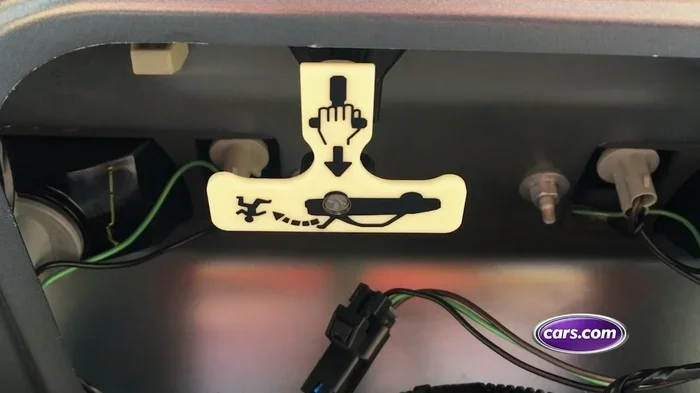
Emergency trunk releases are simple mechanical devices. They consist of a handle or lever located inside the trunk. When pulled, the handle releases the trunk latch. This allows the trunk to open from the inside. The design is intentionally simple so that anyone can use it, even in a panic.
Most emergency trunk release handles are made of a glow-in-the-dark material. This is a key design feature. If you are trapped in a dark trunk, the handle will glow. This makes it much easier to find and pull. The glow-in-the-dark feature has been a requirement since the mandate took effect.
The handle is usually located near the trunk lid or on the underside of the trunk. In some vehicles, it is on the side wall of the trunk. The exact placement can vary by car model. But the function is the same across all vehicles: one pull, and the trunk opens.
Types of Emergency Trunk Release Mechanisms
There are a few different types of emergency trunk release mechanisms found in vehicles today:
- Glow-in-the-dark pull handle: The most common type. It hangs from the trunk lid and glows in the dark.
- Lever-style release: A lever mounted on the trunk wall that you flip to release the latch.
- Cable release: A cable that connects to the trunk latch and can be pulled from inside.
- Electronic release: Some newer vehicles have electronic releases that work with a button or sensor.
All of these types serve the same purpose. They give anyone trapped inside a trunk a way to escape. The specific type depends on the vehicle model and manufacturer. But every car sold in the U.S. since 2002 must have at least one of these mechanisms.
Why Glow-in-the-Dark Matters
The glow-in-the-dark feature is not just a nice extra. It is a critical safety element. If you are trapped in a trunk, especially at night or in a dark parking garage, visibility is very low. A glowing handle makes it easy to find the release even without any light source.
The material used in these handles absorbs light and then emits it in the dark. This means the handle can glow for a long time after being exposed to light. Even in a completely dark trunk, the handle should be visible. This small but smart design choice has helped save many lives.
The Federal Mandate and Safety Standards
FMVSS 401 Explained
The federal rule that requires emergency trunk releases is known as FMVSS 401. This standard sets the requirements for interior trunk release mechanisms. It applies to all passenger cars, vans, and SUVs sold in the United States.
Under FMVSS 401, the trunk release must meet several criteria:
- The release must be easy to find and use from inside the trunk.
- The handle must glow in the dark for at least a certain period of time.
- The release must be able to open the trunk without needing special tools.
- The release must work even if the vehicle battery is dead.
These requirements ensure that the trunk release works in real emergency situations. A dead battery should not prevent someone from escaping a trunk. The release is a purely mechanical device in most cases. It does not rely on electricity to function.
How the Mandate Changed Vehicle Design
Before the mandate, trunk design varied widely across car brands. Some manufacturers had already added interior releases. Others had no plan to do so. The federal rule leveled the playing field. Every vehicle sold in the U.S. now had to meet the same safety standard.
This change also influenced how trunks were designed overall. Manufacturers started thinking about trunk safety as part of the vehicle design process. The trunk became not just a storage space but also a safety zone. The interior release became a standard feature that buyers expected to find.
International Safety Standards
The U.S. was not alone in adopting this safety rule. Other countries also implemented similar requirements for emergency trunk releases. Canada, for example, updated its vehicle safety standards to include interior trunk releases. The European Union also has regulations requiring trunk escape mechanisms in passenger vehicles.
These international standards share a common goal: prevent trunk entrapment deaths. While the specific rules may vary by country, the basic idea is the same. Every vehicle should have a way for occupants to escape from the trunk. The global adoption of this safety feature shows how important it is.
How Emergency Trunk Releases Save Lives
Real-Life Incidents That Led to Change
Several tragic incidents helped drive the push for mandatory emergency trunk releases. In many cases, children had climbed into a trunk and become trapped. They could not open the trunk from the inside. The results were devastating. These incidents sparked public outrage and calls for action.
One well-known case involved a young child who accidentally got locked in a car trunk. The child could not find a way to escape. The incident received national attention and put pressure on lawmakers to act. Similar stories came from across the country. Each one added to the urgency of creating a safety rule.
The Impact of the Mandate
Since the 2002 mandate took effect, trunk entrapment deaths have dropped significantly. The emergency trunk release has become a proven life-saving feature. NHTSA data shows that the number of trunk entrapment fatalities has decreased over the years since the rule was enacted.
While no safety feature can prevent every accident, the trunk release has made a real difference. Many people who might have been trapped in a trunk have been able to escape because of this simple mechanism. The feature works quietly in the background, often going unnoticed until it is needed most.
Quick Tips for Using Your Emergency Trunk Release
Knowing how your emergency trunk releases work can make all the difference in a crisis. Here are some quick tips to keep in mind:
- Locate your trunk release handle now. Do not wait until an emergency to find it. Open your trunk and look for the handle or lever.
- Teach children about the release. Kids should know that there is a way to open the trunk from the inside. Show them where the handle is and how it works.
- Do not modify or remove the release. Some people remove the handle to keep their trunk cleaner. This is a dangerous idea. The release should always stay in place.
- Check the handle periodically. Make sure the glow-in-the-dark material is still working. You can test this by turning off the lights in your garage.
- Keep your trunk clean. A cluttered trunk can make it harder to find the release handle. Keep the trunk tidy so the handle is always easy to see.
Common Problems with Emergency Trunk Releases
Handle Sticking or Getting Stuck
Like any mechanical part, the emergency trunk release can experience problems over time. The most common issue is the handle sticking or getting stuck. This can happen if dirt, dust, or debris builds up around the mechanism.
In some cases, the glow-in-the-dark handle may become brittle with age. It can crack or break when pulled. This is more common in older vehicles. If your trunk release handle feels stiff or does not move smoothly, it is time to inspect it.
Common Mistakes Car Owners Make
There are a few mistakes that car owners often make when it comes to trunk release maintenance:
- Ignoring the release entirely: Many people forget the release exists until they need it. Regular checks can prevent problems.
- Removing the handle for aesthetics: Some owners remove the handle to keep the trunk looking clean. This removes a critical safety feature.
- Not teaching passengers: Passengers, especially children, may not know the release exists. A quick explanation can save a life.
- Assuming the release works without testing: A release that has never been tested may not work when needed. Pull the handle occasionally to confirm it moves freely.
Expert Insights on Trunk Safety
Safety experts recommend treating the trunk release like any other important safety feature in your vehicle. Just as you check your brakes and tires, you should check your trunk release. A simple pull test every few months can ensure it is working properly.
Automotive safety engineers also suggest being mindful of trunk design when buying a vehicle. Some older or used vehicles may not have a trunk release if they were manufactured before the 2002 mandate. If you drive a classic car or an older model, consider having a trunk release installed by a professional.
Experts also point out that the trunk release is just one layer of safety. Other features like rear seat fold-downs and pass-through trunk openings also help prevent entrapment. The more escape routes a vehicle has, the safer it is overall.
What to Do If You Are Trapped in a Trunk
Step-by-Step Escape Guide
If you ever find yourself trapped in a car trunk, staying calm is the first step. Panicking will use up your oxygen and make it harder to think clearly. Here is what you should do:
- Look for the trunk release handle. It should glow in the dark if the trunk is closed and the lights are off.
- Pull the handle firmly. The release mechanism is designed to be strong. Give it a solid pull.
- If the handle does not work, kick the trunk lid. A strong kick can sometimes pop the trunk open, especially if the car is moving.
- Use your phone if you have one. Call 911 and tell them your exact location.
- Scream or honk the horn. If you can reach the horn, press it repeatedly to attract attention.
Knowing these steps ahead of time can help you act quickly if you ever need them. The emergency trunk releases are designed to work even in stressful situations. Trust the mechanism and act fast.
Additional Safety Features to Know About
Many modern vehicles come with additional safety features that help prevent trunk entrapment. Some cars have a trunk release button on the inside of the vehicle that can be pressed to open the trunk from the driver’s seat. Others have a rear seat fold-down feature that allows passengers to access the trunk from inside the cabin.
Some newer vehicles also have trunk sensors that detect motion or weight inside the trunk. If the car detects movement while it is in motion, it may trigger an alarm or automatically open the trunk. These features work together with the emergency trunk release to create a safer vehicle overall.
When shopping for a vehicle, it is worth asking about these safety features. Even if the car meets the federal minimum requirements, additional features can provide extra peace of mind. Safety should always come first when choosing a car.
The Future of Trunk Safety
New Technologies on the Horizon
Automotive safety continues to evolve. Car manufacturers are always looking for new ways to make vehicles safer. The emergency trunk releases of today may look different in the future. Some manufacturers are exploring electronic releases that can be activated with a voice command or a smartphone app.
Other innovations include trunk sensors that can detect a person inside and automatically unlock the trunk. These smart systems use cameras or motion sensors to identify occupants. If someone is detected in the trunk, the system can alert the driver and unlock the trunk automatically.
Ongoing Advocacy and Awareness
Safety advocacy groups continue to push for even better trunk safety features. Their goal is to make trunk entrapment a thing of the past. Public awareness campaigns help educate car owners about the importance of trunk releases and how to use them.
Parents and caregivers are especially encouraged to talk to children about trunk safety. Children should know never to play in or around cars. They should also know how to use the trunk release if they ever end up trapped. Education is a powerful tool in preventing tragedies.
Conclusion
The story of emergency trunk releases is a story of progress. What started as a deadly safety problem led to a smart and effective solution. The 2002 federal mandate changed the automotive landscape forever. Every new vehicle sold in the United States now comes equipped with a trunk release that can save a life.
Understanding how these releases work and why they matter helps us all be safer drivers and passengers. Take a moment to locate your trunk release handle today. Teach your family about it. Make sure it is working properly. These small actions can have a big impact.
The next time you close your trunk, remember that simple handle inside. It is there for you. It is there for your family. And it is there because people cared enough to make it mandatory. Emergency trunk releases are a quiet hero in vehicle safety, and they deserve our attention and appreciation.
Frequently Asked Questions
When did emergency trunk releases become mandatory in the United States?
Emergency trunk releases became mandatory for all new vehicles sold in the United States starting with the 2002 model year. The rule was part of the Federal Motor Vehicle Safety Standards, specifically FMVSS 401, which requires an interior trunk release mechanism in all passenger vehicles.
Can I install an emergency trunk release in an older vehicle?
Yes, you can have an emergency trunk release installed in an older vehicle that was manufactured before the 2002 mandate. Many auto parts stores carry aftermarket trunk release kits. You can also have a professional mechanic install one for you. It is a relatively simple and affordable upgrade that adds an important safety feature.
Do emergency trunk releases work even if the car battery is dead?
Yes, most emergency trunk releases are purely mechanical devices. They do not rely on electricity to function. This means they will work even if your car battery is dead or disconnected. The glow-in-the-dark handle may need light exposure to charge, but the release mechanism itself operates independently of the vehicle’s electrical system.
Are emergency trunk releases required in all countries?
Many countries have adopted similar safety standards, but the rules vary by region. The United States, Canada, and the European Union all require some form of interior trunk release in passenger vehicles. However, the specific requirements and standards may differ from country to country. If you are traveling internationally or buying a vehicle from another country, it is worth checking the local safety regulations.
How do I know if my vehicle has an emergency trunk release?
Open your trunk and look inside. You should see a handle or lever, usually located on the trunk lid or the side wall of the trunk. The handle is typically made of a glow-in-the-dark material. If you cannot find it, consult your vehicle owner’s manual. The manual will show the exact location of the emergency trunk release for your specific model.
What should I do if my child gets trapped in a car trunk?
If a child is trapped in a car trunk, call 911 immediately. While waiting for help, try to locate the emergency trunk release handle from the outside and pull it to open the trunk. If you cannot find the release, try to pop the trunk from the outside using the trunk release button or lever. Teaching children about the trunk release ahead of time can help them escape on their own if needed.