When Were Passenger-Side Mirrors Required on Cars
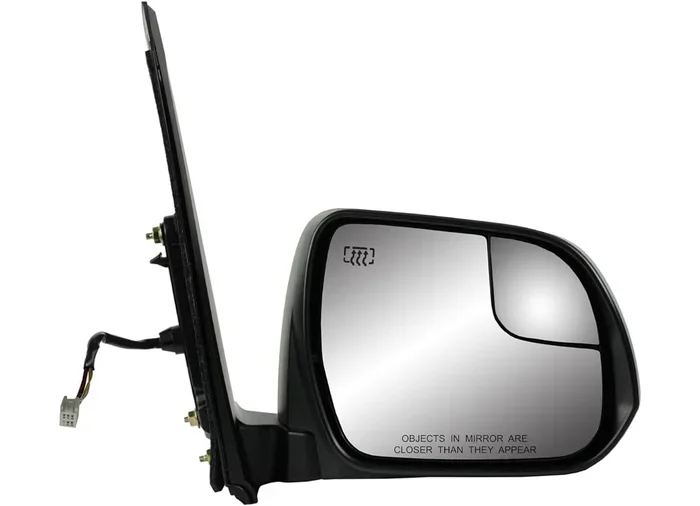
Passenger-side mirrors became mandatory on new cars sold in the United States in 1968 under federal safety regulations. The requirement changed how drivers see the road and greatly reduced blind spots. Before this rule, many vehicles only had a driver-side mirror, leaving passengers and other drivers at risk. This article covers the full history, regulations, and importance of passenger-side mirrors.
Have you ever wondered when passenger-side mirrors became a standard part of every car? Most of us take this small piece of glass for granted. But the truth is, it wasn’t always there. For decades, drivers navigated roads with only a driver-side mirror or no mirror at all. The story of how passenger-side mirrors became required is a fascinating look at automotive history and road safety evolution.
The answer might surprise you. Passenger-side mirrors became mandatory in the United States in 1968. That year, the federal government passed a law requiring all new cars to include both a driver-side and passenger-side mirror. This change came from the Federal Motor Vehicle Safety Standards, also known as FMVSS. The goal was simple but powerful: make every vehicle safer for the driver, passengers, and everyone on the road.
Before 1968, many cars only had a rearview mirror inside the vehicle. Some higher-end models offered a driver-side mirror as an extra option. But the passenger side? That was a luxury few could afford. Drivers had to turn their heads almost completely around to see what was coming from the right lane. It was dangerous and impractical. The introduction of the passenger-side mirror changed everything.
Key Takeaways
- 1968 Federal Mandate: Passenger-side mirrors became required on all new cars sold in the U.S. starting in 1968.
- FMVSS Standard: The rule came from the Federal Motor Vehicle Safety Standards (FMVSS) set by NHTSA.
- Safety First: Passenger-side mirrors dramatically improved road safety by reducing blind spots for drivers and pedestrians.
- State Laws Vary: While federal law requires them, individual states may have additional mirror laws for inspections and traffic stops.
- Modern Innovations: Today’s mirrors include blind-spot monitoring, auto-dimming features, and camera-based systems.
- Maintenance Matters: Keeping your passenger-side mirror clean and properly adjusted is essential for safe driving every day.
📑 Table of Contents
- The Early Days of Car Mirrors
- Federal Regulations and the 1968 Mandate
- How Passenger-Side Mirrors Improved Road Safety
- Mirror Laws and Requirements Across Different States
- Tips for Maintaining and Adjusting Your Passenger-Side Mirror
- The Future of Car Mirrors and Automotive Regulations
- Common Mistakes Drivers Make with Mirrors
- Expert Insights on Mirror Safety
- Conclusion
The Early Days of Car Mirrors
Cars didn’t always come with mirrors. In the early 1900s, drivers relied on looking over their shoulders. Roads were slower, and traffic was lighter. But as cars got faster and roads got busier, the need for better visibility grew. The first car mirrors appeared in the 1920s and 1930s. These were simple, small mirrors mounted on the frame or the door.
How Mirrors Evolved in the Automotive Industry
Early mirrors were often aftermarket additions. Car owners would buy them separately and install them themselves. They weren’t built into the vehicle from the factory. This meant many cars on the road had no mirrors at all, especially during the 1940s and 1950s. The automotive industry slowly recognized that mirrors were not just convenient — they were necessary.
By the 1960s, most new cars came with at least a driver-side mirror. The rearview mirror inside the car was standard in most models. But the passenger side remained optional for many manufacturers. This gap in visibility was a serious safety concern. Drivers couldn’t see vehicles approaching from the right, and this led to countless accidents every year.
Federal Regulations and the 1968 Mandate
The big turning point came in 1968. The U.S. government, through the National Highway Traffic Safety Administration (NHTSA), established the Federal Motor Vehicle Safety Standards. Standard No. 111 specifically addressed mirror requirements for all passenger vehicles. This was a landmark moment in car safety regulations.
What FMVSS Standard No. 111 Required
The 1968 rule stated that every new car sold in the United States must have at least two exterior mirrors. One had to be on the driver’s side. The other had to be on the passenger’s side. This meant manufacturers could no longer sell cars without a passenger-side mirror on the left side of the vehicle.
The regulation was not just about having a mirror. It also set standards for mirror size, placement, and field of view. The mirror needed to provide enough visibility to see the area beside and behind the vehicle. This was a huge step forward for road safety and traffic safety across the country.
Why 1968? The Safety Crisis That Spurred Change
So why did the government act in 1968? The answer lies in the growing number of traffic accidents. During the 1960s, car ownership exploded. More cars on the road meant more collisions. Studies showed that poor visibility was a major factor in side-swipe accidents and lane-change crashes. The blind spot on the passenger side was especially dangerous on highways and busy streets.
Safety advocates and lawmakers pushed hard for change. They argued that every driver deserved equal visibility on both sides of the vehicle. The 1968 mandate was their big win. It set a national standard that every car manufacturer had to follow. From that point on, no new car could leave the factory without a working passenger-side mirror.
How Passenger-Side Mirrors Improved Road Safety
The impact of the passenger-side mirror requirement was immediate and profound. Accident rates related to lane changes and side collisions dropped significantly in the years following the mandate. Drivers no longer had to guess what was in their blind spot. They could simply glance at the side mirror to check for other vehicles, cyclists, or pedestrians.
Reducing Blind Spots for Safer Driving
Every car has blind spots — areas around the vehicle that the driver cannot see directly. The rearview mirror covers what’s behind you. The driver-side mirror covers the left side. But without a passenger-side mirror, the right side was completely blind. This was especially dangerous on multi-lane roads and highways.
The passenger-side mirror filled that gap. It gave drivers a clear view of the lane to their right. This simple addition saved countless lives over the decades. Today, mirror adjustment is taught in every driver’s education course. Instructors tell new drivers to properly position both side mirrors and the rearview mirror for maximum coverage.
The Role of Passenger-Side Mirrors in Vehicle Inspections
After 1968, passenger-side mirrors also became part of vehicle inspection requirements in many states. During a vehicle inspection, inspectors check that all mirrors are intact, securely mounted, and not cracked or obscured. A missing or damaged passenger-side mirror can cause a vehicle to fail inspection.
This means that maintaining your mirrors isn’t just good practice — it’s the law in many places. Drivers who neglect their mirrors risk getting pulled over or failing their annual inspection. It’s a small part of car care that has big consequences.
Mirror Laws and Requirements Across Different States
While the federal mandate set the baseline, individual states have their own mirror laws. These laws can vary in terms of what’s required and how strictly they’re enforced. Understanding your state’s specific rules helps you stay compliant and safe.
State-by-State Mirror Requirements
Most states follow the federal standard and require at least one mirror on each side of the vehicle. Some states go further. For example, certain states require that all mirrors be free of cracks or obstructions. Others have specific rules about mirror size or shape.
Here are some common state-level requirements for exterior mirrors:
- Driver-side mirror: Required in all 50 states.
- Passenger-side mirror: Required in most states, following the federal standard.
- Rearview mirror: Required in all states for interior visibility.
- Mirror condition: Many states require mirrors to be intact and unobstructed.
- Additional mirrors: Some states require extra mirrors for large vehicles or trailers.
Common Mistakes Drivers Make with Mirror Laws
One of the biggest mistakes drivers make is assuming all states have the same mirror laws. They don’t. If you move to a new state, take time to learn the local requirements. Another common mistake is driving with a cracked or damaged mirror. Even a small crack can cause you to fail a vehicle inspection and could result in a ticket.
Some drivers also remove their mirrors for aesthetic reasons or after an accident. This is never a good idea. Not only is it illegal in most states, but it also puts you and others at serious risk. Always replace a damaged mirror as soon as possible.
Tips for Maintaining and Adjusting Your Passenger-Side Mirror
Having a passenger-side mirror is only half the battle. You also need to keep it in good condition and adjust it properly. A dirty, cracked, or poorly positioned mirror defeats the purpose entirely.
How to Properly Adjust Your Side Mirrors
Proper mirror adjustment is one of the most overlooked aspects of safe driving. Many drivers leave their mirrors in the default position from the factory, which is often not ideal. Here’s a simple method to adjust your mirrors correctly:
- Sit in the driver’s seat and adjust the rearview mirror first. You should see the entire rear window clearly.
- Lean your head to the left and touch the window. Adjust the driver-side mirror until you can barely see the side of your car.
- Lean your head to the center of the car. Adjust the passenger-side mirror until you can barely see the right side of your vehicle.
- Sit back in your normal driving position. Check both mirrors to ensure you have a clear view of the lanes beside you.
This method minimizes blind spots significantly. It takes just a few minutes but can make a huge difference in your awareness on the road.
Quick Tips for Mirror Maintenance
Keeping your mirrors in top shape doesn’t require much effort. A few simple habits go a long way:
- Clean your mirrors regularly: Dirt, rain, and snow can obscure your view. Wipe them down during every car wash.
- Check for cracks: Inspect your mirrors weekly for any damage. Even small cracks can distort your vision.
- Replace damaged mirrors promptly: Don’t wait to fix a broken mirror. Replacement is usually quick and affordable.
- Adjust mirrors after someone else drives: If another driver uses your car, they may have changed the mirror positions.
- Use mirror covers in harsh weather: In winter or icy conditions, a mirror cover can prevent frost and ice buildup.
The Future of Car Mirrors and Automotive Regulations
The story of passenger-side mirrors doesn’t end with the 1968 mandate. Automotive technology continues to evolve, and mirrors are changing with it. The future of exterior mirrors is being shaped by innovation, regulation, and the push toward smarter vehicles.
Camera-Based Mirror Systems
Some modern cars now use camera-based systems instead of traditional mirrors. These systems display images from external cameras on screens inside the vehicle. They offer several advantages, including better aerodynamics, reduced drag, and improved visibility in bad weather. Several automakers have already adopted this technology in certain models.
However, these systems are still new, and regulations are catching up. The NHTSA and other regulatory bodies are evaluating how to integrate camera mirrors into existing safety standards. It may be years before camera mirrors fully replace traditional exterior mirrors.
Advanced Driver Assistance Systems and Mirrors
Today’s vehicles often come equipped with advanced driver assistance systems (ADAS). These systems include features like blind-spot monitoring, lane departure warnings, and rear cross-traffic alerts. While these technologies complement mirrors, they don’t replace them. Mirrors remain a fundamental part of vehicle safety.
The combination of traditional mirrors and smart technology creates the safest driving experience possible. Drivers benefit from both the simplicity of a physical mirror and the intelligence of electronic alerts. This hybrid approach is likely to remain standard for years to come.
Why Passenger-Side Mirrors Still Matter
Even with all the technology available today, the humble passenger-side mirror remains one of the most important safety features in any car. It’s simple, reliable, and effective. Every time you glance at your side mirror before changing lanes, you’re using a feature that has been required by law for over 50 years.
The 1968 mandate was a turning point in automotive safety. It set a standard that has saved countless lives and continues to protect drivers and passengers every day. As technology advances, the core purpose of the passenger-side mirror stays the same: help you see what’s around you and keep everyone on the road safe.
Common Mistakes Drivers Make with Mirrors
Even though passenger-side mirrors have been required for decades, many drivers still misuse them. Understanding common mistakes helps you avoid them and stay safer on the road.
- Relying only on mirrors: Mirrors have blind spots. Always turn your head and check over your shoulder before changing lanes.
- Not adjusting mirrors before driving: Take a moment to set your mirrors every time you start the car, especially if someone else drove the vehicle.
- Ignoring cracked or damaged mirrors: A damaged mirror reduces visibility and may be illegal. Fix it right away.
- Using mirrors at the wrong angle: Mirrors angled too far inward create large blind spots. Follow the adjustment method described above.
- Forgetting about the passenger-side mirror: The driver-side mirror gets most of the attention. But the passenger-side mirror is equally important for overall visibility.
Expert Insights on Mirror Safety
Automotive safety experts consistently emphasize the importance of proper mirror use. According to the NHTSA, correctly adjusted mirrors can reduce blind spots by up to 90 percent when combined with shoulder checks. Experts also recommend that drivers perform a quick mirror check every 5 to 8 seconds while driving.
“Mirrors are your first line of defense on the road,” says automotive safety instructor Mark Davis. “They give you the awareness you need to make safe decisions in real time. Never underestimate their importance.”
Professional driving instructors also stress that passenger-side mirrors should be cleaned and checked as part of a pre-drive routine. Just like buckling your seatbelt, checking your mirrors should become second nature. It takes seconds and could save your life.
Conclusion
The story of passenger-side mirrors is a story of progress. From the early days of cars with no mirrors at all to the 1968 federal mandate that made them required, this simple feature has transformed how we drive. It has made roads safer, reduced accidents, and given drivers confidence every time they hit the highway.
Today, passenger-side mirrors are a standard part of every vehicle on the road. They’re required by federal law, enforced by state regulations, and supported by modern technology. Whether you drive a brand-new car with advanced camera systems or a classic model from the 1970s, your passenger-side mirror is there to help you see and stay safe.
Take a moment to check your mirrors today. Make sure they’re clean, intact, and properly adjusted. It’s a small habit that makes a big difference. And the next time you glance at that passenger-side mirror before merging or turning, remember the history behind it — a history built on the simple idea that safety should come first for everyone on the road.
Frequently Asked Questions
When did passenger-side mirrors become required in the United States?
Passenger-side mirrors became required in 1968 under the Federal Motor Vehicle Safety Standards (FMVSS). This federal mandate required all new cars sold in the U.S. to have both a driver-side and passenger-side exterior mirror.
What regulation made passenger-side mirrors mandatory?
The regulation was FMVSS Standard No. 111, established by the National Highway Traffic Safety Administration (NHTSA). It set specific requirements for mirror placement, size, and field of view on all passenger vehicles.
Can I drive without a passenger-side mirror?
No, driving without a passenger-side mirror is illegal in most states. A missing or damaged mirror can cause your vehicle to fail inspection and may result in a traffic citation. Always replace a damaged mirror promptly.
Do all states have the same mirror laws?
No, mirror laws can vary by state. While all states follow the federal requirement for at least one mirror on each side, some states have additional rules about mirror condition, size, or visibility standards. Check your local laws for specific requirements.
Are camera-based mirrors replacing traditional side mirrors?
Some modern vehicles are beginning to use camera-based mirror systems, but traditional exterior mirrors are still required by law in most places. Camera mirrors are not yet widely regulated as a full replacement, and they are not yet standard across all vehicle models.
How often should I check and adjust my passenger-side mirror?
You should check your mirrors every time you start driving. Adjust them before each trip, especially if someone else has used the vehicle. Perform a quick mirror check every 5 to 8 seconds while driving for maximum safety.
=== CONCLUSION ===
The passenger-side mirror is one of those car features we barely think about — until it’s missing or broken. But as we’ve explored, the requirement for this mirror came from a pivotal moment in automotive safety history. The 1968 federal mandate changed the way every car was built and made the roads significantly safer for everyone.
From the early days of aftermarket mirrors to today’s high-tech blind-spot monitoring systems, the evolution of the side mirror reflects our growing commitment to vehicle safety. Whether you’re a new driver or someone who’s been behind the wheel for decades, understanding the history and importance of your mirrors helps you appreciate their role in keeping you safe.
Take care of your mirrors. Adjust them properly. Keep them clean. Replace them when they’re damaged. And remember, that small piece of glass on the passenger side has been protecting drivers and passengers for over half a century. It’s a quiet hero of automotive safety that deserves a little more attention.