How a Car Parking Sensor Kit Can Save You From Scrapes
A car parking sensor kit is one of the simplest and most effective car safety accessories you can add to your vehicle. These parking sensors use ultrasonic sensor technology to detect obstacles and warn you before a parking collision happens. Whether you are a new driver or park in tight spaces daily, a parking sensor kit gives you confidence and protects your car from expensive damage.
Every driver knows that sinking feeling. You are reversing into a tight spot, and you hear that awful scrape of metal on concrete. A car parking sensor kit can prevent that moment entirely. These smart car safety accessories are affordable, easy to install, and they work every time you park.
If you have ever walked away from your car with a fresh scratch on the bumper, you know how frustrating and expensive even small damage can be. A parking sensor kit acts as your extra set of eyes. It uses ultrasonic sensor technology to detect objects your mirrors cannot see. The result is a smoother, safer, and far less stressful parking experience.
In this guide, we will cover everything you need to know about car parking sensor kits. We will look at how they work, the different types available, and how to pick the right one for your vehicle. You will also find practical parking sensor installation tips and common mistakes to avoid. By the end, you will understand exactly why a parking sensor kit is one of the best investments you can make for your car.
Key Takeaways
- Prevents Costly Damage: A car parking sensor kit helps you avoid scrapes, dings, and bumper repairs that add up fast.
- Works with Ultrasonic Technology: Rear parking sensors and front parking sensors use sound waves to measure distance to objects.
- Easy to Install: Many aftermarket parking sensors kits are DIY-friendly and do not require a trip to the mechanic.
- Boosts Confidence: New drivers and experienced drivers alike benefit from the added parking assist system awareness.
- Multiple Options Available: You can choose wireless parking sensor kits, color-coded displays, and adjustable sensitivity settings.
- Saves Money Long-Term: Avoiding even one parking scrape can pay for the entire parking sensor kit many times over.
- Works in All Weather: Sonar parking sensor systems function reliably in rain, fog, and low-light conditions.
📑 Table of Contents
- What Is a Car Parking Sensor Kit?
- How Does a Car Parking Sensor Kit Work?
- Benefits of Installing a Car Parking Sensor Kit
- Types of Car Parking Sensor Kits Available
- How to Choose the Right Car Parking Sensor Kit
- Installation Tips and Common Mistakes
- Can You Install a Car Parking Sensor Kit Yourself?
- Why a Car Parking Sensor Kit Is Worth Every Penny
What Is a Car Parking Sensor Kit?
A car parking sensor kit is a car parking technology system that alerts you when your vehicle is close to an object while parking. Most kits include sensors that mount on your bumper, a control module, and a warning system that beeps or flashes on your dashboard. The system is also called a parking warning system or a car parking aid in many markets.
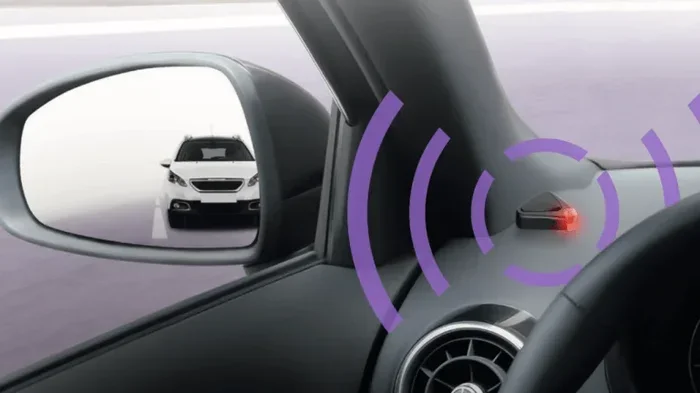
The sensors use ultrasonic sensor technology, which sends out sound waves and measures how long they take to bounce back. This is the same basic idea behind sonar parking sensor systems used in boats and submarines. When an object comes within a set distance, the system triggers an alert. The closer you get, the faster the parking sensor beep becomes.
How Parking Sensors Detect Obstacles
Each sensor in the kit contains a small transmitter and receiver. The transmitter sends out an ultrasonic pulse. When that pulse hits an object, it bounces back to the receiver. The control module calculates the distance based on the time it took for the pulse to return. This whole process happens in milliseconds, so the alert is nearly instant.
Most rear parking sensors are what people think of first. But many kits also include front parking sensors. Front sensors are especially helpful for drivers who frequently park in tight garages or navigate crowded driveways. Together, front and rear sensors create a full parking collision avoidance system around your vehicle.
Who Can Benefit from a Parking Sensor Kit?
Almost any driver benefits from a car parking sensor kit. Here are some examples of who gains the most:
- New drivers who are still building confidence and spatial awareness.
- Families with young children who need to be extra careful in driveways and school zones.
- City drivers who park on crowded streets or in tight underground garages.
- Owners of larger vehicles like SUVs, trucks, and vans that have bigger blind spots.
- Experienced drivers who simply want to protect their investment from unnecessary damage.
Even if you have been driving for years, a parking assist system adds a layer of safety that mirrors and cameras alone cannot provide. The vehicle proximity sensor alerts you to objects at bumper height that you might not see in your mirrors.
How Does a Car Parking Sensor Kit Work?
Understanding how a car parking sensor kit works helps you appreciate the technology more. The system is surprisingly simple, even though the results feel almost magical. Let us break it down step by step.
Ultrasonic Sensor Technology
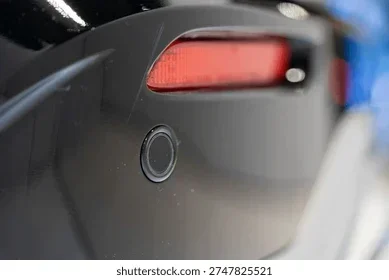
The heart of any parking sensor kit is the ultrasonic sensor. These small round units are usually made of plastic and are designed to blend in with your car’s bumper. Each sensor emits a high-frequency sound wave that is beyond human hearing. When the sound wave hits an object, it echoes back to the sensor.
The control unit processes the echo and calculates the exact distance to the object. Most aftermarket parking sensors kits can detect objects as close as 20 centimeters (about 8 inches) and as far as 2.5 meters (about 8 feet). The detection zone is carefully calibrated to give you early warning without overwhelming you with constant alerts.
The Beep and Display System
Once the sensors detect an object, they send a signal to the warning system. Most kits use a series of beeps that increase in frequency as you get closer. This is the classic parking sensor beep that most drivers immediately recognize.
More advanced car parking technology kits include a dashboard parking display. This screen shows a visual representation of the area behind or in front of your car. As you approach an object, the display changes color or shows a moving bar. Some systems even use multi-color parking warning system indicators:
- Green: Safe distance. No action needed.
- Yellow: Approaching an object. Slow down.
- Red: Very close. Stop or adjust your steering.
Some wireless parking sensor kits skip the wiring between sensors and the control unit, making installation even simpler. These systems use radio signals to transmit data, which means fewer holes in your bumper and less time under the car.
Benefits of Installing a Car Parking Sensor Kit
A car parking sensor kit offers benefits that go far beyond just avoiding a few scrapes. Let us look at the real-world advantages of adding this system to your vehicle.
Preventing Costly Damage
The most obvious benefit is damage prevention. A single scrape on your bumper can cost anywhere from 150 to 500 dollars to repair, depending on the severity. A parking collision avoidance system helps you avoid these costs entirely. Over time, the savings add up significantly.
Beyond cosmetic damage, a hard impact can damage your bumper sensors, fog lights, exhaust, or even the frame. A parking sensor kit protects all of these expensive components. Think of it as insurance specifically for your bumper and bodywork.
Building Confidence While Parking
Many drivers, especially those with larger vehicles, feel anxious when parking in tight spaces. A parking assist system removes that anxiety. You know exactly how close you are to obstacles, so you can park with precision and ease.
This confidence also helps in reverse parking situations where visibility is limited. Instead of guessing, you get real-time feedback. Over time, this builds better parking habits and makes you a more aware driver overall.
Helping New Drivers Stay Safe
If you have a teenager learning to drive or a new driver in your household, a car parking sensor kit is an excellent teaching tool. The immediate audio feedback helps new drivers develop a better sense of distance and spatial awareness. It gives them a safety net while they are still building their skills.
Many driving instructors recommend reverse sensors for learners because the beeping alerts are intuitive and easy to understand. New drivers can focus on steering and mirrors while the parking warning system handles distance awareness.
Works in All Conditions
Unlike backup cameras that can struggle in bright sunlight or at night, parking sensors work reliably in almost all conditions. Rain, fog, snow, and low light do not affect ultrasonic sensor performance. This makes a parking sensor kit a dependable companion year-round.
Types of Car Parking Sensor Kits Available
The market for aftermarket parking sensors has grown a lot in recent years. There are now many options to choose from, which is great news for buyers. But it also means you need to know what is available so you can make a smart choice.
Wired vs. Wireless Parking Sensor Kits
Wired parking sensor kits connect sensors directly to the control unit with physical cables. These tend to be more reliable and less prone to interference. They are also often more affordable. The downside is that parking sensor installation can be more involved since you need to route wires through your bumper and into the cabin.
Wireless parking sensor kits use Bluetooth or radio signals to communicate between sensors and the display. Installation is much simpler, and you do not need to run wires. However, wireless systems can sometimes experience signal interference, especially in areas with a lot of electronic devices.
| Feature | Wired Kits | Wireless Kits |
|---|---|---|
| Reliability | High | Good |
| Installation Difficulty | Moderate | Easy |
| Price Range | Lower | Higher |
| Signal Interference | None | Possible |
| Aesthetic Look | Clean (hidden wires) | Very clean (no wires) |
Single-Color vs. Multi-Color Warning Sensors
Basic parking sensor kits use a single tone that beeps faster as you get closer. These are simple and effective. More advanced kits offer multi-color displays or multi-tone alerts. A dashboard parking display with color coding gives you a visual cue in addition to audio, which many drivers find helpful.
Some premium kits also include a blind spot detection feature that extends the sensor range to the sides of the vehicle. This is especially useful for wider cars and SUVs.
How to Choose the Right Car Parking Sensor Kit
With so many options on the market, choosing the right car parking sensor kit can feel overwhelming. Here are the key factors to consider before you buy.
Consider Your Vehicle Type
The size and shape of your vehicle matter. A compact car needs fewer sensors than a large truck. Measure your bumper space and decide how many sensors you want. Most kits come with four sensors, which is ideal for rear parking sensors. If you want front parking sensors too, look for kits that include eight or more sensors.
Also consider the sensor diameter. Some sensors are small and nearly invisible, while others are larger and more visible. Choose a size that fits your bumper without looking bulky.
Look for Easy Installation
If you are handy, a DIY parking sensor installation is very doable. Look for kits that include clear instructions, mounting brackets, and all necessary wiring. Many kits also come with a wiring harness that plugs directly into your car’s existing electrical system, which saves a lot of time.
If you are not comfortable working under your car, budget for professional parking sensor installation. A mechanic can usually install a kit in one to two hours for a reasonable fee.
Check for Additional Features
Not all parking sensor kits are created equal. Here are some features worth looking for:
- Adjustable sensitivity: Lets you fine-tune how close an object needs to be before the alert triggers.
- Timer or auto-off feature: Prevents the system from beeping when you are not parking.
- Compatibility with your car model: Some kits are designed for specific makes and models.
- Weather resistance: Make sure the sensors can handle rain, snow, and extreme temperatures.
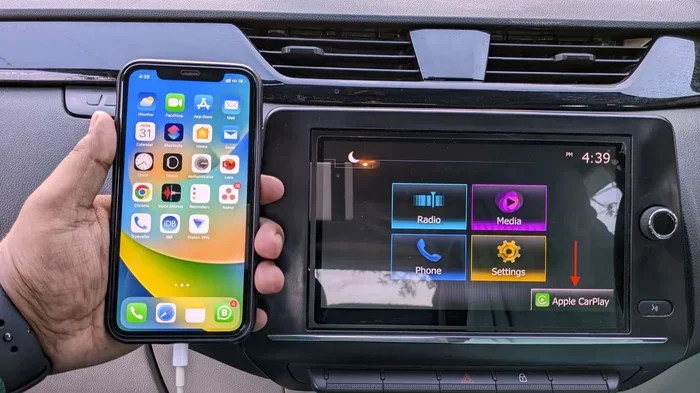
- Integration with existing systems: Some kits can connect to your factory infotainment screen.
Installation Tips and Common Mistakes
Installing a car parking sensor kit is a satisfying DIY project for many car owners. But it is also easy to make mistakes if you rush through the process. Here are some tips to ensure a smooth installation.
DIY Installation vs. Professional Help
If you decide to install the kit yourself, take your time. Follow the instructions step by step. Start by marking the sensor holes on your bumper before drilling. Use a template if the kit includes one. Proper placement is critical for accurate detection.
If at any point you feel unsure, do not hesitate to seek professional help. A parking sensor installation done poorly can lead to false alerts, poor detection, or damage to your bumper. It is better to spend a little extra on a professional than to deal with problems later.
Common Mistakes to Avoid During Setup
Here are the most common mistakes drivers make when installing a parking sensor kit:
- Placing sensors too high or too low: The sensors should be at bumper height for the most accurate readings. Mounting them too high can cause false alerts for low objects like curbs.
- Ignoring the wiring: Loose or exposed wires can cause intermittent alerts or short circuits. Use cable ties and protective sheathing.
- Skipping the test drive: Always test the system in a safe, open area before relying on it in real parking situations.
- Not adjusting sensitivity: Every vehicle and parking environment is different. Take time to set the sensitivity level that works best for you.
- Using low-quality sensors: Cheap sensors may not be weatherproof or may give inconsistent readings. Invest in a reputable brand.
Can You Install a Car Parking Sensor Kit Yourself?
The short answer is yes. Most car parking sensor kits are designed with DIY installation in mind. The basic process involves drilling small holes in your bumper, mounting the sensors, running the wiring, and connecting the control unit. For someone with basic tools and a little patience, this is a very achievable weekend project.
Here is a quick overview of what the process looks like:
- Clean and dry your bumper area where the sensors will go.
- Use the provided template to mark the drilling points.
- Drill small holes and mount the sensors with the included brackets.
- Route the wiring from the sensors to the control unit, usually behind the bumper panel.
- Connect the control unit to your car’s reverse light power source.
- Mount the display or buzzer unit in a convenient location inside the car.
- Test the system by reversing toward objects at different distances.
If you prefer not to drill holes, look for adhesive-mounted parking sensors. These use strong automotive-grade adhesive and do not require any drilling. They are slightly less permanent but work well for renters or anyone who wants a non-invasive solution.
One thing to keep in mind: some vehicles have parking sensor compatibility built into the factory wiring. Check your owner’s manual or consult a mechanic to see if your car has a pre-wired connection point. This can make parking sensor installation much faster and cleaner.
Why a Car Parking Sensor Kit Is Worth Every Penny
The cost of a car parking sensor kit typically ranges from 30 to 150 dollars for a quality kit. Professional installation adds another 50 to 100 dollars. Compare that to the cost of a single bumper repair, which can easily run 300 dollars or more. A parking sensor kit pays for itself the very first time it prevents an accident.
Beyond the financial savings, there is the peace of mind. Knowing that your car safety accessories are working every time you park removes a layer of stress from your daily routine. You park with confidence, you protect your investment, and you become a more aware driver overall.
For parents, a parking sensor kit is especially valuable. Driveways are full of unpredictable obstacles like children, pets, and garden equipment. The parking collision avoidance system provides an extra layer of protection that can make all the difference in a tight situation.
Even if your car already has a backup camera, a car parking sensor kit adds a completely different type of awareness. Cameras show you what is there; sensors tell you exactly how far away it is. Together, they create a powerful safety net that no single system can match on its own.
The car parking technology in modern parking sensor kits has come a long way. What used to be a simple beeping system has evolved into sophisticated parking assist systems with visual displays, multi-zone detection, and even smartphone integration. Whether you choose a basic kit or a premium system, you are making a smart choice for your vehicle and your safety.
Do not wait for the next scrape or dent to convince you. A car parking sensor kit is affordable, easy to install, and effective from day one. Your bumper, your wallet, and your peace of mind will all thank you.
Frequently Asked Questions
How much does a car parking sensor kit cost?
A basic car parking sensor kit costs between 30 and 80 dollars. Mid-range kits with a display screen run from 80 to 150 dollars. Premium kits with wireless sensors and multi-color displays can go up to 200 dollars. Professional installation typically adds 50 to 100 dollars to the total cost.
Can I install a car parking sensor kit myself?
Yes, most parking sensor kits are designed for DIY installation. The process involves drilling small holes in your bumper, mounting the sensors, and connecting the wiring. If you are comfortable with basic car maintenance, you can complete the installation in one to two hours.
Do parking sensors work in all weather conditions?
Ultrasonic sensor technology works reliably in rain, snow, fog, and low-light conditions. Unlike cameras, parking sensors do not rely on visibility. They use sound waves, which are not affected by weather or lighting. This makes them a dependable safety feature year-round.
Can I add parking sensors to the front of my car too?
Absolutely. Many car parking sensor kits include sensors for both the front and rear bumpers. Front parking sensors are especially useful for drivers who frequently park in tight garages or navigate narrow driveways. Some kits allow you to mix and match front and rear sensors.
Are wireless parking sensor kits as reliable as wired ones?
Wireless parking sensor kits are very convenient and easy to install, but they can occasionally experience signal interference in areas with heavy electronic activity. Wired kits tend to be more consistent in performance. However, most modern wireless kits are reliable enough for everyday use and offer a much simpler parking sensor installation process.
Will a parking sensor kit void my car warranty?
In most cases, adding an aftermarket parking sensors kit does not void your warranty. However, if the installation causes damage to your vehicle’s wiring or bumper, that damage may not be covered. To be safe, have the kit installed by a professional or follow the manufacturer’s instructions carefully to avoid any issues with your warranty.
=== CONCLUSION ===
A car parking sensor kit is one of the smartest upgrades you can make to your vehicle. It protects your car from scrapes, dings, and costly repairs while giving you confidence every time you park. The technology behind parking sensors is proven, reliable, and surprisingly affordable. Whether you choose a simple wired kit or a premium wireless system with a dashboard parking display, you are investing in your car’s safety and your own peace of mind.
Do not let another day go by with an unprotected bumper. Pick the right car parking sensor kit for your vehicle, install it properly, and enjoy the difference from your very first reverse. Your car, your wallet, and your confidence will all be better for it.