Why Arent My Blind Spot Sensors Working and What To Do
Blind spot sensors are a critical car safety feature, but they can fail due to sensor blockage, wiring issues, or calibration problems. This guide covers the most common reasons your blind spot detection system isn’t working and gives you clear, step-by-step solutions. You will learn how to diagnose the issue, try quick fixes at home, and know exactly when to visit a mechanic for blind spot sensor repair.
You flip on your turn signal, glance over your shoulder, and wait for that reassuring beep from your blind spot monitoring system. Nothing. No warning. No alert. Your blind spot sensors have gone silent, and that can be downright scary.
Modern vehicles come packed with advanced car safety features, and blind spot sensors are among the most important ones. These systems help you change lanes safely by detecting vehicles in your vehicle blind spot that you might miss in your mirrors. When they stop working, you lose a layer of protection that could prevent a serious accident.
So why exactly do blind spot sensors stop working? The answer is usually simpler than you think. In most cases, it is dirt, a loose connection, or a minor calibration issue. But sometimes the problem runs deeper, and you need a professional mechanic to step in. Either way, understanding the root cause is the first step toward a fix.
This article walks you through every common reason your blind spot detection system might be acting up. You will learn how these sensors work, what causes them to fail, and exactly what you can do about it. By the end, you will feel confident diagnosing the issue and getting your blind spot alert system back to full strength.
Key Takeaways
- Dirty or blocked sensors are the #1 cause of blind spot monitoring system failure.
- Wiring harness damage and loose connections can silently kill your blind spot alert system.
- Resetting the system often fixes minor glitches without costly repairs.
- Dashboard warning lights give early clues that your side mirror sensors need attention.
- Professional diagnosis is essential for radar sensor or module failures.
- Regular cleaning and maintenance can prevent most blind spot sensor problems.
- Ignoring warning signs can put your lane change safety at serious risk.
📑 Table of Contents
How Blind Spot Sensors Work
Before you can fix a problem, it helps to understand how the system works in the first place. Blind spot monitoring relies on a combination of sensors, wiring, and your car’s computer to keep you safe during lane changes.
The Basics of Blind Spot Detection
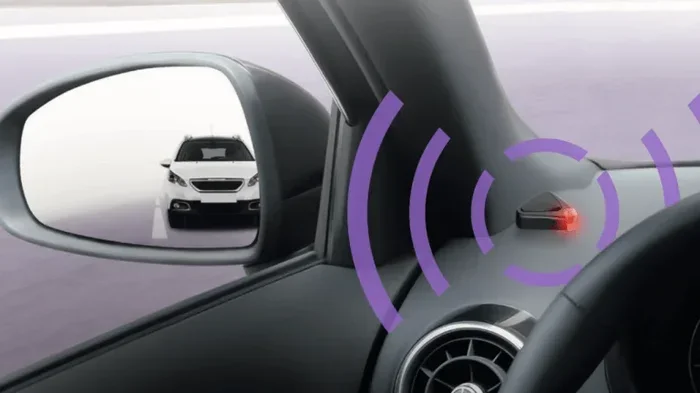
Most vehicles use radar sensors mounted on the rear bumper or side mirrors. These sensors send out signals that bounce off nearby vehicles. When the system detects a car in your lane change assistance zone, it triggers a warning light or an audible beep.
Some newer cars also include rear cross traffic alert features. These work similarly but focus on traffic approaching from the sides when you are backing up. Both systems share the same core technology, and both depend on clean, functioning sensors.
The blind spot indicator usually appears as a small icon on your side mirror or dashboard. If you see this light flash when a car is nearby, the system is doing its job. If the light stays off or stays on constantly, something is wrong.
Why These Sensors Matter for Your Safety
Blind spots exist on every vehicle. Even with properly adjusted mirrors, large vehicles like trucks and SUVs have significant blind zones. Blind spot sensors fill that gap and act as a second set of eyes. They are especially helpful in heavy traffic, on highways, and during quick lane changes.
According to the Insurance Institute for Highway Safety, vehicles equipped with blind spot monitoring have lower crash rates than those without. This makes keeping your blind spot warning system in working order not just convenient but genuinely life-saving.
Common Reasons Your Blind Spot Sensors Stop Working
When your blind spot sensors go offline, the cause usually falls into one of several categories. Let us break them down so you know what to look for.
1. Dirty or Blocked Sensors
This is the number one reason blind spot monitoring system failure happens. Radar sensors sit on the rear bumper, and they are exposed to road grime, mud, snow, and ice. Even a thin layer of dirt can block the sensor signal and cause the system to shut down.
Road salt is especially rough on these sensors during winter months. Bug splatter, tar, and mud can also build up over time. If you notice your blind spot indicator acting up after a long drive or a storm, dirt is likely the culprit.
Quick Tip: Make it a habit to gently clean the rear bumper area with a soft cloth during your regular car wash. This simple step prevents most dirt-related sensor issues.
2. Wiring and Connection Problems
Your blind spot detection system relies on a network of wires connecting the sensors to the car’s computer. Over time, these wires can become loose, corroded, or damaged. Vibrations from daily driving, exposure to moisture, and even minor accidents can cause wiring issues.
A frayed wire or a corroded connector will interrupt the signal between the sensor and the control module. The result is a sensor malfunction that may come and go or stay persistent.
Common Mistake: Many car owners ignore early signs of wiring problems, like intermittent warning lights. Catching these early can save you from a full sensor replacement later.
3. Faulty Sensor Module
Sometimes the sensor itself fails. Radar sensors have a limited lifespan, especially in harsh driving conditions. Exposure to extreme heat, cold, and moisture can wear them out over time.
If cleaning the sensor and checking the wiring does not solve the problem, the module itself may need to be replaced. This is more common in older vehicles or cars that have been through minor collisions.
4. Calibration Issues After Repairs
Did you recently have bumper work done, a rear camera installed, or a new exhaust system fitted? Any repair that involves the rear bumper area can knock your blind spot sensors out of alignment.
After such work, the system often needs recalibration. Without proper sensor calibration, the sensors may not detect vehicles correctly, or they may not work at all. This is a very common reason drivers notice their blind spot system stopped working after a visit to the shop.
5. Software Glitches and Electrical Gremlins
Modern cars are essentially computers on wheels. Your blind spot monitoring system runs on software, and like any software, it can glitch. A power surge, a dead battery, or a recent software update can cause the system to behave unpredictably.
In many cases, a simple reset fixes the issue. But if the glitch persists, a dealership or qualified mechanic may need to run diagnostic software to identify the problem.
6. Blown Fuse or Electrical Fault
Every blind spot alert system has a dedicated fuse in your car’s fuse box. If that fuse blows, the entire system goes dark. This is a quick and easy fix, but many drivers never think to check the fuse box first.
Check your owner’s manual to locate the fuse for the blind spot system. A visual inspection will tell you if the fuse is blown. Replacing it costs just a few dollars and takes only minutes.
Comparison Table: Common Causes of Blind Spot Sensor Failure
| Cause | Difficulty to Fix | Typical Cost | Frequency |
|---|---|---|---|
| Dirty or Blocked Sensors | Easy | Free | Very Common |
| Wiring or Connection Issues | Moderate | $50 – $200 | Common |
| Faulty Sensor Module | Hard | $200 – $500 | Moderate |
| Calibration Needed After Repair | Moderate | $100 – $300 | Common |
| Software Glitch | Easy | Free – $50 | Occasional |
| Blown Fuse | Very Easy | Under $5 | Common |
How to Diagnose a Faulty Blind Spot Sensor
If your blind spot sensors are not working, you do not have to guess. There are clear steps you can take to narrow down the problem before visiting a mechanic.
Step 1: Check for Dashboard Warning Lights
Your car’s dashboard is your first line of defense. Look for a blind spot warning light or a general dashboard warning light shaped like a car with curved lines on the side. If this light is on, your car is telling you the system has detected a fault.
Do not ignore this light. Even if the sensor looks clean and undamaged, the warning indicates an internal issue that needs attention.
Step 2: Inspect the Sensors Physically
Open your rear hatch or trunk and look at the rear bumper on both sides. The radar sensors are usually small, round pods hidden behind the bumper cover. Look for visible dirt, damage, or moisture inside the sensor housing.
Use a soft, damp cloth to gently clean each sensor. Avoid harsh chemicals or abrasive materials that could scratch the sensor surface.
Step 3: Check the Fuse Box
Locate your car’s fuse box, which is usually under the dashboard on the driver’s side or in the engine bay. Refer to your owner’s manual to find the fuse labeled for the blind spot system or the ADAS (Advanced Driver Assistance Systems) module.
Pull the fuse out and inspect it. If the metal strip inside is broken, the fuse is blown. Replace it with one of the same amperage rating.
Step 4: Try a System Reset
Sometimes a simple reset clears the issue. Turn your car off, disconnect the battery for about 15 minutes, and reconnect it. This resets the car’s computer and often clears minor sensor malfunction codes.
If the warning light goes away after the reset and the system works normally, the issue was likely a temporary electrical glitch.
Expert Insight: “I see a lot of drivers come in thinking their blind spot sensors are broken, when really it is just a dirty sensor or a blown fuse. Always rule out the simple fixes first,” says certified auto technician Marcus Delgado.
Quick Fixes You Can Try at Home
Not every blind spot sensor problem requires a trip to the mechanic. Here are some fixes you can do yourself with basic tools and a little patience.
Clean the Sensors Thoroughly
Grab a soft microfiber cloth and some mild soap and water. Gently wipe down both sensors on the rear bumper. Make sure to remove all mud, snow, ice, and road grime. Dry the sensors completely before starting the car.
Quick Tip: Keep a small bottle of sensor-safe cleaner in your garage. A quick wipe-down after winter driving or off-road trips can prevent buildup before it causes problems.
Reset the Blind Spot System
Most vehicles allow you to reset the blind spot monitoring system through the infotainment screen. Go to your vehicle settings, find the ADAS or driver assistance menu, and look for a “Reset Blind Spot System” option.
If your car does not have this option, the battery disconnect method works just as well.
Replace a Blown Fuse
Buy a replacement fuse with the exact same amperage rating. Push the new fuse into the same slot where the old one was. Start the car and check if the blind spot warning light has turned off.
This fix costs under five dollars and takes less than five minutes. It is always worth trying before spending money on professional repairs.
Update Your Car’s Software
Some manufacturers release software updates that address known issues with blind spot monitoring. Check with your dealership or visit the manufacturer’s website to see if an update is available for your vehicle model and year.
Installing an update is usually free and can resolve persistent software-related sensor problems.
Common Mistakes to Avoid When Troubleshooting
- Do not ignore the warning light. Even if the sensors look fine, the light means something is wrong internally.
- Do not use abrasive cleaners on the sensor surface. This can damage the delicate radar components.
- Do not assume it is a sensor failure before checking fuses and connections. The issue is often much simpler.
- Do not drive without a working blind spot system. If the system is off, be extra vigilant and always check your mirrors and over your shoulder before changing lanes.
When to See a Professional Mechanic
Some blind spot sensor issues are beyond a DIY fix. Knowing when to seek professional help can save you time, money, and frustration.
Signs You Need Professional Help
- The warning light stays on after a reset and cleaning.
- You hear a grinding or clicking noise near the rear bumper.
- The system works intermittently, turning on and off without warning.
- Your car has been in an accident, even a minor one.
- Multiple warning lights appear on your dashboard at the same time.
If you notice any of these signs, it is time to take your car to a qualified mechanic or dealership. They have specialized diagnostic tools that can read fault codes from your car’s computer and pinpoint exactly which component has failed.
Understanding Blind Spot Sensor Repair Costs
The blind spot sensor repair cost varies widely depending on the cause of the problem. Here is a rough breakdown:
- Cleaning and recalibration: Free to $100
- Fuse replacement: Under $10
- Wiring repair: $50 to $200
- Sensor module replacement: $200 to $500 per sensor
- Full system recalibration after accident: $100 to $300
These costs can vary based on your vehicle make and model, as well as your local labor rates. Luxury vehicles and newer models tend to have more expensive sensor replacements.
Quick Tip: Always get a written estimate before authorizing any repair. Ask the mechanic to explain exactly what needs to be fixed and why. A good mechanic will walk you through the process step by step.
Preventing Blind Spot Sensor Problems
The best way to deal with a blind spot sensor issue is to prevent one from happening in the first place. A little regular maintenance goes a long way toward keeping your blind spot detection system working reliably for years.
Keep the Sensors Clean
Make cleaning the rear bumper sensors part of your regular car wash routine. A quick wipe-down removes dirt, grime, and road salt before they can interfere with the sensor signal.
In winter, be extra diligent about removing snow and ice from the rear bumper area before driving. Ice buildup is one of the fastest ways to disable your blind spot monitoring system temporarily.
Protect the Sensors from Damage
Avoid parking too close to walls, curbs, and other vehicles. The rear bumper sensors can be damaged by low-speed impacts that you might not even notice. Even a minor bump can knock a sensor out of alignment or crack the housing.
If you frequently drive on rough roads or off-road, consider installing a bumper guard to shield the sensor area from debris and impact.
Stay Up to Date on Maintenance
During routine oil changes and inspections, ask your mechanic to check the blind spot sensors. They can look for loose connections, moisture inside the sensor housing, and signs of wear that you might not notice.
Expert Insight: “Prevention is always cheaper than repair. A five-minute sensor check during an oil change can catch a small wiring issue before it turns into a costly sensor replacement,” advises certified mechanic Sarah Lin.
Pay Attention to Dashboard Warnings
Your car talks to you through warning lights. When a blind spot indicator or any related warning appears, address it promptly. Ignoring these warnings can lead to a complete system failure when you need it most.
Keep your owner’s manual handy and familiarize yourself with what each warning light looks like. The faster you respond to a warning, the easier and cheaper the fix usually is.
Key Takeaways
- Dirty or blocked sensors are the most common cause of blind spot monitoring system failure. Regular cleaning prevents this.
- Wiring harness damage and loose connections can silently kill your blind spot alert system. Inspect wires after any rear bumper work.
- Resetting the system often fixes minor glitches without costly repairs. Try a battery disconnect before visiting a mechanic.
- Dashboard warning lights give early clues that your side mirror sensors need attention. Never ignore them.
- Professional diagnosis is essential for radar sensor or module failures. Specialized tools are required to read fault codes.
- Regular cleaning and maintenance can prevent most blind spot sensor problems and extend the system’s lifespan.
- Ignoring warning signs can put your lane change safety at serious risk. Address issues immediately.
Conclusion
A working blind spot sensor system gives you peace of mind every time you change lanes on the highway. When it stops working, it can feel like a major safety gap, but the good news is that most causes are easy to identify and fix.
Start with the basics. Clean your sensors, check your fuses, and try a system reset. These simple steps solve the problem more often than you might think. If the issue persists, do not hesitate to visit a professional mechanic who can run diagnostics and pinpoint the exact cause.
Taking care of your blind spot detection system is part of responsible car ownership. Regular maintenance, prompt attention to warning lights, and a little preventive care will keep your blind spot monitoring system working reliably for years to come. Your safety on the road depends on it.
Now that you know what to look for and what to do, you are better equipped to handle the next time your blind spot sensors give you trouble. Trust your instincts, follow the steps in this guide, and stay safe out there.
Frequently Asked Questions
Can I drive safely if my blind spot sensors are not working?
You can drive, but you must be extra cautious. Always check your mirrors and physically turn your head to look over your shoulder before changing lanes. Without the sensor alert, you lose an important safety layer, so heightened awareness is essential until the system is repaired.
How much does it cost to replace a blind spot sensor?
The cost typically ranges from $200 to $500 per sensor, depending on your vehicle make and model. Labor costs can add another $50 to $150. Getting a written estimate from a trusted mechanic before the repair is always a smart move.
Can weather affect my blind spot sensors?
Yes, weather can definitely affect sensor performance. Heavy rain, snow, ice, and even thick fog can temporarily interfere with the radar signal. Once the weather clears, the sensors usually return to normal operation.
How do I know if my blind spot sensor is dirty versus broken?
Start by cleaning the sensor thoroughly with a soft cloth and mild soap. If the system works normally after cleaning, the issue was dirt. If the warning light stays on or the system still does not respond, the sensor may be broken and need professional diagnosis.
Does a blind spot sensor reset fix the problem permanently?
A reset fixes the problem permanently only if the cause was a temporary software glitch or minor electrical issue. If the sensor itself is damaged, the wiring is faulty, or the module has failed, a reset will not solve the underlying problem.
Can aftermarket accessories interfere with blind spot sensors?
Yes, aftermarket accessories like roof racks, bumper guards, or custom exhaust systems can sometimes interfere with sensor function. If you install any accessory near the rear bumper, have it checked to make sure it does not block or disrupt the sensor signal.