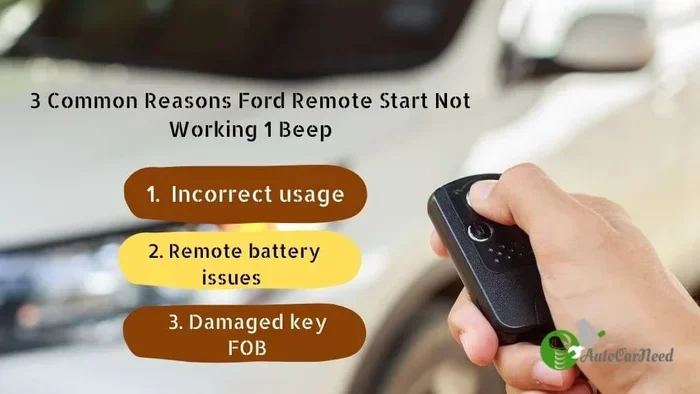
Why Doesnt My Car Start With the Remote Starter Button
Your car might not start with the remote starter button because of a weak key fob battery, a faulty ignition switch, or an active anti-theft system. Other culprits include a dead car battery, wiring problems, or a damaged starter motor. This guide walks you through every likely cause and shows you exactly how to fix each one step by step.
Key Takeaways
- Weak Key Fob Battery: The most common reason your remote starter fails is a dying battery in your key fob.
- Anti-Theft System Activation: Your vehicle’s immobilizer may block the engine from starting remotely.
- Dead Car Battery: A fully drained car battery will prevent the remote starter from working at all.
- Faulty Starter Motor: Wear and tear on the starter motor can cause remote start failure.
- Wiring and Electrical Issues: Damaged wiring or loose connections often interrupt the remote start signal.
- Cold Weather Problems: Low temperatures can thicken oil and weaken your battery, making remote starting harder.
- Aftermarket Remote Start Systems: Improper installation of an aftermarket system is a frequent cause of remote start issues.
📑 Table of Contents
- Why Doesnt My Car Start With The Remote Starter Button
- Common Reasons Your Car Wont Start With The Remote
- How to Troubleshoot Your Remote Starter Button
- Aftermarket Remote Start Systems: Common Installation Issues
- When to See a Professional Mechanic
- Preventing Remote Start Problems in the Future
- Comparison: Factory vs Aftermarket Remote Start Systems
- Expert Insight: What Mechanics Want You to Know
- Key Takeaways
- Frequently Asked Questions
- Final Thoughts
Why Doesnt My Car Start With The Remote Starter Button
You walk out to your car on a cold morning. You press the remote starter button. Nothing happens. You press it again. Still nothing. Its frustrating, right? You expected your car to fire up and warm up for you. Instead, you are standing there staring at a silent vehicle.
This happens more often than you think. Thousands of drivers face this problem every single day. The good news is that most causes are easy to fix. You do not need to be a mechanic to understand what is going wrong. In this article, we will break down every reason why your car wont start with the remote starter button. We will also give you simple fixes you can try right now.
Whether you have a factory remote start system or an aftermarket one, this guide covers you. We will look at everything from a weak key fob battery to serious wiring problems. By the end, you will know exactly what to check and what to do next.
Understanding How Your Remote Starter Works
Before we dive into the reasons, let us quickly understand how a remote starter works. When you press the button on your key fob, it sends a radio signal to your car. The car’s computer receives that signal. Then it checks several safety conditions. If everything looks good, it engages the starter motor and cranks the engine.
This whole process happens in seconds. But if any part of that chain breaks, your car will not start. Think of it like a line of dominoes. If one domino falls out of place, the whole line stops. The same thing happens with your remote start system. One weak link can shut everything down.
Common Reasons Your Car Wont Start With The Remote
Let us get into the heart of the matter. Here are the most common reasons your car does not start when you use the remote starter button.
1. Weak or Dead Key Fob Battery
This is the number one cause. Your key fob runs on a small battery. Over time, that battery loses its charge. When the battery gets weak, the signal it sends to your car becomes weak too. Sometimes the signal is too weak to reach the car’s computer.
You might notice other signs first. Your remote entry might stop working. The lock buttons might need you to stand right next to the car. These are all clues that your fob battery is dying.
Quick Fix: Replace the battery in your key fob. Most fobs use a CR2032 coin battery. It costs about two dollars and you can swap it in under five minutes.
2. Dead Car Battery
Your remote starter needs power from your car battery to work. If your car battery is dead or very low, the remote start simply cannot function. This is especially common in cold weather. Low temperatures drain car batteries faster than normal.
You might have left your lights on overnight. Or maybe your battery is just old and worn out. Either way, a dead battery means no remote start. And it usually means no regular start either.
Quick Fix: Try jump-starting your car first. If the jump works, your battery is the problem. Consider replacing it if it is more than three years old.
3. Anti-Theft System or Immobilizer Activation
Modern cars have built-in security systems. These systems are called immobilizers. They prevent your car from starting unless the right key is recognized. When you use a remote starter, the car still needs to verify the key.
Sometimes the security system gets confused. It might not recognize the key fob signal. This can happen after a battery change, a system reset, or even a software glitch. When the immobilizer activates, it blocks the engine from cranking.
Quick Fix: Try sitting inside the car with the key fob near the ignition. Turn the key to the “on” position and wait ten seconds. This often resets the security system and allows remote start to work again.
4. Faulty Starter Motor
The starter motor is what actually cranks your engine. When you press the remote start button, it sends a signal to the starter. If the starter motor is worn out or damaged, it will not engage. You might hear a clicking sound or nothing at all.
Starter motors wear out over time. They typically last around 100,000 miles. If you drive an older car, a failing starter is a real possibility. Heat and moisture can also damage the starter over the years.
Quick Fix: Have a mechanic test your starter motor. Replacement costs usually range from 300 to 500 dollars including labor.
5. Wiring and Electrical Connection Problems
Your remote start system relies on a network of wires. These wires connect the key fob receiver to the starter, ignition, and battery. If any wire is damaged, loose, or corroded, the signal gets interrupted.
This problem is more common in cars with aftermarket remote start systems. Poor installation can leave wires loose or exposed. Vibration from driving can slowly loosen connections over time. Moisture can also cause corrosion on electrical connectors.
Quick Fix: Open your hood and look for any visibly damaged wires. Check that all connections are tight. If you are not comfortable working with electrical components, take your car to a professional.
6. Cold Weather and Thickened Engine Oil
Cold weather is a remote starter’s worst enemy. When temperatures drop, several things happen at once. Your battery loses power. Your engine oil thickens. Your fuel system struggles to deliver gasoline efficiently.
All of these factors combined can prevent a remote start from working. The car’s computer may actually refuse to start the engine if it detects unsafe conditions. This is a safety feature, not a bug.
Quick Fix: Install an engine block heater if you live in a cold climate. It keeps your engine warm and makes remote starting much more reliable. Also, consider switching to a thinner grade of oil for winter months.
How to Troubleshoot Your Remote Starter Button
Now that you know the common causes, let us walk through the troubleshooting process. Follow these steps in order to narrow down the problem.
Step 1: Check the Key Fob
Start with the simplest thing first. Is your key fob working for remote entry? Try locking and unlocking your car. If the fob does not work for entry either, the battery is almost certainly the issue. Replace it and try again.
If the fob works for entry but not for starting, the problem might be elsewhere. But it is still worth trying a fresh battery first. Sometimes the fob has just enough power for short-range functions but not for the longer-range start signal.
Step 2: Check the Car Battery
Look at your dashboard when you open the door. Are the lights dim? Does the dashboard look faded? These are signs of a weak car battery. You can also use a multimeter to check the voltage. A healthy battery should read 12.6 volts or higher.
If the voltage is below 12.0 volts, your battery needs charging or replacing. A fully charged battery is essential for remote starting to work properly.
Step 3: Check for Security System Warnings
Look at your dashboard for any security lights. A flashing lock icon or a car with a key symbol means your immobilizer is active. This is a clear sign that the security system is blocking the start command.
Try the reset method mentioned earlier. Sit in the car, turn the key to “on,” and wait. If the security light stops flashing, the system has reset and you can try the remote start again.
Step 4: Listen for Sounds
When you press the remote start button, listen carefully. Do you hear a click? A hum? Or complete silence? Each sound tells you something different.
A single click often points to a starter motor problem. A hum followed by silence might indicate a fuel delivery issue. Complete silence usually means an electrical problem or a dead battery. These clues help you narrow down the cause quickly.
Aftermarket Remote Start Systems: Common Installation Issues
Many drivers install aftermarket remote start systems to add this convenience to older cars. While these systems work great, they can also cause problems if not installed correctly.
Poor Wiring Connections
Aftermarket systems require tapping into your car’s existing wiring. If the installer did not make clean, secure connections, the system will fail. Loose wires can vibrate free over time. Corroded connections can interrupt signals.
Always have your aftermarket system installed by a certified professional. It might cost a little more upfront, but it saves you from headaches later. A proper installation includes heat-shrink connections and secure mounting.
Incompatible Remote Start Modules
Not all remote start modules work with every vehicle. Some cars have complex security systems that are hard to bypass. If the module you purchased is not compatible with your car model, it simply will not work.
Before buying any aftermarket system, check compatibility with your specific make, model, and year. Many manufacturers list compatible vehicles on their websites. When in doubt, ask a professional installer.
Programming and Pairing Problems
After installation, the remote start module needs to be programmed correctly. This involves pairing the key fob with the car’s computer. If this step is done incorrectly, the system will not recognize the start command.
Most systems come with detailed programming instructions. Follow them exactly. If you are unsure, have the installer walk you through the process or do it for you.
When to See a Professional Mechanic
Some remote start problems are simple enough to fix yourself. But others require professional help. Here is when you should take your car to a mechanic.
If you have tried all the basic troubleshooting steps and your car still will not start, it is time for expert help. A mechanic can run diagnostic tests on your car’s computer. These tests reveal error codes that point to the exact problem.
You should also see a professional if you suspect wiring issues. Working with your car’s electrical system can be risky. A trained mechanic has the right tools and experience to handle it safely.
Additionally, if your car is still under warranty, DIY repairs might void that warranty. Check with your dealer before attempting any fixes. They can often resolve remote start issues for free if the problem is covered.
Preventing Remote Start Problems in the Future
The best way to deal with remote start issues is to prevent them from happening in the first place. Here are some simple habits that keep your remote start system working smoothly.
- Replace your key fob battery every year. Do not wait until it dies. A proactive swap saves you from being stranded.
- Keep your car battery healthy. Get it tested twice a year, especially before winter. Replace it every 3 to 5 years.
- Protect your wiring. Make sure all connections under the hood are secure and free from corrosion.
- Use your remote start regularly. A system that sits unused for months can develop issues. Start your car at least once a week.
- Follow the manufacturer’s maintenance schedule. Regular checkups catch small problems before they become big ones.
Comparison: Factory vs Aftermarket Remote Start Systems
Not all remote start systems are created equal. Here is a quick comparison between factory-installed and aftermarket systems.
| Feature | Factory Remote Start | Aftermarket Remote Start |
|---|---|---|
| Compatibility | Built for your specific vehicle | Varies by model and brand |
| Installation Cost | Included with the car | 200 to 500 dollars |
| Reliability | Very high | Depends on installer quality |
| Warranty Coverage | Usually covered | Varies by provider |
| Key Fob Range | Optimized for the vehicle | Standard range, may vary |
| Security Integration | Seamless with factory security | May require additional setup |
Factory systems are generally more reliable because they are designed specifically for your car. Aftermarket systems offer more flexibility and are a great option for older vehicles. But they require careful installation and regular maintenance.
Expert Insight: What Mechanics Want You to Know
“The most common mistake I see is drivers ignoring the small warning signs,” says certified mechanic Jake Morrison. “A key fob that needs to be within arm’s reach to work, a dashboard security light that flashes intermittently, or a remote start that takes longer than usual to engage. These are all early warning signs. Address them early and you save yourself from a bigger problem down the road.”
Morrison also emphasizes the importance of using OEM-quality replacement parts. “Cheap batteries, off-brand fobs, and low-quality aftermarket modules cause more problems than they solve. Spend a little more on quality and your remote start system will reward you with years of reliable service.”
Key Takeaways
- Weak Key Fob Battery: The most common reason your remote starter fails is a dying battery in your key fob.
- Anti-Theft System Activation: Your vehicle’s immobilizer may block the engine from starting remotely.
- Dead Car Battery: A fully drained car battery will prevent the remote starter from working at all.
- Faulty Starter Motor: Wear and tear on the starter motor can cause remote start failure.
- Wiring and Electrical Issues: Damaged wiring or loose connections often interrupt the remote start signal.
- Cold Weather Problems: Low temperatures can thicken oil and weaken your battery, making remote starting harder.
- Aftermarket Remote Start Systems: Improper installation of an aftermarket system is a frequent cause of remote start issues.
Frequently Asked Questions
Why does my remote start work sometimes but not always?
This usually points to an intermittent electrical issue. It could be a weak key fob battery, a loose wiring connection, or a failing car battery. Check your fob battery first since it is the easiest fix. If the problem persists, have a mechanic inspect your electrical connections and battery health.
Can a dead key fob battery prevent my car from starting remotely?
Absolutely. A weak or dead key fob battery is the single most common reason a remote starter fails. The fob cannot send a strong enough signal to reach your car’s computer. Replacing the battery usually solves this problem instantly and costs just a couple of dollars.
Is it normal for my car not to remote start in very cold weather?
Some vehicles have built-in safety features that prevent remote starting in extreme cold. This protects your engine from damage. However, if your car normally starts in cold weather and suddenly stops, the issue is likely a weak battery or thickened oil. Consider using an engine block heater during winter months.
How much does it cost to fix a remote starter button that is not working?
The cost varies widely depending on the cause. A key fob battery replacement costs under five dollars. A new car battery runs between 100 and 250 dollars. Starter motor replacement typically costs 300 to 500 dollars. Wiring repairs can range from 100 to 300 dollars depending on the complexity. Always get a diagnostic first so you know exactly what needs fixing.
Can an aftermarket remote start system damage my car?
If installed incorrectly, an aftermarket system can potentially cause electrical problems. Poor wiring connections can drain your battery or damage your car’s computer. However, when installed by a certified professional using quality parts, aftermarket remote start systems are safe and reliable. Always choose a reputable installer with good reviews and proper certifications.
How often should I replace my key fob battery?
Most mechanics recommend replacing your key fob battery once a year. This prevents the frustrating situation of a dead battery when you need it most. If you notice your remote entry becoming sluggish or your range decreasing, it is time to swap the battery. It is a quick, easy, and inexpensive maintenance task everyone can do at home.
Final Thoughts
Dealing with a car that will not start with the remote starter button is incredibly frustrating. But the good news is that the cause is usually simple and fixable. Most of the time, it comes down to a weak key fob battery or a dead car battery. Both are easy and inexpensive to address.
Do not panic the next time your remote starter button fails. Work through the troubleshooting steps we covered in this article. Start with the simplest fixes and work your way up. Replace the fob battery first. Check your car battery next. Then look at the security system and wiring.
If none of these steps solve the problem, it is time to call a professional. A qualified mechanic can run diagnostics and pinpoint the exact issue. Regular maintenance keeps your remote start system running smoothly for years to come.
Remember, your remote starter is a convenience feature designed to make your life easier. Treat it well with basic maintenance, and it will serve you reliably through every season. You will be stepping into a warm car on those cold winter mornings before you know it.