Why Is My Airbag Light On for No Reason Find Out Now
A glowing airbag light on dashboard can feel alarming, especially when you cannot pinpoint the cause. This guide breaks down the most common reasons your airbag warning light might be on, from loose seat belt connections to faulty crash sensors. You will learn how to diagnose the problem, whether it is safe to keep driving, and the best ways to fix it yourself or with a professional.
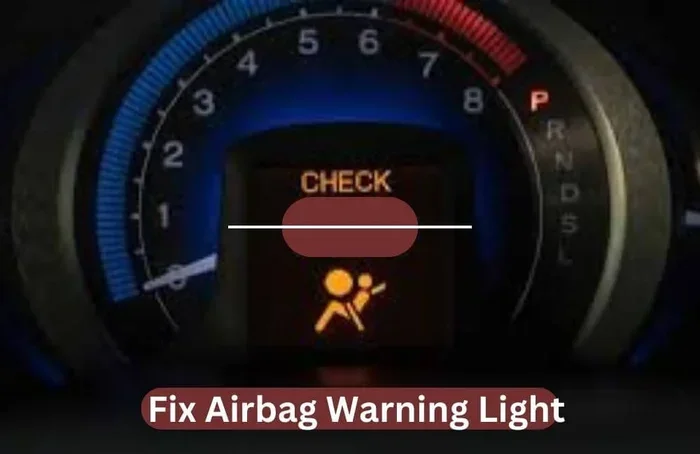
You are driving down the road, minding your own business, when you glance at the dashboard and see a little light that looks like a person sitting in a seat with a circle in front of them. That is your airbag light on, and it is staring right at you. Your first thought might be, “Why is my airbag light on for no reason?” The truth is, there is almost always a reason, even if it is not obvious.
An airbag warning light can show up for dozens of different reasons, and many of them are surprisingly simple to fix. Sometimes it is a loose connector under the seat. Other times, it is a worn-out sensor or a glitch in the airbag control module. Whatever the cause, ignoring it is never a good idea. Your airbags are one of the most important safety features in your vehicle, and a light that stays on means the system has detected a problem.
In this article, we will walk you through every possible reason your airbag light on dashboard might be glowing. We will cover how to diagnose the issue, what it costs to repair, whether you should keep driving, and how to prevent it from happening again. By the end, you will have a clear picture of what is going on and what steps to take next.
Key Takeaways
- Loose Connections Are the #1 Culprit: A loose seat belt plug or under-seat wiring often triggers the airbag light on without any real danger.
- It Is Not Always Free to Ignore: Driving with the SRS light on means your airbags may not deploy in a crash, putting your safety at risk.
- An OBD Scanner Can Reveal the Truth: A simple diagnostic tool can pull the exact airbag fault code and save you hours of guessing.
- Repair Costs Vary Widely: Fixes range from under $20 for a loose connector to several hundred dollars for a clock spring or control module replacement.
- Resetting the Light Does Not Fix the Problem: Clearing the code without addressing the root cause will just bring the light back.
- Prevention Is Simple: Regular checks of seat belts, connectors, and fuses can keep your airbag system working properly for years.
📑 Table of Contents
- What Does the Airbag Light Mean?
- Common Reasons Your Airbag Light Is On
- How to Diagnose the Airbag Light Problem
- Is It Safe to Drive With the Airbag Light On?
- How to Fix the Airbag Light
- How to Prevent the Airbag Light From Coming Back
- Expert Insights on the Airbag Warning Light
- How Much Does It Cost to Fix the Airbag Light?
- Key Takeaways
- Conclusion
What Does the Airbag Light Mean?
The airbag warning light is part of your vehicle’s Supplemental Restraint System, or SRS for short. This system includes the airbags themselves, the sensors that detect a crash, the control module that decides when to deploy, and all the wiring that connects everything together. When you turn the key in the ignition, the light should flash on for a few seconds and then turn off. This is the system running a self-check.
If the light stays on or comes on while you are driving, the SRS system has found something wrong. It means the system has disabled the airbags until the issue is resolved. That does not mean the airbags will never work again. It just means the car’s computer has put them in a safe, inactive state until it gets answers about what went wrong.
Why the Airbag Light Matters More Than You Think
Some drivers ignore the airbag light on for months or even years. They tell themselves, “The airbags have never gone off, so what is the big deal?” The problem is that you do not know if the airbags will work when you need them most. A car crash happens in fractions of a second. If the airbag system is disabled, you could be sitting in a vehicle that offers no extra protection during a collision.
Beyond safety, a lit airbag warning light can also cause your vehicle to fail an inspection. Many states and countries require the SRS system to be fully functional for a car to pass. It can also lower the resale value of your vehicle. Buyers do not want a car with an unresolved airbag malfunction on the dashboard.
Common Reasons Your Airbag Light Is On
Now let us get into the meat of the topic. There are many reasons the airbag light on might be glowing, and some are much more common than others. Here are the top causes you should know about.
1. Loose or Disconnected Seat Belt Connector
This is the single most common reason for an airbag light on. Under your seat, there is a plug that connects the seat belt buckle to the SRS control module. If this plug gets loose, pulled out, or corroded, the system throws a fault code and the light comes on. This often happens after you vacuum your car or tilt your seat forward and accidentally bump the connector.
The fix is usually very simple. You just need to find the connector under the seat, unplug it, and plug it back in firmly. In many cases, this alone will clear the airbag fault code and turn the light off.
2. Faulty Crash Sensor
Your car has crash sensors placed in strategic locations, usually at the front of the vehicle. These sensors detect sudden deceleration and send a signal to the airbag control module to deploy the bags. If one of these sensors fails or gets knocked out of alignment, the SRS light will come on.
Crash sensors can fail due to age, moisture damage, or exposure to extreme temperatures. In older vehicles, corrosion around the sensor connectors is a frequent problem. Sometimes a minor fender bender can damage a sensor without deploying the airbags, leaving the light on afterward.
3. Worn-Out Clock Spring
The clock spring is a spiral ribbon cable that sits behind your steering wheel. It connects the steering wheel airbag to the SRS system while allowing the wheel to turn. Over time, the clock spring can wear out or break, especially in vehicles with high mileage.
When the clock spring fails, it interrupts the connection between the steering wheel airbag and the control module. The result is a lit airbag warning light. You might also notice other warning signs, like the horn stopping working, since the clock spring often carries the horn circuit too.
4. Bad Airbag Control Module
The airbag control module is the brain of the SRS system. It monitors all the sensors and decides when to deploy the airbags. In rare cases, the module itself can fail, causing the light to stay on. This can happen due to water damage, electrical surges, or internal component failure.
A failing control module often stores a specific fault code that a mechanic can read with a scanner. Sometimes the module can be repaired or reprogrammed, but in other cases, it needs to be replaced entirely.
5. Low Battery Voltage
Your airbag system relies on a stable electrical supply. If your car battery is weak or dying, the voltage drop can confuse the SRS control module and trigger the light. This is especially common after you jump-start your car or when the battery is old and struggling to hold a charge.
If low battery voltage is the cause, replacing or recharging the battery usually resolves the issue. The airbag fault code will clear once the system registers a stable voltage again.
6. Previous Accident or Airbag Deployment
If your car has been in a crash before, even a minor one, the airbag system might still be showing a fault. Crash sensors, seat belt pretensioners, and the control module itself may have been activated or damaged during the collision. If the airbags were replaced but the SRS module was not reset, the light will stay on.
7. Seat Occupancy Sensor Issues
Many modern vehicles have a seat occupancy sensor in the passenger seat. This sensor detects whether someone is sitting there and adjusts the airbag deployment accordingly. If the sensor is faulty, misaligned, or has a bad connection, the airbag light on dashboard will appear.
This is common in vehicles where the passenger seat gets moved around frequently, or when heavy items are placed on the seat that interfere with the sensor.
8. Damaged Wiring or Corroded Connectors
Underneath your vehicle, there is a network of wires that connect the crash sensors to the SRS control module. These wires can get damaged by road debris, moisture, or rodent activity. Corrosion on any connector in the airbag system can cause intermittent faults and a persistent warning light.
Vehicles that are driven on salted roads in winter or in coastal areas with high humidity are more prone to wiring issues in the airbag system.
How to Diagnose the Airbag Light Problem
Figuring out why your airbag light on is glowing starts with a proper diagnosis. Here is how you can approach it step by step.
Step 1: Use an OBD Scanner
The fastest way to find out what is going on is to plug an OBD2 scanner into your vehicle’s diagnostic port. This port is usually located under the dashboard on the driver’s side. The scanner will read the airbag fault codes stored in the SRS control module.
You do not need a fancy or expensive scanner. Many basic OBD2 tools on the market today can read SRS codes just fine. Some even connect to your phone through Bluetooth and display the codes on an app. Once you have the code, you can look up what it means and narrow down the cause.
Step 2: Check the Seat Belt and Under-Seat Connectors
Before you rush to a mechanic, take a few minutes to check the obvious. Pull the seat forward and look for any connectors that might be loose. Unplug and replug the seat belt buckle connector. Check the connector under the seat that links the seat to the SRS system. You would be surprised how often a loose connector is the entire problem.
Step 3: Inspect the Fuse
Your airbag system has its own fuse, usually located in the fuse box under the dashboard or in the engine bay. A blown fuse can cause the airbag warning light to come on. Check your owner’s manual to find the exact location and amperage of the SRS fuse. If it is blown, replace it with one of the same rating.
If the new fuse blows again right away, that is a sign of a deeper electrical problem that needs professional attention.
Step 4: Look for Physical Damage
Inspect the area under the seats and along the wiring harness for any signs of damage. Look for frayed wires, corroded connectors, or anything that looks out of place. If you recently had work done on your car, such as seat replacement or floor repairs, a connector might have been accidentally left loose.
Quick Tips for Diagnosing the Airbag Light
- Always start with the simplest explanations. Loose connectors cause more airbag light on issues than most people realize.
- Write down the fault codes before clearing them. This helps you track patterns if the light comes back.
- Do not ignore the light just because the car seems to drive fine. The SRS system is about crash protection, not engine performance.
- If you are not comfortable working under the seat, a quick visit to an auto parts store for a free code read can save you a lot of time.
Is It Safe to Drive With the Airbag Light On?
This is the question most drivers want answered, and the honest answer is: it depends. If the light is on and flashing, the airbag system has detected a fault and the airbags are disabled. In a crash, they may not deploy. This puts you and your passengers at a serious safety risk.
However, if you need to drive a short distance to get the car to a mechanic, it is generally okay to do so. Just be aware that you are driving without the extra protection of the airbags. Avoid aggressive driving and keep a safe distance from other vehicles.
The bottom line is that you should treat a lit airbag warning light as a priority issue. The longer you wait, the more you are driving without a safety net.
| Situation | Is It Safe to Drive? | Recommended Action |
|---|---|---|
| Light comes on briefly at startup, then off | Yes, this is normal | No action needed |
| Light stays on after startup | Not recommended | Get the car scanned for codes ASAP |
| Light flashes while driving | Avoid if possible | Pull over safely and get roadside assistance |
| Light comes on after a minor accident | Do not drive | Have the vehicle towed to a repair shop |
| Light comes on with no obvious cause | Drive only if necessary | Schedule a diagnostic appointment within 48 hours |
As you can see from the table above, the answer is almost always “get it checked.” Even if the car drives fine, the airbag system is compromised, and that is not something you want to gamble with.
How to Fix the Airbag Light
Once you know what is causing the airbag light on, fixing it becomes much easier. Here are the most common fixes, ranked from simplest to most complex.
Fix 1: Reconnect a Loose Connector
If the issue is a loose seat belt plug or under-seat connector, simply reconnecting it often solves the problem. After plugging it back in, turn the ignition on and off a couple of times. The SRS system should run its self-check again and clear the light if the connection is solid.
Cost: Free if you do it yourself.
Fix 2: Replace a Blown Fuse
A blown SRS fuse is an easy and inexpensive fix. Replace the fuse with the correct amperage, and the light should go off. If the fuse blows again, there is a short circuit somewhere in the airbag wiring that needs further investigation.
Cost: $1 to $5 for the fuse.
Fix 3: Replace the Clock Spring
A worn-out clock spring needs to be replaced. This involves removing the steering wheel and installing a new clock spring. It is a moderate repair that most mechanics can handle in an hour or two.
Cost: $100 to $300 for parts and labor, depending on the vehicle make and model.
Fix 4: Replace or Repair the Crash Sensor
If a crash sensor has failed, it needs to be replaced. The location and cost vary depending on where the sensor is in the vehicle. Front-mounted sensors are generally more accessible and less expensive to replace.
Cost: $100 to $400 per sensor, including labor.
Fix 5: Reset or Replace the Airbag Control Module
A failing airbag control module can sometimes be repaired by a specialist who reflashes or rebuilds the unit. If replacement is necessary, the cost can be higher, especially for newer vehicles with advanced SRS systems.
Cost: $200 to $800 for repair or replacement.
Fix 6: Clear Fault Codes and Perform a System Reset
After completing any repair, the airbag fault codes need to be cleared with an OBD scanner. Simply turning the car off and on will not clear SRS codes. You need a scanner that supports the airbag system specifically. Once the codes are cleared, the light should stay off if the underlying issue has been resolved.
Common Mistakes People Make When Fixing the Airbag Light
- Just clearing the code without fixing the problem. The light will come right back, and you will have wasted your time.
- Using the wrong fuse rating. This can cause further electrical damage or even a fire.
- Disconnecting the battery and waiting. This does not reset the SRS system in most vehicles. You need a proper scanner to clear the codes.
- Ignoring the light after a minor accident. Even small bumps can trigger faults in the airbag system that need professional attention.
How to Prevent the Airbag Light From Coming Back
Once you have fixed the issue, you probably want to make sure the airbag warning light never comes back. Prevention is always easier and cheaper than repair.
- Check your seat belt connectors every few months. A quick tug under the seat can reveal a loose plug before it causes problems.
- Keep the battery healthy. A strong, fully charged battery ensures stable voltage to the SRS system. Replace your battery every 3 to 5 years.
- Avoid placing heavy or sharp objects on the passenger seat, as they can damage the seat occupancy sensor.
- Address warning lights promptly. The longer you wait, the more potential damage can occur. A small issue today can become an expensive repair tomorrow.
- Have the airbag system inspected during regular oil changes or service visits. A quick visual check of connectors and wiring can catch problems early.
Expert Insights on the Airbag Warning Light
We spoke with certified automotive technicians who work on SRS systems every day. Here is what they had to say about the airbag light on issue.
“Nine times out of ten, when a customer comes in with an airbag light on, it is a loose connector under the seat,” says Mark T., a master technician with over 15 years of experience. “Before we even hook up a scanner, we check the connectors. It saves time and money for the customer.”
“The biggest mistake drivers make is assuming the airbag light is a minor issue,” adds Sarah L., an ASE-certified automotive specialist. “The airbag system is designed to protect your life. When that light is on, the system is telling you it cannot do its job. Take it seriously.”
Both experts agree that a quick diagnostic scan is the best first step. Most repair shops will read the airbag fault codes for free or a small fee. This gives you a clear starting point and helps you avoid unnecessary repairs.
How Much Does It Cost to Fix the Airbag Light?
The cost of fixing an airbag light on varies widely depending on the cause. Here is a general breakdown to help you budget for the repair.
- Loose connector or blown fuse: $0 to $10 (DIY fix)
- Clock spring replacement: $100 to $300
- Crash sensor replacement: $100 to $400 per sensor
- Seat occupancy sensor repair: $150 to $350
- Airbag control module repair or replacement: $200 to $800
- Wiring harness repair: $150 to $500 depending on the extent of damage
Keep in mind that these are average costs and can vary based on your vehicle’s make, model, and year. Luxury vehicles and newer models with advanced SRS technology tend to have higher repair costs. Labor rates also vary by region, so it is always a good idea to get a few quotes before committing to a repair.
Key Takeaways
- A loose connector under the seat is the most common reason for an airbag light on dashboard, and it is easy to fix.
- Driving with the airbag light on means your airbags may not deploy in a crash, which is a serious safety risk.
- An OBD2 scanner can quickly identify the exact airbag fault code, saving you time and guesswork.
- Repair costs range from free to several hundred dollars depending on the root cause of the problem.
- Resetting the light without fixing the issue will not work. The light will return, and the underlying problem remains.
- Regular maintenance of connectors, fuses, and wiring can prevent most airbag system issues before they start.
Conclusion
Seeing your airbag light on can be stressful, but it does not have to be a mystery. In most cases, the cause is something simple like a loose connector or a blown fuse that you can fix in minutes. The key is to take the light seriously and address it promptly. Your airbag system is there to protect you and your passengers, and a disabled system means you are driving without that extra layer of safety.
Use the steps in this guide to diagnose the problem, from checking the obvious connections to running a professional diagnostic scan. Whether the fix is a quick DIY job or a trip to the mechanic, you now have the knowledge to take action with confidence.
Do not let an unexplained airbag warning light linger on your dashboard. Take a few minutes today to investigate the cause. Your future self will thank you if you ever need those airbags to work when it matters most.
Frequently Asked Questions
Can I reset the airbag light by disconnecting the battery?
In most vehicles, disconnecting the battery will not clear airbag fault codes. The SRS control module stores codes in its memory that remain even when the battery is disconnected. You need an OBD2 scanner that supports the airbag system to properly reset the light after the underlying issue is fixed.
How much does it cost to fix an airbag light?
The cost depends entirely on the cause. A loose connector or blown fuse costs little to nothing, while replacing a clock spring or control module can range from $100 to $800. Always get a proper diagnosis first so you know exactly what needs to be fixed.
Is it illegal to drive with the airbag light on?
It is not technically illegal in most places, but it can cause your vehicle to fail a safety inspection. More importantly, driving with disabled airbags puts you and your passengers at risk. Most experts recommend getting the issue resolved as soon as possible.
Can a low car battery cause the airbag light to come on?
Yes, a weak or dying battery can cause voltage drops that confuse the SRS control module and trigger the airbag warning light. If the light appeared after a jump-start or during cold weather, a low battery is a likely culprit.
Will the airbag light turn off by itself?
Sometimes, if the issue was temporary, like a loose connector that reseated itself, the light may turn off on its own after a few ignition cycles. However, if the light stays on for more than a few trips, you should get the system scanned to find the root cause.
How long does it take to fix an airbag light?
Simple fixes like reconnecting a loose plug or replacing a fuse can take just a few minutes. More complex repairs like replacing a clock spring or crash sensor may take one to two hours at a repair shop. A full airbag system diagnosis typically takes 30 minutes to an hour.