Is It Illegal to Drive Without Your Headlight Assembly
Driving without a headlight assembly can lead to serious legal consequences depending on your state. Most states consider it a traffic violation, and you could face fines, failed inspections, or even roadside citations. Understanding the headlight laws in your area helps you stay safe and avoid costly penalties.
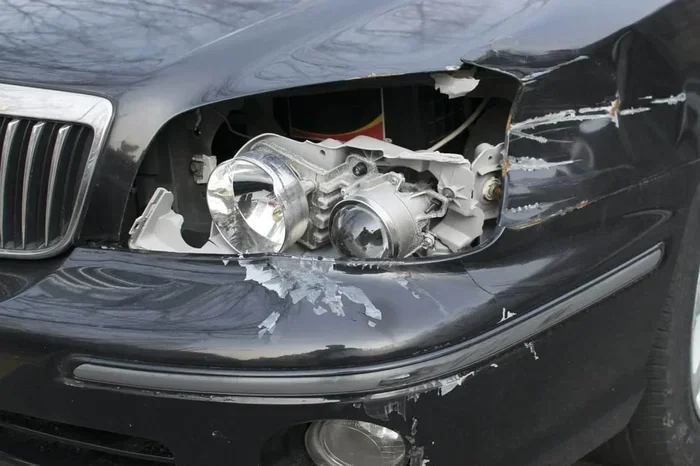
Have you ever been driving down a dark road and noticed one of your headlights was out? Or maybe you got into a minor fender bender and the headlight assembly cracked or came loose. Whatever the situation, one question likely popped into your head right away. Is it illegal to drive without a headlight assembly?
The short answer is yes, in most cases. But the full answer depends on where you live, what time of day it is, and whether your other lights are working. Headlight laws vary from state to state, but the general rule is clear. You need both headlight assemblies functioning properly whenever conditions require them. Let us break down everything you need to know about driving without headlights, the legal consequences, and what you should do if your assembly gets damaged.
Your automotive lighting system does more than just help you see the road. It makes your vehicle visible to other drivers, pedestrians, and cyclists. When a headlight assembly is missing or broken, your safety and the safety of everyone around you take a serious hit. Understanding the headlight maintenance requirements in your area is not just smart. It is essential for staying legal and safe on the road.
Key Takeaways
- It is generally illegal: Most states require functioning headlight assemblies for nighttime and low-visibility driving.
- Fines vary by location: Penalties can range from $50 to $200 or more depending on your state and circumstances.
- Safety is the main concern: Driving without headlights drastically reduces your visibility and puts others at risk.
- Replacement is often simple: Many headlight assemblies can be swapped out in under an hour with basic tools.
- Inspection failures are common: A missing or broken headlight assembly will likely cause your vehicle to fail inspection.
- Insurance may be affected: Driving with illegal equipment could complicate a claim after an accident.
📑 Table of Contents
- Why Headlight Assemblies Matter for Safety
- Is It Illegal to Drive Without a Headlight Assembly?
- What Happens If You Get Pulled Over?
- Can You Pass a Vehicle Inspection With a Broken Headlight?
- How to Replace a Damaged Headlight Assembly
- Common Mistakes That Lead to Headlight Assembly Damage
- Quick Tips for Headlight Safety
- How Insurance and Legal Issues Tie Into Headlight Violations
- When to Seek Professional Help
- Conclusion
Why Headlight Assemblies Matter for Safety
Headlight assemblies are not just cosmetic pieces on the front of your car. They are critical vehicle safety equipment that allows you to drive safely in low-light conditions. A proper headlight assembly includes the housing, the bulb or LED, the reflector, and the lens. Together, these components direct light onto the road ahead and make your car visible from a distance.
When one or both headlight assemblies are missing or damaged, your nighttime visibility drops dramatically. Studies show that nearly half of all traffic fatalities happen at night or in low-light conditions. Driving with only one working headlight or no headlights at all makes it much harder for other drivers to see you. This increases the risk of a serious collision.
How Headlights Protect You and Others
Your headlights serve two main purposes. First, they illuminate the road so you can spot obstacles, animals, pedestrians, and road signs. Second, they signal your presence to other drivers. Even during the day, a working headlight assembly helps other cars judge your distance and speed.
Many modern vehicles come with daytime running lights, which are different from standard headlights. Daytime running lights are dimmer and designed only to make your car more visible. They do not replace the need for a functioning headlight assembly when it gets dark or when weather conditions reduce visibility. Relying solely on daytime running lights in dark conditions is not enough and may still be considered a violation.
Is It Illegal to Drive Without a Headlight Assembly?
The short answer is yes, in most U.S. states. But the details matter. The legality of driving without a headlight assembly depends on several factors, including the time of day, weather conditions, and the specific traffic laws in your state.
Almost every state has a law requiring vehicles to have at least two functioning headlights during nighttime hours. Many states also require headlights to be on when weather conditions like rain, fog, or snow reduce visibility. If your headlight assembly is completely missing, cracked, or non-functional, you are likely breaking the law.
State-by-State Headlight Laws
Each state sets its own state traffic laws regarding headlights. While most states share similar rules, the penalties and specifics can differ. Here are some general guidelines that apply across the country:
- Headlights must be operational: All vehicles must have at least two working headlights during nighttime driving.
- Headlights must be clean and unobstructed: A headlight assembly that is foggy, yellowed, or covered by debris may not meet legal standards.
- Both headlights must match: Some states require that both headlights be the same type and color.
- High and low beams must work: Your headlight assembly must support both high and low beam settings in most states.
It is always a good idea to check your specific state’s road safety regulations to understand the exact requirements. What might be a minor infraction in one state could carry a heavier penalty in another.
What Happens If You Get Pulled Over?
If a police officer pulls you over for driving without a working headlight assembly, the consequences can vary. In most cases, you will receive a citation or a warning. But depending on your state and the circumstances, the situation could escalate.
Common Penalties
Here is what you might face if you are caught driving with broken headlights:
- A traffic citation: Most officers will issue a ticket for a headlight violation. Fines typically range from $50 to $200, but they can be higher in some areas.
- A fix-it ticket: Some states issue a warning-style ticket that gives you a set amount of time to repair the headlight assembly and prove it has been fixed.
- Vehicle impoundment: In rare but serious cases, especially if multiple safety violations are present, your vehicle could be impounded.
- Points on your license: Some states add points to your driving record for headlight violations, which can increase your insurance rates.
Keep in mind that if you are involved in an accident while driving without a working headlight assembly, the legal consequences could be much more severe. Insurance companies may also view it as negligence, which could complicate your claim.
Can You Pass a Vehicle Inspection With a Broken Headlight?
If your state requires annual or biennial vehicle inspections, a broken or missing headlight assembly will almost certainly cause you to fail. Vehicle inspection standards are designed to ensure that every car on the road meets basic safety requirements.
During an inspection, the examiner will check both headlight assemblies for proper function, correct aim, and clean lenses. If one headlight is out or the assembly is cracked and allowing moisture inside, your vehicle will not pass. You will need to repair or replace the headlight assembly before you can complete the inspection.
How to Prepare for Inspection
Here are some simple steps to make sure your vehicle passes inspection:
- Turn on your headlights before the inspection and walk around the vehicle to check both sides.
- Test your high beams and low beams to confirm they are working.
- Clean the headlight lenses to remove dirt and haze that could reduce light output.
- Check for cracks or moisture inside the assembly housing.
- Replace any burnt-out bulbs before the inspection date.
Taking a few minutes to check your headlight maintenance before an inspection can save you time and money. It also ensures that your vehicle is safe to drive on the road.
How to Replace a Damaged Headlight Assembly
The good news is that replacing a headlight assembly is one of the more straightforward car maintenance tasks you can do yourself. You do not need to be a professional mechanic to get the job done. With the right tools and a little patience, most people can complete the replacement in under an hour.
Tools You Will Need
- A replacement headlight assembly specific to your vehicle make and model
- A Phillips and flathead screwdriver set
- A socket wrench set
- Electrical tape (for securing connections)
- A clean cloth (to handle the new assembly)
Step-by-Step Replacement Guide
Here is a simple walkthrough for replacing your headlight assembly:
- Disconnect the battery: Always start by disconnecting the negative battery terminal to prevent electrical shorts.
- Remove the old assembly: Locate the mounting bolts or clips holding the headlight assembly in place. Remove them carefully.
- Unplug the wiring: Disconnect the electrical connector attached to the back of the headlight assembly.
- Install the new assembly: Plug in the wiring connector to the new assembly. Secure it with the mounting bolts or clips.
- Reconnect the battery: Reattach the negative battery terminal and test both headlights.
- Adjust the aim: Make sure the new headlight assembly is aimed correctly at the road. Most assemblies have adjustment screws on the back.
If you are not comfortable doing this yourself, any auto repair shop or dealership can handle the replacement quickly and affordably. The cost of a new headlight assembly varies depending on your vehicle, but it typically ranges from $50 to $300 for the part alone. Labor costs, if you hire someone, will add another $50 to $100 in most cases.
Common Mistakes That Lead to Headlight Assembly Damage
Understanding what causes headlight assembly damage can help you prevent it. Here are some of the most common mistakes drivers make:
- Ignoring cracked lenses: A small crack might seem harmless, but it allows moisture to enter the assembly. Over time, this causes the bulb to fog up and fail.
- Using incorrect bulbs: Installing the wrong type of bulb can overheat the assembly and cause premature failure.
- Skipping regular inspections: Catching a loose or damaged assembly early can prevent a minor issue from becoming a major problem.
- Driving through harsh conditions without protection: Road salt, gravel, and debris can chip or crack headlight housings over time.
- Neglecting headlight restoration: Yellowed or foggy lenses reduce light output and may not meet legal standards in some states.
Avoiding these mistakes will help extend the life of your headlight assemblies and keep you in compliance with the law. Regular headlight maintenance is one of the easiest ways to keep your vehicle safe and roadworthy.
Quick Tips for Headlight Safety
Here are some quick and easy tips to keep your automotive lighting in top shape:
- Check your headlights weekly: Walk around your car once a week and confirm both headlights and taillights are working.
- Clean your lenses monthly: Use a headlight restoration kit to remove haze and restore brightness.
- Replace bulbs in pairs: When one bulb burns out, the other is likely close behind. Replace both at the same time for consistent lighting.
- Keep spare bulbs in your trunk: Having a replacement bulb on hand can save you from a roadside emergency.
- Never drive with a headlight out overnight: Even a short drive without a working headlight can result in a citation or, worse, an accident.
These simple habits take very little time but make a big difference. They keep you legal, safe, and confident every time you get behind the wheel.
How Insurance and Legal Issues Tie Into Headlight Violations
Driving without a functioning headlight assembly does not just affect your relationship with law enforcement. It can also impact your auto insurance. If you are involved in an accident and the other driver’s insurance company discovers that you were driving with a broken or missing headlight assembly, they may use it as evidence of negligence.
In some cases, this could lead to a denied claim or a higher premium. Insurance companies view driving safety violations as indicators of risk. Keeping your vehicle safety equipment in good working order is one of the simplest ways to protect yourself financially as well as legally.
If you have been cited for a headlight violation, it is worth checking whether your insurance rates will be affected. In many cases, a single headlight citation is a minor infraction that does not significantly impact your rates. But multiple violations or accidents caused by equipment failures can add up quickly.
When to Seek Professional Help
While replacing a headlight assembly is a task many DIYers can handle, there are times when professional help is the better choice. If your vehicle has complex lighting systems, such as adaptive headlights or LED matrix assemblies, the replacement process may require specialized tools and knowledge.
Additionally, if you notice moisture inside the headlight assembly, a professional can properly seal and dry the unit. Attempting a DIY fix on a moisture-damaged assembly might lead to repeated problems. A trusted mechanic or auto body shop can ensure the job is done right the first time.
Also, if you have been in an accident that damaged your headlight assembly, it is important to have the entire front end inspected. Sometimes a damaged headlight assembly is a sign of deeper structural damage that needs professional attention. Do not assume that a cosmetic fix is enough after a collision.
Conclusion
So, is it illegal to drive without your headlight assembly? The answer is a clear yes in the vast majority of cases. Whether it is nighttime, bad weather, or just a routine drive, your headlight assembly plays a vital role in keeping you and others safe on the road. Beyond the safety concerns, driving with a broken or missing headlight assembly can lead to fines, failed inspections, and even insurance complications.
The good news is that staying compliant is simple. Regular headlight maintenance, prompt replacement of damaged assemblies, and a basic understanding of your state’s headlight laws go a long way. Take a few minutes each week to check your lights, and do not ignore even a small crack or flicker. Your wallet, your driving record, and your safety will all thank you.
Drive smart, stay legal, and keep those headlights shining bright. It is one of the easiest and most important things you can do as a responsible driver.
Frequently Asked Questions
Can I drive with one headlight out?
In most states, driving with only one working headlight is illegal. Vehicles are typically required to have two functioning headlights. You could receive a citation or be asked to fix the issue immediately.
How much does it cost to replace a headlight assembly?
The cost depends on your vehicle make and model. A new headlight assembly usually costs between $50 and $300 for the part. If you hire a mechanic, expect to pay an additional $50 to $100 for labor.
Will a broken headlight cause my car to fail inspection?
Yes, a broken or missing headlight assembly will almost certainly cause your vehicle to fail inspection in states that require them. You will need to repair or replace the assembly before passing.
Can I use tape or a temporary fix for a broken headlight assembly?
Some officers may accept a temporary fix like tape if you are heading directly to a repair shop. However, this is not a guaranteed pass and should not be relied upon as a long-term solution.
Are daytime running lights the same as headlights?
No, daytime running lights are designed to make your car visible during the day. They do not provide the same illumination as headlights and are not a substitute for a functioning headlight assembly at night.
What should I do if my headlight assembly cracks after an accident?
Have the assembly inspected by a professional as soon as possible. Cracks can let moisture in, damage the bulb, and reduce your visibility. Replace the assembly promptly to stay safe and legal.