The First Sunroof Car in India and Why It Matters
The first sunroof car in India marked a turning point in the country’s automotive history. Sunroof cars transformed how Indians experienced driving, adding open-air comfort and a premium feel. From luxury imports to modern mass-market vehicles, the sunroof has become a defining feature in the Indian car market. Understanding this evolution helps buyers appreciate the car design evolution India has undergone over the decades.
Key Takeaways
- The first sunroof car in India introduced a new era of luxury and open-air driving to the Indian market.
- Sunroof vehicles started as premium imports and gradually made their way into affordable car segments.
- Car sunroof benefits include better ventilation, natural light, and a more spacious feel inside the cabin.
- The Indian car market evolution shows how consumer preferences shifted toward comfort and premium features.
- Panoramic sunroof car options are now common even in mid-range vehicles sold in India.
- Regular car sunroof maintenance is essential to prevent leaks and ensure long-lasting performance.
- The history of the first sunroof car in India reflects the broader story of India’s growing love affair with premium driving experiences.
📑 Table of Contents
- The First Sunroof Car in India: A Journey Through Automotive History
- How the First Sunroof Car Changed the Indian Auto Scene
- The Evolution of Sunroof Design in Indian Cars
- The Impact of Sunroofs on Car Comfort and Driving Experience
- Which Was the First Sunroof Car in India?
- Modern Sunroof Cars Available in India
- Common Mistakes People Make with Sunroof Cars
- Expert Insights: What Makes a Great Sunroof Car
- Key Takeaways
- Conclusion
The First Sunroof Car in India: A Journey Through Automotive History
India has always been a land of car enthusiasts. From the early days of Ambassador and Premier Padmini to the modern era of SUVs and electric vehicles, the Indian car market has seen incredible changes. But one feature stands out as a true game-changer. The first sunroof car in India opened up a whole new world for drivers and passengers alike.
Imagine driving through the streets of Mumbai or the highways near Goa with fresh air flowing right into your car. That was a luxury once reserved for a select few. Today, sunroof cars are everywhere. But it was not always this way. The journey of the sunroof vehicle history India is fascinating and full of surprises.
The story begins in the 1980s. India was opening up its economy. Luxury brands started entering the market. Cars that were once considered exotic became available to a growing middle class. Among these premium features, the sunroof held a special place. It symbolized status, comfort, and a modern driving experience. Let us dive deep into how the first sunroof car in India came to be and why it matters even today.
How the First Sunroof Car Changed the Indian Auto Scene
A Premium Feature Becomes a Reality
In the early days, cars in India were basic. They focused on reliability and fuel efficiency. Comfort features were rare. The first sunroof car in India was almost always a luxury import. Brands like BMW, Mercedes-Benz, and Audi brought vehicles with factory-fitted sunroofs to Indian roads. These cars were expensive. But they set a new standard for what Indian buyers expected from a vehicle.
The luxury cars India sunroof combination became a symbol of success. Owning a car with a sunroof was a big deal. It showed you had arrived. People would notice. Friends would admire. It was more than just a piece of glass on the roof. It was a statement about lifestyle and taste.
As time passed, the demand grew. Indian car manufacturers took note. They started exploring ways to offer sunroofs in more affordable models. This shift marked the beginning of a new era. The Indian car market evolution was no longer just about getting from point A to point B. It was about the experience of the drive.
Why Sunroofs Became So Popular in India
Several factors drove the popularity of sunroof cars in India. Let us look at the key reasons.
- Better ventilation: A sunroof lets fresh air circulate inside the car. This is especially helpful in hot Indian summers.
- Natural light: A tinted sunroof floods the cabin with sunlight. It makes the interior feel more open and less cramped.
- Premium feel: A sunroof adds a touch of luxury. It elevates the overall look and feel of the car.
- Spaciousness: Even in compact cars, a sunroof creates a sense of extra space above the passengers.
- Driving pleasure: There is nothing like feeling the breeze while cruising on a highway. A ventilated sunroof makes this possible.
These benefits resonated with Indian buyers. As disposable income grew, people wanted more from their cars. The sunroof became a top priority for many families. It was no longer just a luxury. It became a lifestyle choice.
The Evolution of Sunroof Design in Indian Cars
From Manual to Automatic
The earliest sunroof car India models came with manual sunroofs. You had to physically slide or tilt the glass panel. It required effort. But it worked well. Over the years, technology improved. Electric sunroofs became the norm. Push-button operation made it easy for anyone to open or close the roof.
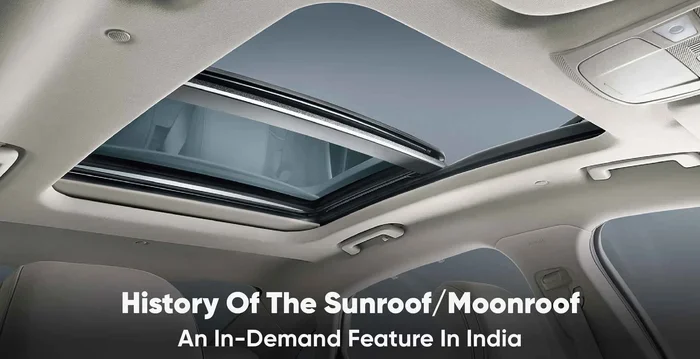
Then came the panoramic sunroof car designs. These large glass panels covered a big portion of the roof. They transformed the feel of any car. Passengers in the back seat could enjoy sunlight too. Brands like Hyundai, Tata, and Mahindra started offering panoramic options in their premium models.
Moonroof vs Sunroof: What Is the Difference?
Many people use these terms interchangeably. But they are not the same thing. Understanding the difference helps when choosing your next sunroof vehicle.
- Sunroof: A solid panel that can be removed or slid open. It lets in both light and air.
- Moonroof: A fixed or tilting glass panel. It lets in light but usually does not open fully.
In India, most modern cars offer moonroof-style panels. They are sleek and look great. But true ventilated sunroof options are still preferred by those who want maximum airflow. The car design evolution India has seen both types become increasingly popular.
The Impact of Sunroofs on Car Comfort and Driving Experience
Enhancing Interior Ambiance
The interior of a car matters a lot. It is where you spend hours every day. A sunroof car India offers a completely different atmosphere. Natural light makes the cabin feel airy and welcoming. It reduces the feeling of being enclosed. This is especially important in urban traffic where you are stuck for long hours.
Many buyers today prioritize car interior lighting and open-air features. The first sunroof car in India paved the way for this shift. Today, even car sunroof price India has become more competitive. Affordable cars now offer this feature at reasonable costs.
Creating a More Relaxing Drive
Driving in India can be stressful. Traffic, heat, and noise take a toll. A sunroof helps in many ways. It provides an escape from the feeling of being boxed in. Opening the sunroof on a pleasant evening drive is pure joy. The driving experience open air connection with the environment outside is unmatched.
Studies show that natural light and fresh air can reduce stress. This makes a sunroof not just a luxury but a wellness feature. For families with kids, the extra light can keep the back seat happier during long trips.
Which Was the First Sunroof Car in India?
Early Pioneers
The exact identity of the first sunroof car in India depends on how you define it. If we talk about factory-fitted sunroofs on imported luxury cars, the BMW 7 Series and Mercedes-Benz S-Class were among the earliest. These vehicles arrived in India during the 1980s and early 1990s. They were driven by diplomats, business tycoons, and the very wealthy.
If we consider the first sunroof vehicle to be officially sold through Indian dealerships, the story gets more interesting. Maruti Suzuki, which dominated the Indian market, never offered a factory sunroof in its early models. Cars like the Maruti 800 and Esteem were known for their simplicity and reliability. But they did not have sunroofs.
The real shift came when brands like Hyundai, Honda, and Toyota entered the Indian market with sunroof options. The Hyundai Sonata and Honda Accord were among the first mass-market cars to offer a sunroof car India experience. This was a big moment for the industry.
The Role of Aftermarket Sunroofs
Before factory sunroofs became common, many Indians opted for aftermarket installations. Local workshops would fit a sunroof into cars that did not originally come with one. This was risky. It often led to leaks and structural issues. But it showed the demand was there. People wanted sunroof cars badly enough to modify their vehicles.
Today, aftermarket sunroof kits are still available. But they come with better quality and professional installation options. Still, a factory-fitted sunroof vehicle is always the safer and more reliable choice.
Modern Sunroof Cars Available in India
Affordable Sunroof Options
The car sunroof price India has come down significantly. Today, even cars in the Rs 8-12 lakh range offer factory sunroofs. Brands like Hyundai, Tata, and Kia have made this feature accessible to a wider audience. The Tata Nexon, Hyundai Creta, and Kia Seltos are popular choices that come with sunroof options.
Here are some of the most popular sunroof cars currently available in India:
- Hyundai Creta: Offers a panoramic sunroof in higher variants. It is one of the best-selling SUVs in the country.
- Tata Nexon: A compact SUV with a panoramic sunroof option. Great value for money.
- Kia Seltos: Comes with a stylish sunroof that adds to its premium appeal.
- Mahindra Thar: The iconic off-roader now offers a removable roof option for adventurous drivers.
- Skoda Kushaq: A compact SUV with a dual-pane sunroof for a premium feel.
Premium Sunroof Cars
For those who want the ultimate luxury cars India sunroof experience, there are plenty of options. The BMW 5 Series, Mercedes-Benz E-Class, and Audi A6 all come with sophisticated panoramic sunroof car designs. These vehicles offer features like automatic tilt, shade control, and anti-pinch safety mechanisms.
The first sunroof car in India started a trend. Today, that trend has become a standard expectation for many buyers. The Indian car market has truly evolved.
Common Mistakes People Make with Sunroof Cars
Ignoring Maintenance
One of the biggest mistakes sunroof car owners make is neglecting maintenance. The sunroof mechanism has moving parts. It needs regular care. Dirt and debris can accumulate in the tracks. This can cause the sunroof to jam or leak.
Here are some quick tips to keep your sunroof in great shape:
- Clean the sunroof tracks every month with a soft brush.
- Lubricate the seals with silicone-based lubricant.
- Check the drainage channels for clogs regularly.
- Avoid opening the sunroof during heavy rain.
- Get the seals inspected during regular service visits.
Overlooking the Tinted Sunroof Benefit
A tinted sunroof does more than just look good. It blocks harmful UV rays. This protects your skin and keeps the interior from fading. Many buyers ignore this benefit. They focus only on the aesthetic appeal. But the practical advantages of a tinted sunroof are significant.
Choosing Aftermarket Over Factory-Fitted
Some buyers try to save money by opting for aftermarket sunroof installations. While this can work, it comes with risks. Poor installation can lead to water leaks, noise, and even structural weakness. Always prefer a factory sunroof car India option whenever possible. The peace of mind is worth the extra cost.
Expert Insights: What Makes a Great Sunroof Car
We spoke with automotive experts about what makes a sunroof vehicle truly great. Here is what they had to say.
“The best sunroof cars balance style with functionality,” says Rajesh Mehta, an automotive journalist with over 15 years of experience. “It is not just about having a glass panel on top. The quality of the glass, the ease of operation, and the sealing mechanism all matter.”
“Indian buyers are becoming more discerning,” adds Priya Sharma, a car reviewer based in Bangalore. “They want a panoramic sunroof car that looks stunning and works flawlessly. The demand for premium features has never been higher.”
These insights highlight the importance of choosing the right sunroof car. It is not just a feature. It is an experience. The first sunroof car in India started something big. Today, that experience is available to millions of Indian car buyers.
Key Takeaways
- The first sunroof car in India introduced a new era of luxury and open-air driving to the Indian market.
- Sunroof vehicles started as premium imports and gradually made their way into affordable car segments.
- Car sunroof benefits include better ventilation, natural light, and a more spacious feel inside the cabin.
- The Indian car market evolution shows how consumer preferences shifted toward comfort and premium features.
- Panoramic sunroof car options are now common even in mid-range vehicles sold in India.
- Regular car sunroof maintenance is essential to prevent leaks and ensure long-lasting performance.
- The history of the first sunroof car in India reflects the broader story of India’s growing love affair with premium driving experiences.
Conclusion
The first sunroof car in India was more than just a vehicle with a glass panel on the roof. It was a symbol of change. It represented India’s growing appetite for comfort, luxury, and a better driving experience. From those early luxury imports to the wide range of sunroof cars available today, the journey has been remarkable.
Today, almost every car segment offers sunroof options. Affordable SUVs, sedans, and even hatchbacks come with this feature. The sunroof vehicle history India is a story of progress and evolving consumer expectations. Whether you are looking for a panoramic sunroof car or a simple tinted sunroof, there is something for everyone in the Indian market.
If you are considering a car with a sunroof, do your research. Check the car sunroof price India options. Compare models. And always prioritize factory-fitted sunroofs for the best experience. The first sunroof car in India opened the door. Now it is your turn to walk through it.
The road ahead is bright. And with a sunroof, the view is even better. Embrace the open-air driving experience that the first sunroof car in India made possible. Your next car might just be the one that carries this legacy forward.
Frequently Asked Questions
What was the first sunroof car in India?
The first sunroof car in India was a luxury import, likely a BMW 7 Series or Mercedes-Benz S-Class from the 1980s. These premium sedans came factory-fitted with sunroofs and were driven by India’s elite. Over time, the feature trickled down to mass-market models as the Indian auto industry evolved.
Are sunroof cars more expensive in India?
Generally, yes. Sunroof cars cost more than their non-sunroof counterparts. The price difference can range from Rs 50,000 to Rs 2 lakh depending on the car segment. However, the car sunroof price India has become more competitive in recent years, making this feature accessible in affordable models too.
What is the difference between a sunroof and a moonroof?
A sunroof is a solid panel that can be removed or slid open to let in air and light. A moonroof is typically a fixed or tilting glass panel that lets in light but may not open fully. In India, most modern cars use the term moonroof for their glass panel options, though the terms are often used interchangeably.
Do sunroofs leak in Indian cars?
Factory-fitted sunroofs rarely leak if maintained properly. The most common cause of leaks is clogged drainage channels or worn-out seals. Regular car sunroof maintenance including cleaning tracks and checking seals can prevent leaks. Aftermarket installations are more prone to leaking issues.
Can I get a sunroof retrofitted in my existing car?
Yes, aftermarket sunroof kits are available in India. However, professional installation is essential to avoid leaks and structural damage. It is always better to choose a factory sunroof car India option when buying a new vehicle. Retrofitting can void warranties and may not match the quality of original equipment.
Which is the best sunroof car under Rs 15 lakh in India?
Several excellent options are available in this price range. The Hyundai Creta, Tata Nexon, and Kia Seltos all offer panoramic sunroof options in higher variants. These sunroof cars India provide great value with modern features, strong performance, and stylish designs that appeal to Indian families.