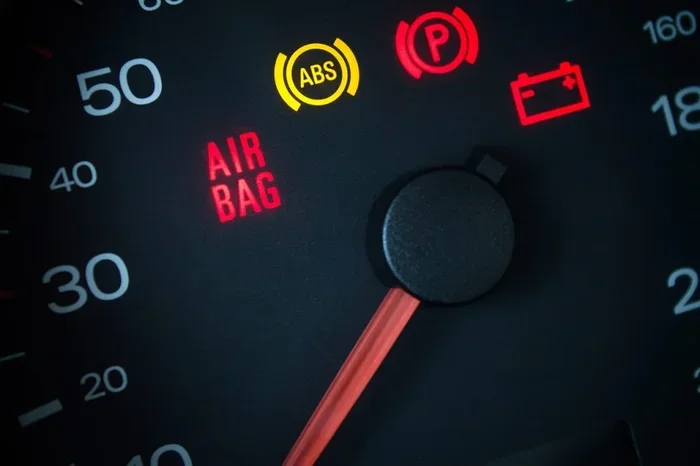
Can I Still Drive With the Airbag Warning Light On
Yes, you can technically drive with the airbag light on, but it is not safe. The airbag warning light means your airbag system has a malfunction, and the airbags may not deploy in a crash. Understanding what triggers this light and how to fix it is essential for your safety on the road.
There is nothing quite like the sinking feeling you get when a warning light pops up on your dashboard. You are cruising down the highway, music playing, windows down, and then you see it. The little symbol that looks like a person sitting in a seat with a circle in front of them. The airbag light. Your heart drops. You start wondering, can I still drive with the airbag light on?
The short answer is yes, you can physically drive. But the better question is, should you? Your airbag system is one of the most important safety features in your vehicle. When that light comes on, it means something is wrong with the system. And in a crash, you want every safety device working perfectly.
This article will walk you through everything you need to know. We will cover what the light means, why it turns on, whether it is safe to keep driving, and how to fix the problem. By the end, you will feel confident about your next steps.
Key Takeaways
- You can drive, but it is risky: The airbag may not deploy in a collision if the light is on.
- Common causes include faulty seat belt sensors, damaged crash sensors, and a bad airbag clockspring.
- An OBD scanner can help you read the error code that triggered the airbag warning light.
- Some fixes are simple and cheap, like replacing a fuse or resetting the module.
- Always consult a professional mechanic if you are unsure about diagnosing the issue yourself.
- The airbag system is called the Supplemental Restraint System (SRS), and it works alongside seat belts to protect you.
- Ignoring the light can lead to failed inspections and, more importantly, serious injury in an accident.
📑 Table of Contents
What Does the Airbag Warning Light Mean?
Before we talk about driving, let us understand what the airbag warning light actually tells you. The light is part of your vehicle’s Supplemental Restraint System, or SRS. This system includes the airbags, seat belt pretensioners, crash sensors, and the airbag control unit.
When you start your car, the SRS does a quick self-check. All the lights on the dashboard should turn on for a few seconds and then go off. If the airbag light stays on or starts flashing while you are driving, the system has detected a problem.
How the Airbag System Works
Your airbag system is more complex than most people realize. It is not just the bags that inflate. There are sensors all over the car that detect sudden stops or impacts. There is a control module that processes data in milliseconds. And there are the actual airbags stored in the steering wheel, dashboard, and seats.
When a crash happens, the sensors send a signal to the control unit. The unit then triggers the airbag to inflate. This all happens in less time than it takes you to blink. If any part of this chain is broken, the airbag light comes on to warn you.
What the Light Looks Like
The airbag warning light usually looks like a seated figure with a circle in front of it. Some cars show it as “SRS” or “AIRBAG” in text. It is typically amber or red. If it is flashing, that usually means the problem is more urgent than a steady light.
Do not confuse this light with the seat belt reminder light. The seat belt light is usually a person sitting with a seat belt across them. The airbag light has that circle in front of the figure. If you are not sure, check your owner’s manual. It will show you the exact symbol for your vehicle.
Common Reasons the Airbag Light Comes On
There are many reasons the airbag warning light might turn on. Some are simple and cheap to fix. Others require professional help. Here are the most common causes.
Faulty Seat Belt Sensors
This is the number one reason the airbag light comes on. The seat belt sensors tell the system whether the belt is buckled. If a sensor is dirty, damaged, or stuck, the system thinks no one is wearing a seat belt. And in many cars, the airbag system will not deploy if the belt is not buckled.
Sometimes the sensor is simply dirty. A little grime or debris in the buckle can trick the sensor. Other times, the sensor itself has worn out and needs replacement.
Damaged Crash Sensors
Your car has crash sensors located in different spots, like the front bumper, side panels, and under the vehicle. These sensors detect sudden deceleration or impact. If one of them is damaged, corroded, or disconnected, the airbag system will throw a code and turn on the light.
Crash sensors can get damaged in minor accidents, even ones that do not cause visible body damage. They can also fail over time due to exposure to road salt, moisture, and debris.
Issues with the Airbag Clockspring
The airbag clockspring is a spiral ribbon cable inside your steering column. It connects the steering wheel airbag to the electrical system. When you turn the steering wheel, the clockspring spins to keep the connection alive.
Over time, the clockspring can wear out or tear. When it does, the airbag light comes on. This is a common issue in older cars or vehicles with high mileage. Replacing a clockspring is not too expensive, but it does require removing the steering wheel, which can be tricky.
Low Battery Voltage
Here is one that catches people off guard. If your car battery is low or dying, the airbag system may not get enough power. The control unit will detect this and trigger the warning light. This often happens after a jump start or when a battery is on its way out.
Before you panic, check your battery voltage. A simple multimeter reading can tell you a lot. If the voltage is below 12 volts with the engine off, your battery might be the culprit.
Faulty Passenger Airbag Switch
Many newer vehicles have an on-off switch for the passenger airbag. This is useful when installing a rear-facing child seat. If the switch is faulty or gets bumped into the wrong position, the airbag warning light will turn on.
Water Damage or Corrosion
Water can get into the airbag module under the seats or in the trunk area. Corrosion on the connectors or the module itself can cause the light to come on. This is especially common in cars that have been flooded or driven through deep water.
Is It Safe to Drive With the Airbag Light On?
Now for the big question. Can I still drive with the airbag light on? The honest answer is: it depends. But in most cases, it is better to be safe than sorry.
The Real Risks Involved
When the airbag light is on, your airbags may not deploy in a crash. This is the biggest risk. Airbags are designed to work with seat belts to cushion the impact and reduce serious injury. Without functioning airbags, the full force of a collision goes straight to your body.
Studies show that airbag deployment reduces the risk of fatal injury by about 30 percent in front-end crashes. That is a significant number. Driving without working airbags means you are relying solely on your seat belt and the structural strength of your car.
There is also the legal side to consider. In many places, a vehicle with a malfunctioning airbag system will fail safety inspections. You could get a ticket or be denied registration renewal.
When You Might Have No Choice
Sometimes you have no choice but to keep driving. Maybe you are on a long road trip and the nearest mechanic is hours away. Or maybe the car is your only way to get to work.
If you must drive with the airbag light on, take extra precautions. Wear your seat belt every single time. Drive at safe speeds. Avoid aggressive driving. Keep your distance from other vehicles. These steps will not fix the problem, but they can reduce your risk.
Quick Tips for Driving With the Airbag Light On
- Always wear your seat belt – this is your main protection without working airbags.
- Reduce your speed – lower speeds mean less force in a crash.
- Increase following distance – give yourself more time to brake.
- Avoid distractions – pay extra attention to the road.
- Get it checked ASAP – do not let the light stay on for weeks.
Expert Insight
Most mechanics agree that a steady airbag light is a concern, but a flashing light is an emergency. If the light is flashing rapidly, stop driving and have the car towed. A flashing light often indicates a problem that could cause the airbags to deploy randomly or not at all.
How to Diagnose and Fix the Airbag Warning Light
Once you know the light is on, the next step is figuring out why. And then fixing it. Here is a step-by-step approach.
Step 1: Read the Error Code with an OBD Scanner
The first thing you should do is grab an OBD scanner. This tool plugs into the diagnostic port under your dashboard. It reads the error codes stored in your car’s computer.
When it comes to the airbag system, the codes will tell you exactly which component has a problem. For example, a code starting with “B” usually refers to the body system, which includes the airbags. A code like B0012 might point to a driver side airbag circuit issue.
You can buy an OBD scanner for under $50, or many auto parts stores will read the codes for free. Once you have the code, you can look up what it means and start narrowing down the fix.
Step 2: Check the Airbag Fuse
This is one of the simplest things to check. Open your fuse box and locate the airbag fuse. It is usually in the driver’s side fuse panel or under the hood. Check the owner’s manual for the exact location and amperage.
Pull the fuse out and inspect it. If the metal strip inside is broken, the fuse is blown. Replace it with one of the same amperage. If the new fuse blows right away, you have a bigger electrical problem that needs professional attention.
Step 3: Inspect the Seat Belt Buckles
Take a close look at all the seat belt buckles. Clean them out with compressed air or a small brush. Sometimes a little dirt or a coin stuck in the buckle is all it takes to trigger the airbag warning light.
Also check the seat belt retractors. If a belt is not retracting properly, the sensor may not register it as fastened. This can confuse the SRS system and turn on the light.
Step 4: Reset the Airbag Module
After you fix the underlying issue, you may need to reset the airbag module. Some OBD scanners can clear the codes. But in many cases, the module needs to be professionally reset or replaced.
Do not just clear the codes without fixing the actual problem. The light will come right back on, and you will be right back where you started.
Common Fixes and Their Costs
| Issue | Estimated Fix Cost | Difficulty |
|---|---|---|
| Blown airbag fuse | $5 to $15 | Easy |
| Dirty seat belt buckle | Free to $20 | Easy |
| Faulty seat belt sensor | $50 to $150 | Moderate |
| Bad crash sensor | $100 to $300 | Moderate |
| Airbag clockspring | $150 to $400 | Difficult |
| Airbag control unit | $300 to $1000 | Difficult |
| Water damage to module | $200 to $800 | Difficult |
Common Mistakes to Avoid
- Do not ignore the light – even if the car seems fine. The problem will not fix itself.
- Do not try to disconnect the battery to clear the light – this can erase important codes and make diagnosis harder.
- Do not attempt to remove or replace airbag components yourself – airbags can deploy accidentally and cause serious injury.
- Do not keep driving for weeks with the light on – every mile is a risk.
When to See a Professional Mechanic
Some fixes are simple enough for a DIY enthusiast. But the airbag system is not something you want to mess around with if you are not experienced. Here is when you should call in the pros.
If the OBD scanner shows a code related to the airbag control unit or the crash sensors, it is time to see a professional. These components involve wiring that runs through the steering column and under the car. One wrong move can cause the airbag to deploy unexpectedly.
Also, if you have checked the fuses, cleaned the buckles, and the light is still on, you need expert help. A mechanic with airbag diagnostic tools can pinpoint the exact problem quickly and safely.
Another good reason to see a pro is after any accident, even a minor one. The crash sensors may need recalibration. The airbag module may need to be replaced or reset. A professional can handle all of this and make sure your airbag safety is fully restored.
Key Takeaways From This Section
- An OBD scanner is your best friend for diagnosing the airbag light issue.
- Simple fixes like fuses and dirty buckles can be done at home.
- Complex airbag repairs should always be left to professionals.
- Cost varies widely depending on the root cause, from under $20 to over $1000.
- Never ignore a flashing airbag light – it indicates a more urgent problem.
Preventing Future Airbag Light Issues
The best way to deal with the airbag warning light is to prevent it from coming on in the first place. Regular maintenance goes a long way.
Keep your seat belt buckles clean. Check your battery health regularly. Avoid driving through deep water unless you know your car is rated for it. And after any accident, no matter how minor, get the SRS system inspected.
Also, pay attention to your dashboard. If you notice any other warning lights along with the airbag light, that could indicate a bigger electrical issue. Addressing problems early saves you money and keeps you safe.
Remember, your airbag system is there to protect you and your passengers. Taking care of it is not just about passing an inspection. It is about making sure everyone in the car goes home safe.
Conclusion
So, can I still drive with the airbag light on? Technically yes. But should you? Not if you can avoid it. The airbag warning light is a serious warning that should never be ignored. It means your airbag system has a malfunction, and your safety is compromised.
The good news is that most causes are fixable. Whether it is a dirty seat belt buckle, a blown fuse, or a more complex issue like a bad clockspring, there is a solution. Start by reading the error code with an OBD scanner. Then decide if the fix is something you can do yourself or if you need a professional.
Your airbags are one of the most important safety features in your vehicle. Take care of the airbag system, and it will take care of you. Do not let a little dashboard light turn into a big safety problem. Get it checked, get it fixed, and drive with confidence.
Frequently Asked Questions
Can I drive with the airbag light on to the nearest mechanic?
Yes, if the light is steady and not flashing, you can drive a short distance to a mechanic. However, keep your speed low, wear your seat belt, and avoid highways if possible. The airbag may not deploy in a crash, so drive carefully and get the issue resolved as soon as you can.
How much does it cost to fix the airbag warning light?
The cost depends on the cause. A simple fuse replacement might cost under $20. A faulty seat belt sensor could run $50 to $150. More complex repairs like replacing the airbag clockspring or control unit can cost $300 or more. Always get a diagnostic code first to know what you are dealing with.
Will the airbag light turn off by itself?
In rare cases, a temporary electrical glitch might cause the light to turn off on its own. However, if the underlying problem is not fixed, the light will come back on. Do not assume the issue is resolved just because the light is off. Always diagnose the root cause.
Is it illegal to drive with the airbag light on?
It is not illegal in most places, but your vehicle may fail a safety or emissions inspection with the light on. Some states require all safety systems to be functioning for a car to pass inspection. Check your local regulations to be sure.
Can a dead battery cause the airbag light to come on?
Yes, a low or dying battery can cause the airbag warning light to turn on. The SRS system needs consistent power to function properly. If your battery voltage drops below normal levels, the airbag control unit may detect a problem and trigger the light. Try charging or replacing your battery first before investigating other causes.
Should I disconnect the battery to turn off the airbag light?
No, disconnecting the battery is not a proper fix. It may temporarily turn off the light, but the error code will remain stored in the system. Worse, disconnecting the battery can erase important settings and make future diagnosis harder. Always use an OBD scanner to properly diagnose and clear codes after the actual problem is fixed.