Is There an Inside Trunk Release on Your Car Today
Every car sold in the United States since 2002 is required to have an inside trunk release. This inside trunk release mechanism is a vital safety feature designed to help passengers escape from the trunk in an emergency. Whether you drive a sedan, SUV, or truck, understanding how your trunk release works can keep you and your loved ones safe.
Have you ever wondered whether your car has an inside trunk release? It is one of those safety features you probably never think about until you actually need it. The truth is, this small but mighty mechanism has been saving lives for over two decades now. If you drive a car made after 2002, there is a very good chance your vehicle already has one built in.
The inside trunk release is more than just a small handle or lever hidden inside your trunk. It is a federally mandated safety device designed to give anyone trapped inside the trunk a way to escape. Whether a child climbs in during a game of hide-and-seek or an adult accidentally gets locked inside, this feature provides a simple and effective exit route. In this article, we will break down everything you need to know about the inside trunk release, how it works, where to find it, and what to do if your car does not have one.
Key Takeaways
- Federal Law Requires It: Since 2002, all new vehicles sold in the U.S. must include an inside trunk release mechanism.
- It Saves Lives: The inside trunk release provides a critical escape route for children and adults who accidentally get trapped inside the trunk.
- Location Varies by Vehicle: The trunk release handle or lever is typically found near the trunk lid latch, inside the trunk compartment itself.
- Older Vehicles May Lack One: Cars manufactured before 2002 might not have this feature, so aftermarket solutions are worth considering.
- Know Your Specific Model: Always check your owner’s manual to locate the exact position of the trunk release in your vehicle.
- Regular Maintenance Matters: Like any car component, the trunk release mechanism can wear out and should be tested periodically.
- Aftermarket Options Exist: If your car lacks an inside trunk release, you can install one yourself or have a professional do it.
📑 Table of Contents
- What Is an Inside Trunk Release?
- Why Is the Inside Trunk Release Important?
- Where Is the Inside Trunk Release Located?
- Legal Requirements for Inside Trunk Releases
- What to Do If Your Car Lacks an Inside Trunk Release
- Common Problems with Inside Trunk Releases
- Tips for Maximizing Trunk Safety
- Frequently Asked Questions About Inside Trunk Releases
- Conclusion
What Is an Inside Trunk Release?
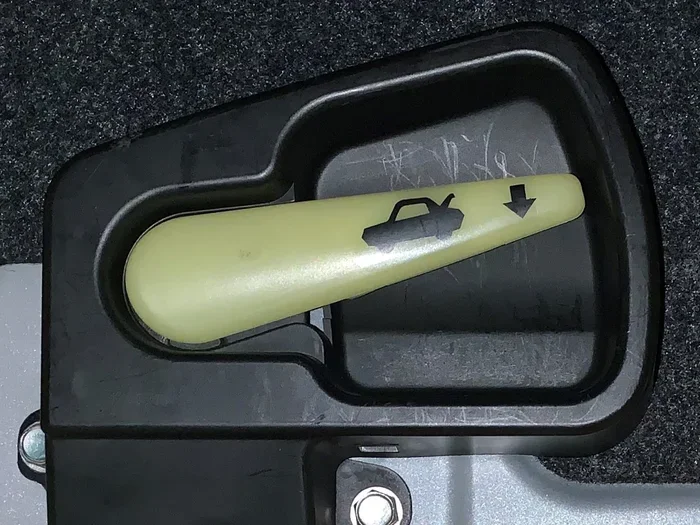
The inside trunk release is a mechanism located inside the trunk of your vehicle. It allows anyone trapped inside the trunk to open the trunk lid from the inside. This feature is typically a bright-colored handle or lever that is easy to spot even in low light conditions. The trunk release mechanism is connected to the trunk latch and, when pulled, releases the latch so the trunk lid can pop open.
You might also hear people refer to this as the emergency trunk release or the trunk escape handle. No matter what term you use, the purpose is the same: to provide a quick and easy way out of the trunk. The inside trunk release is part of a broader set of car safety features that manufacturers include to protect passengers in unexpected situations.
The design of the trunk release handle is intentional. It is usually glow-in-the-dark or brightly colored so that someone in a dark trunk can find it easily. Some vehicles use a simple pull-cord system, while others have a lever that you push or pull. The trunk latch release mechanism is straightforward and requires no special tools or knowledge to operate.
How Does the Inside Trunk Release Work?
The inside trunk release works through a simple mechanical connection to the trunk latch. When you pull the handle or cord, it disengages the latch that keeps the trunk lid shut. This allows the trunk lid to spring open under the pressure of the trunk lid struts or springs.
Here is a simple breakdown of how the trunk release mechanism works:
- Step 1: You locate the inside trunk release handle or lever inside the trunk.
- Step 2: You pull the handle or push the lever in the indicated direction.
- Step 3: The trunk release cable activates and disengages the trunk latch.
- Step 4: The trunk lid pops open, providing an escape route.
The entire process takes just a few seconds. Even a child can operate the inside trunk release with minimal effort. This is exactly why the feature was designed to be so simple and intuitive. There are no complicated steps or tools required. Just pull, and the trunk opens.
Some newer vehicles also include a trunk release button inside the trunk that works electronically. This is slightly different from the traditional mechanical handle, but it serves the same purpose. The electronic trunk release is often found in luxury vehicles or newer models with advanced vehicle safety systems.
Why Is the Inside Trunk Release Important?
The inside trunk release is not just a nice-to-have feature. It is a life-saving safety device. Every year, there are reports of children and adults who become trapped inside car trunks. Without a way to open the trunk from the inside, the situation can become extremely dangerous very quickly.
Protecting Children from Trunk Entrapment
Children are naturally curious. They love to explore, and a dark, spacious trunk can seem like the perfect place to hide. Unfortunately, children can accidentally get locked inside the trunk and not know how to get out. The inside trunk release gives them a way to escape on their own, even if they are too young to understand how to unlock the car doors.
According to the National Highway Traffic Safety Administration (NHTSA), trunk entrapment is a real and serious risk. The inside trunk release has been credited with preventing numerous tragedies over the years. It is one of the simplest and most effective car safety features ever introduced.
Emergency Situations for Adults
It is not just children who benefit from the inside trunk release. Adults can also find themselves trapped in the trunk. This can happen during a car accident, a break-in attempt, or simply by accidentally locking the trunk while retrieving something. The emergency trunk release ensures that adults have a reliable way out, even if the trunk lock is engaged.
Think about it this way. If you were trapped in your trunk, would you know how to get out? Many people do not realize that the inside trunk release exists until they actually need it. Taking a moment to locate yours now could make all the difference later.
Where Is the Inside Trunk Release Located?
The location of the inside trunk release varies depending on the make and model of your vehicle. However, there are a few common places where you are likely to find it. Knowing where your trunk release handle is located is important, especially if you ever need to use it in an emergency.
Common Locations of the Inside Trunk Release
Most inside trunk release mechanisms are found in one of the following locations:
- Near the trunk latch: This is the most common location. The trunk release lever is usually attached to the trunk lid latch mechanism, either on the left or right side of the trunk interior.
- On the trunk lid itself: Some vehicles have the trunk release handle built into the trunk lid, near the latch area. You would need to open the trunk slightly to access it, but this placement is still effective.
- On the interior trunk wall: In many sedans and SUVs, the inside trunk release is mounted on the interior wall of the trunk, near the rear seats. It is usually a bright-colored handle or a glow-in-the-dark lever.
- As a pull cord: Some older vehicles and certain models use a simple pull-cord system. The cord hangs down from the trunk lid latch area and can be pulled to release the trunk.
- Electronic trunk release button: Newer vehicles may have a small button inside the trunk that triggers the electronic trunk release. This is often located near the trunk latch or on the trunk wall.
The best way to find the inside trunk release in your specific vehicle is to consult your owner’s manual. The manual will include a diagram showing the exact location of the trunk release mechanism. You can also look inside your trunk the next time you have a chance and see if you can spot the handle or lever.
How to Test Your Inside Trunk Release
Testing your inside trunk release is quick and easy. Here is what you should do:
- Open your trunk and locate the trunk release handle or lever.
- Pull or push the trunk release mechanism as you normally would.
- The trunk lid should pop open easily.
- If it does not open, check that the trunk release cable is properly connected and not frayed or broken.
You should test your inside trunk release at least once every few months. Over time, the trunk release cable can become loose, corroded, or damaged. Regular testing ensures that the mechanism will work when you need it most.
Legal Requirements for Inside Trunk Releases
The inside trunk release is not just a good idea. It is the law. In the United States, federal regulations require all new passenger vehicles to include an inside trunk release mechanism. This law was enacted to reduce the number of trunk entrapment injuries and fatalities.
The History of the Inside Trunk Release Law
The requirement for an inside trunk release was introduced in the early 2000s. Before this law, many vehicles did not have any way to open the trunk from the inside. Trunk entrapment incidents were on the rise, and lawmakers recognized the need for a standardized safety feature.
The Federal Motor Vehicle Safety Standard (FMVSS) now mandates that all new vehicles sold in the U.S. must have an inside trunk release that is easy to operate from the inside of the trunk. This regulation applies to passenger cars, SUVs, vans, and light trucks.
Do Older Vehicles Have Inside Trunk Releases?
If you drive a car made before 2002, there is a chance your vehicle does not have an inside trunk release. Many older cars were manufactured before the law required this feature. If you own an older vehicle, you should seriously consider installing an aftermarket trunk release to improve safety.
Aftermarket trunk release kits are widely available and relatively affordable. You can find them at most auto parts stores or online. Some kits are designed for DIY installation, while others may require professional help. Either way, adding an inside trunk release to an older vehicle is a worthwhile investment in safety.
What to Do If Your Car Lacks an Inside Trunk Release
If your vehicle does not have an inside trunk release, do not panic. There are several options available to you. Adding this safety feature to your car is easier than you might think.
Aftermarket Inside Trunk Release Kits
Aftermarket trunk release kits are designed to be installed in vehicles that lack a factory inside trunk release. These kits typically include a handle or lever, a cable, and all the necessary hardware for installation. The trunk release kit works by connecting to the existing trunk latch mechanism, providing a simple way to open the trunk from the inside.
Popular aftermarket options include:
- Glow-in-the-dark trunk release handles: These are ideal for low-light situations and are easy to find in the trunk.
- Pull-cord trunk release systems: Simple and effective, these systems use a cord connected to the trunk latch.
- Electronic trunk release kits: These are more advanced and may include a button or switch that triggers the trunk release mechanism electronically.
Professional Installation vs. DIY
You can install an aftermarket inside trunk release yourself or have a professional do it for you. DIY installation is usually straightforward and comes with detailed instructions. However, if you are not comfortable working with car mechanisms, it is always a good idea to have a professional handle the installation.
The cost of installing an aftermarket trunk release is generally quite affordable. Most kits cost between $20 and $50, and professional installation typically adds another $50 to $100. Compared to the safety benefit, this is a small price to pay.
Common Problems with Inside Trunk Releases
Like any car component, the inside trunk release can experience problems over time. Being aware of these issues can help you address them before they become serious.
Stuck or Jammed Trunk Release
A stuck trunk release handle is one of the most common problems. This can happen if the trunk release cable becomes frayed, corroded, or misaligned. If your inside trunk release is not working properly, you should inspect the cable and mechanism for damage.
Broken Trunk Release Cable
The trunk release cable connects the handle to the trunk latch. Over time, this cable can break or stretch, making the trunk release mechanism ineffective. If you notice that the handle feels loose or does not engage the latch, the cable may need to be replaced.
Rust and Corrosion
Rust and corrosion can affect the trunk latch release mechanism, especially in vehicles that are exposed to harsh weather conditions. Regularly inspecting and lubricating the trunk release components can help prevent rust and ensure smooth operation.
Glow-in-the-Dark Feature Not Working
Many inside trunk release handles feature a glow-in-the-dark coating that helps you find the handle in a dark trunk. Over time, this coating can wear off or stop glowing. If this happens, you can replace the handle or add a small reflective sticker to improve visibility.
Tips for Maximizing Trunk Safety
Your inside trunk release is an important safety feature, but it works best when combined with other safety practices. Here are some tips to help you maximize trunk safety for you and your family:
- Teach children about trunk safety: Make sure your kids know that the trunk is not a place to play and explain how the inside trunk release works.
- Keep your trunk organized: A cluttered trunk can make it harder to find the trunk release handle in an emergency.
- Never leave children unattended in the car: This reduces the risk of trunk entrapment and other dangers.
- Check your trunk release regularly: Test the inside trunk release every few months to make sure it is working properly.
- Keep a flashlight in your trunk: This can help you find the trunk release mechanism in low-light situations.
- Know how to override the trunk lock: In some cases, you can use the car key or interior controls to release the trunk from the outside.
Frequently Asked Questions About Inside Trunk Releases
Do all cars have an inside trunk release?
All new passenger vehicles sold in the United States since 2002 are required by federal law to have an inside trunk release. However, older vehicles manufactured before this requirement may not have one. If you drive an older car, you can install an aftermarket trunk release to add this important safety feature.
Can a child operate the inside trunk release?
Yes, the inside trunk release is designed to be simple enough for a child to operate. The handle or lever is easy to pull and requires no special strength or knowledge. This is exactly why the feature is so effective at preventing trunk entrapment injuries in children.
What should I do if my inside trunk release is not working?
If your inside trunk release is not functioning properly, start by checking the trunk release cable for damage or disconnection. You can also lubricate the trunk latch release mechanism to ensure smooth operation. If the problem persists, have a professional mechanic inspect and repair the trunk release mechanism.
Is it legal to drive a car without an inside trunk release?
For vehicles manufactured before 2002, it is legal to drive without an inside trunk release. However, it is highly recommended to install an aftermarket trunk release for safety. For newer vehicles, the inside trunk release is a legal requirement and must be present and functional.
How much does it cost to install an aftermarket inside trunk release?
Aftermarket trunk release kits typically cost between $20 and $50 for the parts alone. Professional installation can add another $50 to $100, depending on your location and the complexity of the installation. Overall, it is an affordable way to improve your vehicle’s safety.
Can I use the inside trunk release to open the trunk from the outside?
No, the inside trunk release is designed to be operated only from the inside of the trunk. It is specifically intended as an emergency escape mechanism. To open the trunk from the outside, you would use the remote key fob, the trunk button on the car, or the physical trunk key.
Conclusion
The inside trunk release is one of the most important yet overlooked safety features in your vehicle. It is a simple mechanism that can make a life-saving difference in an emergency. Whether you have a brand-new car or a vintage model, understanding how your trunk release works and ensuring it is in good working condition should be a priority.
If your vehicle does not have an inside trunk release, take the time to install one. The cost is minimal, and the peace of mind it provides is invaluable. Teach your family about the trunk release mechanism and make sure everyone knows where it is located. Safety is not something you should leave to chance, and the inside trunk release is a small investment that can protect the people you care about most.
Take a moment today. Open your trunk, find your inside trunk release, and make sure it works. That simple habit could one day make all the difference in the world.