What Does FOB Stand For in a Key Fob and What It Means
What Does FOB Stand For in a Key Fob? FOB stands for “Free On Board” or “Frequency Operating Button,” and it refers to the handheld remote device you use to lock, unlock, and start your car remotely. This guide covers how key fobs work, common problems, battery replacement, programming steps, and security features that keep your vehicle safe.
Have you ever wondered what does FOB stand for in a key fob? You probably use your key fob every single day. You press a button to lock your car. You press another button to unlock it. Maybe you even use it to start your engine from across the parking lot. But how much do you really know about the small device in your pocket or on your keychain?
The term FOB might sound like tech jargon. But it is actually much simpler than you think. What does FOB stand for in a key fob is a question many car owners ask, and the answer opens the door to understanding how modern vehicle access works. In this guide, we will break it all down in plain language. You will learn how your key fob works, why it matters, and how to fix common problems. Whether you drive a new sedan or a classic truck, this article has something useful for you.
Key Takeaways
- FOB stands for “Free On Board” or “Frequency Operating Button”: It is the term used to describe the remote device that communicates with your car.
- Key fobs use radio frequency signals: They send encrypted signals to your vehicle’s receiver to perform actions like locking and unlocking.
- Battery replacement is simple: Most key fobs use a small coin-cell battery that you can replace at home in minutes.
- Programming a key fob is often DIY: Many vehicles allow you to reprogram or sync a new fob without visiting a dealer.
- Security features are advanced: Modern key fobs include rolling codes, transponder chips, and proximity sensors to prevent theft.
- Common problems have easy fixes: Signal interference, dead batteries, and water damage are the top issues drivers face.
- Understanding your key fob saves time and money: Knowing how it works helps you troubleshoot problems and avoid unnecessary dealer visits.
📑 Table of Contents
- What Does FOB Stand For in a Key Fob?
- How Does a Key Fob Actually Work?
- Common Key Fob Problems and How to Fix Them
- How to Replace a Key Fob Battery
- Key Fob Programming and Reprogramming
- Key Fob Security Features and Anti-Theft Protection
- Choosing the Right Replacement Key Fob
- Key Takeaways
- Frequently Asked Questions
- Final Thoughts
What Does FOB Stand For in a Key Fob?
The letters FOB stand for “Free On Board” in most shipping and trade contexts. However, in the world of car keys, FOB has taken on a different meaning. It now refers to the Frequency Operating Button device you carry around. Over time, people simply started calling any remote car key a “fob.”
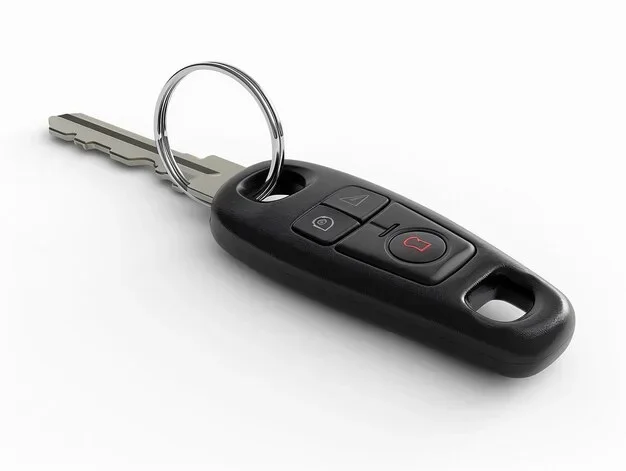
A key fob is a small, handheld electronic device. It communicates wirelessly with your car. When you press a button, it sends a radio signal. Your car receives that signal and responds. This might sound like magic. But it is actually clever engineering that has been around for decades.
Early car remotes were very basic. They sent one simple signal. The car would either lock or unlock. Today’s key fob technology is far more advanced. Modern fobs can start your engine, open your trunk, and even summon your car from a parking garage. Understanding what your fob does is the first step to getting the most out of it.
Why the Term “FOB” Stuck
The word “fob” has been around for a long time. Originally, a fob was a small pocket accessory. People wore watch fobs to hold their watches in place. When remote car keys appeared in the 1980s, they looked like small fobs. The name stuck. Now, almost everyone uses the term “key fob” to describe their car remote.
Some people also ask, what does FOB stand for in a key fob in the context of car security systems. In that case, FOB is used as a general term for the electronic device that authenticates you as the vehicle owner. It is less about the literal meaning and more about the function the device serves.
How Does a Key Fob Actually Work?
Understanding how your key fob works helps you appreciate the technology. It also helps you troubleshoot when things go wrong. The process is simpler than most people think.
The Radio Frequency Connection
Your key fob contains a small battery and a tiny circuit board. Inside that circuit board is a transmitter. When you press a button, the transmitter sends out a radio frequency signal, also called an RF signal. This signal travels through the air to your car.
Your car has a receiver. The receiver picks up the signal. If the signal matches the code the car expects, it performs the action. This might be unlocking the doors or starting the engine.
Here is the really clever part. The signal is encrypted. This means it is scrambled into a code. Only your specific car can decode it. This prevents someone else from using a random signal to unlock your vehicle.
Rolling Codes for Extra Security
Modern vehicle security systems use something called rolling codes. Every time you press a button, the code changes. So even if someone intercepted your signal yesterday, it would not work today. This is called rolling code technology, and it is one of the main reasons car theft has decreased over the years.
Your car and your fob both have a tiny computer chip. These chips sync together. They both know which code comes next in the sequence. If someone tries to guess the code, it will not match. The car simply ignores the signal. This is a powerful form of automotive key technology that keeps you safe.
Transponder Chips and Immobilizers
Many modern key fobs also contain a transponder chip. This is a small electronic chip embedded inside the fob. When you insert your key or press the start button, the car reads the transponder chip. If the chip matches, the engine starts. If it does not match, the engine will not start.
This is part of the immobilizer system. The immobilizer is a security feature built into your car’s ignition system. It prevents hot-wiring and unauthorized starting. Even if a thief gets into your car, they cannot drive it away without the correct transponder signal.
Common Key Fob Problems and How to Fix Them
Key fobs are reliable. But they are not perfect. Every car owner runs into issues at some point. Knowing the common problems and their solutions can save you time and frustration.
Dead Battery
The most common problem is a dead fob battery. When the battery dies, your fob stops working. You might notice the range getting shorter before it dies completely. The signal might not reach your car from across the room.
Replacing the battery is usually very easy. Most key fobs use a small coin-cell battery, like a CR2032. You can find these at any grocery store or pharmacy. Here is a quick way to do it:
- Find the small seam or groove on your fob.
- Use a flathead screwdriver or a coin to gently pry it open.
- Remove the old battery and note which side faces up.
- Insert the new battery with the correct orientation.
- Snap the fob back together and test it.
This simple fix takes less than five minutes. It can save you a trip to the dealer or locksmith.
Signal Interference
Sometimes the problem is not your fob. It is the environment. Signal interference can prevent your fob from reaching your car. Other electronic devices, metal structures, and even thick building walls can block the RF signal.
If your fob does not work near a tall building or in a crowded parking lot, try moving to a different spot. Getting closer to your car often solves the problem. This is especially common in urban areas with lots of electronic signals around.
Water Damage
Key fobs are not waterproof. If your fob gets wet, it might stop working. Water can damage the circuit board inside. If this happens, remove the battery right away. Let the fob dry completely before putting the battery back in.
If the fob still does not work after drying, you may need a replacement. Many dealerships and locksmiths can help you get a new one. Some can even program a new key fob for you on the spot.
Buttons Worn Out from Use
The buttons on your fob take a beating. Over time, they can wear out. The letters on the buttons may fade. In some cases, the button mechanism itself breaks. If only one button stops working, the fob may still be usable for the other functions.
You can buy replacement fobs online or from your dealer. Just make sure the replacement is compatible with your vehicle model and year. OEM key fob parts are made by the original manufacturer and usually offer the best fit and performance.
How to Replace a Key Fob Battery
Replacing the battery in your key fob is one of the easiest maintenance tasks you can do. It costs just a few dollars and takes almost no time at all. Most car owners can do it themselves without any special tools.
Which Battery Does Your Fob Use?
The most common battery used in key fobs is the CR2032. This is a 3-volt coin-cell battery. You can find it at almost any store that sells batteries. Some older or specialty fobs may use different battery types, so check your owner’s manual if you are not sure.
Here are a few quick tips for battery replacement:
- Always use a fresh battery from a reputable brand.
- Check the expiration date on the battery package.
- Avoid touching the battery contacts with your fingers. Oils from your skin can cause connection problems.
- Dispose of old batteries properly at a recycling center.
How Often Should You Replace the Battery?
A typical key fob battery lasts between two and four years. If you notice the range getting shorter, it is a good sign the battery is running low. Replacing it early can prevent you from being locked out of your car unexpectedly.
Some modern vehicles have a low-battery warning on the dashboard. If you see this warning, replace the battery right away. Do not wait until the fob stops working completely.
Key Fob Programming and Reprogramming
Key fob programming is the process of syncing your fob with your vehicle. When you buy a new car, the fob usually comes pre-programmed. But if you lose your fob or buy a replacement, you will need to program it yourself or have a professional do it.
DIY Key Fob Programming
Many vehicles allow you to program a key fob at home. The process varies by make and model, but here is a general outline of the steps:
- Sit in your car with all doors closed.
- Insert the key into the ignition and turn it to the “On” position.
- Press and hold the lock button on the fob.
- Turn the ignition off and then back on within a specific time frame.
- Release the lock button and test the fob.
Check your owner’s manual for the exact steps for your vehicle. Some brands have very specific sequences. Getting the timing wrong can mean starting over, so be patient.
When to See a Professional
If DIY programming does not work, do not worry. You are not alone. Many drivers need professional help with key fob programming. A dealership or a qualified locksmith can program your fob quickly. They have the right tools and software to handle even the most advanced fobs.
This is especially true for luxury vehicles or newer models. These fobs often have more security features. They may require specialized equipment to program correctly. The cost is usually reasonable, especially compared to the convenience of having a working fob.
Key Fob Security Features and Anti-Theft Protection
Your key fob is more than a convenience. It is a key part of your vehicle’s security system. Modern fobs come packed with features designed to keep your car safe from theft.
Proximity Sensors and Passive Entry
Many newer vehicles offer passive entry or proximity sensor technology. This means you do not even need to press a button. As long as the fob is near the car, it automatically unlocks when you touch the door handle. This is sometimes called “smart key” or “hands-free entry.”
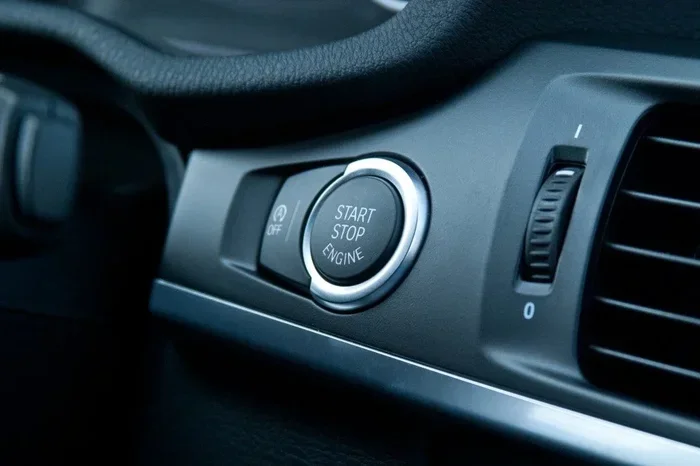
The push button start feature works similarly. You press the start button while the fob is inside the car. The system checks the fob’s signal. If it matches, the engine starts. This is incredibly convenient, especially when your hands are full of groceries.
Anti-Theft Measures
Car manufacturers take vehicle anti-theft very seriously. Your fob plays a big role in this. The encrypted signal, rolling codes, and transponder chips all work together to prevent theft. Some advanced systems also include signal jamming detection. If someone tries to block your fob’s signal, the system alerts you.
It is also important to keep your fob safe. Do not leave it near doors or windows at home. Thieves can use devices that amplify or relay your fob’s signal. This is called a relay attack. Keeping your fob in a signal-blocking pouch or far from exterior doors can help prevent this type of theft.
Remote Start and Additional Features
Many remote keyless systems now include remote start capability. You can start your car from inside your house on a cold morning. The engine warms up, and the seats heat before you even step outside. Some systems also allow you to lock or unlock specific doors, open the sunroof, or trigger the panic alarm.
These features all rely on the key fob sending the right signal at the right time. It is a remarkable piece of technology that most of us take for granted every day.
Choosing the Right Replacement Key Fob
If you need a replacement key fob, you have options. You can buy from the dealership, an aftermarket supplier, or online retailers. Each option has pros and cons.
OEM vs. Aftermarket Fobs
OEM key fob parts are made by the original manufacturer. They are designed to match your vehicle exactly. OEM fobs usually come pre-programmed or are easier to program. They also tend to be more durable. The downside is the price. OEM fobs can be more expensive than aftermarket options.
Aftermarket fobs are made by third-party manufacturers. They cost less and are widely available online. The quality varies. Some aftermarket fobs work just as well as OEM ones. Others may have shorter ranges or fewer features. Reading reviews and checking compatibility before you buy is always a smart move.
Where to Buy Replacement Fobs
You can find replacement fobs at your local dealership, auto parts stores, and online marketplaces. If you buy online, make sure the seller is reputable. Compare prices and check return policies. Some sellers offer programming instructions or even video tutorials to help you set up the new fob.
If you are unsure which fob fits your vehicle, check your VIN (Vehicle Identification Number). The VIN tells the seller exactly which fob is compatible with your car. This saves you from buying the wrong part and wasting money.
Key Takeaways
- FOB stands for “Free On Board” or “Frequency Operating Button”: It refers to the handheld device you use to control your car remotely.
- Key fobs use encrypted radio signals: Rolling codes and transponder chips keep your vehicle secure from theft.
- Dead batteries are the number one fob problem: Replacing a CR2032 battery takes just a few minutes and costs very little.
- Signal interference and water damage are common issues: Moving closer to your car or drying out the fob often fixes the problem.
- Programming a fob can be DIY or professional: Check your owner’s manual first. If that does not work, a locksmith or dealer can help.
- Modern fobs offer smart features: Proximity sensors, push button start, and remote start make driving more convenient.
- Choosing the right replacement matters: OEM fobs offer the best reliability, while aftermarket options can save you money if you do your research.
Frequently Asked Questions
Can I replace my key fob battery myself?
Yes, absolutely. Most key fobs use a CR2032 coin-cell battery that you can swap out in under five minutes. You just need a small flathead screwdriver or a coin to open the fob casing. Just be careful not to damage the circuit board inside, and make sure the new battery is inserted with the correct side facing up.
How much does it cost to program a new key fob?
The cost varies depending on your vehicle make and model. Dealerships typically charge between $50 and $200 for programming. Locksmiths may charge a bit less. If you buy an aftermarket fob, some come pre-programmed, which saves you the programming fee entirely. Always ask for a price quote before committing to a service.
What should I do if my key fob stops working suddenly?
Start by replacing the battery, as that is the most common cause. If a new battery does not fix it, try standing closer to your car and pressing the button again. If neither step works, the fob may have water damage, a worn-out circuit board, or a programming issue. In that case, a locksmith or dealership can diagnose the problem and offer a solution.
Are aftermarket key fobs as good as OEM fobs?
Many aftermarket fobs work just as well as OEM ones, but quality varies by brand and seller. Reputable aftermarket fobs offer solid performance and full feature support. However, some cheaper options may have shorter signal range or fewer security features. Always read reviews and verify compatibility with your specific vehicle before purchasing.
Can someone steal my car using my key fob signal?
It is possible through a method called a relay attack. Thieves use devices to amplify or relay your fob’s signal from inside your home to your car parked outside. You can prevent this by storing your fob in a signal-blocking pouch, keeping it away from exterior doors, or turning off the fob’s wireless signal if your vehicle offers that option.
How far can a key fob signal reach?
Most standard key fobs have a range of about 30 to 60 feet. Some advanced fobs with extended-range technology can reach up to 300 feet or more. Factors like battery strength, signal interference, and the fob’s age can all affect the actual range you experience on a daily basis.
Final Thoughts
So, what does FOB stand for in a key fob? Now you know. It is more than just a catchy name for your car remote. It represents a piece of technology that makes your daily driving life easier, safer, and more convenient. From the simple act of locking your doors to the advanced security features that protect your vehicle, your key fob does a lot of heavy lifting.
Taking care of your fob is simple. Replace the battery when needed. Keep it dry and away from strong electronic signals. Program it correctly, and store it safely at home. These small habits go a long way in making sure your fob works reliably for years to come.
Understanding your key fob also empowers you as a car owner. You can troubleshoot problems on your own. You can save money by avoiding unnecessary trips to the dealer. And you can make informed decisions when it is time to buy a replacement. The more you know about your fob, the better equipped you are to handle whatever comes your way.
Next time you reach for your key fob, take a moment to appreciate the technology in your hand. It is a small device with a big job. And now you know exactly how it all works. Keep this guide handy for reference, and share it with fellow car owners who might benefit from it. After all, knowing your vehicle better is always a smart move.