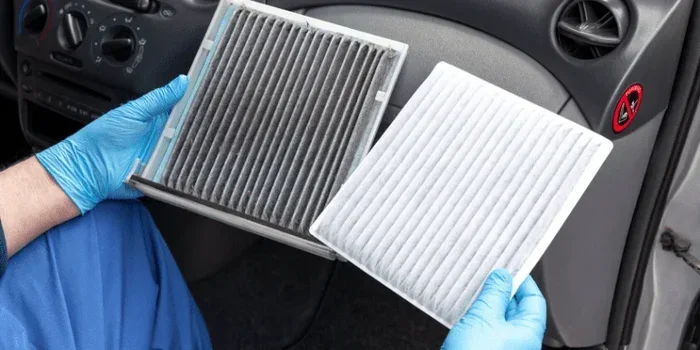
Activated Charcoal for Car Freshness and Odor Removal
Activated charcoal for car odor removal is one of the most effective and natural ways to eliminate stubborn smells. This powerful odor absorber traps toxins and unwanted scents without chemicals or artificial fragrances. Whether you deal with pet odor in car, smoke smell in car, or a musty car smell, charcoal bags deliver real results. They are affordable, reusable, and safe for your car interior. Keep reading to learn how to use them properly and get the best car freshness possible.
Key Takeaways
- Natural Odor Removal: Activated charcoal absorbs odors at the molecular level, making it a powerful and chemical-free car odor removal solution.
- Safe and Non-Toxic: Unlike synthetic car air fresheners, charcoal bags contain no chemicals, making them safe for kids, pets, and sensitive individuals.
- Long-Lasting and Reusable: A single charcoal bag can last months and can be recharged by placing it in direct sunlight.
- Moisture Control: Charcoal also acts as a moisture absorber, helping to prevent mold and mildew in your vehicle.
- Versatile Use: Charcoal bags work for all types of car smells, including food, smoke, pets, and new car smell off-gassing.
- Cost-Effective: Reusable charcoal bags save money compared to buying disposable air fresheners over time.
📑 Table of Contents
- Why Activated Charcoal Is the Best Solution for Car Odor Removal
- The Science Behind Activated Charcoal Odor Removal
- Best Activated Charcoal Products for Your Vehicle
- How to Use Activated Charcoal in Your Car: Step-by-Step
- Common Mistakes People Make with Car Charcoal Bags
- How Long Does Activated Charcoal Last and How to Recharge It
- Comparing Activated Charcoal to Other Car Odor Solutions
- Final Thoughts on Activated Charcoal for Car Freshness
Why Activated Charcoal Is the Best Solution for Car Odor Removal
Let’s be honest. Nobody wants to climb into their car and get hit with a wave of bad smell. Whether it’s leftover fast food, pet accidents, or cigarette smoke, car odor removal can feel like an endless battle. Sprays and plug-ins mask the problem for a few hours. But they don’t fix the root cause. That’s where activated charcoal for car freshness comes in.
Activated charcoal is one of the most powerful odor absorbers on the planet. It works by trapping odor molecules inside its tiny pores. This process is called adsorption (not to be confused with absorption). The charcoal literally pulls smells out of the air and locks them away. The result? A clean, fresh car interior without any chemicals or artificial fragrances.
What makes this approach so appealing is how simple it is. You don’t need expensive car detailing services. You don’t need to scrub every surface. You just place a charcoal bag in your vehicle and let it do the work. It’s that easy. Over the next few sections, we’ll dive deep into how activated charcoal works, which products work best, and exactly how to use them for maximum car freshness.
How Activated Charcoal Differs from Regular Charcoal
Not all charcoal is created equal. Regular charcoal from a barbecue grill won’t do the job. Activated charcoal is treated at extremely high temperatures. This process creates millions of tiny pores on its surface. These pores give it an enormous surface area. Just one gram of activated charcoal can have a surface area of over 3,000 square meters. That’s what makes it such an effective odor neutralizer.
Regular charcoal is mostly carbon. But activated charcoal has been “activated” to become extremely porous. This gives it the ability to bind with a wide range of volatile organic compounds. These are the chemicals responsible for most unpleasant smells. So when you’re looking for a natural air purifier for your car, activated charcoal is the real deal.
The Science Behind Activated Charcoal Odor Removal
Understanding how activated charcoal works helps you appreciate why it’s so effective. The process starts with adsorption. This is when molecules of gas or liquid stick to the surface of a solid material. Activated charcoal has an incredibly large surface area relative to its size. This means it can attract and hold a huge number of odor molecules.
When air circulates through or around a charcoal bag, the odor molecules get drawn into the pores. They bind to the charcoal surface and stay there. This is different from a car air freshener that simply covers up a smell with a stronger fragrance. Charcoal actually removes the odor from the air. It doesn’t just mask it.
This is also why charcoal works so well for car cabin odor problems. Cigarette smoke, for example, releases thousands of tiny chemical particles into the air. A charcoal bag captures many of these particles, effectively cleaning the air you breathe. The same goes for pet odor in car or food spills that have soaked into the upholstery.
Why Adsorption Beats Masking
Most commercial air fresheners use fragrances to overpower bad smells. This creates a chemical cocktail in your car cabin. Some of these fragrances contain phthalates and other volatile compounds. These can actually make indoor air quality worse. With activated charcoal for car use, you get a chemical-free car freshener that genuinely cleans the air.
Charcoal also tackles the source of the odor. Mold and mildew, for instance, release spores and musty compounds. A charcoal bag won’t kill mold, but it will reduce the smell it produces. Pair it with proper ventilation and you’ve got a winning combination for car interior freshness.
Best Activated Charcoal Products for Your Vehicle
Not all charcoal bags are the same. Some are better than others. Here’s a breakdown of the top options you should consider for car odor removal.
Bamboo Charcoal Bags
Bamboo charcoal is one of the most popular materials for car charcoal bags. It’s sustainably sourced and highly porous. Bamboo charcoal bags typically come in packs of two or four. You can place them under seats, in the glove compartment, or on the dashboard. They work quietly and effectively without any fan or power source.
These bags usually last about two years with proper care. They’re also moisture absorbers, which helps prevent that damp, musty smell that builds up in humid climates. If you live somewhere with lots of rain or high humidity, bamboo charcoal is a smart choice.
Binchotan Charcoal
Binchotan is a type of Japanese hardwood charcoal. It’s known for its exceptional purity and density. Binchotan charcoal has a very fine pore structure. This makes it slightly more effective at capturing odor molecules than standard bamboo charcoal. It’s also longer lasting. The trade-off is that it usually costs a bit more.
Binchotan is a premium option for those who want the best car smell remover available. It’s also natural and chemical-free, so it fits perfectly with a green, eco-friendly lifestyle.
Activated Charcoal Sachets with Filters
Some products combine activated charcoal with a fabric filter or mesh cover. These are designed to hang from your car vent clips or sit in cup holders. The filter helps distribute air flow through the charcoal more evenly. This increases the contact time between air and charcoal. The result is faster and more thorough odor elimination.
These hybrid products are great if you want something that looks sleek and fits neatly into your car’s design. They’re also easy to move around. You can place them wherever the smell is strongest.
How to Use Activated Charcoal in Your Car: Step-by-Step
Using activated charcoal for car freshness is incredibly simple. But there are a few tips that can make it even more effective. Follow these steps and you’ll notice a difference within days.
- Start with a clean car. Before placing charcoal bags, vacuum your seats and floors. Wipe down surfaces. You want to remove any physical sources of odor first. Charcoal works best when it doesn’t have to compete with rotting food or pet hair.
- Choose the right placement. Place charcoal bags where air circulates freely. Under the front seats works great. The dashboard area is also effective. You can also put one in the trunk. Avoid placing bags directly on leather or fabric surfaces that could stain. Most charcoal bags come with a cloth cover for this reason.
- Use enough bags. For a small car, two bags are usually sufficient. For larger SUVs or trucks, use four or more. More charcoal means more surface area for adsorption. Don’t be shy about using extra bags if the smell is strong.
- Leave the windows cracked. This allows fresh air to circulate and carry odor molecules toward the charcoal. It also helps the charcoal work more efficiently. Just crack them an inch or two.
- Let it sit for 24 to 48 hours. Give the charcoal time to work. You won’t see immediate results, but within a day or two, the smell should start to fade noticeably.
Quick Tips for Maximum Effectiveness
- Place a charcoal bag near the source of the smell. If your dog rides in the back seat, put a bag there.
- Rotate your charcoal bags every few weeks. This ensures even usage and maximum surface exposure.
- Use charcoal bags year-round, not just when you have a smell problem. They work as a preventative measure too.
- Combine charcoal with regular car detailing for the best results. Clean surfaces and clean air go hand in hand.
- If you smoke in your car, use extra charcoal. Smoke particles are stubborn and need more adsorption power.
Common Mistakes People Make with Car Charcoal Bags
Even though charcoal is simple to use, there are some mistakes that can reduce its effectiveness. Avoid these pitfalls to get the most out of your activated charcoal for car setup.
Placing Charcoal Directly on Upholstery
Some charcoal products can leave a fine black residue. This can stain light-colored fabric or leather. Always use the cloth bag or cover that comes with your charcoal. If your product doesn’t have one, wrap the charcoal in a breathable cloth before placing it in your car.
Forgetting to Recharge the Charcoal
Charcoal bags don’t last forever. Over time, their pores fill up with trapped odor molecules. To recharge them, place the bags in direct sunlight for at least two hours once a month. The UV rays help release the trapped molecules and restore the charcoal’s adsorption capacity. Skipping this step is one of the most common reasons people think charcoal isn’t working.
Using Too Few Bags
A single small charcoal bag won’t do much for a full-size SUV. Match the number of bags to the size of your vehicle and the strength of the odor. When in doubt, use more. You can always move extra bags to another car or room.
Expecting Instant Results
Charcoal works steadily over time. It’s not a magic spray that eliminates smells in seconds. Give it at least 24 to 48 hours to make a noticeable difference. For severe odors, it may take a week or two of continuous use. Patience is key with this natural air purifier approach.
How Long Does Activated Charcoal Last and How to Recharge It
One of the biggest advantages of activated charcoal for car use is its longevity. A quality charcoal bag can last anywhere from six months to two years. This depends on the level of odor exposure and how well you maintain it. Heavy smokers or pet owners may need to replace their bags more frequently.
Recharging your charcoal bags is simple and free. Just follow these steps:
- Take the charcoal bags outside on a sunny day.
- Place them in direct sunlight for two to three hours.
- The heat helps release trapped odor molecules from the pores.
- Bring them back inside and place them in your car again.
You can also recharge charcoal bags by placing them in a low-temperature oven (around 300 degrees Fahrenheit) for 30 minutes. This is a faster method but requires more effort. Sunlight is the easiest and most natural approach.
Knowing when to replace your charcoal bags is important too. If you’ve recharged a bag multiple times and it no longer seems to reduce odors, it’s time for a new one. Most charcoal bags come with a replacement indicator or a suggested timeline on the packaging.
Can You Use Charcoal Bags in Other Spaces Too?
Absolutely. One of the best things about activated charcoal bags is their versatility. You can use the same bags in your closet, bathroom, gym bag, or refrigerator. This makes them a great value. A single purchase serves multiple purposes. Many people buy charcoal bags specifically for car freshness and then use them around the house too.
Comparing Activated Charcoal to Other Car Odor Solutions
There are many ways to tackle car odor removal. Let’s compare activated charcoal to some of the most popular alternatives.
| Method | How It Works | Effectiveness | Safety | Cost Over Time |
|---|---|---|---|---|
| Activated Charcoal Bags | Adsorbs odor molecules naturally | High | Very safe, chemical-free | Low (reusable for months) |
| Spray Air Fresheners | Masks odor with fragrance | Low to Medium | Contains chemicals and VOCs | High (disposable) |
| Plug-In Fresheners | Heats and disperses fragrance | Low to Medium | May contain irritants | Medium (refills needed) |
| Ozone Generators | Produces ozone to neutralize odors | High | Ozone is harmful to breathe | High (device cost) |
| Baking Soda | Absorbs some odors | Low to Medium | Safe but messy | Low (disposable) |
| Essential Oil Diffusers | Adds scent to the air | Low | Generally safe | Medium (oil refills) |
As you can see, activated charcoal for car use stands out. It’s effective, safe, and affordable. Unlike sprays that just cover up smells, charcoal actually removes them. And unlike ozone generators, it doesn’t introduce harmful substances into your car cabin. For these reasons, charcoal bags are the go-to choice for anyone seeking a chemical-free car freshener.
Final Thoughts on Activated Charcoal for Car Freshness
If you’ve been struggling with stubborn car odors, activated charcoal for car freshness is the solution you’ve been looking for. It’s natural, effective, and incredibly easy to use. No chemicals. No artificial scents. Just pure adsorption power that tackles odors at the source.
Whether you’re dealing with pet odor in car, a lingering smoke smell in car, or that mysterious musty car smell that won’t go away, charcoal bags deliver real results. They also help with moisture control, keeping your car interior dry and fresh.
The best part? You can start today. Pick up a quality charcoal bag, place it in your car, and give it a few days. You’ll be amazed at the difference. Once you experience the power of this natural air purifier, you’ll wonder how you ever managed without it. Keep your charcoal bags recharged, place them strategically, and enjoy a consistently fresh-smelling vehicle all year long.
Take action now. Your nose will thank you every time you get behind the wheel. Activated charcoal for car freshness and odor removal is simple, safe, and surprisingly powerful. Give it a try and breathe easy on every drive.
Frequently Asked Questions
How long does activated charcoal last in a car?
A quality charcoal bag can last between six months and two years in a car. This depends on how strong the odors are and how often you use the vehicle. Recharging the bags monthly by placing them in sunlight helps extend their lifespan significantly.
Can activated charcoal remove smoke smell from a car?
Yes, activated charcoal is highly effective at removing smoke smell from a car. It adsorbs the tiny chemical particles that tobacco smoke leaves behind. For heavy smoke damage, use multiple charcoal bags and leave them in the car for several days for the best results.
Is activated charcoal safe for pets in the car?
Activated charcoal is completely safe around pets. It contains no chemicals or synthetic fragrances. In fact, it’s one of the best solutions for pet odor in car because it removes the smell without introducing anything harmful into the car cabin.
How often should I recharge my charcoal bags?
You should recharge your charcoal bags once a month by placing them in direct sunlight for two to three hours. This process releases trapped odor molecules and restores the charcoal’s adsorption power. If you notice the bags aren’t working as well, recharge them more frequently.
Can I use activated charcoal bags in other parts of my car besides the interior?
Yes, you can place charcoal bags in the trunk, glove compartment, or even under the hood near the air intake. Just make sure they’re secured and won’t shift while driving. Trunk placement is especially helpful for eliminating musty car smell that develops in stored items.
What’s the difference between activated charcoal and baking soda for car odor removal?
Activated charcoal has a much larger surface area and is far more effective at trapping odor molecules than baking soda. Baking soda absorbs some moisture and mild odors but doesn’t work as well for stubborn car smells. Charcoal is also less messy and doesn’t spill or leave residue like baking soda can.