How Do I Remove My Key Without Breaking The Door Lock
Knowing how do I remove my key safely is a must-have skill for every driver. Stuck keys in ignitions and door locks happen to millions of people each year. This guide covers simple home remedies, specialized tools, and professional solutions to get your key out without damage.
Have you ever been in a hurry and discovered that your key is completely stuck? It is one of the most frustrating moments any driver can experience. Whether the key is jammed in the ignition or trapped inside a door lock, knowing how do I remove my key safely makes all the difference. This guide walks you through every step with clear, practical advice. You will learn why keys get stuck, the best removal methods, and how to avoid costly damage.
Stuck keys are far more common than most people realize. Cold weather, worn lock cylinders, and dirty keyholes all play a role. The good news is that most situations are fixable at home with basic tools and a little patience. Before you try anything, it helps to understand what is causing the problem. Once you know the root cause, how do I remove my key becomes a much easier question to answer. Let us dive into the most common reasons keys get stuck and what you can do about them.
Key Takeaways
- Gentle manipulation works best: Never force a stuck key. Wiggle, lubricate, and pull steadily to avoid breaking it.
- Household items can help: WD-40, tweezers, and flathead screwdrivers are effective for many key removal situations.
- Broken keys need extraction tools: A broken key extraction kit is inexpensive and easy to use at home.
- Know when to call a pro: Repeated key breaks or visible lock damage mean it is time to hire an automotive locksmith.
- Prevention saves money: Regular lock lubrication and clean keys stop most sticking problems before they start.
- Steering wheel lock is the usual culprit: Gently wiggling the wheel while pulling the key solves this common issue instantly.
- Push-button start vehicles skip the problem: Modern keyless entry systems eliminate physical key removal concerns entirely.
📑 Table of Contents
Why Keys Get Stuck in Locks and Ignitions
Understanding the cause is the first step toward a solution. Several factors can make a key refuse to move or come out smoothly. Let us look at the most common ones.
Common Causes of a Stuck Key
Dirt and debris build up inside the lock cylinder over time. This gunk creates friction that prevents smooth movement. Worn or damaged key teeth also contribute to the problem. If you have been using the same key for years, the edges may have softened or bent slightly.
Humidity and temperature changes affect metal parts too. Expansion and contraction can make a key swell just enough to stick. Another frequent culprit is a faulty ignition cylinder. The internal springs and pins wear down with age. When these components fail, the key cannot move freely. A stuck key in ignition situation often traces back to this kind of internal wear.
When the Steering Wheel Locks Up
One of the most common reasons a key gets stuck is the steering wheel lock mechanism. When you turn off the engine and the wheel is turned slightly, the lock engages. This locks the key in place. Many drivers accidentally trigger this without even realizing it.
The fix is simple but not always obvious. Gently wiggle the steering wheel left and right while pulling the key. You should feel the lock release. Once it releases, how do I remove my key from the ignition becomes easy. Do not force the wheel or the key. Gentle pressure is all you need. If you hear clicking or feel resistance, stop and try wiggling the wheel more before pulling again.
How to Remove a Key from the Ignition
Step-by-Step Ignition Key Removal
Removing a key from the ignition is usually straightforward. Follow these steps carefully to avoid damage.
- Make sure the vehicle is in Park if it has an automatic transmission, or Neutral if it is manual.
- Press the brake pedal firmly with your foot.
- Turn the steering wheel gently left and right to release the lock mechanism.
- Push the key all the way into the ignition if it is not fully inserted.
- Push the key release button if your vehicle has one.
- Pull the key straight out with steady, gentle force.
If the key still does not budge, do not panic. Forcing it is the worst thing you can do. Try jiggling the key slightly while pulling. Sometimes a small movement is all that is needed to free it. Patience is your best friend here.
What to Do If the Key Is Broken Off
A broken key inside the ignition is a stressful situation. You might see part of the key still sticking out. Or the broken piece may be completely hidden inside the lock. Either way, how do I remove my key when it is broken requires a different approach.
First, do not insert anything into the ignition to fish for the broken piece. You could push it deeper inside. Instead, check if any part of the key is visible above the cylinder. If so, use needle-nose pliers to grip it gently. Pull straight out with slow, steady pressure.
If no part is visible, you have two solid options. Use a broken key extraction tool. These inexpensive tools are available at most auto parts stores. Alternatively, call a local automotive locksmith. They have specialized equipment to remove broken key pieces safely. Either option is far better than trying random tools that could make things worse.
Common Mistakes to Avoid
- Forcing the key out: This can bend or break the key, making the problem much worse.
- Using sharp objects: Pliers, screwdrivers, or pins can scratch or damage the lock cylinder.
- Ignoring the steering wheel lock: Many people pull on the key without first releasing the steering lock.
- Spraying too much lubricant: Excess spray can attract more dirt and make the problem worse over time.
- Shaking the key violently: This can cause a partially stuck key to break off completely.
Removing a Key from the Door Lock
Door Lock Key Removal Tips
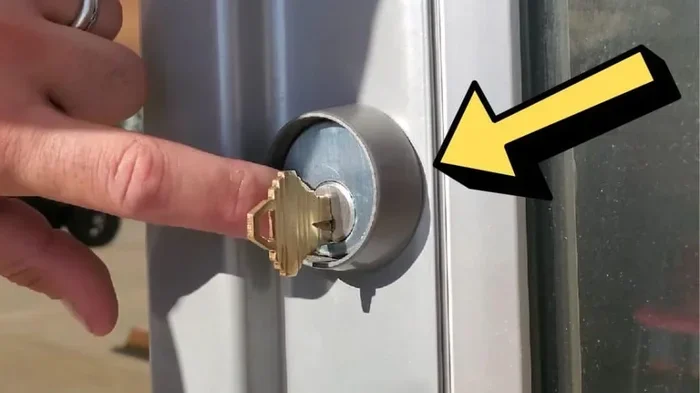
Keys can also get stuck in door locks. This often happens with the driver-side door because it gets used the most. The lock mechanism may be dirty or corroded. Rust buildup inside the cylinder is a common cause of key stuck in door lock problems.
Start by spraying a small amount of lock lubricant into the keyhole. WD-40 or a dedicated lock lubricant works well. Wait about thirty seconds for the spray to penetrate. Then try turning the key slightly and pulling it out. The lubricant reduces friction and helps the key slide free. Reapply if needed, but keep the amount small.
When the Key Won’t Turn or Come Out
Sometimes the key turns but will not come out. This usually means the lock cylinder is partially jammed. A misaligned door latch can also cause this problem. When the door is slightly swollen from humidity, it puts pressure on the latch. This pressure transfers to the lock cylinder and holds the key in place.
Try opening the door fully before attempting removal. If the door is ajar, the lock cylinder has more room to move. Spray lubricant again and work the key gently back and forth. Never use excessive force. If the key bends or breaks inside the door lock, you will face a bigger problem that may require car key replacement.
Tools and Methods for Key Extraction
Household Items That Work
You do not always need fancy tools to get a stuck key out. Several household items can help. A spare key can sometimes be used to push the stuck key out from behind. This works best when the broken piece is deep inside the cylinder.
A small flathead screwdriver can also help. Insert it gently alongside the key to push it up slightly. This can give you enough grip to pull it out. Tweezers or needle-nose pliers work well for visible key fragments. Just be gentle and patient. The goal is to coax the key out, not force it.
Specialized Key Removal Tools
For stubborn situations, specialized tools make a big difference. A key removal tool set includes small hooks and needles designed for this purpose. You insert the tool alongside the key and hook the hole in the key shaft. Then you pull the key fragment out slowly and carefully.
These extraction kits cost between five and fifteen dollars. They are worth having in your glove box. Even if you never use them, they take up very little space. A dedicated key extraction tool is a small investment that can save you hundreds in locksmith fees.
Comparison of Key Removal Methods
| Method | Best For | Cost | Difficulty | Risk Level |
|---|---|---|---|---|
| Steering wheel wiggle | Ignition lock engagement | Free | Easy | Very Low |
| Lock lubricant spray | Stiff or corroded locks | $5-$10 | Easy | Low |
| Needle-nose pliers | Visible broken key ends | $5-$15 | Moderate | Medium |
| Broken key extraction kit | Broken keys inside cylinder | $5-$15 | Moderate | Low-Medium |
| Automotive locksmith | Severe breaks, damaged cylinders | $50-$150 | Easy (for you) | Very Low |
Quick Tips for Safe Key Removal
- Always try gentle methods first. If a little wiggle and spray does not work, move to the next step slowly.
- Keep your car running if possible. Some vehicles release the ignition lock only when the engine is on.
- Use the right size tools. Tools that are too large can damage the lock cylinder internals.
- Work in good lighting. You need to see what you are doing, especially with broken keys.
- Take your time. Rushing leads to mistakes. Set aside five to ten minutes for the job.
When to Call a Professional Locksmith
Signs You Need a Locksmith
Not every key problem should be handled at home. If you have tried everything and the key will not move, it is time to call for help. Visible damage to the lock cylinder is another warning sign. You might notice the lock feels loose or wobbly when you touch it.
A key that breaks off repeatedly is a serious red flag. This indicates a deeper problem with the lock mechanism. An automotive locksmith can inspect the entire cylinder and recommend the right fix. They can also perform broken key extraction safely without causing further damage. Trust your instincts here. If something feels wrong, get a professional opinion.
Cost Considerations
Hiring a locksmith does not have to break the bank. A simple key extraction typically costs between fifty and one hundred fifty dollars. The price depends on your location and the complexity of the job. Ignition cylinder replacement runs higher, usually between one hundred and three hundred dollars.
Getting a quote before work begins is always smart. Most locksmiths offer free estimates over the phone. Compare prices from two or three professionals in your area. This ensures you get fair pricing for the service you need. Remember that paying a little extra for an experienced professional can save you from costly lock damage.
Expert Insights
Experienced locksmiths agree that prevention is the most underrated solution. Regular maintenance keeps lock cylinders in great shape and reduces the chance of a stuck key in ignition situation. They also recommend using the original key rather than cheap copies. Duplicate keys wear out faster and are more likely to get stuck. If you have a spare key, keep it in good condition and use it as your primary key when possible.
Preventing Future Key Sticking Problems
Maintenance Tips for Smooth Key Removal
Prevention is always better than repair. Regular lock maintenance keeps your keys working smoothly. Spray a small amount of lock lubricant into each keyhole every six months. This prevents dust and debris from building up inside the cylinder. A little maintenance goes a long way toward avoiding how do I remove my key emergencies.
Keep your keys clean and free of dirt. Wipe them down regularly with a soft cloth. Avoid hanging heavy items on your keychain. Extra weight puts stress on the key and the lock. Over time, this can weaken both the key and the cylinder. A lightweight keychain with only the essentials is the best approach.
When to Replace the Lock Cylinder
Sometimes prevention is not enough. A worn lock cylinder eventually needs replacement. If you notice the key feels loose or sloppy inside the lock, do not ignore it. A loose fit means the internal pins are worn. Continuing to use the lock in this condition can cause the key to break.
Replacing a lock cylinder is a job best left to a professional in most cases. The new cylinder will accept your existing key or come with a new set. This is also a good time to consider upgrading to a keyless entry system. Many modern vehicles offer push-button start options that eliminate the need for a physical key altogether. These systems remove the stuck key problem from your life entirely.
Knowing how do I remove my key safely is a valuable skill for every driver. Whether the key is stuck in the ignition, trapped in a door lock, or broken inside the cylinder, the methods in this guide give you practical options. Start with simple solutions like lubricant and gentle manipulation. Move to specialized tools if needed. And do not hesitate to call a professional when the situation is beyond DIY fixes.
Regular maintenance goes a long way in preventing key problems altogether. A little care and attention keeps your locks working smoothly for years. The next time you find yourself asking how do I remove my key, you will have the knowledge and confidence to handle it. Stay calm, work gently, and trust the process.
Frequently Asked Questions
Why does my key keep getting stuck in the ignition?
The most common reason is a worn ignition cylinder or a locked steering wheel. Dirt and debris inside the lock can also cause sticking. Regular lubrication and gentle handling usually prevent this problem from recurring.
Can I use super glue to extract a broken key?
No, this is a very bad idea. Super glue can fill the lock cylinder and create an even bigger problem. Stick to proper broken key extraction tools or call a professional locksmith for safe removal.
How much does it cost to replace a lock cylinder?
Replacement costs typically range from one hundred to three hundred dollars. The exact price depends on your vehicle make and model, your location, and whether you hire a locksmith or a dealership.
Is it safe to drive with a broken key?
If the broken piece is still in the ignition and the engine is running, you can usually drive to a shop safely. However, you may not be able to turn off the engine properly. Get it fixed as soon as possible.
What is the best lubricant for a stuck car key?
A dedicated lock lubricant or WD-40 works well for most situations. Avoid using grease or heavy oils because they attract dirt and can make the problem worse over time.
Can a locksmith fix a damaged lock cylinder on the spot?
Yes, most locksmiths can replace or repair a lock cylinder during a single visit. They carry replacement parts in their vehicles and can complete the job quickly and professionally.