Where Is the Paint Code Normally Located on Your Car
Every car has a unique paint code that reveals the exact factory color formula. This small alphanumeric sticker is essential for touch-up paint, color matching, and custom work. In this guide, we show you exactly where to find the paint code on any vehicle, from common spots like the door jamb to hidden locations under the hood. We also cover manufacturer-specific locations and what to do when the sticker is missing.
Every car has a unique paint code that tells you the exact color formula used by the manufacturer. Finding this paint code is essential when you need touch-up paint, want to do a custom paint job, or are planning a color matching project. The good news is that the car paint code is almost always printed on a sticker or plate somewhere on the vehicle. In this guide, we will show you exactly where to look and how to use your paint code for any project. Whether you own a sedan, truck, or SUV, you will find the information you need right here.
Knowing where to find your paint code can save you time and money. Many car owners search for this small alphanumeric code when they need to match their vehicle’s original color. The paint code is typically found on a factory sticker placed in a specific spot during manufacturing. Once you know where to look, locating it becomes a simple process.
Key Takeaways
- Common Location: The paint code is most often found on the driver’s side door jamb on a manufacturer sticker.
- Multiple Spots Exist: You may also find it under the hood, on the trunk lid, or near the spare tire compartment.
- Manufacturer Differences: Each car brand places the color code sticker in a slightly different spot.
- Missing Sticker? You can still find your paint code using the VIN number or online lookup tools.
- Practical Use: Your paint code helps you order the correct touch-up paint or get an exact match at a body shop.
- Hidden Locations: Check the frame rail, undercarriage, and emission label for the color code sticker in some models.
📑 Table of Contents
What Is a Paint Code and Why Does It Matter?
Understanding the Vehicle Color Code
A paint code is a short alphanumeric sequence assigned by the car manufacturer. It identifies the exact shade and formula used on your vehicle at the factory. No two vehicle color codes are exactly alike across different models or years. This code ensures that any repaint or touch-up matches the original finish perfectly.
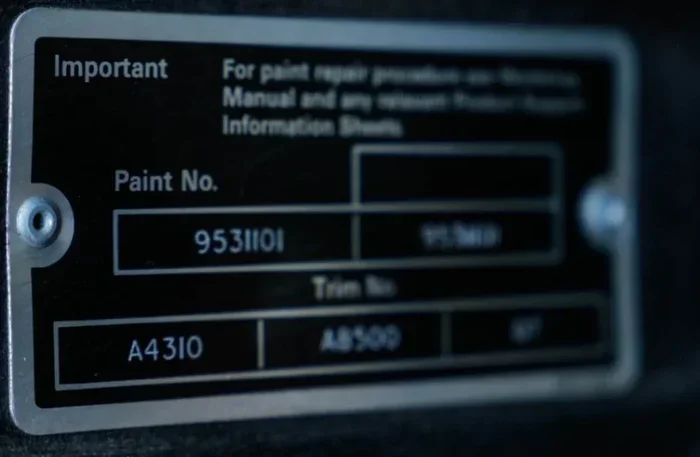
The color code sticker usually contains the paint code along with other useful information. You may also see the vehicle identification number printed nearby. This sticker is placed on the car during the assembly process and is meant to last the lifetime of the vehicle.
Why the Paint Code Matters for Color Matching
Getting the right color matching depends entirely on having the correct paint code. Without it, you are guessing at the shade. Even a slight difference in tone can be very noticeable on a car’s surface.
Here is why the paint code matters so much:
- Touch-up paint: You need the exact paint code to order the right small bottle of touch-up paint from an auto parts store.
- Body shop work: A professional body shop uses your paint code to mix paint using a paint mixing system.
- Custom projects: If you are doing a full custom paint job, the paint code gives the painter a starting point for the base color.
- Resale value: A perfect color match preserves the car’s look and can help maintain its resale value.
Expert Insight
According to industry professionals, using the factory paint code is always better than trying to match a color by eye. Even experts at a body shop rely on the color code sticker to get an exact match. The paint mixing system at any reputable shop reads the code and blends pigments precisely.
Most Common Locations for Your Car’s Paint Code
The paint code is placed in specific spots on every vehicle. These locations are chosen to be durable but accessible. Let us walk through the most common places where you will find the car paint code.
Driver’s Side Door Jamb
The driver’s side door jamb is the number one spot for the paint code on most vehicles. Open the driver’s door and look at the frame of the door. There you will usually find a manufacturer sticker with important details about your car.
This sticker often includes the color code sticker, the vehicle VIN number, tire pressure info, and the manufacture date. The paint code is printed right on this label in most cases. Look for a short combination of letters and numbers labeled “Paint Code,” “Color Code,” or “Formula.”
Quick Tip: Bring a flashlight when checking the door jamb. The sticker can be hard to see if it is placed near the hinges or in a shadowed area.
Under the Hood
Many cars also have the paint code printed on a label under the hood. Check the hood latch area, the inner fender, or the firewall. The factory sticker here often contains the emission label and certification sticker along with the color information.
On some models, the color code sticker under the hood is placed on the radiator support or the inner fender panel. Look carefully at any sticker that has a series of numbers and letters. The paint code is usually clearly marked.
Trunk Lid and Spare Tire Compartment
Some vehicles place the paint code in less obvious spots. The trunk lid inner panel is one such location. Open the trunk and look at the inside of the lid or the area near the taillights.
The spare tire compartment is another common hiding spot. Remove the spare tire and check the inside of the tire well. There may be a small factory sticker with the vehicle color code printed on it. This is especially common on trucks and SUVs.
Other Hidden Spots to Check
If you have not found the paint code in the common spots, do not give up. Here are a few more places to look:
- Frame rail: On some trucks and older models, the paint code is stamped or printed on the frame rail under the vehicle.
- Undercarriage: Check the undercarriage near the rear axle or the front suspension. The color code sticker may be placed here on certain models.
- Inside the glove box: Some manufacturers place a label inside the glove box door with the paint code and other details.
- On the dashboard: A few models have the paint code printed on a label visible through the windshield on the dashboard area.
Quick Tips for Finding the Paint Code
- Clean the area before you look. Dirt and grime can hide the sticker.
- Use a flashlight to inspect dark or tight spaces.
- Take a photo of the sticker once you find it so you always have a backup.
- Check both the driver’s and passenger’s sides. Some models place the sticker on either side.
- Refer to the service manual for your specific vehicle. It lists the exact location of the color code sticker.
Paint Code Locations by Car Manufacturer
Different car brands place the paint code in slightly different locations. Below is a helpful comparison of where to look for some of the most popular manufacturers.
| Manufacturer | Most Common Paint Code Location | Alternative Locations |
|---|---|---|
| Ford | Driver’s side door jamb sticker | Under the hood on the inner fender |
| Chevrolet | Driver’s side door jamb or trunk lid | Under the hood on the radiator support |
| Toyota | Driver’s side door jamb | Under the hood, near the hood latch |
| Honda | Driver’s side door jamb sticker | Trunk lid inner panel |
| BMW | Driver’s side door jamb or B-pillar | Under the hood on the inner fender |
| BMW | Driver’s side door jamb or B-pillar | Under the hood on the inner fender |
| BMW | Driver’s side door jamb or B-pillar | Under the hood on the inner fender |
Always double-check the service manual for your specific model. The build sheet or emission label may also list the paint code in a spot unique to your vehicle. When in doubt, check the driver’s side door jamb first. This is the most universal location across all brands.
Common Mistakes When Searching for the Paint Code
Many car owners make the same mistakes when trying to locate the paint code. Here are the most common ones to avoid:
- Looking in the wrong spot: Do not assume the paint code is on the passenger side. Always check the driver’s side door jamb first.
- Confusing the sticker: There may be multiple stickers on the door jamb. Make sure you are reading the one that says “Paint Code” or “Color Code.”
- Ignoring the VIN: The VIN number is not the same as the paint code. The VIN is much longer and contains different information.
- Giving up too soon: If the sticker is faded or worn, try cleaning the area or looking in alternative spots before assuming it is missing.
Expert Insight
Experienced auto detailers recommend always taking a photo of the color code sticker as soon as you find it. Over time, sun exposure and weather can fade the sticker. Having a photo on your phone means you always have a backup for paint code lookup or when visiting a body shop.
How to Find Your Paint Code When the Sticker Is Missing
Sometimes the factory sticker is missing or too faded to read. This can happen on older vehicles or cars that have been repainted. Do not worry. There are still several ways to find your paint code.
Using the VIN Number for a Paint Code Lookup
The VIN number is a powerful tool for finding your paint code. The VIN is a 17-character code that contains details about your vehicle’s make, model, year, and factory options. While the VIN itself is not the paint code, you can use it to look up the code through online databases.
Many websites and auto parts store chains offer free paint code lookup tools. You simply enter your VIN number and the system returns the exact paint code for your vehicle. This method works for most makes and models manufactured after 1980.
Contacting the Dealership
If online tools do not work, you can contact the dealership for your vehicle’s brand. Provide them with your VIN number and ask for the paint code. The dealership has access to the manufacturer’s database and can look up the exact vehicle color code for your specific vehicle.
This method is especially helpful for older or rare models. The dealership can also tell you if your vehicle had any special order colors that may not be listed in standard paint code lookup tools.
Checking the Build Sheet or Service Records
Some vehicles come with a build sheet that lists all factory options, including the paint code. The build sheet may be stored in the glove box, under the floor mat, or taped inside the door panel.
You can also request service records from the dealership. These records often include the paint code from previous visits. This is a great option if the color code sticker is completely gone and online lookup tools do not have your vehicle’s information.
Quick Tip
When calling the dealership, have your VIN number ready. The service advisor can pull up the paint code in just a few minutes. Some dealerships may charge a small fee for this service, but many provide it for free.
Using Your Paint Code for Touch-Up and Custom Work
Once you have found your paint code, you can put it to good use. The paint code opens the door to several practical applications that keep your car looking its best.
Ordering Touch-Up Paint
The most common use for a paint code is ordering touch-up paint. You can buy small bottles of touch-up paint from an auto parts store or directly from the manufacturer. Simply provide the paint code and you will receive the exact shade used on your vehicle.
Touch-up paint is perfect for covering small chips and scratches. It prevents rust from forming and keeps the car looking clean. Always clean the area thoroughly before applying touch-up paint for the best results.
Working with a Body Shop
If you are doing larger repairs, a professional body shop will need your paint code. The shop uses a paint mixing system to blend the exact shade based on the code. This ensures the repaired area matches the rest of the car perfectly.
Give the paint code to the estimator or service advisor when you drop off your vehicle. This saves time and avoids any guesswork. A good body shop will also use a color matching tool to verify the match after the paint is applied.
Understanding the Paint Mixing System
Modern paint mixing systems use the paint code as the base formula. The system adds specific pigments and base coats to create the exact color. This technology has made color matching much more accurate than it used to be.
However, keep in mind that paint can fade over time due to sun exposure and weather. A body shop may need to adjust the formula slightly to account for fading. This is why it is always best to use the factory paint code as a starting point rather than trying to match by sight.
Common Mistakes When Using Your Paint Code
- Using the wrong code: Double-check that you have the correct paint code before ordering paint or visiting a body shop.
- Ignoring the year: Paint formulas can change between model years. Make sure the paint code matches your vehicle’s specific year.
- Not checking for recalls: Some manufacturers updated paint codes during a model run. Verify the code with the dealership if you are unsure.
Quick Tips and Common Mistakes to Avoid
Quick Tips for Success
- Always clean the area around the color code sticker before reading it.
- Keep a photo of the paint code saved on your phone at all times.
- Write the paint code in your vehicle’s service manual or owner’s wallet folder.
- Check the undercarriage and frame rail on trucks and older vehicles.
- Use the VIN number for a reliable paint code lookup when the sticker is missing.
Common Mistakes to Avoid
- Do not confuse the VIN number with the paint code. They are completely different.
- Do not assume the paint code is on the passenger side. Always check the driver’s side first.
- Do not try to match the color by eye. Always use the factory paint code for the best results.
- Do not ignore faded or worn stickers. Clean the area and use a flashlight to read them.
- Do not skip the service manual. It is one of the best resources for finding the exact location of the color code sticker on your specific model.
Expert Insight
Certified auto technicians emphasize that the paint code is one of the most important pieces of information a car owner can have. It is free to find and can save hundreds of dollars in color matching fees at a body shop. Make it a habit to locate and record your paint code as soon as you purchase a vehicle.
Conclusion
Finding the paint code on your car is easier than most people think. The driver’s side door jamb is the most common spot, but the paint code can also be found under the hood, on the trunk lid, and in other hidden locations. Each manufacturer may place the color code sticker in a slightly different spot, so always check the most common locations first.
If the sticker is missing or faded, you can still find your paint code using the VIN number and online paint code lookup tools. The dealership is another reliable resource for locating the exact vehicle color code for your specific vehicle.
Once you have your paint code, you can use it to order touch-up paint, work with a body shop, or plan a custom paint project. The paint code ensures perfect color matching and keeps your vehicle looking its best. Take a few minutes today to find and record your paint code. It is one of the simplest and most valuable things you can do as a car owner.
Frequently Asked Questions
Where is the paint code usually found on a car?
The paint code is most commonly found on the driver’s side door jamb on a manufacturer sticker. You may also find it under the hood, on the trunk lid, or in the spare tire compartment depending on your vehicle’s make and model.
Can I find my paint code using the VIN number?
Yes, you can use your VIN number to look up the paint code through online databases or by contacting your vehicle’s dealership. The VIN number contains factory information that links to the correct vehicle color code for your specific car.
What if the paint code sticker is faded or missing?
Clean the area thoroughly and use a flashlight to try to read the faded color code sticker. If it is completely missing, you can contact the dealership with your VIN number or use an online paint code lookup tool to find the code.
Is the paint code the same as the VIN number?
No, the paint code and the VIN number are completely different. The VIN number is a 17-character code that identifies your vehicle, while the paint code is a short alphanumeric sequence that identifies the exact factory paint color.
How do I use my paint code at a body shop?
Give the paint code to the estimator or service advisor at the body shop. They will use a paint mixing system to blend the exact shade based on the code, ensuring a perfect color matching result for your repair or custom work.
Can I order touch-up paint with just the paint code?
Yes, most auto parts stores and manufacturer websites allow you to order touch-up paint using just the paint code. Provide the code and your vehicle details to get the exact factory shade for covering small chips and scratches.