How Many Labor Hours Does It Take to Replace Serpentine Belt
Replacing a serpentine belt typically takes between 0.5 and 1.5 labor hours at most independent shops and dealerships. The exact time depends on your vehicle model, engine layout, and whether other components need removal. Understanding the labor hours involved helps you budget for this common maintenance job and decide whether a DIY approach or professional service makes more sense for your situation.
Your car’s serpentine belt plays a huge role in keeping everything running smoothly. It powers your alternator, power steering pump, water pump, and air conditioning compressor. When this belt wears out or breaks, you could be facing some serious engine trouble. One of the first questions car owners ask is: how many labor hours does it take to replace serpentine belt? The answer is simpler than you might think.
In most cases, a serpentine belt replacement takes between 30 minutes and 1.5 hours of labor time. However, several factors can change this estimate. Your vehicle type, engine layout, and whether other parts need removal all play a role. Let’s dive deep into everything you need to know about serpentine belt replacement labor hours, costs, and what you can do to save money.
Key Takeaways
- Average Labor Time: Most serpentine belt replacements take between 30 minutes and 1.5 hours of labor.
- Cost Range: Expect to pay between $75 and $250 for labor, depending on the shop rate and vehicle complexity.
- DIY-Friendly: Many car owners can complete this job at home with basic tools in under an hour.
- Warranty Coverage: Some dealership warranties may cover the labor if the belt fails prematurely.
- Signs of Wear: Squealing, cracking, or fraying are clear signals that your serpentine belt needs attention.
- Vehicle Matters: Engines with tight spaces or additional components take longer to service.
- Regular Inspection: Checking your serpentine belt during routine maintenance can prevent unexpected breakdowns.
📑 Table of Contents
- What Is a Serpentine Belt and Why Does It Matter?
- How Many Labor Hours Does It Take to Replace Serpentine Belt?
- What Affects Serpentine Belt Replacement Labor Time?
- How Much Does Serpentine Belt Replacement Cost?
- Can You Replace a Serpentine Belt Yourself?
- Where Should You Get Your Serpentine Belt Replaced?
- Signs Your Serpentine Belt Needs Replacement
- Serpentine Belt Maintenance Tips
- Common Mistakes During Serpentine Belt Replacement
- Expert Insights on Serpentine Belt Replacement
- Serpentine Belt Replacement by Vehicle Type
- Final Thoughts on Serpentine Belt Replacement Labor Hours
What Is a Serpentine Belt and Why Does It Matter?
A serpentine belt is a single, long belt that winds through multiple engine components. Unlike older vehicles that used several separate belts, modern cars use one belt to drive all the accessories. This design is simpler and more efficient. But when it fails, it can shut down multiple systems at once.
The serpentine belt drives your alternator, which charges your battery. It also powers the water pump, which keeps your engine cool. Without a working serpentine belt, your car can overheat quickly. The power steering pump also relies on this belt, so steering becomes very difficult if it breaks while driving.
Most serpentine belts last between 50,000 and 100,000 miles. However, heat, tension, and wear can shorten that lifespan. Regular inspection during oil changes and other maintenance can catch problems early. Catching a worn belt before it snaps saves you from roadside breakdowns and costly repairs.
How Many Labor Hours Does It Take to Replace Serpentine Belt?
The labor time for a serpentine belt replacement varies by vehicle. Here is a general breakdown of what to expect:
Standard Vehicles (Most Common)
For most sedans and trucks with easy engine access, the job takes about 30 minutes to 1 hour of labor. The mechanic releases the belt tensioner, slides the old belt off, routes the new belt, and tightens it back up. It is one of the quicker maintenance jobs available.
Vehicles with Tight Engine Compartments
Some cars have engines that are packed tightly. In these vehicles, the mechanic may need to remove additional components to reach the belt. This can add 30 minutes to an hour to the total labor time. Luxury vehicles and certain European models often fall into this category.
Vehicles with Accessory Components in the Way
If your vehicle has an engine mount, intake manifold, or other parts blocking access, the labor time increases further. The mechanic must carefully remove and reinstall these parts. In these cases, you might be looking at 1.5 to 2 hours of labor.
Overall, the average serpentine belt replacement labor time sits around 1 hour for most common vehicles. This makes it a relatively quick and affordable repair.
What Affects Serpentine Belt Replacement Labor Time?
Several factors influence how long it takes to replace a serpentine belt. Understanding these can help you set realistic expectations and budget accordingly.
Vehicle Make and Model
Different vehicles have very different engine designs. A compact sedan with a straightforward engine layout is much faster to service than a high-performance SUV with a cramped engine bay. The serpentine belt routing also varies between models. Some vehicles have simple routing, while others require the belt to wind through multiple pulleys in a complex path.
Age and Condition of the Vehicle
Older vehicles may have rusted or seized bolts that hold engine covers in place. This adds time to the job. Newer vehicles generally have cleaner engine bays and easier access. However, some newer models use proprietary tensioner systems that require special tools.
Whether the Tensioner Needs Replacement
The belt tensioner keeps proper tension on the serpentine belt. If the tensioner is also worn or failing, the mechanic will need to replace it as well. This adds to the labor time. A tensioner replacement on top of a belt swap can add another 30 minutes to an hour of work.
Additional Component Removal
In some cases, the mechanic needs to remove the alternator, power steering pump, or other components to access the belt. Each additional component adds time. If the water pump is driven by the serpentine belt and also needs replacement, the labor time increases significantly.
How Much Does Serpentine Belt Replacement Cost?
Cost is a big concern for most car owners. The total price includes both parts and labor. Here is a general cost breakdown:
Parts Cost
A serpentine belt itself typically costs between $25 and $75. The price depends on the brand, material, and your vehicle model. Higher-end vehicles or specialty belts may cost more. If you also need a new tensioner, add another $30 to $150 for the part.
Labor Cost
Labor rates vary widely by region and shop type. Independent shops usually charge between $80 and $130 per hour. Dealerships often charge between $100 and $200 per hour. Since the job takes about 1 hour on average, the labor cost typically falls between $80 and $200.
Total Cost Estimate
For most vehicles, you can expect to pay between $100 and $250 total for a serpentine belt replacement. This includes both parts and labor. Vehicles with complex engine layouts or those requiring additional component removal may push the cost higher.
If you are wondering whether your warranty covers this repair, it depends on the terms. Does dealership warranty cover labor? In many cases, if the belt fails due to a manufacturing defect, the warranty will cover the cost. However, normal wear and tear is generally not covered. It is always worth checking with your dealer before scheduling the repair.
Can You Replace a Serpentine Belt Yourself?
Many car owners ask whether they can tackle this job at home. The good news is that serpentine belt replacement is one of the more manageable DIY repairs. If you have basic mechanical skills and a few common tools, you can likely do it yourself.
First, you need to locate the serpentine belt in your engine bay. Consult your owner’s manual or look for a belt routing diagram under the hood. Some vehicles also have a sticker in the engine compartment showing the routing path.
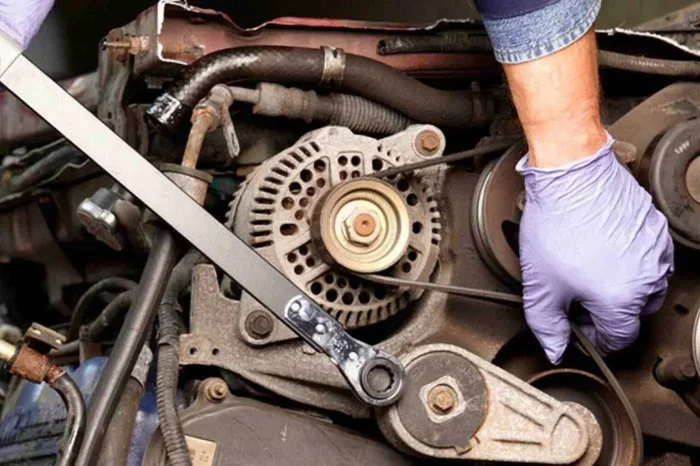
You will need a serpentine belt tool or a socket wrench to release the tensioner. Simply rotate the tensioner, slide the old belt off the pulleys, and route the new belt following the diagram. Then release the tensioner to lock the new belt in place. That is essentially the entire process.
For those who prefer to learn by watching, there are many video tutorials available online for almost every vehicle model. If you have replaced a car thermostat yourself, you likely have the skills needed for a serpentine belt replacement. Both jobs involve basic engine access and simple mechanical procedures.
Just be careful not to let the tensioner snap back, as this can damage engine components or cause injury. Also, make sure to check the condition of the tensioner pulley while you are at it. A worn tensioner will ruin a new belt quickly.
Where Should You Get Your Serpentine Belt Replaced?
Choosing the right place for your serpentine belt replacement matters. You want quality work at a fair price. Here are the main options to consider:
Dealerships
Dealerships offer OEM parts and trained technicians who know your specific vehicle. However, labor rates at dealerships tend to be higher. If you have an active warranty, the dealership may be your best option. Just keep in mind that taking your Toyota to any dealership for service is usually possible, but the experience and pricing can vary.
Independent Repair Shops
Independent shops often provide the best value. Their labor rates are lower than dealerships, and many independent mechanics have decades of experience. Look for shops with good reviews and ASE-certified technicians.
DIY at Home
If you are comfortable working on your car, doing it yourself saves the most money. You only pay for the parts, not the labor. This is a great option for those with a basic garage setup and some mechanical knowledge.
Mobile Mechanic Services
Mobile mechanics come to your location. This is convenient but may cost a bit more due to travel fees. It is a good option if you do not have transportation or a suitable workspace.
Signs Your Serpentine Belt Needs Replacement
Knowing the warning signs of a failing serpentine belt can help you avoid a breakdown. Here are the most common symptoms to watch for:
- Squealing Noise: A high-pitched squeal when starting the engine or turning the steering wheel is a classic sign of a worn or loose serpentine belt.
- Cracks and Fraying: Visible cracks, glazing, or fraying on the belt surface mean it is time for a replacement.
- Battery Warning Light: If the battery light comes on, the serpentine belt may have slipped or broken, stopping the alternator from charging.
- Overheating Engine: A broken serpentine belt stops the water pump from circulating coolant, leading to overheating.
- Power Steering Loss: A sudden loss of power steering assist often indicates a serpentine belt failure.
- AC Not Working: If your air conditioning stops blowing cold air, the belt may not be turning the compressor properly.
If you notice any of these symptoms, get your serpentine belt inspected right away. Driving with a damaged belt can cause cascading damage to other engine components.
Serpentine Belt Maintenance Tips
Prevention is always better than repair. Here are some simple tips to extend the life of your serpentine belt:
- Inspect Regularly: Have your serpentine belt checked during every oil change or at least every 10,000 miles. Look for cracks, glazing, and proper tension.
- Check the Tensioner: The tensioner keeps the belt tight. A weak tensioner causes the belt to slip and wear faster. Include the tensioner in your inspection routine.
- Keep the Engine Clean: Oil and coolant leaks can deteriorate the serpentine belt quickly. Address any fluid leaks promptly to protect the belt.
- Follow the Maintenance Schedule: Your owner’s manual provides a recommended replacement interval. Sticking to this schedule prevents unexpected failures.
- Use Quality Parts: When replacing the belt, choose a quality brand that matches or exceeds OEM specifications. Cheap belts may wear out much faster.
Taking these simple steps can add thousands of miles to your serpentine belt’s life and keep your engine running smoothly.
Common Mistakes During Serpentine Belt Replacement
Even experienced mechanics can make mistakes. Here are some common errors to watch out for:
- Wrong Belt Length: Using the wrong size belt causes improper tension and premature wear. Always verify the part number matches your vehicle.
- Improper Routing: Routing the belt incorrectly can damage components or cause the belt to slip off. Always follow the routing diagram exactly.
- Forgetting to Release Tensioner: If the tensioner is not released before installing the new belt, the belt will be too tight and could damage pulleys.
- Ignoring the Tensioner: Replacing the belt without checking the tensioner is a missed opportunity. A failing tensioner will damage the new belt quickly.
- Over-Tightening Bolts: Stripping bolts in the engine bay creates unnecessary headaches. Use a torque wrench when possible.
Avoiding these mistakes ensures a smooth serpentine belt replacement and long-lasting results.
Expert Insights on Serpentine Belt Replacement
Experienced mechanics agree that serpentine belt replacement is one of the simplest and most affordable maintenance jobs. Most professionals recommend replacing the belt at the first sign of wear rather than waiting for it to break. A broken serpentine belt on the highway can lead to overheating, loss of steering, and even engine damage.
Some technicians suggest replacing the tensioner and belt together. This ensures both components are in good condition and prevents the need for a second service visit. If you are already paying for labor, it makes sense to address related wear items at the same time.
Another tip from seasoned pros: always take a photo of the old belt routing before removing it. This makes reinstalling the new belt much easier and reduces the chance of routing errors. It is a simple step that saves time and frustration.
Serpentine Belt Replacement by Vehicle Type
The labor time for serpentine belt replacement can vary significantly depending on the type of vehicle you drive. Here is a closer look at how different vehicle categories compare:
Compact and Midsize Sedans
These vehicles typically have the most accessible engine bays. The serpentine belt is easy to reach, and the routing is straightforward. Labor time usually falls in the 30-minute to 1-hour range. Popular models like the Toyota Camry, Honda Accord, and Ford Focus are great examples of easy serpentine belt replacements.
SUVs and Trucks
Larger vehicles often have bigger engines with more accessories. The serpentine belt may be longer and route through additional pulleys. Labor time for SUVs and trucks typically ranges from 45 minutes to 1.5 hours. Vehicles like the Toyota Highlander and Ford F-150 fall into this category.
Luxury and Performance Vehicles
Luxury and performance cars have the most complex engine layouts. Accessing the serpentine belt may require removing engine covers, air intake components, or other parts. Labor time for these vehicles can reach 1.5 to 2.5 hours. Brands like BMW, Mercedes-Benz, and Lexus often have tighter engine compartments that require extra care.
When considering the labor time, it is also worth thinking about where you get the work done. If you own a Toyota, you might wonder about taking your Toyota to any dealership for service. The answer is generally yes, but availability of parts and technician expertise can vary by location.
Final Thoughts on Serpentine Belt Replacement Labor Hours
Replacing a serpentine belt is a straightforward and relatively quick repair. For most vehicles, the job takes between 30 minutes and 1.5 hours of labor. The cost is reasonable, typically ranging from $100 to $250 for parts and labor combined. Whether you choose a dealership, independent shop, or DIY approach, understanding the labor hours involved helps you make informed decisions.
Regular inspection and timely replacement of your serpentine belt prevent bigger problems down the road. Do not ignore warning signs like squealing, cracking, or warning lights on your dashboard. Addressing serpentine belt issues early saves you time, money, and the stress of unexpected breakdowns.
Remember that every vehicle is different. Always consult your owner’s manual and a trusted mechanic to determine the best maintenance schedule for your specific car. With proper care, your serpentine belt will keep your engine accessories running smoothly for tens of thousands of miles.
Frequently Asked Questions
How long does it take to replace a serpentine belt at a dealership?
At a dealership, a serpentine belt replacement typically takes about 1 hour for most vehicles. Dealerships have specialized tools and factory-trained technicians, which can make the process efficient. However, wait times for appointments and parts availability may extend the total visit time beyond the actual labor hours.
Is it safe to drive with a worn serpentine belt?
It is not recommended to drive with a worn serpentine belt. A worn belt can snap unexpectedly, leaving you stranded. If the belt breaks while driving, you may lose power steering, brake assist, and engine cooling. Replace the belt as soon as you notice signs of wear to avoid safety risks and costly damage.
How much does it cost to replace a serpentine belt?
The total cost for serpentine belt replacement usually ranges from $100 to $250. This includes the price of the belt itself (around $25 to $75) and labor charges (typically $75 to $200). Vehicles with complex engine layouts or those requiring additional component removal may cost more.
Can I replace the serpentine belt myself?
Yes, most car owners can replace a serpentine belt at home with basic tools. The job requires a serpentine belt tool or socket wrench, the new belt, and your owner’s manual for routing instructions. If you have replaced other engine components before, this is a manageable DIY project that takes about an hour.
How often should a serpentine belt be replaced?
Most serpentine belts should be replaced every 50,000 to 100,000 miles, depending on driving conditions and the manufacturer’s recommendation. Check your owner’s manual for the specific interval. Regular inspections can help you catch wear early and avoid unexpected belt failure.
What happens if the serpentine belt breaks while driving?
If the serpentine belt breaks while driving, you will immediately lose power steering assist, and the engine will begin to overheat because the water pump stops working. The alternator also stops charging, so the battery light will illuminate. Pull over safely and call for a tow. Do not attempt to drive the vehicle further to avoid engine damage.