How Do You Fix Low Brake Pressure and Restore Safety
Low brake pressure is a serious safety problem that can make your car dangerous to drive. This guide covers the most common causes, clear warning signs, and practical fixes you can do at home or with a mechanic. You will learn how to check your brake fluid, bleed the system, and know when to seek professional help.
Driving feels scary when your brakes do not respond the way they should. A spongy pedal, a long stopping distance, or a brake warning light on your dash all point to one possible problem: low brake pressure. Your brake system relies on hydraulic pressure to push pads against rotors and slow your wheels. When that pressure drops, your safety is at risk.
Fixing low brake pressure starts with understanding what causes it. Sometimes it is a simple fluid top-off. Other times, it is a leak or air trapped in the lines. This guide walks you through every step. You will learn how to diagnose the issue, apply the right fix, and prevent the problem from coming back. Whether you are a DIYer or just want to understand what your mechanic is talking about, this article has you covered.
Key Takeaways
- Low brake pressure is a serious safety risk: Driving with weak brakes increases stopping distance and crash risk significantly.
- Brake fluid leaks are the number one cause: Worn lines, damaged calipers, or a failing master cylinder can all lead to pressure loss.
- Bleeding the brakes restores proper pressure: Removing trapped air from the hydraulic system is often the key fix.
- Regular maintenance prevents brake problems: Flushing brake fluid and inspecting components keeps your system healthy.
- Warning signs should never be ignored: Spongy pedals, warning lights, and longer stopping distances all point to brake trouble.
- Some fixes need a professional: Complex brake work requires proper tools and expertise to ensure safety.
📑 Table of Contents
- What Is Low Brake Pressure and Why Does It Matter?
- Common Causes of Low Brake Pressure
- How to Recognize the Warning Signs of Low Brake Pressure
- Step-by-Step Fixes for Low Brake Pressure
- Preventive Maintenance to Keep Brake Pressure Healthy
- When to See a Professional Mechanic
- Final Thoughts on Fixing Low Brake Pressure
What Is Low Brake Pressure and Why Does It Matter?
Your car’s brake system works on a simple principle. You press the pedal, and that force gets multiplied through hydraulic fluid. The fluid pushes brake calipers, which squeeze pads against the rotors. This creates the friction that stops your wheels.
Brake pressure is the force that moves through this hydraulic system. When pressure drops, the pads do not grip as hard. Your stopping distance increases. In extreme cases, the pedal goes all the way to the floor and your brakes feel useless.
This is not a problem you should ignore. Brake issues cause thousands of accidents every year. The good news is that most causes of low brake pressure are fixable. You just need to know what to look for and how to address it.
Think of brake fluid like the blood of your brake system. It needs to be clean, full, and free of air bubbles. When any of those things go wrong, your braking power drops. Let us look at the most common reasons this happens.
Common Causes of Low Brake Pressure
Several things can cause your brake pressure to drop. Some are easy to fix. Others need professional attention. Here are the most common culprits.
Brake Fluid Leaks
A leak is the most common reason for low brake pressure. Brake fluid can escape from several places in the system. Worn brake lines are a frequent source. These metal tubes run along the undercarriage and can rust or get damaged over time.
Caliper seals can also fail. When a caliper seal leaks, fluid escapes and air enters the system. The master cylinder is another potential leak point. If the internal seals wear out, fluid bypasses the system and pressure drops.
You might notice a puddle of fluid under your car. Brake fluid is usually clear or slightly yellow. It feels slippery and has a slight oily texture. If you see this, check your brake fluid reservoir. If the level is low, you have a leak somewhere.
Air in the Brake Lines
Air is the enemy of hydraulic brake systems. Unlike brake fluid, air can compress. When air gets into your lines, the pedal feels spongy or soft. You might push the pedal hard and still not get firm braking.
Air usually enters through a leak or during brake service. Even a tiny amount of air can cause big problems. The air bubbles move through the system and create gaps in the hydraulic pressure. This makes your brakes feel weak and unpredictable.
Worn Master Cylinder
The master cylinder is the heart of your brake system. It takes the force from your pedal and converts it into hydraulic pressure. Over time, the internal seals wear out. When this happens, fluid leaks past the seals instead of building pressure.
A failing master cylinder often causes the pedal to sink slowly to the floor. You might also notice the brake warning light coming on. This is a serious issue that needs immediate attention.
Warped or Worn Brake Components
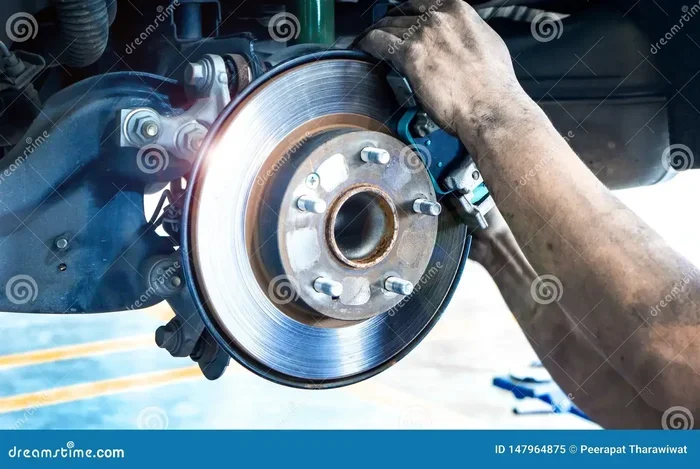
Worn brake pads and warped rotors do not directly cause low pressure. But they can make your brakes feel weak and unresponsive. If the pads are too thin, they cannot grip the rotor properly. This creates a feeling similar to low pressure.
Checking your brake pads regularly helps you catch wear early. Most pads have a wear indicator that squeals when they need replacing. Do not wait for this sound. Get your pads checked at every oil change.
Damaged Brake Booster
The brake booster uses vacuum to multiply the force you apply to the pedal. If the booster fails, you lose that assist. The pedal becomes hard to push, and braking power drops significantly.
A damaged brake booster often happens after engine work or if the vacuum hose gets disconnected. You might hear a hissing sound under the dash when you press the pedal. This is a sign the booster seal is leaking.
How to Recognize the Warning Signs of Low Brake Pressure
Catching brake problems early can save your life. Your car gives you several warning signs when brake pressure drops. Learn to recognize them and act fast.
Spongy or Soft Brake Pedal
This is the most common symptom. A healthy brake pedal feels firm and responsive. If the pedal feels soft, mushy, or sinks too far to the floor, air or fluid loss is likely the cause. Do not ignore this feeling. It means your brakes are not working at full capacity.
Brake Warning Light on the Dashboard
Most modern cars have a brake warning light. It usually looks like a circle with an exclamation point. If this light comes on, check your brake fluid level immediately. You might also see the ABS warning light if the pressure issue affects the anti-lock system.
If you have trouble resetting this light after fixing the issue, you may need to disconnect the battery to reset warning lights. This works for many car warning lights including brake indicators.
Longer Stopping Distances
If your car takes longer to stop than usual, your brake pressure may be low. Test this in a safe, empty area. Apply the brakes at a moderate speed and notice how quickly the car stops. If the distance feels longer than normal, get your brakes checked right away.
Grinding or Squealing Noises
Squealing usually means your brake pads are worn down. Grinding is worse. It means the pads are completely gone and metal is grinding against metal. Both situations put extra strain on your braking system and can contribute to pressure problems.
Car Pulls to One Side When Braking
If your car pulls left or right when you hit the brakes, one side may have less pressure than the other. This can happen from a stuck caliper, a leak on one side, or uneven pad wear. This is a dangerous condition that needs immediate inspection.
Step-by-Step Fixes for Low Brake Pressure
Once you identify the cause, you can start fixing the problem. Some fixes are simple DIY jobs. Others need a professional mechanic. Let us walk through each fix in order of complexity.
Step 1: Check and Top Off Brake Fluid
Start with the simplest fix. Open the hood and locate your brake fluid reservoir. It is usually on the driver’s side, near the back of the engine bay. The reservoir is usually white or clear with a black cap.
Check the fluid level against the MIN and MAX marks. If the level is low, top it off with the correct type of brake fluid. Check your owner’s manual for the right specification. Common types include DOT 3, DOT 4, and DOT 5.
After topping off, pump the brake pedal several times. You should feel the pedal firm up. If it stays soft, there is likely a leak or air in the system that needs more work.
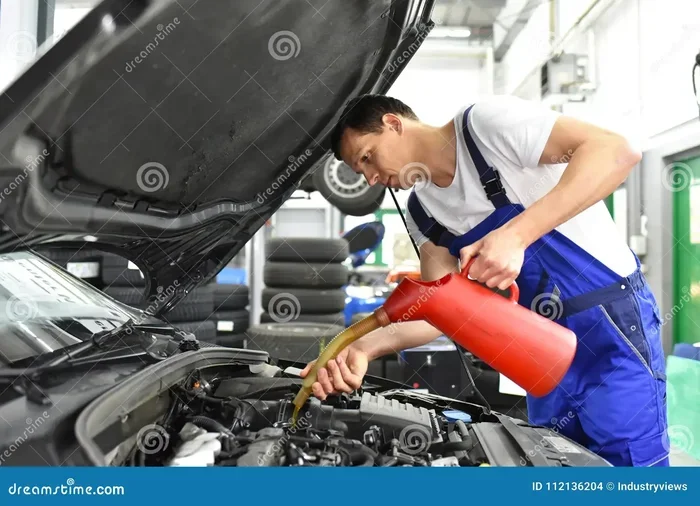
While you are under the hood checking fluids, it is a good idea to also check your engine oil. Low oil can cause other serious problems. If you want to learn how to check, you can read about how to tell if your car is low on oil for general fluid checking tips.
Step 2: Inspect for Leaks
With the car parked on a level surface, look under the car for any signs of fluid. Check around the brake lines, calipers, and master cylinder. Use a flashlight to look for wet spots, drips, or stained areas.
Also check inside the wheels. Brake dust is normal, but wet spots or fluid trails are not. If you find a leak, do not drive the car. Have it towed to a repair shop if the leak is significant.
Small leaks at connection points can sometimes be fixed by tightening the fitting. But most leaks require replacing the damaged part. Brake line replacements should be done with the correct size and type of line.
Step 3: Bleed the Brake System
Bleeding the brakes removes air from the hydraulic system. This is one of the most effective fixes for spongy brakes. You will need a helper, a wrench, brake fluid, and a clear hose.
Here is the basic process:
- Start with the wheel farthest from the master cylinder. Usually this is the right rear wheel.
- Have your helper press the brake pedal slowly and hold it down.
- Open the bleeder valve on the caliper with the wrench.
- Fluid and air will come out through the hose. Close the valve before your helper releases the pedal.
- Repeat this process until only fluid comes out with no air bubbles.
- Move to the next wheel in this order: left rear, right front, left front.
- Check the brake fluid reservoir often and top it off to prevent air from entering.
Bleeding brakes takes patience. Do not rush it. If you still get air bubbles after several attempts, there may be a stubborn air pocket or a deeper issue in the system.
Step 4: Replace Worn Brake Components
If bleeding does not fix the problem, worn components may be the cause. Here are the parts to inspect and replace as needed.
- Brake pads: Replace pads when they are down to 3mm or less. Most pads have wear indicators that squeal when replacement is needed.
- Brake rotors: Warped or scored rotors should be resurfaced or replaced. They cause vibration and uneven braking.
- Calipers: Stuck or leaking calipers need replacement. A stuck caliper can cause uneven brake pressure.
- Brake lines: Rusted or damaged lines must be replaced entirely. Do not attempt to patch them.
- Master cylinder: A failing master cylinder must be replaced. This is a more complex job that may require bench bleeding the new unit.
Step 5: Replace the Brake Booster if Needed
If your brake pedal feels very hard and your stopping power is weak, the brake booster may be at fault. Replacing a brake booster involves disconnecting the vacuum hose, removing the master cylinder, and swapping out the booster unit.
This is a moderate-difficulty repair. If you are not comfortable working on brake systems, have a mechanic handle this job. Your safety depends on the booster working correctly.
Preventive Maintenance to Keep Brake Pressure Healthy
Prevention is always better than repair when it comes to brakes. A few simple habits can keep your brake system in top shape and prevent low pressure issues.
Check Brake Fluid Regularly
Make it a habit to check your brake fluid level every month. Fluid can slowly leak or get absorbed over time. Low fluid is often the first sign of a developing problem. Catching it early saves you from bigger repairs later.
Flush Brake Fluid on Schedule
Brake fluid absorbs moisture over time. This lowers its boiling point and can cause internal corrosion in the brake system. Most manufacturers recommend flushing the brake fluid every two years or 30,000 miles. Check your owner’s manual for the exact interval.
Inspect Brake Components During Oil Changes
Every time you get an oil change, ask your mechanic to inspect the brakes. They can check pad thickness, rotor condition, and look for leaks. This simple habit catches problems before they become serious.
You should also pay attention to how your car drives and brakes in your daily routine. If something feels different, do not wait. Get it checked. Trust your instincts. Your brakes are the most important safety feature on your car.
Practice Safe Driving Habits
How you drive affects your brake system. Avoid riding the brakes on downhill drives. This overheats the pads and causes premature wear. Instead, use engine braking by shifting to a lower gear. Also, maintain a safe following distance so you can brake smoothly rather than slamming the pedal.
When working on your car, always be mindful of safety. Your car battery can pose serious risks if you are not careful. If you want to learn more about electrical safety around vehicles, you can read about whether a car battery can kill you to understand the dangers of automotive electrical systems.
When to See a Professional Mechanic
Not every brake fix is a DIY job. Some situations require a trained professional with the right tools and experience. Here is when you should take your car to a mechanic.
- You cannot find the source of the leak: If you see low fluid but cannot locate the leak, a mechanic can pressurize the system and find the problem.
- The brake pedal goes to the floor: This indicates a serious internal leak or master cylinder failure. Do not drive the car.
- Bleeding does not resolve spongy brakes: There may be a hidden air pocket or a component failure that needs professional diagnosis.
- You hear grinding or feel metal-on-metal: Your pads are completely worn and you risk damaging the rotors further.
- The ABS light stays on after resetting: There may be a sensor or module issue that requires specialized diagnostic equipment.
A professional brake inspection usually costs between $50 and $100. This is a small price to pay for peace of mind and safe driving. Many dealerships also offer comprehensive car inspections as part of their maintenance services.
Dealers have factory-trained technicians and access to manufacturer-specific diagnostic tools. If you own a specific brand, their service center may be best equipped to handle your brake system. For example, if you drive a Toyota, the dealer can access specialized brake diagnostics and OEM parts.
Final Thoughts on Fixing Low Brake Pressure
Low brake pressure is not something to take lightly. Your brakes are the most important safety system in your car. When they are not working properly, every drive becomes a risk. The good news is that most causes of low pressure are fixable with the right knowledge and tools.
Start with the basics. Check your fluid level. Look for leaks. Bleed the system if needed. Replace worn parts before they cause bigger problems. And when in doubt, trust a professional mechanic.
Regular maintenance is your best defense against brake pressure issues. Check your fluid, flush on schedule, and listen to your car. It will tell you when something is wrong. You just need to pay attention.
Take action today. If your brakes feel off, do not wait until it is too late. Inspect the system, apply the fixes you learned here, and get back to driving with confidence. Your safety and the safety of everyone on the road depends on it.
Frequently Asked Questions
What causes low brake pressure in a car?
The most common causes are brake fluid leaks, air trapped in the brake lines, a worn master cylinder, damaged calipers, and warped brake components. Each of these reduces the hydraulic pressure needed for effective braking. Regular inspection helps catch these issues early.
How do I know if my brake pressure is low?
Watch for spongy or soft brake pedals, longer stopping distances, a brake warning light on the dashboard, grinding noises, or the car pulling to one side when braking. These are all clear signs that your brake system is not holding proper pressure.
Can I drive with low brake pressure?
You should not drive with low brake pressure. It significantly increases your stopping distance and makes accidents more likely. If your brakes feel weak or spongy, get the car inspected before driving it again. Safety must come first.
How do I bleed my brakes to restore pressure?
Bleeding involves opening the bleeder valves on each caliper while a helper pumps the brake pedal. You work from the wheel farthest from the master cylinder to the closest. Keep the fluid reservoir full throughout the process to prevent introducing more air.
How much does it cost to fix low brake pressure?
Costs vary depending on the cause. Topping off brake fluid costs very little. Bleeding the system might cost $50 to $100 at a shop. Replacing brake lines or a master cylinder can range from $200 to $600 or more. Always get a quote before authorizing repairs.
How often should I flush my brake fluid?
Most manufacturers recommend flushing brake fluid every two years or 30,000 miles, whichever comes first. Check your owner’s manual for the exact recommendation. Fresh fluid keeps the hydraulic system working properly and prevents internal corrosion.