Does It Matter Where I Get My Oil Changed Regularly
Where you get your oil changed can affect your car’s warranty, the quality of parts used, and your overall maintenance cost. Whether you choose a dealership, a quick lube shop, or an independent mechanic, each option has real pros and cons. Understanding these differences helps you make the best decision for your vehicle and your budget.
Does it really matter where you get your oil changed? The short answer is yes, it can matter quite a bit. But the long answer depends on your car, your warranty, and what you value most. Some drivers swear by their local dealership. Others prefer the quick lube on the corner. And a growing number of car owners are changing their own oil in the driveway.
The truth is, every option has its place. What works best for one person might not work for another. That is why it is so important to understand what each choice means for your car and your wallet. In this guide, we will walk through everything you need to know about oil change location, costs, quality, and how to keep your engine running strong for years to come.
Key Takeaways
- Dealership oil changes use OEM parts and keep your warranty intact, but they cost more.
- Independent shops and quick lubes are more affordable and often faster.
- Your car’s warranty terms may require oil changes at specific locations or intervals.
- Synthetic oil lasts longer but costs more upfront than conventional oil.
- DIY oil changes save money but require the right tools and knowledge.
- Oil change frequency depends on your driving habits, oil type, and vehicle model.
- Always keep records of every oil change for warranty and resale purposes.
- Why Your Oil Change Location Matters
- Dealership Oil Changes: Pros and Cons
- Independent Shops and Quick Lubes
- Can You Change Your Oil Yourself?
- How Often Should You Change Your Oil?
- Cost Comparison: Where Should You Get Your Oil Changed?
- Common Mistakes People Make With Oil Changes
- Expert Insights: What Mechanics Recommend
- How to Choose the Right Oil Change Spot for You
- Conclusion
📑 Table of Contents
Why Your Oil Change Location Matters
You might think oil is oil, and any shop will do. But that is not quite the full picture. Where you get your oil changed can affect the parts used, the labor quality, and even your car’s warranty coverage. Let us break down why this matters more than most people think.
Warranty Protection
If your car is still under warranty, the oil change location can directly impact your coverage. Many manufacturers require you to follow a specific maintenance schedule to keep the warranty valid. Some brands, like Toyota and Lexus, allow you to get your oil changed at any certified shop. But others may require dealership visits to keep things fully covered.
For example, if you own a Lexus, you might wonder whether you can get your Lexus oil change at a Toyota dealership. The answer is generally yes, since both brands share the same parent company. However, it is always smart to check your specific warranty terms before assuming.
Quality of Parts and Fluids
Not all oil is created equal. Dealerships typically use OEM (Original Equipment Manufacturer) parts and fluids that match your vehicle’s exact specifications. Independent shops may use high-quality aftermarket parts, which can be just as good. But budget quick lubes sometimes cut corners with cheaper oil or filters that do not meet your engine’s needs.
Using the right oil viscosity matters a lot. If your Toyota calls for 5W-30, putting in 5W-20 could affect engine performance over time. Similarly, using the wrong type of oil can void parts of your warranty or lead to premature engine wear. Always confirm the oil type for car with your owner’s manual before any service.
Dealership Oil Changes: Pros and Cons
Dealerships are the official service centers for your car brand. They employ certified technicians who know your specific vehicle inside and out. But there are trade-offs to consider.
Advantages of Going to a Dealership
- OEM parts and fluids that match your vehicle’s exact specifications.
- Certified technicians trained specifically for your car brand.
- Warranty-friendly service records that are stored in the brand’s system.
- Access to recalls and software updates during your visit.
- Specialized equipment designed for your vehicle model.
Disadvantages of Going to a Dealership
- Higher cost compared to independent shops or quick lubes.
- Longer wait times, especially during busy seasons.
- Less flexibility in scheduling and service options.
- Potential upselling of services you may not actually need.
If your car is still under warranty, the dealership is often the safest bet. But once the warranty expires, the cost-benefit balance shifts. Many car owners switch to independent shops after the warranty period ends to save money without sacrificing quality.
Independent Shops and Quick Lubes
Independent mechanics and quick lube chains have become incredibly popular. They offer convenience, lower prices, and often faster service. But how do they stack up when it comes to quality?
What to Look For in an Independent Shop
- ASE-certified technicians who are trained and experienced.
- Reputation built through word-of-mouth and online reviews.
- Transparent pricing with no hidden fees.
- Use of quality parts that meet or exceed OEM standards.
- Detailed service records you can keep for your own files.
The Quick Lube Trade-Off
Quick lube shops are great for convenience. You can drive in, get your oil changed in 15 minutes, and be on your way. But speed sometimes comes at a cost. These shops may not inspect other important components like brakes, belts, or hoses the way a full-service shop would. Also, the quality of oil filter replacement and the type of oil used can vary widely from one location to another.
If you go the quick lube route, choose a well-reviewed location and ask what brand of oil and filter they use. A reputable shop will have no problem answering those questions.
Can You Change Your Oil Yourself?
DIY oil changes are trending, especially among car enthusiasts and budget-conscious owners. It is a great way to save money and learn more about your vehicle. But it is not for everyone.
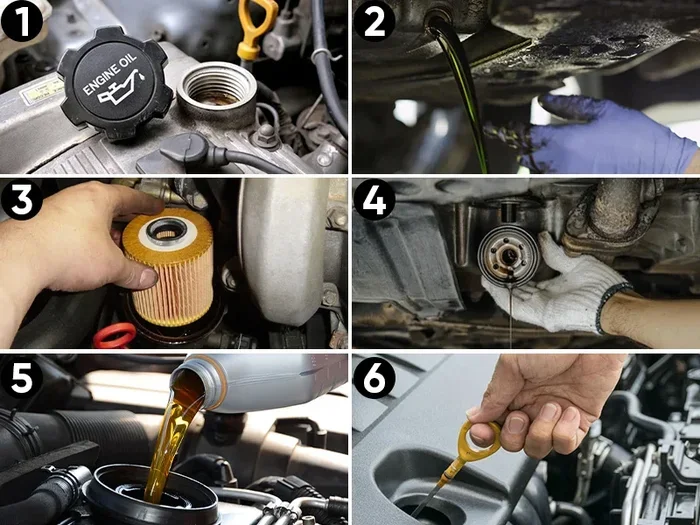
What You Need for a DIY Oil Change
- The correct oil type for car as listed in your owner’s manual.
- A quality oil filter that fits your vehicle.
- A jack and jack stands or a ramp.
- A socket wrench and the right size filter wrench.
- A drain pan to catch the old oil.
- Disposable gloves and rags.
Pros and Cons of DIY Oil Changes
Pros: You save on labor costs, you control the quality of every part, and you learn valuable skills about your car. Cons: It can be messy, it takes time, and you need to properly dispose of the old oil at a recycling center. Also, if something goes wrong, you do not have a service record to fall back on for warranty claims.
One important thing to keep in mind: if you are doing it yourself, make sure you reset your oil change reminder after each service. Also, some vehicles have oil life monitoring systems that track driving conditions. These systems can help you decide when your next oil change frequency should be, rather than relying on a fixed mileage interval.
How Often Should You Change Your Oil?
The old rule of thumb was every 3,000 miles or three months. But modern cars and modern oils have changed that picture significantly. Today, many vehicles can go 5,000 to 7,500 miles between oil changes, especially if you use synthetic oil.
Conventional vs. Synthetic Oil
Conventional oil is the standard option. It works well for most daily drivers and is more affordable upfront. Synthetic oil is engineered for better performance, longer life, and improved protection in extreme temperatures. You can absolutely put synthetic oil in your car even if the manual does not specifically require it. In fact, many mechanics recommend it for its superior protection.
If you choose synthetic oil, you may be able to go up to 7,000 miles between changes. But always check your owner’s manual and consider your driving conditions. If you drive in stop-and-go traffic, tow heavy loads, or face extreme heat or cold, you may need to change your oil more frequently.
Factors That Affect Oil Change Intervals
- Driving habits: Short trips and stop-and-go driving break down oil faster.
- Climate: Extreme heat or cold affects oil viscosity and lifespan.
- Vehicle age: Older engines may burn oil faster and need more frequent changes.
- Oil type: Synthetic oil lasts longer than conventional oil.
- Driving conditions: Towing, hauling, and racing are considered “severe” conditions.
Cost Comparison: Where Should You Get Your Oil Changed?
Cost is one of the biggest factors in deciding where to get your oil changed. Let us look at a general comparison to help you understand what to expect.
| Location | Average Cost | Time | Quality |
|---|---|---|---|
| Dealership | $60 – $120 | 30-60 min | High (OEM parts) |
| Independent Shop | $40 – $80 | 20-40 min | High (reputable shops) |
| Quick Lube | $25 – $50 | 10-20 min | Varies |
| DIY | $20 – $40 (materials only) | 30-60 min | Depends on your skills |
The dealership is the most expensive option, but it gives you the most peace of mind if your car is under warranty. Quick lubes are the cheapest and fastest, but quality can be inconsistent. Independent shops often hit the sweet spot between cost and quality, especially if you find a trusted local mechanic.
If you are trying to pay more on your car loan or save money in other areas, cutting maintenance costs at the oil change level can add up over time. Just make sure you are not sacrificing quality to save a few dollars.
Common Mistakes People Make With Oil Changes
Even the best car owners can make mistakes when it comes to oil changes. Here are some of the most common ones to avoid.
- Skipping oil changes: Going too long between changes can damage your engine. Set a reminder and stick to it.
- Using the wrong oil: Always match your oil to the viscosity and type recommended in your owner’s manual.
- Ignoring the oil filter: A clogged filter can restrict oil flow and cause engine problems. Always replace it with every oil change.
- Not checking for leaks: After an oil change, check under your car for any drips or puddles.
- Forgetting to reset the oil life system: This can lead to confusion about when your next change is due.
- Ignoring warning signs: If your check engine light comes on after an oil change, do not ignore it. It could indicate a problem with the service.
One thing many people overlook is keeping a personal record of every oil change. Write down the date, mileage, type of oil used, and where you had the service done. This log can be invaluable for warranty claims and when you decide to sell your car.
Expert Insights: What Mechanics Recommend
We spoke with several experienced mechanics about the best practices for oil change service. Here is what the experts had to say:
“I always tell my customers to follow the owner’s manual first. That is the best guide for your specific vehicle. Beyond that, adjust based on how and where you drive.”
— Certified ASE Master Technician
“If your car is under warranty, go to the dealership. Once the warranty expires, a trusted independent shop can save you hundreds of dollars over the life of the car.”
— Independent Shop Owner with 15 Years Experience
“Synthetic oil is worth the extra cost for most modern engines. It protects better and lasts longer, so you change it less often.”
— Certified Lexus and Toyota Specialist
The consensus among professionals is clear: regular oil changes are one of the most important things you can do for your engine. The location matters less than the consistency and quality of the service. Find a provider you trust and stick with them.
How to Choose the Right Oil Change Spot for You
Still not sure where to go? Here is a simple framework to help you decide.
If your car is under warranty: Go to the dealership or a location approved by your manufacturer. This protects your warranty and ensures the right parts are used.
If your car is older and out of warranty: An independent shop or a trusted quick lube can save you money without sacrificing quality. Look for shops with good reviews and ASE-certified technicians.
If you enjoy working on your car: A DIY oil change can be rewarding and cost-effective. Just make sure you have the right tools, the correct oil, and a safe way to dispose of the old oil.
If you drive a luxury or performance vehicle: Stick with a dealership or a specialist who knows your specific model. Using the right oil viscosity and OEM filters is especially important for high-performance engines.
Remember, you can always take your Toyota to any dealership for service even if you do not buy the car there. The same general principle applies to most brands. Your car does not have to be serviced at the original purchase location.
Conclusion
So, does it matter where you get your oil changed regularly? Yes, it does matter, but it does not have to be complicated. The most important thing is that you get your oil changed on time, with the right type of oil and a quality filter. Whether you choose a dealership, an independent shop, a quick lube, or a DIY approach, what matters most is consistency and quality.
Take the time to understand your vehicle’s needs, read your owner’s manual, and choose a service provider you trust. Your engine is the heart of your car, and proper oil changes are one of the simplest and most effective ways to keep it healthy for the long haul. A little effort now can save you thousands of dollars in engine repairs later.
Start by scheduling your next oil change with a provider that fits your budget and your car’s needs. Your future self, and your engine, will thank you.
Frequently Asked Questions
Can I Get My Lexus Oil Change at a Toyota Dealership?
Yes, in most cases you can. Lexus and Toyota share the same parent company and many service departments can handle both brands. However, it is always a good idea to confirm with your specific dealership before visiting. This ensures they have the right parts and expertise for your Lexus model.
What Happens If I Drive with Too Much Oil in My Car?
Overfilling your engine with oil can cause serious damage. Excess oil can create foam, which reduces lubrication and can lead to engine overheating. If you accidentally overfill, you should drain the excess oil as soon as possible. Driving with too much oil for an extended period can harm your engine’s internal components.
How Often Should I Change My Oil if I Use Synthetic Oil?
Synthetic oil generally lasts longer than conventional oil. Many vehicles can go between 5,000 and 7,000 miles on a full synthetic oil change. Some high-quality synthetic oils are rated for even longer intervals. Always check your owner’s manual and the oil manufacturer’s recommendations for the best guidance.
Does My Car’s Oil Change Warranty Require Me to Go to a Specific Location?
It depends on your warranty terms. Some manufacturers require dealership service to keep the warranty valid. Others allow any certified repair shop. Review your warranty documentation carefully or ask your dealer directly. Keeping detailed service records is essential regardless of where you go.
Can I Use 5W-20 Instead of 5W-30 in My Toyota?
You should always use the oil viscosity recommended in your owner’s manual. Using 5W-20 instead of 5W-30 (or vice versa) can affect engine performance and protection. While the difference may seem small, engines are designed for specific oil weights. Stick with what your manufacturer specifies for the best results.
Is It Worth Paying More for a Dealership Oil Change?
If your car is still under warranty, the extra cost is usually worth it for the peace of mind and warranty protection. Once your warranty expires, an independent shop can often provide the same quality service at a lower price. The key is finding a reputable shop with certified technicians and quality parts.