How Do You Check Transmission Fluid Without a Dipstick
Checking your transmission fluid without a dipstick is easier than most drivers think. Modern vehicles often skip the traditional dipstick, using fill tubes, electronic sensors, or diagnostic tools instead. How Do You Check Transmission Fluid Without a Dipstick? You can use the fill tube method, an OBD2 scanner, visual leak inspection, or a transmission pan check. This guide gives you clear, actionable steps for every method so you can keep your transmission healthy and avoid expensive repairs.
Your transmission is one of the most important parts of your vehicle. It shifts gears smoothly and makes sure your engine power reaches the wheels. But many drivers overlook one simple task: checking the transmission fluid. If you drive a newer car, you might not even have a dipstick to check it with. That can feel frustrating and confusing.
The good news is that how do you check transmission fluid without a dipstick is a question with several clear answers. Whether your car uses a fill tube, an electronic sensor, or a digital diagnostic tool, you have options. In this guide, we will walk you through each method step by step. You will learn what healthy fluid looks like, what warning signs to watch for, and when it is time to call a mechanic. By the end, you will feel confident handling this important transmission maintenance task on your own.
Keeping your transmission fluid level at the right amount is one of the simplest things you can do for your car. It prevents overheating, reduces wear on internal parts, and helps your vehicle shift gears without hesitation. Many transmission problems start small, with just a little low fluid. Catching it early can save you hundreds or even thousands of dollars in repairs. Let us dive into the methods you can use right now.
Key Takeaways
- No Dipstick? No Problem: Modern vehicles use fill tubes, sensors, or electronic diagnostics instead of traditional dipsticks for transmission fluid checks.
- Multiple Methods Exist: You can check fluid levels using the fill tube, an OBD2 scanner, visual inspection for leaks, or by checking through the transmission pan.
- Fluid Condition Tells a Story: Color, smell, and texture of your transmission fluid reveal a lot about the health of your transmission.
- Regular Checks Prevent Big Problems: Catching low fluid early saves you from costly transmission repairs that can exceed $3,000.
- Know When to Call a Pro: Some checks require professional tools, and that is perfectly okay and sometimes the safest choice.
- Maintenance Extends Transmission Life: Simple fluid checks and timely changes can add years of reliable service to your transmission.
📑 Table of Contents
Why Checking Transmission Fluid Without a Dipstick Matters
You might wonder why checking transmission fluid is so important in the first place. Think of it as the lifeblood of your automatic transmission. It lubricates all the moving parts inside, cools the system, and creates the hydraulic pressure needed to shift gears. Without enough fluid, your transmission starts to struggle.
Modern cars are built differently than older models. Many manufacturers have removed the traditional transmission dipstick to make vehicles more user-friendly and reduce the chance of drivers checking fluid incorrectly. But this change has left many car owners unsure of how to monitor their transmission health. The good news is that manufacturers still provide ways to check fluid levels, even if they are less obvious.
Ignoring your fluid can lead to serious problems. Low fluid causes increased friction, overheating, and eventually transmission failure. The cost of replacing a transmission can range from $1,800 to $3,500 or more. A simple fluid check takes only minutes and costs nothing. It is one of the best returns on investment you can get as a car owner.
Signs That Your Transmission Fluid Needs Attention
Before you learn the methods for checking fluid without a dipstick, it helps to know the warning signs. Your car will often tell you when something is wrong. Here are common symptoms of low or dirty fluid:
- Delayed shifting when you move from park to drive or reverse
- Slipping gears that feel like the car is struggling to stay in gear
- A burning smell coming from under the hood
- Unusual noises like whining or grinding during shifts
- Leaking fluid underneath your parked car
- Dashboard warning lights, especially the check engine light
If you notice any of these signs, do not ignore them. Addressing low fluid early can prevent the need for major transmission repair work later on. Many drivers are surprised at how much difference a simple fluid top-off makes.
How Do You Check Transmission Fluid Without a Dipstick
Now let us get to the heart of the matter. There are several reliable methods to check your transmission fluid when you do not have a traditional dipstick. Each method works for different vehicle types and situations. Let us walk through them one by one.
Method 1: Using the Fill Tube
Many modern vehicles use a fill tube instead of a dipstick. This is a small opening on top of the transmission where you pour fluid in. To check the level using this method, follow these steps:
- Park your car on a flat surface and let the engine run at operating temperature.
- Locate the fill tube on top of the transmission. It usually looks like a small pipe with a cap.
- Remove the cap and insert a clean funnel into the tube.
- Pour the recommended transmission fluid type in slowly.
- If the fluid starts to overflow or you feel resistance, the transmission is full.
- If it accepts fluid easily, you need to add more until it reaches the top.
This method works well for vehicles like many Honda, Toyota, and Ford models. The key is to make sure your car is at the right temperature. Most manufacturers recommend checking fluid when the engine is warm but not hot. This gives you the most accurate reading for your fluid check procedure.
Always use the correct type of transmission fluid for your vehicle. Using the wrong fluid can damage internal components. Check your owner’s manual for the exact specification. If you are unsure, a quick visit to your dealer or auto parts store can help you find the right fluid.
Method 2: Using an OBD2 Scan Tool
For vehicles with electronic transmission sensors, an OBD2 scan tool is your best friend. This small device plugs into your car’s diagnostic port and reads data from the transmission control module. Here is how to use it:
- Find your car’s OBD2 port. It is usually located under the dashboard on the driver’s side.
- Plug in the scan tool and turn the ignition to the “on” position.
- Follow the tool’s prompts to access transmission data.
- Look for the transmission fluid level or fill status reading.
- Some advanced tools will also show fluid temperature and condition.
OBD2 scan tools range from basic models under $30 to professional-grade tools costing several hundred dollars. For most home mechanics, a basic Bluetooth-enabled scanner paired with a smartphone app works perfectly. These tools give you real-time data and can help you catch transmission issues before they become serious problems.
If you are dealing with transmission concerns, checking whether you can still drive safely is important while you address the fluid issue. A bad transmission can be dangerous, and understanding the risks helps you make smart decisions about your vehicle.
Method 3: Checking for External Leaks and Fluid Residue
Sometimes you do not need special tools to know your transmission fluid is low. Visual inspection can tell you a lot. Start by looking underneath your car for any fresh fluid spots. Transmission fluid is usually red or pink and has a slippery feel.
Next, check around the transmission seals and gaskets. Look for any wet spots, drips, or staining. Common leak points include:
- The input shaft seal where the transmission connects to the engine
- The output shaft seal at the front or rear of the transmission
- The transmission pan gasket
- The speed sensor O-ring
- Drain plug or fill plug areas
Even a small leak can cause your fluid level to drop over time. Catching a leak early means you can fix it before the transmission runs dry and sustains serious damage. If you spot a leak, it is wise to address it promptly rather than just topping off the fluid repeatedly.
Keep in mind that some seepage around older seals is not uncommon. However, any visible drip or puddle under your car deserves attention. A quick car maintenance tip is to place a piece of cardboard under your car overnight. In the morning, check for any fresh spots or drips. This simple trick helps you catch leaks early.
Method 4: Checking Through the Transmission Pan
Some vehicles allow you to check fluid level through the transmission pan or a viewing window. This method is less common but still used on certain models. Here is what to look for:
- A small viewing window on the side of the transmission housing
- A bolt or plug on the transmission pan that indicates fill level
- A marked fill line on the pan itself
This method is straightforward but requires you to safely lift and support your vehicle. Always use jack stands or a lift when working underneath a car. Never rely on a jack alone for support. If you are not comfortable working underneath your vehicle, this is a great time to visit a trusted mechanic.
What Your Transmission Fluid Should Look Like
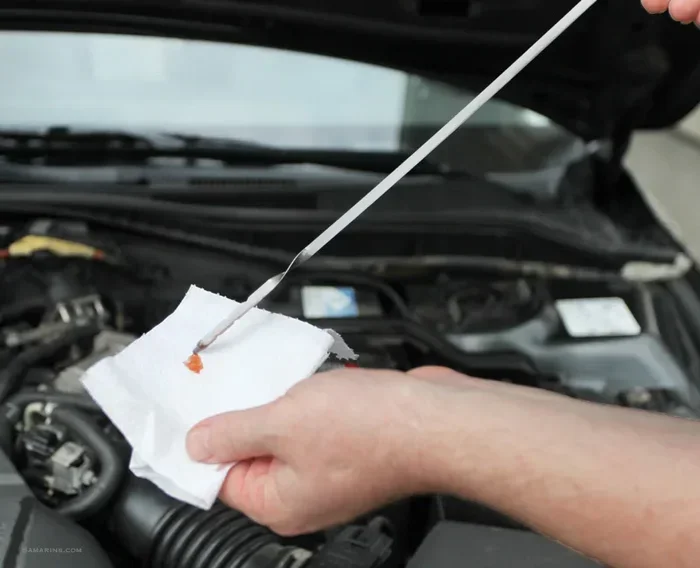
Understanding what healthy transmission fluid looks like helps you know when something is wrong. Fresh fluid is typically translucent and reddish in color. It should feel smooth and slippery between your fingers. If your fluid looks or smells different, it is telling you something important about the health of your transmission.
Color Guide for Transmission Fluid
The color of your transmission fluid changes as it ages and degrades. Here is a simple guide to help you interpret what you see:
- Bright Red or Pink: Fresh and healthy fluid. This is what you want to see during a routine check.
- Light Brown: Fluid is aging but still in acceptable condition. Plan a fluid change soon.
- Dark Brown or Black: Fluid is old and degraded. It needs to be changed as soon as possible.
- Milky or Foamy: Water or coolant has contaminated the fluid. This is serious and needs immediate attention.
- Burnt Smell with Dark Color: The transmission is overheating. Fluid changes are urgently needed.
If your fluid looks dark or smells burnt, it is time for a transmission fluid change. Over time, transmission fluid breaks down and loses its lubricating properties. Dirty fluid causes more friction and heat inside the transmission, which accelerates wear on clutch packs and other internal components. Regular fluid changes are one of the best car maintenance tips you can follow.
Transmission Fluid Types and When to Use Them
Not all transmission fluid is the same. Using the wrong type can cause shifting problems and internal damage. Here are the main types you might encounter:
- Dexron VI: The most common automatic transmission fluid used in GM vehicles and many other brands.
- Mercon LV: Used primarily in Ford vehicles.
- ATF WS: Toyota and Lexus synthetic automatic transmission fluid.
- HFM Fluid: Used in Honda and Acura vehicles.
- CVT Fluid: Specifically formulated for continuously variable transmissions found in many modern cars.
Always check your owner’s manual for the correct fluid specification. Using the wrong fluid can void your warranty and cause premature transmission failure. When in doubt, consult with a professional or your dealership. They can confirm the right transmission fluid type for your specific vehicle.
Common Signs Of Low Transmission Fluid
Low transmission fluid does not just affect your shifting. It can cause a range of problems that affect your entire driving experience. Recognizing these signs early is crucial for preventing major damage and keeping your car safe on the road.
One of the first things you might notice is a change in how your car shifts. The transitions between gears might feel rough, jerky, or delayed. Some drivers describe it as a brief hesitation before the car engages. This is especially noticeable when accelerating from a stop or when shifting into reverse. These transmission warning signs should never be ignored.
Another common sign is unusual noises. A healthy transmission should operate quietly. If you hear whining, buzzing, or clunking sounds, especially during gear changes, your fluid level may be low. The fluid provides hydraulic pressure and lubrication. Without enough of it, metal parts grind against each other, causing damage that accumulates over time.
Overheating is another serious concern. Transmission fluid helps cool the system as it circulates. When fluid levels drop, the transmission cannot dissipate heat effectively. This can lead to even more fluid breakdown, creating a vicious cycle of overheating and degradation. In severe cases, the transmission can fail completely, requiring a full replacement.
If you are concerned about whether you can safely continue driving, it is important to understand the risks. While you might be able to drive a short distance with low fluid, continuing to do so can cause irreversible damage. If you suspect your fluid is very low, have your vehicle towed to a shop rather than driving it yourself.
When To Seek Professional Help
While checking and topping off transmission fluid is a task many car owners can handle themselves, some situations call for professional expertise. Knowing when to seek help saves you time, money, and prevents costly mistakes that could leave you stranded.
You should consider calling a professional if you notice any of the following:
- Your transmission fluid is leaking rapidly or you cannot find the source of the leak
- Your transmission slips in and out of gears while driving
- You hear grinding or loud clunking noises during shifts
- The check engine light is illuminated along with transmission warning indicators
- Your vehicle will not shift into gear at all
- You have checked the fluid and it looks contaminated or has a burnt smell
These symptoms often indicate deeper transmission problems that go beyond just low fluid. Internal components like clutch packs, solenoids, or the torque converter may be damaged. A professional mechanic can properly diagnose these issues using specialized equipment and years of experience.
If you have been putting off regular maintenance, a transmission fluid change might be overdue. Regular fluid changes, typically every 30,000 to 60,000 miles, keep your transmission running smoothly for years. Many drivers are surprised to learn that routine maintenance tasks are often simpler than they think, and the same mindset applies to transmission care.
Tips For Maintaining Healthy Transmission Fluid
Prevention is always better than repair when it comes to your transmission. A few simple habits can keep your transmission fluid in great condition and extend the life of your transmission significantly. Think of these as easy car maintenance tips that pay off big over time.
Check Your Fluid Regularly
Make transmission fluid checks part of your regular maintenance routine. Just like you check your oil, you should check your transmission fluid at least once a month. Set a reminder on your phone or add it to your car maintenance calendar. Regular checks help you catch small problems before they become big ones.
Warm Up Your Engine Before Checking
Always check your transmission fluid when the engine is warm and running. Cold fluid does not flow properly and gives an inaccurate level reading. Drive your car for a few minutes, then park it on a level surface and check the fluid level. This ensures you get the most accurate transmission fluid level reading possible.
Use the Right Fluid
As mentioned earlier, using the correct transmission fluid is critical. Never mix different types of fluid, and always use the specification listed in your owner’s manual. If you are unsure, take your car to a dealer or trusted mechanic for guidance. The right fluid keeps your transmission shifting smoothly and protects internal components from wear.
Address Leaks Immediately
If you notice any fluid leaks under your car, do not wait to address them. Even small leaks can drain your transmission fluid over time. A quick seal or gasket replacement costs far less than a full transmission rebuild. Stay proactive and your transmission will thank you.
Do Not Overfill
While low fluid is a problem, overfilling can also cause issues. Excess fluid can foam, leading to poor lubrication and potential seal damage. Always add fluid gradually and check the level frequently during the process. A little at a time is the best approach.
Conclusion
Knowing how do you check transmission fluid without a dipstick is an essential skill for any car owner. Whether you use the fill tube method, an OBD2 scanner, visual inspection for leaks, or a transmission pan check, staying on top of your transmission fluid keeps your vehicle running smoothly and safely. Regular checks take only minutes but can save you from expensive repairs down the road.
Remember to watch for warning signs like rough shifting, unusual noises, and burning smells. Address low fluid promptly and always use the correct fluid type for your vehicle. If you ever feel unsure or notice serious symptoms, do not hesitate to consult a professional mechanic. Your transmission is a complex and expensive component, and taking care of it with simple fluid checks is one of the best investments you can make in your vehicle’s longevity.
Start making transmission fluid checks a regular part of your car maintenance routine today. Your future self, and your wallet, will thank you for the peace of mind that comes with a well-maintained transmission.
Frequently Asked Questions
Can You Check Transmission Fluid With The Engine Off?
Most manufacturers recommend checking transmission fluid with the engine running and warm. Cold fluid does not flow properly and gives an inaccurate level reading. However, a few vehicles require the engine to be off. Always check your owner’s manual for the specific procedure recommended for your car.
How Often Should You Change Transmission Fluid?
The interval varies by vehicle and fluid type. Many manufacturers recommend changing automatic transmission fluid every 30,000 to 60,000 miles. Some newer vehicles claim to have “lifetime” fluid, but most experts still recommend changing it around 60,000 to 100,000 miles for optimal performance. Check your owner’s manual for the specific recommendation.
What Happens If You Drive With Low Transmission Fluid?
Driving with low transmission fluid can cause overheating, increased wear on internal components, and eventually complete transmission failure. The fluid provides both lubrication and hydraulic pressure. Without enough of it, gears slip, shift poorly, and can grind against each other. If you suspect low fluid, top it off immediately and avoid hard driving until the issue is resolved.
Can You Use Any Transmission Fluid In Any Car?
No, you cannot. Different transmissions require different fluid specifications. Using the wrong fluid can cause poor shifting, internal damage, and void your warranty. Always use the fluid type specified in your owner’s manual. When in doubt, ask a dealer or qualified mechanic for the correct fluid for your vehicle.
Is It Normal For Transmission Fluid To Get Low Over Time?
Transmission fluid should not get low over normal use. Your transmission is a sealed system, so fluid loss usually indicates a leak. If you notice your fluid level dropping, inspect your vehicle for leaks right away. Small seepage is sometimes normal on older vehicles, but any noticeable drop should be investigated promptly.
How Much Does It Cost To Change Transmission Fluid?
A transmission fluid change typically costs between $80 and $250 at a shop, depending on your vehicle and location. Doing it yourself is much cheaper, as you only need to pay for the fluid, which usually costs $20 to $60. Regular fluid changes are a small price to pay compared to the cost of a full transmission replacement.