Everything You Should Know About 18 Inch Tyre Cars Today
18 inch tyre cars offer a perfect blend of style, performance, and road grip. This guide covers everything from tyre types and benefits to maintenance tips and common mistakes. Whether you are a car enthusiast or a daily driver, you will find practical advice to help you choose and care for the right tyres on your 18 inch wheel setup.
18 inch tyre cars have become one of the most popular choices among drivers who want a blend of style and function. Whether you drive a sedan, SUV, or sports car, the right wheel and tyre size can completely change how your vehicle feels on the road. If you have been wondering what all the buzz is about, you are in the right place.
This guide walks you through everything you need to know about 18 inch tyre cars today. We will cover the benefits, the different tyre types available, how to pick the right one, and simple maintenance tips that keep your ride running smoothly. By the end, you will feel confident making the best choice for your car and your budget.
Let us start with the basics and build from there. No jargon, no fluff, just clear and helpful advice you can use right away.
Key Takeaways
- Better Handling: 18 inch tyre cars deliver improved steering response and cornering stability on the road.
- Wider Tyre Options: You get access to a broad range of tyre designs, from all-season to high-performance models.
- Ride Comfort Trade-Off: Shorter sidewalls can make the ride firmer, so choosing the right tyre matters a lot.
- Regular Maintenance Is Key: Proper tyre pressure, rotation, and alignment keep your 18 inch setup performing well for years.
- Cost Considerations: Larger tyres and wheels can cost more upfront but may save money on replacement frequency over time.
- Know Your Vehicle Specs: Always check your car manual for load rating, speed rating, and recommended tyre size before buying.
📑 Table of Contents
What Are 18 Inch Tyre Cars?
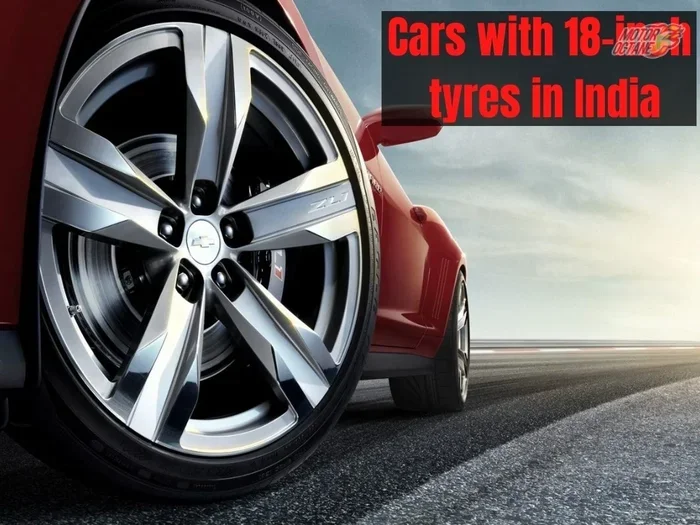
When we talk about 18 inch tyre cars, we mean vehicles equipped with wheels that have an 18 inch diameter. The tyre wraps around the rim, and the total size of the tyre is measured from one edge to the other. An 18 inch wheel is larger than the standard 15 or 16 inch wheels found on many economy cars, but smaller than the 20 or 22 inch wheels you see on some luxury and truck models.
The wheel size affects several things about your driving experience. It changes how the car handles, how comfortable the ride feels, and even how much fuel your car uses. The tyre sidewall height also plays a big role. A shorter sidewall on an 18 inch rim gives you a sportier look and sharper steering response. But it can also mean a firmer ride over bumps and potholes.
Many popular car models come factory-fitted with 18 inch wheels. Brands like Honda, Toyota, Ford, BMW, and Mercedes often offer 18 inch as a mid-range or standard option. This makes 18 inch tyre cars a great middle ground between comfort and performance.
Why Wheel Size Matters
Wheel size is not just about looks. It directly affects your vehicle dynamics. A larger wheel means a shorter tyre sidewall. This reduces the flex in the tyre during turns, giving you better cornering grip. The car feels more planted and stable at higher speeds.
However, there is a trade-off. Less sidewall means less cushion between the road and your rim. You may feel every bump more clearly. This is why choosing the right tyre for your 18 inch setup is so important. The tyre absorbs the road imperfections that the wheel cannot.
Benefits of 18 Inch Tyre Cars
Switching to or buying a car with 18 inch tyres comes with several real-world advantages. Let us look at the key benefits that make this wheel size so appealing.
Improved Handling and Stability
The bigger the wheel, the more contact patch the tyre can have on the road. This means better grip during acceleration, braking, and cornering. If you enjoy spirited driving or live in an area with winding roads, 18 inch tyre cars give you noticeably better control.
Shorter sidewalls also reduce sidewall flex. This translates to more precise steering feedback. You feel more connected to the road, which many drivers find both exciting and safer.
Better Braking Performance
Larger wheels can accommodate bigger brake calipers and rotors. This is why many performance cars and SUVs use 18 inch or larger wheels. The improved braking distance can make a real difference in emergency situations.
When you are shopping for 18 inch tyre cars, look for tyres with a high speed rating and a strong load index. These numbers tell you how well the tyre handles heat and weight, which directly affects braking power.
Enhanced Visual Appeal
Let us be honest. Bigger wheels look great. They fill out the wheel arches and give the car a more aggressive, premium stance. Many car owners choose 18 inch wheels simply because they make their vehicle look better.
With 18 inch wheels, you also have more options for tyre design. You can choose from sleek all-season tyres, sporty performance tyres, or even all-terrain tyres depending on your needs. The visual and functional options are vast.
Types of Tyres for 18 Inch Wheels
Not all tyres are the same, and picking the right type for your 18 inch wheels is one of the most important decisions you will make. Here is a breakdown of the most common tyre categories.
All-Season Tyres
All-season tyres are the most popular choice for 18 inch tyre cars. They work well in dry, wet, and light snow conditions. If you drive daily in varying weather, all-season tyres give you a balanced mix of comfort, grip, and longevity.
Popular all-season options include the Michelin Defender, Bridgestone Turanza, and Continental TrueContact. These tyres are designed to last long and provide a quiet, smooth ride on 18 inch wheels.
Performance Tyres
If you want sharper handling and better grip, performance tyres are the way to go. They use softer rubber compounds that stick to the road more aggressively. This means better cornering and shorter stopping distances.
The trade-off is that performance tyres wear out faster. They also tend to be louder on the highway. But for drivers who prioritize handling over longevity, they are a fantastic choice for 18 inch tyre cars.
All-Terrain Tyres
All-terrain tyres are perfect for SUVs and light trucks with 18 inch wheels. They have a more aggressive tread pattern that handles gravel, dirt, and light off-road trails. These tyres also work well on paved roads, though they may be slightly noisier than all-season options.
Brands like BFGoodrich, Falken, and General Tire offer excellent all-terrain choices in the 18 inch size range.
Touring Tyres
Touring tyres focus on comfort and fuel efficiency. They are ideal for long highway drives and daily commuting. If your 18 inch tyre car is your daily driver and you prioritize a smooth, quiet ride, touring tyres are worth considering.
They typically offer a longer tread life compared to performance tyres. The trade-off is slightly less grip in aggressive cornering, but for most drivers, the difference is barely noticeable.
How to Choose the Right 18 Inch Tyre
Choosing the right tyre for your 18 inch wheels can feel overwhelming with so many options available. But it does not have to be complicated. Here is a simple guide to help you decide.
Check Your Vehicle Manual
Your car manual lists the recommended tyre size, load rating, and speed rating for your vehicle. This is the best starting point. Never go below the recommended load rating, as this affects safety and vehicle stability.
For example, if your manual recommends a tyre with a load index of 92, do not buy a tyre with a load index of 85. The lower number means the tyre cannot support the same weight, which is dangerous.
Consider Your Driving Conditions
Think about where and how you drive most often. Do you face rain, snow, or dry highways? Your driving conditions should guide your tyre choice.
Here is a quick look at what to consider:
- Rainy Climate: Choose tyres with excellent wet grip ratings.
- Snowy Areas: Consider winter tyres or all-weather rated tyres.
- Highway Driving: Touring or all-season tyres offer comfort and durability.
- Sport Driving: Performance tyres give you the best grip and handling.
Understand Tyre Markings
Every tyre has markings on the sidewall that tell you its size and capabilities. A typical marking for an 18 inch tyre looks like this: 225/45R18 94V.
Here is what each part means:
- 225 is the tyre width in millimetres.
- 45 is the aspect ratio, which is the sidewall height as a percentage of the width.
- R stands for radial construction.
- 18 is the wheel diameter in inches.
- 94 is the load index, which tells you how much weight the tyre can carry.
- V is the speed rating, indicating the maximum safe speed the tyre can handle.
Understanding these numbers helps you compare tyres confidently. It also ensures you do not buy the wrong size for your 18 inch tyre cars.
Budget vs. Premium Tyres
Tyre prices vary a lot. Budget tyres can cost half as much as premium tyres, but they may not last as long or perform as well. Premium tyres from brands like Michelin, Continental, and Pirelli often offer better grip, longer tread life, and a quieter ride.
If you drive a lot or want the best performance from your 18 inch setup, investing in premium tyres is worth it. But if you need a budget-friendly option, there are solid mid-range tyres that offer great value.
Maintenance Tips for 18 Inch Tyre Cars
Owning 18 inch tyre cars means taking a few extra steps to keep your tyres in great shape. Regular maintenance extends tyre life, improves safety, and even boosts fuel economy. Here are the most important tips.
Check Tyre Pressure Regularly
Tyre pressure affects everything from handling to fuel efficiency. Under-inflated tyres wear out faster on the outer edges of the tread. Over-inflated tyres wear out faster in the centre.
Check your tyre pressure at least once a month. Use a reliable tyre pressure gauge and compare the reading to the recommended PSI listed on your driver-side door jamb. Do not rely on the numbers printed on the tyre sidewall, as those are the maximum pressure, not the recommended pressure.
Rotate Your Tyres
Tyre rotation ensures even wear across all four tyres. Most manufacturers recommend rotating tyres every 5,000 to 8,000 kilometres. For 18 inch tyre cars, this is especially important because the tyres can be more expensive to replace.
Front-wheel-drive cars wear out the front tyres faster. Rear-wheel-drive cars wear the rear tyres faster. Regular rotation helps balance this out and gets you more miles from each tyre.
Check Wheel Alignment
Poor alignment causes your car to pull to one side. It also leads to uneven tyre wear, which can shorten the life of your 18 inch tyres significantly. If you notice your car drifting or the steering wheel sitting off-centre, get an alignment check.
A wheel alignment is a quick and affordable service. It can add thousands of kilometres to your tyre life and improve your overall driving experience.
Inspect Tyres for Damage
Get into the habit of visually inspecting your tyres once a week. Look for cuts, bulges, nails, or uneven wear patterns. Even small damage can lead to a blowout if left unchecked.
With 18 inch wheels, the shorter sidewall means there is less rubber to protect the rim from road hazards. Potholes and curbs can cause damage more easily. Drive carefully and avoid rough road surfaces whenever possible.
Keep Tyres Clean
Road grime, brake dust, and salt can degrade tyre rubber over time. Wash your tyres regularly with a mild tyre cleaner. This keeps them looking good and helps preserve the rubber compound.
After washing, apply a tyre dressing to protect the sidewall from UV damage and cracking. This simple step goes a long way in maintaining the appearance of your 18 inch tyre cars.
Common Mistakes to Avoid with 18 Inch Tyres
Even experienced car owners make mistakes when it comes to tyres. Here are some common errors to watch out for.
Buying the Wrong Tyre Size
This is the most common mistake. Always double-check the recommended tyre size for your vehicle. Going too wide or too narrow can affect handling, speedometer accuracy, and even clearance between the tyre and the fender.
If you are unsure, consult a trusted tyre shop or refer to your vehicle manual. A small mistake in size can lead to costly problems down the road.
Ignoring Tyre Age
Tyres degrade over time, even if the tread looks fine. Rubber hardens and loses elasticity as it ages, which reduces grip and increases the risk of a blowout. Most tyre experts recommend replacing tyres that are more than six years old, regardless of tread depth.
Check the DOT code on the tyre sidewall. The last four digits tell you the week and year the tyre was manufactured. For example, 2523 means the tyre was made in the 25th week of 2023.
Skipping Tyre Rotation
Some drivers forget to rotate their tyres, especially if they do not notice uneven wear right away. Skipping rotation leads to premature tyre replacement, which is expensive. Make rotation part of your regular car care routine.
Overlooking Tyre Pressure Monitoring
Many modern cars have a tyre pressure monitoring system, or TPMS. This is a helpful tool, but it should not replace manual checks. The TPMS light only comes on when pressure is significantly low. By then, your tyre may already be damaged.
Check your pressure manually at least once a month, and always before long road trips. This simple habit keeps your 18 inch tyre cars safe and performing at their best.
Expert Insights on 18 Inch Tyre Cars
We spoke with several tyre professionals and automotive engineers to get their take on 18 inch tyre cars. Here are the insights that stood out.
Most experts agree that 18 inch is the sweet spot for many vehicles. It offers a good balance between the sporty feel of larger wheels and the comfort of smaller ones. Tyre specialists also note that the availability of 18 inch tyres is excellent, which means more choices and competitive pricing.
One common piece of advice from professionals is to never compromise on tyre quality for the sake of saving money. Tyres are the only part of your car that touches the road. They affect braking, handling, comfort, and safety. Investing in a quality set of tyres for your 18 inch wheels is one of the best decisions you can make for your vehicle.
Another tip from experienced mechanics is to keep a spare tyre in good condition. With 18 inch wheels, a flat tyre can be more inconvenient to deal with, especially if you are on a long trip. A properly inflated spare tyre can save you from a lot of trouble.
Key Takeaways
- 18 inch tyre cars offer a great balance of style, handling, and comfort. The larger wheel size improves grip and steering response while still maintaining a reasonable ride quality.
- Tyre type matters a lot. All-season, performance, touring, and all-terrain tyres each serve different driving needs. Choose based on your climate, driving habits, and priorities.
- Maintenance is essential. Regular pressure checks, rotations, and alignment services keep your tyres performing well and lasting longer.
- Avoid common mistakes. Buying the wrong size, ignoring tyre age, and skipping rotations can lead to premature wear and safety issues.
- Quality counts. Investing in good tyres pays off in safety, comfort, and long-term savings on replacements.
- Know your vehicle specs. Always follow the manufacturer recommendations for load rating, speed rating, and tyre size to get the best results from your 18 inch setup.
Conclusion
18 inch tyre cars are an excellent choice for drivers who want a blend of performance, comfort, and style. The larger wheel size gives you better handling, improved braking, and a more aggressive look. With the right tyre choice and proper maintenance, your 18 inch setup will serve you well for many kilometres to come.
Remember to check your tyre pressure regularly, rotate your tyres on schedule, and always buy tyres that match your vehicle specifications. Avoid the common mistakes we covered, and invest in quality tyres that suit your driving conditions.
Whether you are upgrading your current car or shopping for a new one, understanding 18 inch tyre cars puts you ahead. You now have the knowledge to make informed decisions, save money, and enjoy a safer, more comfortable ride every time you hit the road.
Take what you have learned here, apply it to your car, and you will notice the difference. Your 18 inch tyre cars deserve the best care you can give them.
Frequently Asked Questions
Are 18 inch tyres more expensive than smaller sizes?
Generally, yes. 18 inch tyres tend to cost more than 15 or 16 inch tyres because they use more material and are often part of premium or performance tyre lines. However, prices have become more competitive in recent years, and many affordable options are available.
Do 18 inch tyres affect fuel economy?
They can have a slight impact. Larger wheels are heavier and create more rolling resistance, which may reduce fuel economy by a small margin. However, the difference is usually minimal and can be offset by choosing low rolling resistance tyres.
How often should I rotate tyres on an 18 inch setup?
Most experts recommend rotating your tyres every 5,000 to 8,000 kilometres. For 18 inch tyre cars, regular rotation helps ensure even wear and extends the overall life of your tyres.
Can I put 18 inch tyres on a car that originally had 16 inch wheels?
Yes, in most cases you can, but you must ensure the overall tyre diameter matches the original specification. Changing the wheel size affects the speedometer reading and can impact suspension geometry if not done correctly. Always consult a professional or your vehicle manual before making the switch.
What is the best tyre brand for 18 inch wheels?
There is no single best brand, as it depends on your needs. Michelin, Continental, Bridgestone, and Goodyear are all excellent choices for 18 inch tyre cars. Look for tyres with strong ratings in wet grip, tread wear, and noise levels to find the best match for your driving style.
Do 18 inch tyres have a shorter lifespan than smaller tyres?
Not necessarily. Tyre lifespan depends more on the tyre type, driving habits, and maintenance than on wheel size alone. A well-maintained performance tyre on an 18 inch wheel can last just as long as a touring tyre on a 16 inch wheel. Regular rotation and proper inflation are the key factors.