Should I Drive With Traction Control On Or Off Today
Driving with traction control on is the safest default choice for most road conditions. Traction control on or off depends on your terrain, weather, and driving style. This guide explains exactly when each setting works best so you can make smarter decisions behind the wheel.
Every time you turn the key and start your car, a dozen systems wake up and get to work. Some of them you never think about. Traction control is one of those hidden helpers that can save your life or make your drive way more frustrating, depending on the situation.
So here is the big question: should you drive with traction control on or off? The short answer is almost always on. But the long answer is more interesting, and it could genuinely change how you drive. Let us break it all down.
Whether you are commuting through rain, heading up a snowy mountain road, or heading off-road with friends, knowing when to use your traction control makes a huge difference. This guide covers everything you need to know. We will look at what the system does, when to keep it on, when to turn it off, and the mistakes many drivers make without even realizing it.
Key Takeaways
- Keep traction control on for normal driving: It prevents wheel spin and helps you stay stable on wet or icy roads.
- Turn it off in deep snow or mud: Disabling traction control lets your wheels spin, which can help you gain momentum in soft terrain.
- Traction control works with ABS: Both systems share sensors and work together to keep your vehicle under control.
- Turning it off does not disable stability control: Many cars separate these two systems, so check your owner manual.
- Off-road adventures often require it off: Rock crawling, sand driving, and steep inclines benefit from wheel spin.
- Watch for the traction control warning light: If it stays on, your system may have a fault that needs attention.
- Practice in safe conditions first: Before turning traction control off, try it in a empty parking lot to understand how your car reacts.
📑 Table of Contents
What Does Traction Control Actually Do?
Before you can decide whether to keep traction control on or off, you need to understand what it does. The system uses sensors on each wheel to monitor how fast they are spinning. When one wheel starts spinning faster than the others, the system kicks in.
It does this by reducing engine power or applying the brakes to that specific wheel. The goal is simple: stop the wheel from losing grip. This helps you maintain vehicle stability and keep moving in the direction you are steering.
How It Works With Your Brakes
Traction control works hand in hand with your anti-lock braking system, or ABS. Both systems share the same wheel speed sensors. When traction control detects slippage, it can pulse the brakes on the spinning wheel. This is very similar to how ABS prevents your wheels from locking up during hard stops.
The system also talks to your engine control unit. It can reduce fuel injection or delay ignition timing. This lowers the power going to the wheels. The whole process happens in milliseconds. You barely notice it, but your car stays on track.
Why It Matters for Everyday Driving
For most people, most of the time, traction control is a life saver. Think about those rainy mornings when the road is slick. Or the patch of black ice you did not see coming. Without traction control, your wheels can spin uncontrollably. With it on, the system keeps things smooth and predictable.
Driving safety improves dramatically when you have this system working for you. It does not replace good tires or careful driving. But it adds a strong layer of protection that works automatically in the background.
When to Keep Traction Control On
There are many situations where leaving traction control on is the smart move. Here are the most common ones.
Wet and Rainy Roads
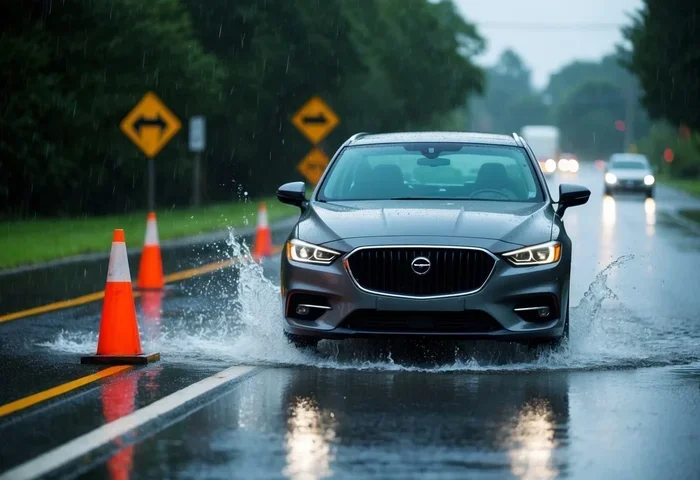
Rain creates a thin layer of water on the road. Your tires can lose contact with the surface for a split second. This is called hydroplaning. When hydroplaning happens, traction control helps by slowing the spinning wheel and trying to reconnect you with the road surface.
Even on light rain, road surfaces can become slippery. Oil and dust mix with water to create a surprisingly slick film. Keeping traction control on gives you an extra margin of safety during these conditions.
Snow and Ice
Snow driving is where traction control really shines. On icy roads, any extra wheel spin can send you sliding sideways. The system prevents this by limiting power to the wheels. It keeps your car moving straight and stable.
However, there is a catch. If you are stuck in deep snow and need to rock the car back and forth to gain momentum, traction control can fight you. We will cover that exception below.
Normal Dry Roads
Even on a perfectly dry road, traction control does not hurt. It simply monitors your wheels and stays ready. If you hit a patch of gravel or a sudden change in surface, the system activates instantly. There is no reason to turn it off on a clear day.
Many drivers wonder if keeping it on wastes fuel. It does not. The system only activates when it detects wheel spin. On a normal dry road, you will barely notice it is there.
When to Turn Traction Control Off
There are real, practical reasons to turn traction control off. It is not just a button to mess with. Knowing when to use it makes you a smarter driver.
Deep Snow and Mud
When your car is stuck in snow or mud, you need the wheels to spin. Spinning wheels dig into the soft surface and help you find traction. Traction control prevents this by cutting power the moment a wheel starts to slip.
In these situations, turning traction control off lets you rock the vehicle gently. You can spin the wheels just enough to clear snow or mud away from the tires. This helps you find solid ground underneath.
Off-Road Driving
If you enjoy off-road driving, you will want to disable traction control often. On dirt trails, gravel roads, or rocky terrain, wheel spin is normal and sometimes helpful. The system may interfere with your ability to climb hills or navigate obstacles.
Rock crawling is a great example. You need precise control over how much power reaches each wheel. Traction control can step in and make decisions you would rather make yourself. Turning it off gives you full control.
Burnt Rubber and Performance Driving
At a track day or when you are launching your car from a stop, traction control can limit your acceleration. It cuts engine power to prevent wheel spin. If you are trying to get the fastest launch possible, this is the opposite of what you want.
Some drivers also turn it off for controlled burns or spirited driving on open roads. But remember, this should only happen in safe, legal environments. Never do this on public streets with other cars around.
Stuck in Sand or Loose Gravel
Sand and loose gravel are tricky surfaces. Your tires need to spin to dig in and push forward. Traction control will fight this by braking the spinning wheels. The result is that you stay stuck.
Turning the system off lets your wheels spin freely. This can help you build momentum and get through sandy patches or loose gravel sections on a trail.
Traction Control On vs Off: A Quick Comparison
Here is a simple comparison to help you decide quickly.
- Traction control on: Best for rain, ice, normal roads, and highway driving. Keeps your car stable and predictable.
- Traction control off: Best for deep snow, mud, sand, off-road trails, and performance driving. Gives you full wheel control.
The general rule is simple. Keep it on for street driving. Turn it off for off-road or recovery situations. When in doubt, leave it on.
Does Turning It Off Affect Other Systems?
Many drivers worry that turning off traction control also disables their stability control. In most modern cars, these are separate systems. Stability control is broader and works on the whole vehicle. Traction control focuses on individual wheels.
Check your owner manual to be sure. Some cars let you turn off traction control independently. Others link the two together. Knowing your specific vehicle helps you make better decisions on the road.
Common Mistakes Drivers Make With Traction Control
Even experienced drivers make mistakes with their traction control system. Here are the most common ones.
Ignoring the Warning Light
If your traction control light stays on after startup, do not ignore it. This usually means the system has detected a fault. It could be a bad wheel speed sensor or a problem with the control module.
Driving with the light on means your traction control is not working. You lose that safety layer. Get it checked as soon as possible.
Assuming It Replaces Good Tires
Traction control helps, but it cannot create grip from nothing. If your tires are worn out, the system will struggle. Bald tires on ice are still dangerous, even with the best traction control.
Invest in quality tires. In winter, consider snow tires or all-season tires rated for cold weather. These work together with your traction control to keep you safe.
Turning It Off and Forgetting to Turn It Back On
This happens more often than you think. You turn it off for off-road fun and then drive home on the highway with it still disabled. That is a risky habit.
Make it a routine to check your settings after any off-road trip. A quick glance at the dashboard can save you from a dangerous situation on wet pavement.
Relying on It Too Much
Traction control is a safety net, not a replacement for good driving habits. Some drivers speed through corners or accelerate too hard because they trust the system. That is a mistake.
Use traction control as a backup, not a crutch. Slow down in bad weather. Leave extra following distance. Drive according to the road conditions.
Expert Tips for Using Traction Control
Here are some practical tips from experienced driving instructors and automotive experts.
Practice in a Safe Space
If you are new to your car or unsure how traction control affects it, practice in an empty parking lot. Try driving on a wet surface with it on and off. Feel the difference in how the car responds.
This hands-on experience builds confidence. You will know exactly what to expect when you need the system most.
Read Your Owner Manual
Every car is different. Your owner manual explains exactly how your traction control system works. It also tells you where the button is and what each warning light means.
Spend 15 minutes reading the relevant section. It is time well spent and could make a real difference in an emergency.
Keep Your Sensors Clean
Wheel speed sensors can get dirty, especially after off-road trips. Mud and grime can cover the sensors and cause false readings. This may trigger the traction control light even when the system is working fine.
Give your wheels a quick rinse after driving through mud or snow. It is a small habit that keeps your systems running properly.
Use It With Winter Driving Techniques
Traction control works best when combined with smart winter driving habits. Accelerate gently. Brake early. Steer smoothly. These techniques reduce wheel spin and help the system do its job more effectively.
Think of traction control as a teammate. It works best when you work with it, not against it.
The Bottom Line on Traction Control On or Off
So what is the final verdict on traction control on or off? For the vast majority of drivers, in the vast majority of situations, the answer is clear. Keep it on. It makes your daily driving safer, smoother, and more predictable.
There are specific situations where turning it off makes sense. Deep snow, mud, sand, off-road trails, and performance driving are all valid reasons. But these are the exceptions, not the rule.
The key is knowing your vehicle and understanding the road conditions. When you are unsure, turn it on. When you are confident and the situation calls for it, turn it off. Either way, stay alert and drive safely.
Traction control is one of the most important safety features in modern cars. Respect it, use it wisely, and it will look out for you when you need it most.
Frequently Asked Questions
Can I drive with traction control off all the time?
You can, but you should not. Driving with traction control off on wet, icy, or rainy roads increases your risk of losing control. The system helps keep your wheels from spinning and your car from sliding. Only turn it off when you have a specific reason, like off-road driving or getting unstuck.
Does traction control use more fuel?
No, traction control does not use more fuel. It only activates when it detects wheel spin. On a normal drive, it stays idle and uses no extra energy. The system is designed to work in the background without affecting your fuel economy.
What causes the traction control light to come on?
The light can come on for several reasons. A bad wheel speed sensor is the most common cause. Other reasons include a faulty control module, low brake fluid, or a problem with the ABS system. If the light stays on, have your car checked by a mechanic soon.
Is it safe to drive with traction control off in the rain?
No, it is not safe. Rain makes roads slippery, and traction control helps prevent wheel spin on wet surfaces. Turning it off in the rain removes a key safety feature. Keep it on unless you have a very specific reason and the road conditions demand it.
Do I need to turn off traction control for snow tires?
No, you do not need to turn it off when using snow tires. Snow tires provide better grip, and traction control works even better with them. The combination of snow tires and active traction control gives you the safest winter driving experience.
Can a bad traction control system cause accidents?
Yes, a malfunctioning traction control system can increase accident risk. If the system is not working, your wheels may spin on slippery surfaces. This can lead to loss of control. Always pay attention to your traction control warning light and get it fixed promptly.
=== CONCLUSION ===
Knowing when to use traction control on or off is one of the simplest ways to become a better driver. The system is designed to protect you, and in most situations, it does exactly that. Keep it on for daily driving, rainy days, and winter roads. Turn it off only when you need the extra wheel control for off-road adventures or when you are stuck in snow or mud.
Take a moment to understand how your specific vehicle handles traction control. Read your manual. Practice in safe conditions. And never ignore warning lights on your dashboard. With this knowledge, you will drive with more confidence and stay safer on every road you take.