3 Way Car Speakers For An Unforgettable Listening Experience
3 way car speakers are a game-changer for anyone who wants premium audio quality in their vehicle. These speakers split sound into three distinct frequencies using dedicated drivers for bass response, sound clarity, and high notes. Upgrading your car stereo system with 3 way car speakers transforms every drive into a concert-like experience.
If you love listening to music while driving, you know how much the sound system matters. Factory speakers in most cars simply do not deliver the kind of rich, full sound that great music deserves. That is where 3 way car speakers come in. These speakers use three separate drivers to handle different sound frequencies, giving you a much better listening experience on the road.
Whether you are a casual listener or a true audiophile, upgrading to 3 way car speakers can make a huge difference. The audio quality improvement is noticeable right away. You hear details in songs you never noticed before. The bass response hits harder without overpowering the rest of the music. And the overall sound clarity feels crisp and clean.
In this guide, we will cover everything you need to know about 3 way car speakers. We will explain how they work, why they are better, what features to look for, and how to install them. By the end, you will have all the knowledge you need to make a smart car audio upgrade.
Key Takeaways
- Three Dedicated Drivers: Each speaker handles woofer, midrange, and tweeter frequencies separately for cleaner sound.
- Superior Sound Clarity: Splitting frequencies reduces distortion and improves overall audio fidelity.
- Wider Soundstage: 3 way speakers create a more immersive listening experience inside your car.
- Better Bass Response: A dedicated woofer delivers deeper, richer bass without muddying the midrange.
- Easy Upgrade Path: Most vehicles can accommodate 3 way car speakers with minimal modifications.
- Long-Term Value: Quality aftermarket speakers last longer and sound better than factory units.
📑 Table of Contents
What Are 3 Way Car Speakers?
3 way car speakers are audio speakers designed with three separate drivers, each responsible for reproducing a specific range of sound frequencies. The three drivers work together to deliver a full, balanced sound that covers everything from deep bass to bright highs. This design is what sets them apart from simpler speaker setups that try to do it all with fewer components.
Understanding the Three Drivers
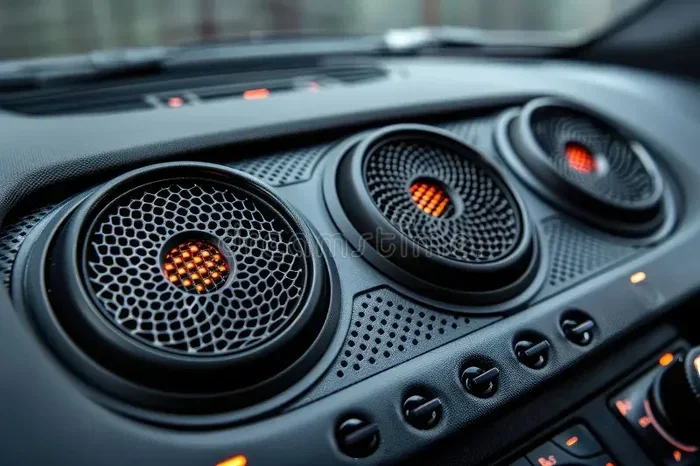
The three drivers in a 3 way car speaker are the woofer, the midrange driver, and the tweeter. Each one has a specific job. The woofer handles the low-frequency sounds. Think of deep bass lines, kick drums, and rumbling effects. The midrange driver covers the middle frequencies. This is where vocals, guitars, and most instrument sounds live. The tweeter takes care of the high frequencies. Cymbals, bird sounds, and the sparkle in a singer’s voice all come through the tweeter.
Because each driver focuses on its own frequency range, the sound is much cleaner. There is less overlap, which means less distortion. The result is a more natural and accurate reproduction of music. This is a big reason why 3 way car speakers are so popular among car audio enthusiasts.
How They Differ from Other Speaker Types
To understand 3 way car speakers, it helps to know how they compare to other options. Coaxial speakers are the most common factory speakers. They pack multiple drivers into one unit, usually a woofer and a tweeter stacked on top of each other. These are also called 2 way speakers. They work fine for basic listening, but they have limitations.
Component speakers take things a step further. They separate the drivers into individual pieces, each mounted in its own location. This gives you the best possible sound. 3 way car speakers sit right in the middle. They offer more drivers than coaxial speakers but are still easier to install than full component setups. For many people, 3 way car speakers are the sweet spot between performance and convenience.
How Do 3 Way Car Speakers Work?
The magic behind 3 way car speakers lies in how they split and direct sound. A speaker crossover network is the key component that makes this possible. The crossover acts like a traffic cop for sound. It takes the full audio signal and divides it into three separate paths. Each path sends the right frequencies to the right driver.
The Role of the Crossover Network
The speaker crossover is a simple but brilliant piece of technology. It uses capacitors and inductors to filter out certain frequencies. Low frequencies get sent to the woofer. Mid frequencies go to the midrange driver. High frequencies travel to the tweeter. This separation ensures that each driver only handles the frequencies it is best at reproducing.
Without a crossover, a single driver would try to handle all frequencies at once. This leads to distortion and poor audio fidelity. The crossover keeps everything clean and organized. That is why 3 way car speakers sound so much better than basic setups. The crossover network is what makes the whole system work as a team.
Frequency Range and Driver Allocation
Each driver in a 3 way car speaker covers a specific part of the speaker frequency response spectrum. The woofer typically handles frequencies from about 20 Hz to 2,000 Hz. The midrange driver covers roughly 2,000 Hz to 5,000 Hz. The tweeter takes over from about 5,000 Hz up to 20,000 Hz or higher.
This division of labor is what gives 3 way car speakers their advantage. Each driver can be optimized for its specific range. The woofer can be larger and more powerful for deep bass. The midrange can be tuned for vocal clarity. The tweeter can be small and precise for sparkling highs. The result is a well-balanced sound that fills your car with rich, detailed music.
Key Benefits of Upgrading to 3 Way Car Speakers
Upgrading your car door speakers to 3 way car speakers brings a host of benefits. Let us look at the biggest advantages you will notice right away.
Superior Sound Clarity
The most immediate benefit of 3 way car speakers is the improvement in sound clarity. Because each driver handles only its assigned frequencies, there is much less muddiness. Vocals sound crisp and defined. Instruments are easier to pick out. You can hear details in songs that were completely lost with your old factory speakers.
This clarity is especially noticeable with complex music. Think of a full orchestra or a dense rock track. With 3 way car speakers, every instrument has its own space in the mix. Nothing gets buried or distorted. The audio fidelity is simply much higher.
Deeper Bass Response
Bass is what gives music its punch and energy. 3 way car speakers deliver a dedicated woofer that is specifically designed for low frequencies. This means your bass response is deeper and more impactful compared to a standard 2 way speaker.
You will feel the bass in your chest during a great track. The kick drum hits hard. The bass guitar lines rumble with authority. And because the woofer is separate from the midrange and tweeter, the bass never bleeds into the other frequencies. Everything stays clean and tight.
Wider Soundstage
One of the most exciting benefits of 3 way car speakers is the expanded soundstage. Soundstage refers to the sense of space and depth in music. With good 3 way car speakers, it feels like the band is playing right in front of you inside your car.
The separate drivers work together to create a more three-dimensional listening experience. Instruments appear to come from different positions. Vocals feel centered and present. The highs sparkle from above. This immersive quality makes long drives much more enjoyable and turns your car into a personal concert venue.
3 Way vs 2 Way Car Speakers: Which Is Right for You?
The debate between 3 way car speakers and 2 way car speakers is common in the car audio world. Both have their merits. Understanding the differences helps you make the right choice for your setup.
| Feature | 2 Way Speakers | 3 Way Speakers |
|---|---|---|
| Number of Drivers | 2 (woofer + tweeter) | 3 (woofer + midrange + tweeter) |
| Sound Clarity | Good | Excellent |
| Bass Response | Adequate | Deeper and more defined |
| Midrange Detail | Shared with woofer | Dedicated midrange driver |
| Installation Complexity | Simple | Slightly more involved |
| Price Range | Budget to mid-range | Mid-range to premium |
| Best For | Basic upgrades | Serious audio enthusiasts |
As you can see from the table, 3 way car speakers offer clear advantages in sound quality and detail. The dedicated midrange driver is the biggest differentiator. It handles vocals and instruments with a precision that a 2 way speaker simply cannot match. If you are serious about your car audio upgrade, 3 way car speakers are the way to go.
That said, 2 way coaxial speakers still have a place. They are simpler to install and often more affordable. For casual listeners who want a step up from factory speakers, a quality 2 way setup can still sound great. But if you want the best possible audio quality from your car stereo system, the extra driver in a 3 way setup makes a real difference.
Expert Insights
According to car audio professionals, the midrange driver is where 3 way car speakers really shine. Most music energy sits in the midrange frequencies. Vocals, guitars, keyboards, and many instruments live in this range. By giving this range its own dedicated driver, 3 way car speakers deliver a level of detail and presence that is hard to achieve with any other setup. Many experts recommend 3 way car speakers as the first upgrade for anyone looking to seriously improve their car’s sound system.
Top Features to Look For in 3 Way Car Speakers
Not all 3 way car speakers are created equal. When shopping for the right pair, there are several key features you should consider. These details make a big difference in sound quality and durability.
Power Handling and Sensitivity
Speaker power handling tells you how much power the speaker can handle without damage. Look for speakers with a power handling rating that matches or exceeds your car stereo’s output. Higher power handling gives you more headroom and cleaner sound at higher volumes.
Speaker sensitivity is equally important. This rating tells you how efficiently the speaker converts power into sound. A higher sensitivity rating means you get louder volume from the same amount of power. For 3 way car speakers, a sensitivity of 90 dB or higher is ideal. This ensures you get plenty of volume without straining your amplifier or head unit.
Build Quality and Materials
The materials used in 3 way car speakers affect both sound quality and longevity. Look for speakers with polypropylene or woven fiber cones for the woofer. These materials are durable and deliver warm, natural bass. For the midrange and tweeter, silk or textile dome designs often produce smooth, detailed highs.
Build quality also includes the speaker frame and surround. Rubber surrounds tend to last longer and provide better flex than foam. The basket should be sturdy and rust-resistant, especially if you live in a humid or coastal area. Quality aftermarket speakers from reputable brands use superior materials that stand the test of time.
Brand Reputation and User Reviews
When investing in 3 way car speakers, brand reputation matters. Established car audio brands have years of research and development behind their products. They understand what works in real car environments, not just in a lab. Look for brands known for producing reliable, high-performance car audio speakers.
User reviews are also valuable. They give you real-world insights into how the speakers sound in actual vehicles. Pay attention to reviews that mention long-term durability and sound quality over time. This helps you avoid speakers that might look good on paper but disappoint in practice.
How to Install 3 Way Car Speakers
Installing 3 way car speakers is a rewarding project that anyone can do with basic tools. While professional installation is always an option, many car owners prefer the DIY route. It saves money and gives you a sense of accomplishment. Let us walk through the process.
Tools You Will Need
Before you start, gather the right tools. You will need a panel removal tool set to safely take off your car doors. A screwdriver set with various sizes is essential. Wire strippers and crimp connectors will help with the wiring. You may also need an amplifier if your head unit cannot provide enough power. A speaker wire kit and electrical tape complete the basics.
Having the right tools makes the job much smoother. It also prevents accidental damage to your car’s interior. Take a few minutes to gather everything before you begin.
Step-by-Step Installation Guide
Start by removing the door panels. Use the panel removal tool to gently pop off the clips. Set the panels aside carefully. Next, disconnect the factory speaker wires from the old speakers. Take a photo of the wiring before you disconnect anything. This makes reassembly much easier.
Now mount the new 3 way car speakers. Most speakers come with mounting hardware. Align the speaker with the door mounting points and secure it with the provided screws. Make sure the speaker sits flush and does not vibrate against the door panel.
Connect the speaker wires. Match the positive and negative terminals on the speaker with the corresponding wires from your car. Use crimp connectors for a secure connection. Wrap any exposed connections with electrical tape to prevent shorts.
Repeat the process for each speaker. Once all speakers are installed, reconnect the door panels. Test the sound system before you put everything back together. This lets you catch any wiring issues early. Adjust the speaker crossover settings if your system has them.
Quick Tips for a Great Install
- Seal any gaps around the speaker with foam tape. This reduces rattles and improves bass response.
- Use quality speaker wire for the best signal transfer. Cheap wire can degrade audio fidelity.
- Take your time with wiring. Rushed connections lead to static and sound issues.
- Test before final assembly. This saves you from having to redo work.
Conclusion
Upgrading to 3 way car speakers is one of the best car audio upgrades you can make. These speakers deliver superior sound clarity, deeper bass response, and a wider soundstage that transforms every drive. The dedicated woofer, midrange driver, and tweeter work together to produce balanced, detailed music that sounds amazing at any volume.
Whether you are replacing factory car door speakers or upgrading an existing car stereo system, 3 way car speakers offer a perfect blend of performance and practicality. They are easier to install than full component setups and deliver far better sound than basic coaxial speakers.
Take the time to choose the right pair for your vehicle. Consider power handling, sensitivity, build quality, and brand reputation. Follow the installation tips in this guide, and you will enjoy a listening experience that rivals any home stereo system. 3 way car speakers truly are the key to an unforgettable listening experience on the road.
Frequently Asked Questions
What makes 3 way car speakers different from 2 way speakers?
3 way car speakers have three dedicated drivers: a woofer, a midrange, and a tweeter. 2 way speakers only have two drivers, usually a woofer and a tweeter. The extra midrange driver in a 3 way setup handles vocals and instruments separately, resulting in cleaner, more detailed sound. This dedicated allocation of frequencies is the main difference.
Can I install 3 way car speakers myself?
Yes, most 3 way car speakers can be installed at home with basic tools. You will need a panel removal tool, screwdrivers, wire strippers, and crimp connectors. The process is similar to replacing factory speakers. Just be careful with wiring and take your time. If you are not comfortable with electrical work, a professional installer can handle it quickly.
Do 3 way car speakers need an amplifier?
While not strictly required, an amplifier greatly enhances the performance of 3 way car speakers. Factory head units often cannot provide enough power to fully drive quality speakers. An amplifier delivers cleaner, more powerful signals. This results in better bass response, higher volume, and improved audio fidelity. Even a small amplifier can make a noticeable difference.
What is the best frequency range for 3 way car speakers?
A good set of 3 way car speakers should cover a wide frequency range, typically from 20 Hz to 20,000 Hz. The woofer handles the low end down to about 20 Hz, the midrange covers the mid frequencies, and the tweeter reproduces the highs up to 20 kHz or beyond. Look for speakers with a broad and flat frequency response for the most accurate sound reproduction.
Are 3 way car speakers worth the extra cost?
Absolutely. The extra cost of 3 way car speakers over 2 way models is justified by the significant improvement in sound quality. The dedicated midrange driver alone makes a huge difference in vocal clarity and instrument detail. For anyone who truly enjoys music while driving, the investment in quality 3 way car speakers pays off in every listen.
How long do 3 way car speakers last?
With proper care, quality 3 way car speakers can last 5 to 10 years or more. Build quality, materials, and driving conditions all affect lifespan. Keep the speakers clean and dry. Avoid exposing them to extreme moisture. Using a proper speaker crossover also protects the drivers from damage. Regular maintenance goes a long way toward extending the life of your car audio speakers.