30 Percent Window Tint: The Pros and Why They Matter
A 30 percent window tint offers a balanced mix of style, comfort, and protection for your vehicle. It blocks harmful UV rays, reduces solar heat, and cuts down on glare while still allowing good visibility. Many car owners choose this tint percentage because it delivers real benefits without going too dark for daily driving.
If you have ever sat in a parked car on a summer day and felt the steering wheel burn your hands, you know how brutal the sun can be. 30 percent window tint has become one of the most popular choices for car owners who want real benefits without going too dark. It strikes a sweet spot between style and function.
Whether you are dealing with harsh sunlight, fading interiors, or just want a bit more privacy, a 30 percent window tint can make a noticeable difference. In this article, we will walk through every major benefit of this tint level. You will learn how it works, what it can do for your car, and why so many drivers are making the switch.
Let us dive right in and explore the world of automotive window tint at the 30 percent shade. By the end, you will have a clear picture of whether this is the right choice for your vehicle.
Key Takeaways
- UV Protection: A 30 percent window tint blocks a significant amount of UV rays, protecting your skin and your car’s interior.
- Heat Reduction: This tint level noticeably reduces solar heat, keeping your car cooler in hot weather.
- Glare Reduction: Driving becomes more comfortable with less sun and headlight glare hitting your eyes.
- Privacy and Security: A 30 percent tint gives you added privacy without making your windows too dark.
- Legal Compliance: This shade is often within legal limits for many vehicle windows, making it a safe choice.
- Interior Preservation: Your dashboard, seats, and trim stay in better shape longer with UV-blocking tint.
- Easy Maintenance: 30 percent tint is simple to clean and maintain compared to darker shades.
📑 Table of Contents
What Is a 30 Percent Window Tint?
When we talk about 30 percent window tint, we are referring to the visible light transmission (VLT) level. VLT measures how much light the tint film allows to pass through your windows. A 30 percent tint means that 30 percent of light gets through, and 70 percent gets blocked.
This is considered a medium shade. It is darker than a 50 percent tint but lighter than a 20 percent tint. The result is a noticeable darkening of your windows that still allows good visibility during the day and most nighttime driving conditions.
How Does the Tint Percentage Work?
The tint percentage is printed on the film before it is installed. Car window tinting films come in a range of shades, and each one serves a slightly different purpose. A 30 percent tint film uses a combination of dyes, metals, or ceramics to filter out light and energy from the sun.
Here is a simple way to think about it. Imagine standing behind a window with sunglasses on. The lighter the sunglasses, the more you can see. A 30 percent tint is like wearing medium-tinted sunglasses on your car windows. You get the benefits of reduced light and heat without completely blocking your view.
What Does It Look Like on a Car?
A car with 30 percent tinted windows has a smooth, uniform dark appearance. It looks sleek and finished. The tint is dark enough to be noticeable but not so dark that it raises eyebrows or draws unwanted attention from law enforcement.
Many sedan and SUV owners love this shade because it gives the vehicle a polished, customized look. It works well on all windows or just selected ones, depending on your preference and local tint laws.
Top Benefits of 30 Percent Window Tint
The pros of 30 percent window tint go far beyond just making your car look good. This shade level delivers real, practical benefits that improve your daily driving experience. Let us break down each advantage in detail.
UV Protection for Your Skin and Car Interior
One of the biggest reasons people invest in UV protection window tint is to shield themselves from harmful ultraviolet rays. The sun emits UVA and UVB rays that can cause skin damage over time. When you drive with your windows down, your arms, face, and hands are directly exposed.
A 30 percent window tint blocks a large portion of these rays. Studies show that quality tint films can block up to 99 percent of UV radiation. That means less sun exposure for you and your passengers on every drive.
But it is not just about your skin. Your car’s interior takes a beating from the sun every single day. The dashboard can crack and fade. Leather seats dry out and discolor. Wood trim warps over time. 30 percent tint acts as a shield, significantly slowing down this damage and keeping your interior looking newer for longer.
Heat Rejection and Cooler Cabin Temperatures
Have you ever tried to drive in a car that has been sitting in the sun for hours? The interior temperature can soar past 150 degrees Fahrenheit. That is not just uncomfortable. It is dangerous, especially for pets and children left inside even for a short time.
Heat rejection is one of the top 30 percent window tint pros. The film reflects and absorbs a significant amount of solar energy before it enters your car. With a 30 percent tint, you can expect a noticeable drop in cabin temperature compared to untinted windows.
Many drivers report that their car cools down faster after parking in the shade with tint installed. Your air conditioning system does not have to work as hard either, which can improve fuel efficiency over time. Solar heat rejection is a key selling point for anyone living in hot climates.
Glare Reduction for Safer Driving
Sun glare is a serious driving hazard. It can blind you for a split second, and those split seconds matter. Whether it is the low morning sun or the harsh afternoon light bouncing off the road, glare causes eye strain and reduces reaction time.
A 30 percent window tint acts as a natural glare shield. It softens harsh sunlight and reduces the blinding effect of headlights from oncoming traffic at night. This makes driving more comfortable, especially on long road trips or during sunrise and sunset hours.
Less eye strain also means less fatigue. If you drive for work or commute long distances, glare reduction can help you stay alert and focused on the road.
Enhanced Privacy and Security
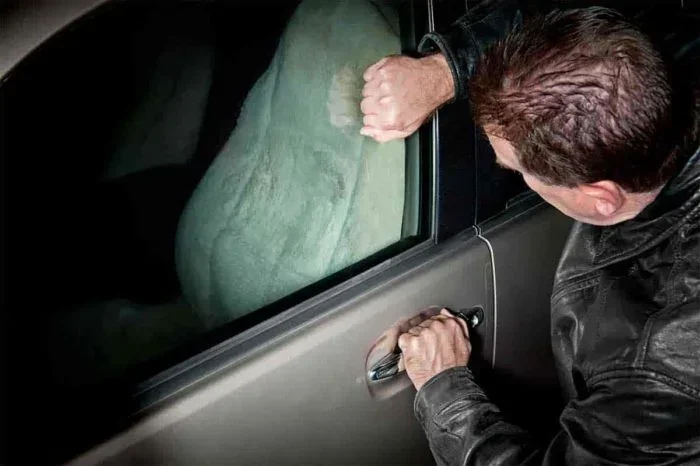
Privacy is a major reason many car owners choose to tint their windows. A 30 percent privacy film makes it harder for people outside to see into your vehicle. Your belongings stay out of sight, which can deter potential thieves.
Unlike very dark tints that can make it hard for you to see out, a 30 percent shade gives you a good balance. You can see your surroundings clearly, but others cannot easily peer into your car. This added layer of security is valuable whether you park on the street or in a lot.
Families with children also appreciate the extra privacy. It creates a more comfortable, enclosed feeling inside the vehicle without making it feel claustrophobic.
Interior Protection and Longevity
Sun damage is one of the biggest enemies of your car’s interior. Over months and years, UV exposure causes fading, cracking, and deterioration of surfaces. Interior protection is one of the most overlooked benefits of automotive window tint.
With a 30 percent tint installed, your dashboard, center console, and seats are protected from the majority of UV rays. This is especially important for vehicles with light-colored interiors, which show fading more quickly. Investing in tint is a proactive step that preserves your car’s value and appearance.
Over time, the cost of tint pays for itself by reducing the need for interior repairs, seat replacements, or dashboard covers. It is a long-term investment in your vehicle’s condition.
Aesthetic Appeal and Custom Look
Let us not forget the visual impact. A 30 percent tint gives any car a polished, custom look. It adds depth and dimension to the vehicle’s appearance. Many car enthusiasts consider window tinting one of the simplest and most effective upgrades they can make.
Whether you drive a sedan, SUV, truck, or hatchback, tinted windows enhance the overall aesthetic. The medium shade looks clean and professional without being overly aggressive. It is a subtle upgrade that turns heads for all the right reasons.
How 30 Percent Tint Compares to Other Shades
Not all tint shades are created equal. The right choice depends on your priorities, your climate, and your local regulations. Here is how 30 percent window tint stacks up against other popular shades.
30 Percent vs. 50 Percent Tint
A 50 percent tint allows more light in, so it is lighter and provides less heat rejection and UV protection compared to 30 percent. However, it is often legal for more windows in many states. A 30 percent tint offers a darker, more dramatic look with stronger benefits in heat and glare reduction.
30 Percent vs. 20 Percent Tint
A 20 percent tint is noticeably darker. It provides better privacy but can reduce visibility more, especially at night. 30 percent tint gives you a good middle ground. You get meaningful privacy and protection while maintaining safer visibility for everyday driving.
30 Percent vs. 5 Percent (Limousine Tint)
A 5 percent tint is extremely dark and is often illegal for front side windows. It is used mainly on rear windows for maximum privacy. 30 percent tint is far more versatile and practical for all-around use, including the front doors and windshield (where legally permitted).
Comparison Table
| Feature | 50% Tint | 30% Tint | 20% Tint |
|---|---|---|---|
| Light Transmission | 50% | 30% | 20% |
| UV Protection | Moderate | High | Very High |
| Heat Rejection | Moderate | Strong | Very Strong |
| Privacy Level | Low | Moderate | High |
| Night Visibility | Excellent | Good | Fair |
| Legal for Front Windows | Usually Yes | Often Yes | Sometimes |
| Aesthetic Look | Subtle | Balanced | Dark |
Legal Considerations and Tint Laws
Before you rush out to get your windows tinted, it is important to understand the tint laws in your area. Regulations vary widely from state to state and country to country. Some places are very strict about how dark your tint can be, while others are more lenient.
Why Tint Laws Matter
Window tint laws exist primarily for safety reasons. Law enforcement officers need to see through your windows during traffic stops. Too-dark tint can create a safety hazard for both the officer and the driver. That is why most jurisdictions set limits on how dark you can go, especially on the front side windows and windshield.
A 30 percent tint is often within legal limits for rear windows and sometimes for front side windows, depending on where you live. Always check your local tint regulations before scheduling an installation.
Common Tint Law Terms
You will often hear terms like VLT (visible light transmission) and tint reflectivity when researching tint laws. VLT is the percentage of light that passes through the film and glass combined. Reflectivity refers to how much light the film bounces back. Some states regulate both VLT and reflectivity levels.
Getting caught with illegal tint can result in fines and even a requirement to remove the film. Stick with a 30 percent window tint if you are unsure, as it is one of the more universally accepted shades.
Practical Tips for Getting 30 Percent Tint Installed
Once you decide that a 30 percent tint is right for you, the next step is the installation process. A professional job makes all the difference in how the tint looks and how long it lasts.
Choose a Reputable Installer
Not all tint shops are created equal. Look for installers with strong reviews and experience working with automotive window tint. Ask to see their portfolio of previous work. A good installer will ensure the film is applied evenly with no bubbles, peeling, or wrinkles.
Do not just go with the cheapest option. Quality installation matters just as much as quality film. A poorly installed tinting film can bubble, peel, or fade prematurely.
Pick the Right Film Type
Window film comes in several types, including dyed, metalized, carbon, and ceramic. Each has different performance characteristics. Ceramic tint, for example, offers the best heat rejection and UV protection without interfering with electronic signals like GPS and phone reception.
For a 30 percent shade, carbon and ceramic films are popular choices. They provide excellent performance and a matte finish that does not fade over time. Dyed films are more affordable but may fade faster and offer less heat rejection.
What to Expect During Installation
The installation process typically takes one to three hours, depending on the number of windows. The installer will clean your windows thoroughly, cut the film to size, and apply it using a squeegee to remove air bubbles. You should expect a short curing period of a few days before rolling your windows down.
During this curing time, you may notice some haze or small bubbles. These usually disappear as the film fully adheres to the glass. Avoid rolling your windows down or cleaning the tinted windows during this period.
Maintenance Tips for Long-Lasting Tint
Taking care of your 30 percent window tint extends its lifespan significantly. Use a non-ammonia glass cleaner to avoid damaging the film. Wait at least a week after installation before cleaning the windows. A soft microfiber cloth is your best friend for maintaining a smooth, bubble-free finish.
Avoid using abrasive materials or rough sponges on your tinted windows. With proper care, a quality 30 percent tint can last 5 to 10 years or even longer.
Is 30 Percent Window Tint Right for You?
The decision to tint your windows comes down to your personal needs and driving habits. If you spend a lot of time in your car, whether for commuting or traveling, the benefits of a 30 percent window tint add up quickly.
Consider your climate. If you live in a sunny, hot region, the heat rejection and UV protection alone make it a smart investment. If you drive at night frequently, the glare reduction will improve your comfort and safety.
Think about your privacy needs too. If you carry valuable items in your car or simply prefer not to have people looking in, 30 percent tinted windows offer a practical solution without being overly dark.
Budget is another factor. While quality tint is an investment, the long-term savings on interior repairs and improved fuel efficiency can offset the initial cost. Plus, a well-tinted car holds its value better over time.
Ultimately, a 30 percent window tint is one of the most versatile and worthwhile upgrades you can make to your vehicle. It balances style, protection, and practicality in a way that few other car modifications can match.
Conclusion
The pros of 30 percent window tint are clear and compelling. From UV protection and heat rejection to glare reduction, privacy, and interior preservation, this shade level delivers real value every time you get behind the wheel. It looks great, performs well, and stays within legal limits in most areas.
Whether you are a daily commuter, a road trip enthusiast, or simply someone who wants to protect their investment, a 30 percent window tint is a smart choice. Take the time to research your options, find a skilled installer, and enjoy the benefits of professionally tinted windows for years to come.
The road ahead is brighter and more comfortable with the right window tint on your side. Make the switch today and feel the difference on your very next drive.
Frequently Asked Questions
Is a 30 percent window tint legal on front windows?
It depends on your state or country. Some areas allow 30 percent tint on front side windows, while others require a lighter shade. Always check your local tint laws before installation to avoid fines or the need to remove the film.
How much does a 30 percent window tint cost?
The cost varies based on your vehicle size, film type, and installer quality. On average, a full car window tinting job with a 30 percent tint film ranges from $200 to $500. Ceramic and carbon films tend to cost more but offer superior performance and durability.
Can I tint my windshield with a 30 percent film?
Most jurisdictions do not allow any tint on the windshield except for a narrow strip at the top. 30 percent tint is typically applied to side and rear windows only. Check your local regulations for specific rules about windshield tinting.
How long does a 30 percent window tint last?
With quality film and proper installation, a 30 percent window tint can last between 5 and 10 years. Ceramic and carbon films tend to last longer than dyed films. Regular maintenance and avoiding harsh cleaners will help extend the lifespan of your tint.
Does a 30 percent tint affect night driving visibility?
A 30 percent tint provides good night visibility compared to darker shades. You may notice a slight reduction in light, but most drivers find it comfortable and safe. If you do a lot of night driving in poorly lit areas, you may want to consider a slightly lighter shade for the front windows.
What is the difference between 30 percent tint and factory-tinted windows?
Factory tint is usually much lighter, around 70 to 80 percent VLT. A 30 percent aftermarket tint is significantly darker and provides much better UV protection, heat rejection, and privacy. Factory tint mainly serves a minor glare reduction purpose and offers minimal interior protection.