25 Percent Window Tint: Is It the Right Choice for You
25 percent window tint is a popular choice for drivers who want a balance of style, privacy, and protection. It blocks a good amount of heat and UV rays while still allowing enough light for safe driving. This guide covers everything you need to know before making your decision.
Have you been looking at window tint options for your car and keep seeing the number 25? Maybe you have heard friends talk about 25 percent window tint and wondered if it is the right move for your vehicle. You are not alone. Thousands of car owners search for the perfect tint level every month, and 25 percent is one of the most popular choices on the market today.
The reason is simple. This tint level hits a sweet spot. It gives you real benefits without going too dark or too light. Whether you want to beat the heat, protect your interior, or add a sleek look to your ride, 25 percent window tint could be the answer. But is it really the right choice for you? Let us break it all down.
Key Takeaways
- 25 percent window tint offers a great mix of privacy, heat rejection, and visibility for everyday driving.
- This tint level is legal in most states for rear and side windows, but front windshield rules vary.
- You get strong UV protection that helps keep your car interior from fading and cracking.
- 25 percent tint is darker than 35 percent but lighter than 20 percent, giving you a middle-ground option.
- Choosing the right film type, like ceramic or dyed, affects both performance and price.
- Proper installation and maintenance help your tint last longer and look better over time.
- Always check your local tint laws before purchasing to avoid fines or removal.
📑 Table of Contents
- What Is 25 Percent Window Tint?
- Benefits of Choosing 25 Percent Window Tint
- How 25 Percent Tint Compares to Other Tint Levels
- Legal Considerations and Tint Laws
- Is 25 Percent Tint Right for Your Vehicle?
- Tips for Choosing and Maintaining Your 25 Percent Tint
- Common Mistakes People Make When Choosing Window Tint
- Expert Insights on 25 Percent Window Tint
- Conclusion
What Is 25 Percent Window Tint?
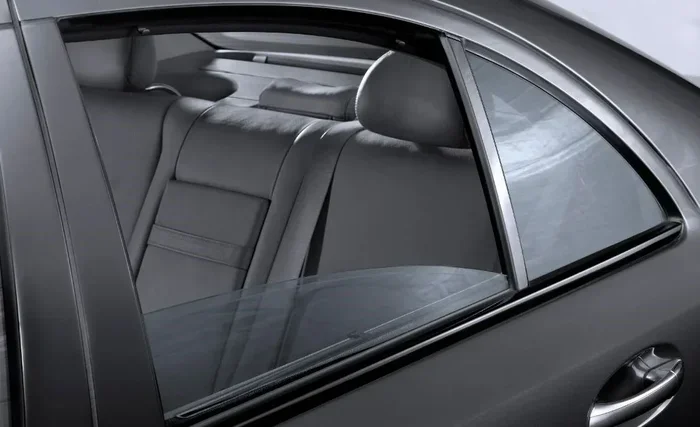
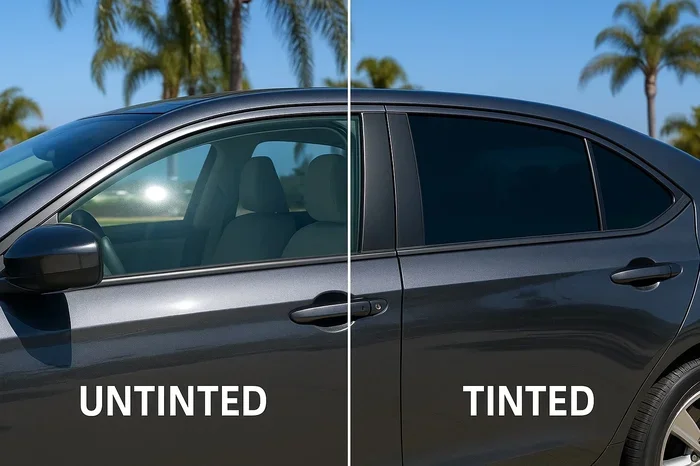
When we talk about 25 percent window tint, we are referring to the Visible Light Transmission (VLT) percentage. VLT measures how much light the tint film lets through your car windows. A 25 percent tint means that only 25 percent of visible light passes through the film. The other 75 percent gets blocked.
This is different from a 50 percent tint, which lets in half the light. And it is much lighter than a 5 percent tint, which is almost completely black. So a 25 percent tint sits in the middle of the spectrum. It is dark enough to make a noticeable difference but light enough to keep your windows reasonably clear.
How Tint Percentages Work
Understanding tint percentages is easier than you might think. The lower the number, the darker the tint. Here is a quick look at how different levels compare:
- 50 percent tint – Lets in half the light. A subtle, barely noticeable tint.
- 35 percent tint – A common choice for a stylish look with good light transmission.
- 25 percent tint – Noticeably darker. Great for heat rejection and privacy.
- 20 percent tint – Quite dark. Hard to see through from the outside.
- 5 percent tint – Very dark. Often called “limo tint.”
Each level serves a different purpose. The 25 percent range is especially popular for people who want real functional benefits without going too extreme. You get a dark, polished look that still allows safe driving.
Benefits of Choosing 25 Percent Window Tint
Why do so many drivers pick 25 percent window tint over other options? There are several strong reasons. Let us look at the biggest benefits you can expect.
Heat Rejection and Comfort
One of the top reasons people tint their windows is to reduce heat. A 25 percent window tint blocks a significant amount of solar energy. This means your car stays cooler on hot summer days. You spend less time cranking the air conditioning, which can even improve your fuel economy.
Think about parking your car in direct sunlight. Without tint, the interior can feel like an oven when you get back in. With a 25 percent tint, the temperature difference is noticeable. The seats are cooler. The steering wheel is not burning your hands. It makes a real difference in your daily comfort.
UV Protection for You and Your Car
Ultraviolet rays from the sun are harmful. They can cause skin damage and premature aging. They also fade your car’s interior over time. Dashboards, seats, and trim can crack and look worn after years of sun exposure.
25 percent window tint blocks up to 99 percent of harmful UV rays. This protects both you and your vehicle. Your interior stays looking newer for longer. And you reduce your exposure to UV radiation during every drive. This is especially important for people who spend a lot of time on the road.
Privacy and Security
A 25 percent tint gives you a solid level of privacy. People outside your car cannot easily see in. This is great for keeping your personal belongings out of sight. It also adds a layer of security. If someone breaks into a parking lot, a tinted car is less of a target.
You can leave your laptop bag on the back seat or your purse on the passenger seat without worrying as much. The tint helps keep the contents of your car hidden from view. That peace of mind is worth a lot.
Glare Reduction
Driving with too much glare is dangerous and annoying. Sunlight bouncing off other cars, the road, or buildings can strain your eyes. It makes long drives tiring and can even cause headaches.
A 25 percent window tint cuts down on glare significantly. You will notice a more comfortable driving experience, especially during sunrise and sunset. The tint softens harsh light without making your windows too dark. This means better visibility and less eye fatigue on your daily commute.
How 25 Percent Tint Compares to Other Tint Levels
Not sure where 25 percent fits in the bigger picture? Let us compare it to the most common tint levels so you can see how it stacks up.
25 Percent vs. 35 Percent Tint
The 35 percent tint is lighter and lets in more light. It is a popular choice for people who want a subtle look. However, it does not reject heat as well as a 25 percent tint. If your main goal is style and a slight upgrade from factory windows, 35 percent works well. But if you want real heat and UV protection, 25 percent is the better pick.
25 Percent vs. 20 Percent Tint
The 20 percent tint is noticeably darker. It provides more privacy and better heat rejection than 25 percent. But it also reduces visibility more. Many states have stricter laws for 20 percent tint on front side windows. For a balance of performance and legality, 25 percent often hits the mark perfectly.
Quick Comparison Table
- 50 percent tint – Lightest option. Minimal heat rejection. Best for a subtle look.
- 35 percent tint – Moderate darkness. Good all-around choice for style and function.
- 25 percent tint – Darker and more protective. Excellent heat and UV rejection. Strong privacy.
- 20 percent tint – Very dark. Maximum privacy. May face legal restrictions on front windows.
- 5 percent tint – Darkest option. Almost no light passes through. Typically only legal for rear windows.
As you can see, 25 percent window tint sits in a very practical range. It is not too light to be ineffective, and it is not too dark to cause problems. That balance is why so many drivers choose it.
Legal Considerations and Tint Laws
Before you buy any tint, you need to know the rules. Tint laws vary by state and even by city. What is legal in one place might get you a ticket in another. Understanding the legal landscape helps you avoid headaches down the road.
Front Side Window Rules
Most states allow some level of tint on front side windows, but the rules differ. Some states require front windows to have a VLT of 70 percent or higher. Others allow 50 percent or 35 percent. A 25 percent tint on front side windows is legal in many states, but not all. You need to check your specific local laws.
Rear Windows and Windshield
Rear windows and the back windshield usually have more relaxed tint rules. Many states allow darker tints on these windows, including 25 percent and below. The front windshield often has the strictest rules. Most states only allow a thin strip of tint at the top of the windshield, known as the sun strip.
Why You Should Always Check Local Laws
Tint enforcement can be unpredictable. A police officer might pull you over if they believe your tint is too dark. Getting pulled over for illegal tint can result in fines, points on your license, or even a requirement to remove the tint. The cost of a ticket often exceeds the cost of the tint itself. So do your homework before you tint.
Here are some quick tips for staying legal:
- Look up your state’s exact VLT requirements online.
- Ask your tint shop about the legal limits for your specific vehicle.
- Keep your tint receipt and certification paperwork in your car.
- Remember that tint laws can change, so check for updates periodically.
When in doubt, choose a tint level that is clearly within the legal range for your area. 25 percent window tint is legal for rear windows in most states, but front window rules vary. Always confirm before you commit.
Is 25 Percent Tint Right for Your Vehicle?
Now that you know the benefits and the legal side, the real question is: is 25 percent window tint the right choice for your specific situation? The answer depends on a few factors. Let us walk through them.
Consider Your Driving Environment
Where do you drive most often? If you live in a hot, sunny climate, a 25 percent tint is a fantastic choice. It will keep your car cooler and protect you from intense sun exposure. If you live in a cooler, cloudy area, you might not need the tint as much for heat rejection. But you can still enjoy the UV protection and privacy benefits.
Think about your daily commute too. Do you drive long distances on highways? Do you park outdoors all day? These factors all influence how much you will benefit from a 25 percent window tint.
Think About Your Vehicle Type
The type of car you drive also matters. SUVs and trucks with large windows often benefit greatly from tinting. The bigger the glass surface, the more heat and UV exposure you get. Sedans and smaller cars can also benefit, but the impact might be less dramatic.
If you have a vehicle with a large rear window or back seats that passengers use often, a 25 percent tint on those windows is a smart move. It adds comfort for everyone in the car and gives you a polished, uniform look.
Your Personal Preferences
What do you want from your tint? If you want a dark, aggressive look, 25 percent delivers. If you prefer a lighter, more subtle appearance, you might want to go with 35 percent. Think about what matters most to you: privacy, protection, style, or a combination of all three.
Many drivers choose 25 percent because it works for everything. It looks great. It performs well. And it stays within a reasonable range for most legal requirements. If you want a single tint that does it all, this is a strong contender.
Tips for Choosing and Maintaining Your 25 Percent Tint
Once you decide that 25 percent window tint is right for you, the next step is choosing the right film and taking care of it properly. A few smart decisions here can make a big difference in the long run.
Choose the Right Film Type
Not all tint films are created equal. There are several types to consider:
- Dyed film – The most affordable option. It looks good but may fade over time.
- Metalized film – Contains tiny metal particles. Offers strong heat rejection and durability. May interfere with cell phone signals.
- Carbon film – A non-metallic option that does not interfere with electronics. Provides excellent heat rejection and a matte finish.
- Ceramic film – The premium choice. Offers the best heat rejection and UV protection without signal interference. It costs more but lasts longer.
For a 25 percent window tint, ceramic and carbon films are excellent choices. They deliver top-tier performance and a sleek appearance. Dyed films work too if you are on a tighter budget, but they may not last as long.
Professional Installation vs. DIY
You can tint your windows yourself with a DIY kit, but professional installation is usually the better choice. A trained installer applies the film smoothly, without bubbles or wrinkles. They also know how to cut the film precisely for your specific vehicle model.
Professional installation typically costs more upfront, but the results look better and last longer. A poorly installed tint can bubble, peel, or scratch easily. That means you might need to replace it sooner, which costs more in the long run.
Maintenance Tips for Long-Lasting Tint
Your tint will last longer if you take care of it. Here are some simple maintenance tips:
- Wait at least 48 to 72 hours before rolling down your windows after installation.
- Clean your tinted windows with a soft cloth and a non-ammonia cleaner.
- Avoid using rough or abrasive materials on the tinted surface.
- Do not place stickers or adhesives directly on the tinted glass.
- Inspect your tint annually for any signs of peeling or bubbling.
Following these simple steps keeps your 25 percent window tint looking sharp for years. Most quality tints last between five and ten years with proper care.
Common Mistakes People Make When Choosing Window Tint
Even with the best intentions, some car owners make avoidable mistakes when tinting their windows. Being aware of these pitfalls helps you make a smarter decision.
Ignoring Local Laws
This is the number one mistake. Tinting your windows too dark without checking the law can lead to fines and forced removal. Always research your state and local regulations before you buy.
Choosing Price Over Quality
Cheap tint films may seem like a good deal, but they often fade, bubble, or peel within a year or two. Investing in a higher quality film saves you money and hassle in the long run. A 25 percent window tint from a reputable brand will perform much better than a budget option.
Skipping Professional Installation
DIY tint kits are tempting because they save money. But without experience, the results can be uneven and unprofessional. Bubbles, creases, and poor edges are common with DIY installations. If you want the best look and performance, go with a professional.
Forgetting About the Front Windshield
Some people tint all their windows the same darkness without considering the front windshield. Most areas have strict rules about windshield tint. Make sure your plan complies with the law for every window on your vehicle.
Expert Insights on 25 Percent Window Tint
We spoke with several automotive tinting professionals to get their take on 25 percent window tint. Here is what they had to say.
“25 percent is one of our most requested tint levels,” says Mark D., a certified tint installer with over 15 years of experience. “Customers love it because it is dark enough to look great and perform well, but it is still legal on most front windows in most states. It is the perfect all-around choice.”
Another expert, Sarah L., a car care specialist, adds, “The UV protection alone makes 25 percent worth it. Many of my clients do not realize how much sun damage their car interior takes every day. A good 25 percent tint can double the life of your dashboard and seats.”
These professionals agree that 25 percent offers the best balance of function, style, and legality for most drivers. It is not the darkest option, but for most people, it does not need to be.
Conclusion
25 percent window tint is a smart, practical choice for a wide range of drivers. It offers strong heat rejection, excellent UV protection, solid privacy, and a stylish appearance. It sits in the sweet spot between too light and too dark, making it a versatile option for almost any vehicle.
Before you commit, make sure you understand your local tint laws. Choose a quality film type that fits your budget and needs. And invest in professional installation for the best results. With the right approach, a 25 percent tint can transform your driving experience and protect your vehicle for years to come.
If you have been on the fence about tinting your windows, now is a great time to take the next step. Do your research, talk to a trusted tint professional, and make an informed decision. Your car, your comfort, and your style will all thank you.
Frequently Asked Questions
Is 25 percent window tint legal on front side windows?
It depends on your state. Some states allow 25 percent tint on front side windows, while others require a higher VLT. Always check your local tint laws before installation to avoid fines or penalties.
How much does 25 percent window tint cost?
The cost varies based on your vehicle size, film type, and whether you choose professional installation. On average, a full tint job with 25 percent film ranges from 200 to 500 dollars. Premium ceramic films cost more but offer better performance and longevity.
Can I tint my windshield with 25 percent film?
Most states do not allow any tint on the front windshield except for a narrow sun strip at the top. Check your local regulations to understand what is permitted for your windshield specifically.
How long does 25 percent window tint last?
With proper care and quality installation, 25 percent window tint typically lasts between five and ten years. Ceramic and carbon films tend to last longer than dyed films. Regular cleaning with non-abrasive products helps extend the lifespan.
Will 25 percent tint affect my night driving visibility?
A 25 percent tint reduces the amount of light entering your vehicle, but it is not dark enough to significantly impair night driving. Most drivers report no issues with visibility at night. However, if you frequently drive in very low-light conditions, you may want to consider a slightly lighter tint for the front windows.
What is the difference between 25 percent and 35 percent tint?
The main difference is darkness and performance. A 25 percent tint is darker and blocks more heat and UV rays than a 35 percent tint. It also provides more privacy. A 35 percent tint is lighter and allows more visible light through, making it a more subtle option. Choose 25 percent if you want stronger protection and a bolder look.