Oklahoma Window Tint Law Explained and What You Need to Know
Oklahoma window tint law sets clear rules on how dark or reflective your car windows can be. Understanding these regulations helps you stay legal, avoid fines, and keep your ride comfortable. This guide breaks down every tint percentage, exemption, and enforcement detail you need to know.
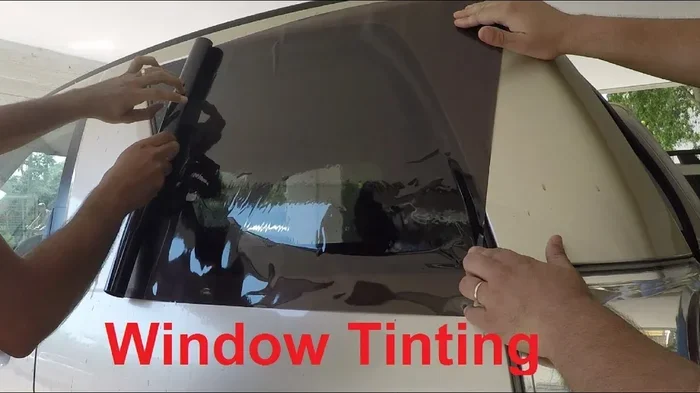
Living in Oklahoma means dealing with blazing summers and intense sunshine. That is exactly why so many car owners turn to window tinting for relief. But before you roll into your local tint shop, you need to know the rules. Oklahoma window tint law sets specific limits on how dark and how reflective your car windows can be. Breaking these rules can lead to costly fines and even vehicle inspections.
This guide covers everything you need to know about legal tint limits in Oklahoma. We will walk through each window, explain the rules in plain language, and share tips to keep you compliant. Whether you drive a sedan, SUV, or truck, this article has you covered. Let us dive in.
Key Takeaways
- Windshield tint: Only a non-reflective strip on the top 5 inches is allowed.
- Front side windows: Must allow more than 25% of light in (VLT above 25%).
- Rear side and back windows: Any darkness level is permitted on sedans and SUVs.
- Medical exemption: Oklahoma allows darker tints with a physician’s certificate.
- Tint ticket fines: Violations can cost between $100 and $500 depending on the offense.
- Sticker requirement: A legal tint sticker must be placed on the driver’s side window.
- Reflectivity rule: No window tint can be more reflective than a standard window.
📑 Table of Contents
- Understanding Oklahoma Window Tint Law Basics
- Legal Tint Limits by Window
- Tint Reflectivity Rules in Oklahoma
- Tint Colors and Special Restrictions
- Medical Exemption for Darker Tint in Oklahoma
- Penalties and Enforcement of Tint Laws
- Tips for Staying Compliant with Oklahoma Tint Law
- Common Mistakes People Make with Window Tinting
- How Tinting Benefits Your Vehicle and Driving Experience
- Choosing the Right Tint Shop in Oklahoma
- Frequently Asked Questions About Oklahoma Window Tint Law
- Final Thoughts on Oklahoma Window Tint Law
Understanding Oklahoma Window Tint Law Basics
The Oklahoma window tint law is part of the state vehicle code. It governs how much light can pass through your car windows. The key measurement is called Visible Light Transmission, or VLT for short. VLT tells you what percentage of outside light gets through your glass and tint film.
Here is a quick look at what VLT means:
- Higher VLT percentage: More light passes through. The tint is lighter.
- Lower VLT percentage: Less light passes through. The tint is darker.
Oklahoma law uses VLT percentages to set the legal limits for each window on your vehicle. The rules differ depending on the type of vehicle you drive. Let us break that down next.
What Is VLT and Why Does It Matter?
VLT stands for Visible Light Transmission. It is the percentage of light that passes through your window glass and tint film combined. When you buy a tint roll, the seller will tell you the VLT of the film. But your car windows already have a factory tint. The final VLT is the combination of both.
For example, if your factory window lets in 75% of light and you add a 50% tint film, your final VLT drops to about 37%. That matters because Oklahoma law measures the final VLT after installation. Always ask your installer to measure the final VLT before they finish the job.
Legal Tint Limits by Window
Oklahoma law treats each window differently. The front windshield, front side windows, rear side windows, and back window all have their own rules. Let us go through them one by one.
Windshield Tint Rules
The windshield is the most regulated window on your vehicle. In Oklahoma, you cannot tint the entire windshield. The law allows a non-reflective tint strip along the top of the windshield. This strip must sit above the manufacturer’s AS-1 line or the top 5 inches of the glass, whichever comes first.
This strip helps reduce glare from the sun without blocking your view of the road. Any tint below that line on the windshield is illegal. Law enforcement officers check this closely during traffic stops.
Front Side Window Tint Rules
The front side windows on both the driver and passenger sides must allow more than 25% of light to pass through. This means the combined VLT of your factory glass and tint film must stay above 25%. Any tint darker than that will get you pulled over.
This rule applies to all passenger cars, sedans, and trucks. The goal is to keep the driver’s view clear, especially at night or in low-light conditions. Many drivers prefer a light tint on the front windows. It adds comfort without crossing the legal line.
Rear Side Window and Back Window Tint Rules
Here is some good news. Oklahoma law allows any tint darkness on the rear side windows and back window. Whether you drive a sedan or an SUV, you can go as dark as you want on these windows.
However, there is one catch. If your rear windows are tinted darker than 25% VLT, you must have dual side mirrors on your vehicle. This ensures the driver can still see behind the car clearly. This rule helps offset the reduced visibility from darker rear tints.
Tint Reflectivity Rules in Oklahoma
Darkness is not the only factor in Oklahoma window tint law. Reflectivity matters too. The state has strict rules about how much light your tint reflects. This is important because overly reflective windows can blind other drivers, especially at night.
In Oklahoma, no window tint can be more reflective than a standard, untinted window. This means metallic or mirrored-looking tints are not allowed on any vehicle. The tint must appear similar to a normal window from the outside.
Here are the reflectivity rules at a glance:
- Windshield: Must be non-reflective in the tinted strip only.
- Front side windows: No metallic or mirrored finish allowed.
- Rear side windows: No metallic or mirrored finish allowed.
- Back window: No metallic or mirrored finish allowed.
Why Reflectivity Limits Exist
Reflective tints can cause serious visibility problems. They bounce sunlight and headlights back at other drivers. This creates dangerous glare, especially during dawn, dusk, and nighttime driving. Oklahoma law aims to keep all drivers safe by capping reflectivity at a standard window level.
If you love the look of a mirror-finish tint, you will need to choose a different style. Ceramic tints and dyed tints offer great heat rejection without the mirror effect. They keep you cool and stay within the law.
Tint Colors and Special Restrictions
Oklahoma law does not ban specific tint colors outright. You can find tints in shades of gray, charcoal, bronze, gold, and blue. However, some colors may draw extra attention from law enforcement if they look unusual or non-standard.
The state does restrict certain types of tint materials. Red, amber, and yellow tints on the front windshield are not allowed. These colors can interfere with traffic signal recognition and emergency vehicle visibility. Stick with neutral shades like gray or charcoal for the safest and most legal choice.
Ceramic vs. Dyed vs. Metalized Tints
Not all tint films are the same. Here is a quick comparison of the most popular types:
- Dyed tint: Affordable and common. It absorbs heat and reduces glare. However, it can fade over time.
- Metalized tint: Contains tiny metallic particles that reflect heat. It is durable but may interfere with cell signals and GPS.
- Ceramic tint: The premium option. It blocks heat without metal or dye. It offers excellent clarity and does not fade.
- Carbon tint: A middle-ground choice. It looks matte and resists fading well.
For Oklahoma drivers, ceramic tint is often the best choice. It provides top-tier heat rejection and stays within the reflectivity limits. It also looks sleek and professional on any vehicle.
Medical Exemption for Darker Tint in Oklahoma
Some people need darker window tint for medical reasons. Conditions like lupus, photosensitivity, and certain skin disorders make sun exposure dangerous. Oklahoma recognizes this and offers a medical exemption for window tint.
To qualify, you need a signed certificate from a licensed physician. The certificate must state that you have a condition that requires protection from sunlight. It should specify the recommended VLT percentage for your windows.
Once you have the certificate, you must keep it in your vehicle at all times. You can show it to law enforcement during a traffic stop. Without the certificate on hand, you could still receive a tint ticket.
How to Apply for the Medical Exemption
Follow these steps to get your Oklahoma medical tint exemption:
- Visit your doctor and discuss your condition.
- Ask them to write a certificate specifying your tint needs.
- Have the certificate include your name, condition, and recommended VLT.
- Keep a copy in your glove box at all times.
- Show the certificate if stopped by law enforcement.
The medical exemption allows you to tint your front side windows below the 25% VLT limit. It gives you the protection you need without breaking the law. Always renew your medical certificate annually to keep it valid.
Penalties and Enforcement of Tint Laws
Oklahoma law enforcement takes window tint violations seriously. If your tint does not meet the state requirements, you can face fines and other consequences. Understanding the penalties helps you stay compliant and avoid headaches.
Here is what you need to know about tint ticket penalties in Oklahoma:
- First offense: Fines typically range from $100 to $250.
- Repeat offense: Fines can increase to $500 or more.
- Vehicle inspection failure: Your car may not pass inspection with illegal tint.
- Tint removal order: Officers can require you to remove illegal tint within a set timeframe.
What Happens During a Traffic Stop
If an officer pulls you over for suspected illegal tint, they will use a tint meter to measure your window VLT. This device checks the actual light transmission through your glass and film. If the reading is below the legal limit, you will receive a citation.
You have the option to fix the issue and provide proof of compliance. In some cases, you can show a valid medical exemption certificate. Otherwise, you will need to pay the fine or remove the tint to resolve the violation.
Tips for Staying Compliant with Oklahoma Tint Law
Staying on the right side of Oklahoma window tint law is easier than you think. Follow these practical tips to avoid fines and keep your vehicle legal.
Choose the Right Tint Shade
Before you visit a tint shop, decide on the right shade for each window. For the front side windows, pick a tint that keeps your final VLT above 25%. For the rear windows, you have more freedom, but remember the dual mirror rule for darker tints.
A good rule of thumb is to go with a medium shade for the front windows. This gives you comfort and style without risking a ticket. Ask your installer for a VLT measurement after installation to confirm compliance.
Keep Your Receipts and Certificates
Always save your tint purchase receipt and any certificates. If you get pulled over, having proof of your tint VLT and any medical exemption on hand makes a big difference. It shows the officer you are trying to follow the law.
Work with a Reputable Installer
Not all tint shops are created equal. Choose an installer who understands Oklahoma tint regulations. A good shop will measure your final VLT, apply the correct film, and provide you with documentation. They will also place the required legal tint sticker on your driver’s side window.
Check Your State Laws Regularly
Tint laws can change. What was legal last year may not be legal this year. Periodically check the Oklahoma statutes or consult your local Department of Public Safety for the latest updates. Staying informed keeps you ahead of any changes.
Common Mistakes People Make with Window Tinting
Even well-meaning car owners run into trouble with tint laws. Here are the most common mistakes to avoid:
- Tinting the entire windshield: Only the top 5 inches are allowed.
- Ignoring the front side window VLT limit: Going below 25% VLT on front windows is a common violation.
- Forgetting the dual mirror requirement: Dark rear tints require dual side mirrors.
- Skipping the legal sticker: Oklahoma requires a tint compliance sticker on the driver’s side window.
- Using reflective or metallic tints: These are not allowed on any vehicle window.
- Not carrying the medical exemption: If you have one, always keep it in your car.
Avoiding these mistakes saves you time, money, and the hassle of dealing with a tint ticket in Oklahoma. A little planning goes a long way.
How Tinting Benefits Your Vehicle and Driving Experience
Now that you know the legal rules, let us talk about why tinting is worth it in the first place. Window tinting offers many benefits beyond just looking cool on your car.
Heat reduction is the number one reason Oklahoma drivers tint their windows. A quality tint film can block up to 70% of solar heat. That means a cooler interior and less strain on your air conditioning system. During those scorching Oklahoma summers, this makes a huge difference.
UV protection is another major benefit. Tint films block up to 99% of harmful ultraviolet rays. This protects your skin during long drives and prevents your dashboard, seats, and steering wheel from fading and cracking over time.
Glare reduction improves safety and comfort. Whether the sun is in your eyes or headlights hit you at night, tinting cuts down on blinding glare. This helps you stay focused on the road and reduces eye strain on long trips.
Privacy and security round out the benefits. Tinted windows make it harder for people to see inside your vehicle. This protects your belongings and gives you peace of mind when you park in public lots.
Choosing the Right Tint Shop in Oklahoma
Picking the right tint shop matters more than you might think. A professional installer knows Oklahoma laws and applies tint correctly the first time. Here is what to look for when choosing a shop.
- Experience: Look for shops that have been in business for several years.
- Knowledge of local laws: The staff should know Oklahoma tint regulations inside and out.
- Quality film brands: Reputable shops carry top brands like 3M, Llumar, and SunTek.
- Warranty: A good shop offers a warranty on both materials and installation.
- Reviews and references: Check online reviews and ask friends for recommendations.
Take your time and compare a few shops before committing. The cheapest option is not always the best. Quality installation and legal compliance matter most in the long run.
Frequently Asked Questions About Oklahoma Window Tint Law
Can I tint my front windshield in Oklahoma?
No. Oklahoma law only allows a non-reflective tint strip on the top 5 inches of the windshield. Any tint below that line is illegal and can result in a fine. The strip helps reduce sun glare without blocking your view of the road ahead.
What is the legal tint percentage for front side windows in Oklahoma?
Front side windows must allow more than 25% of visible light to pass through. This means your final VLT, including factory tint and applied film, must stay above 25%. Going darker than this will result in a traffic citation.
Can I get a darker tint with a medical condition?
Yes. Oklahoma allows a medical exemption for darker window tint. You need a signed certificate from a licensed physician stating your condition and the required VLT level. Always carry this certificate in your vehicle when driving with an exempted tint.
How much is a tint ticket in Oklahoma?
A tint ticket in Oklahoma typically costs between $100 and $500, depending on the severity of the violation and whether it is a repeat offense. Fines can increase if you fail to correct the issue within the required timeframe. Paying the fine or removing the illegal tint resolves the citation.
Do I need a tint sticker on my window in Oklahoma?
Yes. Oklahoma law requires a legal tint compliance sticker on the driver’s side window. This sticker proves your tint meets state regulations. If you do not have it, you may be cited during a traffic stop even if your tint is within legal limits.
Are reflective or mirrored tints legal in Oklahoma?
No. Oklahoma law prohibits any tint that is more reflective than a standard window. Metallic, mirrored, and highly reflective finishes are not allowed on any vehicle window. Stick with matte finishes like ceramic, carbon, or dyed tints to stay compliant.
Final Thoughts on Oklahoma Window Tint Law
Oklahoma window tint law is clear and straightforward once you understand the basics. The rules protect driver visibility, public safety, and law enforcement’s ability to see inside vehicles. By following these guidelines, you enjoy the benefits of window tinting without the risk of fines or legal trouble.
Remember the key limits. Keep your front side windows above 25% VLT. Use only a non-reflective strip on the windshield. Go as dark as you want on the rear windows, but add dual mirrors if you go below 25%. And if you need a medical exemption, get your doctor’s certificate and keep it handy.
Choosing the right tint film and a professional installer makes all the difference. Quality tint keeps your car cooler, protects your skin, and adds value to your vehicle. Just make sure it meets Oklahoma standards before you hit the road.
Stay informed, stay compliant, and enjoy the comfort of a properly tinted vehicle. Oklahoma sun is tough, but with the right tint, your car stays cool and you stay safe. Drive smart, drive legal, and let your tint do its job.