How Can I See the Value of My Car in Just a Few Minutes
Learning how can I see the value of my car is easier than most people think. You can get a reliable car valuation in just a few minutes using free online tools like Kelley Blue Book and Edmunds. This guide walks you through every method, from instant online estimators to professional appraisals, so you always know your vehicle’s true market worth.
Have you ever wondered how can I see the value of my car without spending hours researching? Maybe you need to sell your vehicle, trade it in, or just want to know what it is worth. Whatever the reason, finding your car’s value has never been easier or faster.
The good news is that you do not need to be a car expert. With a few simple steps and the right tools, you can get a solid car valuation in just a few minutes. In this guide, we will show you exactly how to do it. You will learn about the best online tools, what factors affect your price, and how to avoid common mistakes. By the end, you will feel confident knowing your vehicle’s true market value.
Let us start with the basics. Your car’s value is not just one number. It changes based on many things like mileage, condition, location, and even the current car market trends. Understanding these pieces helps you get the most accurate estimate possible. So grab your vehicle identification number (VIN), and let us dive in.
Key Takeaways
- Instant online tools give you a quick car valuation: Sites like Kelley Blue Book and Edmunds offer free estimates in under five minutes.
- Your car’s condition matters a lot: Mileage, service history, and overall vehicle condition heavily influence the final price.
- Multiple methods give better results: Combining online tools with private party research and comparable sales gives you the most accurate picture.
- Know your car equity: Understanding whether you owe more or less than your car is worth helps with selling or trading in.
- Avoid common mistakes: Skipping the vehicle history report or ignoring local market trends can lead to wrong estimates.
- Professional appraisals add value: For high-value or classic cars, a certified car appraisal provides peace of mind.
📑 Table of Contents
- Why Knowing Your Car’s Value Matters
- Use Online Valuation Tools for Instant Results
- Understand the Factors That Drive Your Car’s Price
- Get a Professional Car Appraisal
- Compare Trade-In Value vs. Private Party Value
- Common Mistakes That Lower Your Car’s Value
- Quick Tips to Maximize Your Car’s Value
- Final Thoughts on Seeing Your Car’s Value
Why Knowing Your Car’s Value Matters
Knowing your car’s worth is important for many reasons. Whether you want to sell, trade in, or simply stay informed, a clear picture of your resale value puts you in a strong position.
First, if you are selling, you want to price your car correctly. Too high, and buyers will ignore you. Too low, and you lose money you deserve. Second, if you are trading in a car at a dealership, knowing your trade-in value helps you negotiate better. Dealers sometimes lowball sellers who do not know their numbers. Third, if you still owe money on a car loan, knowing your car equity tells you if you are underwater or ahead.
Beyond selling and trading, understanding your car’s value helps with insurance decisions. Some people overpay for coverage on older vehicles. Others underestimate the value of classic or rare cars. A good car appraisal helps in all these situations. It gives you a clear number to work with.
How Car Depreciation Affects Your Value
Cars lose value over time. This is called car depreciation. Most cars lose about 15% to 25% of their value each year during the first five years. After that, the drop slows down. But many factors speed up or slow down this process.
For example, a well-maintained car with low mileage holds its value much better than one with high mileage and wear. Cars with a clean vehicle history report also depreciate more slowly. Brands known for reliability tend to keep their value longer too. So when you check your car worth estimator online, remember that depreciation is always at work behind the scenes.
Use Online Valuation Tools for Instant Results
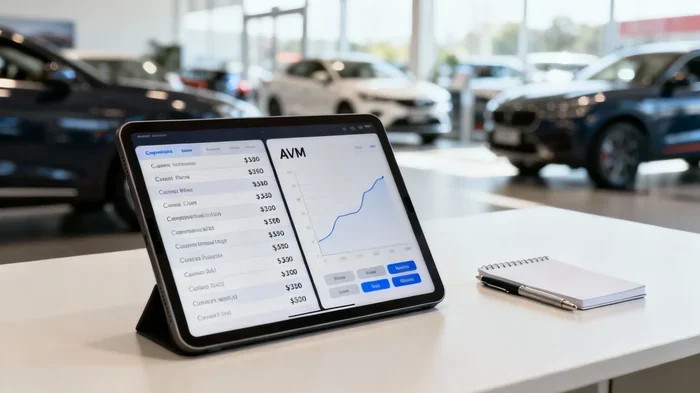
The fastest way to see your car’s value is through online tools. These instant car valuation platforms use real market data to give you an estimate. They are free, easy to use, and surprisingly accurate.
Here are the most popular and trusted options you can try right now:
- Kelley Blue Book (KBB): One of the most trusted car pricing guides in the industry. You enter your car details and get a range of values including trade-in, private party, and dealer retail.
- Edmunds: Offers a detailed vehicle valuation that includes total cost of ownership data. Great for seeing what the car will cost to own over time.
- Black Book: Popular among dealers. It focuses on wholesale and trade-in values, making it ideal for quick trade-in value estimates.
- CARFAX Vehicle Value: Combines vehicle history report data with pricing. This gives you a more personalized estimate based on your car’s actual history.
- AutoTrader Instant Estimate: Uses real listing data from AutoTrader to estimate current market value.
Each tool has its strengths. KBB and Edmunds are great for a broad overview. Black Book excels at trade-in numbers. CARFAX adds a history layer that others skip. For the best result, try at least two tools and compare the numbers. This gives you a car valuation range that is hard to argue with.
What Information You Need Before You Start
Before you use any online tool, gather a few key pieces of information. This makes the process fast and smooth. Here is what you will need:
- Vehicle Identification Number (VIN): This 17-character code is unique to your car. You can find it on the dashboard near the windshield or on your door jamb sticker.
- Year, Make, and Model: The basics. Double-check for any trim levels or special editions that might affect value.
- Current Mileage: This is a big factor. Be honest and accurate.
- Condition Details: Note any scratches, dents, mechanical issues, or recent repairs. Be objective here.
- Service Records: If you have them, these boost your car’s perceived value significantly.
Having all this ready means you can get your car worth estimator results in under ten minutes. No guesswork, no waiting.
Understand the Factors That Drive Your Car’s Price
Online tools give you a number, but they do not always explain why that number is what it is. Understanding the factors behind your car valuation helps you make smarter decisions.
Mileage and Its Impact
Mileage is one of the biggest factors in determining your car’s value. Lower mileage almost always means a higher price. The average American drives about 13,000 miles per year. A car with below-average mileage will typically score higher on any car valuation tool.
However, mileage alone does not tell the full story. A car with 80,000 miles that was well-maintained can be worth more than one with 40,000 miles that was neglected. This is where your service records and vehicle condition come into play.
Vehicle Condition and Appearance
Your car’s condition matters more than most people realize. When you ask how can I see the value of my car, the condition is the variable you have the most control over. Here are the main condition categories used by most valuation tools:
- Excellent: No visible flaws, all features work perfectly, interior and exterior look like new.
- Good: Minor cosmetic issues, everything still functions well, normal wear and tear.
- Fair: Noticeable wear, some mechanical or cosmetic issues, but still runs and drives safely.
- Poor: Significant damage or mechanical problems, needs repairs to be roadworthy.
Be honest when you rate your car. Overestimating your condition leads to unrealistic price expectations. This is a common mistake that hurts sellers and confuses buyers.
Local Market Trends and Location
Your location affects your car’s value more than you might think. A truck in Texas might be worth more than the same truck in New York. A convertible in California has higher demand than in Minnesota. These comparable sales patterns shift the price based on what buyers in your area are willing to pay.
Some online tools let you adjust for your zip code or city. This local car pricing guide data gives you a more accurate number than a national average. Always check if the tool you use includes local market adjustments.
Get a Professional Car Appraisal
Online tools are fast and free, but they have limits. A professional car appraisal gives you a much deeper and more detailed look at your vehicle’s value. This is especially important for high-value cars, classic vehicles, or cars with unusual features.
When Should You Get a Professional Appraisal?
Not every car needs a professional appraisal. But there are clear situations where it makes sense:
- You own a classic car, rare model, or collector vehicle.
- You are going through a divorce and need an official valuation for property division.
- You are settling an estate and need documented value for tax or legal purposes.
- You are considering selling a luxury or high-end vehicle and want to maximize your return.
- Your online estimates vary widely and you need a neutral third-party opinion.
A professional appraiser will inspect your car inside and out. They check the mechanical condition, body work, interior, and documentation. Then they compare your vehicle to comparable sales in your region. The result is a formal report that carries real weight with buyers, dealers, and insurance companies.
How Much Does an Appraisal Cost?
Most professional appraisals cost between $100 and $300. Some dealers offer free appraisals, but these may not be as thorough. Independent certified appraisers usually provide the most unbiased and detailed results. The cost is small compared to the value it adds, especially for cars worth over $10,000.
Compare Trade-In Value vs. Private Party Value
One of the most important things to understand is the difference between trade-in value and private party value. These are two very different numbers, and knowing the difference saves you money.
| Value Type | What It Means | Typical Range | Best For |
|---|---|---|---|
| Trade-In Value | What a dealer offers to take your car | Lower end of range | Quick sale, buying a new car from same dealer |
| Private Party Value | What an individual buyer would pay | Middle to upper range | Selling to a private buyer |
| Dealer Retail Value | What a dealer would sell the car for | Highest end of range | Understanding what dealers charge |
| Certified Pre-Owned Value | Value of a manufacturer-certified used car | Above trade-in, below retail | Buying a used car with warranty |
As you can see, trade-in value is the lowest. Dealers need to make a profit, so they offer less than what your car is worth on the open market. Private party value is higher because you skip the middleman. But selling privately takes more time and effort.
If you want the fastest route, trade-in is the way to go. If you want the most money, private party sale wins. Knowing both numbers gives you leverage in any negotiation.
Common Mistakes That Lower Your Car’s Value
Avoiding mistakes is just as important as knowing the right steps. Here are the most common errors people make when trying to determine their car’s value:
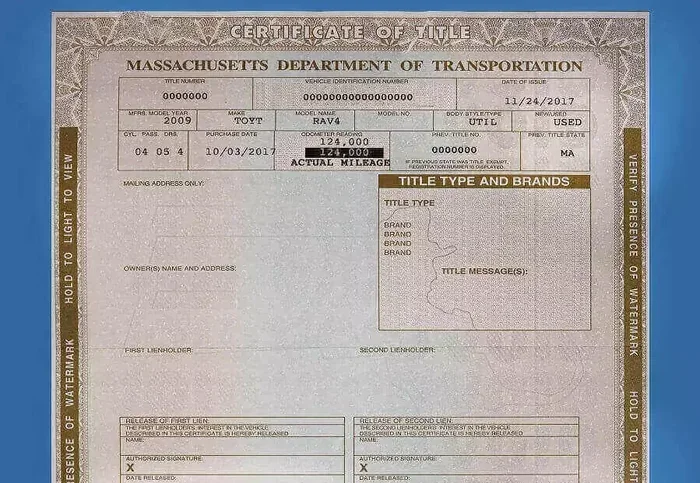
- Skipping the vehicle history report: A car with a salvage title or accident history is worth significantly less. Always check CARFAX or AutoCheck before pricing.
- Ignoring local market data: National averages do not reflect your local demand. A car that sells fast in one state might sit for months in another.
- Overrating your car’s condition: Be brutally honest. Small issues add up and buyers will notice them.
- Using only one valuation tool: Every tool uses slightly different data. Comparing at least two gives you a more accurate range.
- Ignoring recent service and repairs: New tires, fresh oil, and recent repairs can boost your value. Make sure to include these in your description.
- Not cleaning the car before valuation: A dirty car looks worse than it is. A thorough cleaning can improve both your estimate and your actual sale price.
These mistakes are easy to avoid. A little extra effort goes a long way toward getting the most accurate car valuation possible.
Quick Tips to Maximize Your Car’s Value
Want to get the best price when you sell or trade in? Follow these quick tips:
- Get a full detailing: A clean car always looks more valuable. Interior and exterior details can add hundreds to your price.
- Gather all documentation: Service records, receipts, and the title all build buyer confidence.
- Fix minor issues: Replace burnt-out bulbs, fix small dents, and address any warning lights. Small fixes have a big return on investment.
- Check your vehicle identification number for accuracy: Make sure all details match your actual car when using online tools.
- Time your sale right: Sell convertibles in spring, SUVs in fall, and sedans year-round. Seasonal demand affects resale value.
- Know your numbers before negotiating: Walk into any sale or trade-in conversation armed with your car pricing guide data.
These simple steps make a real difference. They show buyers and dealers that you have done your homework. That confidence translates into better offers.
Final Thoughts on Seeing Your Car’s Value
So, how can I see the value of my car? The answer is simpler than you might have thought. You can use free online tools, check comparable sales, understand the factors that drive price, and even get a professional appraisal if needed. The key is to use multiple methods and always be honest about your car’s condition.
Your car’s market value is not a fixed number. It shifts with the market, your local area, and the specific condition of your vehicle. But by following the steps in this guide, you will have a clear, well-supported number that you can trust. Use that number to sell smarter, negotiate better, and make confident decisions about your vehicle.
Take five minutes today. Grab your VIN, run it through a couple of valuation tools, and see what your car is really worth. You might be surprised. And if the number is higher than you expected, that is great news. If it is lower, now you know exactly where you stand and can take steps to improve it.
Knowledge is power when it comes to your car’s value. Use it wisely, and you will always get the best deal possible.
Frequently Asked Questions
What is the fastest way to see my car’s value?
The fastest way is to use an online car valuation tool like Kelley Blue Book or Edmunds. You enter your car details and get an instant estimate. Most tools take less than five minutes to use.
Is an online car valuation accurate?
Online tools are surprisingly accurate for most standard vehicles. They use real market data and comparable sales. However, the estimate is a range, not an exact number. Your car’s final price depends on its actual condition and local demand.
What is the difference between trade-in value and private party value?
Trade-in value is what a dealer offers to take your car, and it is usually lower. Private party value is what an individual buyer would pay, and it is typically higher. The difference is the dealer’s profit margin.
Does mileage really affect my car’s value that much?
Yes, mileage is one of the biggest factors in car depreciation. Lower mileage generally means a higher price. But maintenance history matters just as much. A well-kept high-mileage car can be worth more than a neglected low-mileage one.
Should I get a professional appraisal before selling my car?
It depends on your car’s value and type. For standard vehicles under $15,000, online tools are usually enough. For classic cars, luxury vehicles, or cars over $20,000, a professional car appraisal gives you a stronger negotiating position and a documented value.
How often should I check my car’s value?
It is smart to check your car’s value at least once a year. Values change with market trends, mileage, and condition. Checking regularly helps you spot drops early and make better decisions about selling, trading, or keeping your car.
=== CONCLUSION ===
Understanding how can I see the value of my car is one of the most useful skills any car owner can have. You now know the best online tools, the key factors that drive price, and the common mistakes to avoid. Use instant car valuation tools to get started, dig deeper with comparable sales data, and consider a professional car appraisal for high-value vehicles. With this knowledge, you are ready to make smart, confident decisions about your car’s worth. Take action today and see what your vehicle is truly worth.