How Do I Find the Exact Color of My Car Right Now
Finding the exact color of your car is easier than you think. You can use your VIN number, check the paint code sticker, or even match the color visually with a chart. Whether you need a touch-up for a scratch or want to sell your car, knowing the exact factory color saves time and money. This guide walks you through every method step by step.
Have you ever looked at your car and wondered, “What color is this exactly?” Maybe you need a touch-up for a scratch. Maybe you are selling your car and the listing needs the right details. Or perhaps you just want to know the official name of your car’s shade. Whatever the reason, finding your car’s exact color is a simple process once you know where to look.
In this guide, we will walk you through every method you can use. From your VIN number to paint code stickers, we cover it all. You will learn how to identify car paint codes, match factory colors, and even use apps to get the job done. By the end, you will know your car’s color down to the shade name.
Let us get started. No guesswork. No frustration. Just clear, easy steps that anyone can follow.
Key Takeaways
- Check the paint code sticker: It is usually found on the driver’s side door jamb or under the hood.
- Use your VIN number: The 17-digit code reveals your car’s original factory color and trim level.
- Try online color lookup tools: Many websites let you enter your VIN or paint code for instant results.
- Visit a dealership: They can pull up your car’s color info using the VIN in their system.
- Use a color matching app: Smartphone apps can help identify paint shades from a photo.
- Always verify with multiple sources: Cross-check your paint code, VIN, and visual match for accuracy.
- Order touch-up paint with the code: This ensures a perfect match for small repairs.
📑 Table of Contents
- Why Finding Your Car’s Exact Color Matters
- Method 1: Check the Paint Code Sticker
- Method 2: Use Your VIN Number
- Method 3: Contact Your Car Dealership
- Method 4: Use Online Color Lookup Tools
- Method 5: Use a Color Matching App
- Method 6: Compare with a Car Color Chart
- Common Mistakes to Avoid
- What to Do Once You Have Your Paint Code
- How Color Codes Work Across Brands
- Does Your Car Color Affect Resale Value?
- Final Thoughts
Why Finding Your Car’s Exact Color Matters
You might think knowing your car color is just a fun fact. But it is actually very practical. Here are some real reasons why vehicle color identification matters.
Resale Value and Listings
When you sell your car, buyers want accurate details. Listing the wrong color can make your ad look unprofessional. It can also lead to questions and delays. When you know the exact factory color, your listing looks trustworthy and complete.
Scratch Repairs and Touch-Ups
A small scratch can ruin your car’s look. But fixing it is easy if you have the right touch up paint. You just need the car paint code. Without it, you might buy the wrong shade and end up with a visible patch.
Insurance and Warranty Claims
Some insurance claims and warranty work require you to prove the original color. Having your paint code ready speeds up the process. It shows you know your vehicle inside and out.
Custom Paint Projects
Planning a custom paint job? You need to know the base color first. A color matching system works best when you start with the factory shade. This ensures your custom work blends perfectly.
Method 1: Check the Paint Code Sticker
This is the fastest and most reliable way to find your car’s color. Every vehicle has a paint code sticker placed by the manufacturer. It contains the official color name and code.
Where to Find the Paint Code Sticker
The sticker location varies by car brand. Here are the most common spots:
- Driver’s side door jamb: Open the driver’s door and look on the frame. Most cars have a sticker or plate there.
- Under the hood: Check the inner fender or the firewall. Many manufacturers place it near the engine bay.
- On the dashboard: Look near the bottom of the windshield on the driver’s side.
- Inside the glove box: Some brands put the sticker on the glove box door or inside the door panel.
- Trunk or hatch area: Check the lid or the frame near the rear.
What the Sticker Looks Like
The sticker usually has a mix of numbers and letters. The paint code is often a short combination like “WA887” or “LY9P.” Next to it, you will see the color name, such as “Super White” or “Midnight Black.” Write both down. You need the code for ordering paint and the name for records.
Quick Tip: Take a photo of the sticker with your phone. This way, you always have it saved. You will never need to search for it again.
Method 2: Use Your VIN Number
Your VIN (Vehicle Identification Number) is a 17-character code unique to your car. It holds a lot of information, including your vehicle’s original factory color.
Where to Find Your VIN
You can find your VIN in several places:
- Dashboard: Look through the windshield on the driver’s side. The VIN plate is usually visible from outside.
- Driver’s side door jamb: Open the door and check the sticker. The VIN is often listed there.
- Car registration or title: Your paperwork will have the VIN printed on it.
- Insurance documents: Your policy also lists the VIN.
How to Decode the VIN for Color Info
The VIN itself does not spell out the color directly. But you can use it to look up your car’s details. Many online tools and dealership systems accept your VIN and return the vehicle color identification data. This includes the factory paint name, code, and trim level.
Here is how to do it:
- Write down your full 17-digit VIN.
- Go to a trusted automotive paint code lookup website.
- Enter your VIN in the search bar.
- Review the results. You will see the color name and code.
Quick Tip: Always double-check the VIN for typos. One wrong digit gives you the wrong result. Take your time and enter it carefully.
Method 3: Contact Your Car Dealership
If you prefer a human touch, your local dealership can help. They have access to manufacturer databases that store every detail about your car.
What You Need
- Your VIN number
- Your car’s make, model, and year
- A photo ID for verification
How the Process Works
Call or visit the dealership’s parts department. Give them your VIN. They will pull up your vehicle’s record. The record includes the original factory color, the paint code, and sometimes even the body type and trim. This method is very accurate because it comes straight from the manufacturer’s system.
Expert Insight: Dealerships are often the best source for older cars. Even if your car is 10 or 15 years old, their database may still have the original color info on file.
Method 4: Use Online Color Lookup Tools
The internet makes auto paint matching easier than ever. Many websites offer free automotive paint code lookup services. You just enter your car’s details and get instant results.
Popular Tools You Can Try
- PaintCodeManager.com: Lets you search by make, model, and year.
- AutoZone’s Paint Code Finder: Enter your VIN or car details for quick results.
- AutomotiveTouchUp.com: Offers a VIN-based lookup and sells matching touch-up paint.
- Manufacturer websites: Brands like Ford, Toyota, and Honda have their own paint code tools.
Tips for Using Online Tools
- Always enter your car’s exact year. A 2015 model might have a different code than a 2016.
- Check the trim level. Different trims sometimes come in different colors.
- Compare results from at least two tools for accuracy.
Method 5: Use a Color Matching App
Smartphones are powerful tools for car color identification. Several apps let you take a photo of your car and get a color match in seconds.
Top Apps to Try
- ColorSnap by Sherwin-Williams: Originally for home paint, but it works well for car colors too.
- Color Grab: Captures the exact shade from a photo and gives you the color code.
- Automotive-specific apps: Some apps are built specifically for paint chip matching on vehicles.
How to Get the Best Results
- Take your photo in natural daylight. Avoid shadows and artificial lighting.
- Clean the area you are photographing first.
- Shoot the car straight-on for the most accurate reading.
- Take multiple photos from different angles.
Quick Tip: Apps are great for a quick guess, but they are not always 100% precise. Always cross-check the result with your paint code or VIN lookup. Use the app as a starting point, not the final answer.
Method 6: Compare with a Car Color Chart
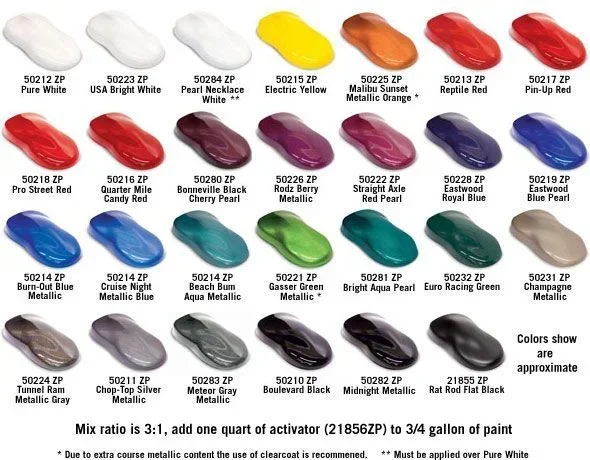
A car color chart is a physical or printed guide that shows all the standard colors a manufacturer offers. It is a simple but effective way to identify your car’s shade.
How to Use a Color Chart
- Find the chart for your car’s make and model. You can often download one from the manufacturer’s website.
- Look at the color swatches. Compare them to your car’s paint in good lighting.
- Note the color name and code that matches closest.
Where to Get a Color Chart
- Your car dealership’s parts department
- The manufacturer’s official website
- Auto parts stores
- Online forums for your specific car model
Common Mistake: Do not compare the chart in dim or yellow lighting. Always use bright, natural daylight. Indoor lighting can distort the color and lead to a wrong match.
Common Mistakes to Avoid
Finding your car’s color sounds simple, but people make mistakes all the time. Here are the ones to watch out for.
Relying Only on the Color Name
Car manufacturers use creative color names. “Radiant Silver Metallic” and “Silver Ice Metallic” might look similar but have different codes. Always go by the paint code, not just the name.
Ignoring the Trim or Package
Some cars come in different colors depending on the trim level. A base model might be white, while the premium trim is pearl white. Always include your trim in your search.
Using an Old or Faded Reference
Sun damage and weathering can change how your car’s color looks. The original factory shade might be slightly different from the current faded surface. Use the paint code to get the true original color.
Skipping the Verification Step
Never trust just one source. Always verify your color code with at least two methods. A quick cross-check saves you from buying the wrong paint or listing the wrong color.
What to Do Once You Have Your Paint Code
Now that you know your car color code, what can you do with it? Here are the best uses:
- Order touch-up paint: Buy a small bottle of matching paint for scratches and chips. Most auto parts stores let you order by paint code.
- Get a professional paint match: Take the code to a body shop. They use it to mix the exact shade you need.
- Update your car listing: When selling, include the official color name and code. It adds credibility to your ad.
- Plan a wrap or custom job: If you want to change your car’s look, start with the factory color as your base reference.
Quick Tip: Keep your paint code in a safe place. Save it in your phone, write it on your registration, or tape it inside your glove box. You never know when you will need it again.
How Color Codes Work Across Brands
Every car manufacturer uses its own system for automotive color standards. Here is a quick look at how the major brands organize their codes.
| Brand | Code Format | Example | Where to Find |
|---|---|---|---|
| Ford | Letter + Number | WA887 | Driver’s door jamb |
| Toyota | Number | 040 | Under the hood or door jamb |
| Chevrolet | Letter + Number | 96C | Driver’s door jamb sticker |
| Honda | Number | NH503-5 | Door jamb or glove box |
| Nissan | Letter + Number | K-921 | Under the hood or door jamb |
As you can see, the format varies. But the process to find it is the same for every brand. Look for the sticker, read the code, and use it to get your match.
Does Your Car Color Affect Resale Value?
You might be surprised to learn that car color plays a role in resale. Neutral colors like white, black, silver, and gray tend to sell faster. They appeal to the widest range of buyers. Bold or niche colors might limit your audience.
When you know the exact factory color of your car, you can list it with confidence. Buyers trust accurate listings. They are more likely to reach out and schedule a viewing. So knowing your color is not just about aesthetics. It is also a smart sales move.
Expert Insight: According to automotive studies, cars in white, black, and silver tend to hold their value better than rarer colors. If you are thinking about selling, keep this in mind when choosing touch-up paint or planning a custom job.
Final Thoughts
Finding the exact color of your car does not have to be hard. You have many tools at your fingertips. From the paint code sticker on your door jamb to online VIN lookups, the answer is always within reach.
Start with the paint code sticker. It is the most direct and accurate source. Then verify with your VIN or a dealership. Use apps and color charts as helpful extras. Always cross-check for the best results.
Once you have your car paint code, you can do so much more. Order touch-up paint. Sell your car with confidence. Plan a custom project. The possibilities are wide open.
Take a few minutes today to find your car’s color. Write it down. Save it on your phone. You will be glad you did the next time you need it.
Frequently Asked Questions
Can I find my car color for free?
Yes, you can. Most methods described in this guide are completely free. You can check the paint code sticker on your car, use online VIN lookup tools, or contact your dealership at no cost. Even color matching apps are typically free to download and use.
What if my paint code sticker is faded or missing?
Do not worry. You still have options. You can use your VIN number to look up the color online. You can also visit your dealership with your VIN and they can pull the info from their system. As a last resort, a color matching app or a paint chart comparison can give you a close estimate.
Is the paint code the same as the color name?
No, they are different. The paint code is a short combination of letters and numbers assigned by the manufacturer. The color name is the marketing name they give the shade. Always use the paint code for ordering touch-up paint or for accurate records, as the name alone can be confusing.
Can two different car models share the same paint code?
Yes, they can. Many manufacturers reuse paint codes across different models and even brands. However, the code is tied to a specific manufacturer’s system. Always look up your code using your exact make, model, and year to ensure the right match.
How accurate are color matching apps?
Color matching apps are a great starting point but not always 100% accurate. Lighting conditions, phone camera quality, and screen settings can affect the result. Use the app to narrow down your search, then verify the result with your paint code or VIN lookup for certainty.
Will my car’s color change over time?
The factory paint can fade or oxidize over the years due to sun exposure and weather. However, the paint code on your vehicle never changes. It always refers to the original factory color. This is why using the code is more reliable than trying to match the current faded appearance.
=== CONCLUSION ===
Knowing how to find the exact color of your car is a skill that pays off in many ways. Whether you need a touch-up, want to sell your vehicle, or just like to know the details of your ride, the methods in this guide give you everything you need. Start with the paint code sticker. Verify with your VIN. Cross-check with a dealership or online tool. And always keep your code saved for the future.
Your car’s factory color is part of its identity. Now you have the tools to identify it with confidence. Go ahead and find your color today. It takes just a few minutes, and the result is worth it.