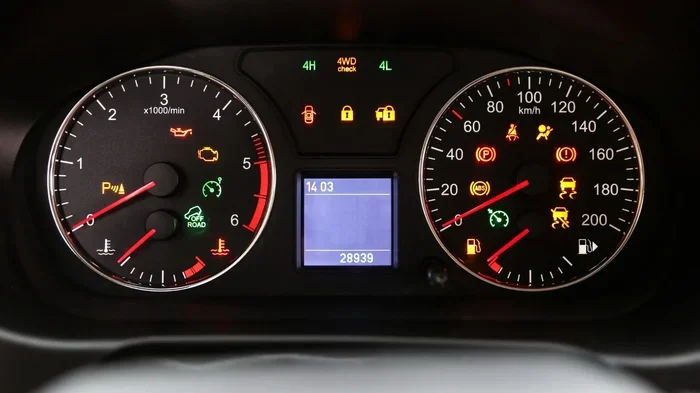
Car Wont Start but Lights Come On Fix Guide That Helps
A car that won’t start but lights come on usually points to a weak battery, bad starter motor, or faulty ignition switch. This guide walks you through every possible cause with clear fixes you can try at home. Learn how to diagnose the problem quickly and save money on costly mechanic visits.
You turn the key or push the start button. The dashboard lights up bright. Your radio still works. But the engine refuses to turn over. It is one of the most frustrating feelings in the world. You know your car won’t start but lights come on, and you have no idea why.
This exact problem happens to millions of drivers every year. The good news is that it is almost always fixable. The dashboard lights coming on tells you something important. Your electrical system has partial power. That means the problem is likely isolated to one specific component. This guide will walk you through every possible cause. You will learn how to diagnose the issue and fix it yourself in most cases.
Whether you are dealing with a dead battery, a faulty starter motor, or something else entirely, we have you covered. Let us get into it and get your car running again.
Key Takeaways
- Dashboard lights working doesn’t mean your battery is healthy: A weak battery can still power lights but not start the engine.
- The starter motor and solenoid are the most common culprits: A clicking noise when you turn the key often points to these parts.
- Corroded battery terminals can block the connection: A simple cleaning fix might solve the whole problem.
- Ignition switch and neutral safety switch failures are sneaky: They mimic battery problems but need different repairs.
- You can test most causes yourself with a multimeter: No fancy tools needed for basic diagnostics.
- Parasitic draw slowly drains your battery overnight: This hidden issue causes intermittent no-start problems.
- Knowing the root cause saves you hundreds in repair costs: DIY fixes are often simple and quick.
📑 Table of Contents
- Why Your Car Lights Work But Engine Won’t Turn Over
- Common Causes for Car Won’t Start but Lights Come On
- How to Diagnose the Exact Problem
- Quick Fixes You Can Try Right Now
- Comparison Table: Common Causes and Costs
- Expert Insights on Preventing No-Start Problems
- Common Mistakes People Make When Their Car Won’t Start
- When to Call a Professional Mechanic
- Final Thoughts
Why Your Car Lights Work But Engine Won’t Turn Over
Understanding the basics helps a lot. When you turn your key to the “on” position, power flows to your dashboard lights, radio, and interior lights. This happens through the battery. It does not require a lot of energy. But starting the engine needs a huge burst of power. That power comes from the same battery but goes through different paths.
The starter motor is what cranks the engine. It needs a strong, direct electrical connection. If that connection is weak or broken, the engine stays silent. But your lights still glow because they need far less power. Think of it like a water hose. A small leak might not affect a trickle. But it can stop a heavy rush of water.
Here are the main systems involved when your car won’t start but lights come on:
- Battery: Stores and delivers electrical power.
- Starter Motor: Cranks the engine to start it.
- Solenoid: Acts as a switch that sends power to the starter.
- Ignition Switch: Controls which systems get power when you turn the key.
- Neutral Safety Switch: Prevents starting unless the car is in park or neutral.
- Fuel System: Delivers fuel to the engine for combustion.
- Security System: Can block starting if it detects a problem.
When any one of these parts fails, you can get the classic symptom. Lights work. Engine does not. Let us break down each possible cause in detail.
Common Causes for Car Won’t Start but Lights Come On
1. Weak or Dying Battery
A weak car battery is the number one cause of this problem. Your battery might still have enough charge to light up your dashboard. But it cannot deliver the massive current needed to crank the engine. This usually happens when the battery is old or has been drained.
Cold weather makes this worse. Batteries lose strength in low temperatures. If your car sat for a long time, the battery may have drained too far. A battery tester can tell you the voltage. A healthy battery reads around 12.6 volts. Anything below 12.0 volts is weak. Below 11.5 volts and you likely have a dead battery on your hands.
Quick tip: If you hear a rapid clicking sound when you turn the key, the battery is probably your issue. The starter is trying to engage but does not have enough power.
2. Corroded or Loose Battery Terminals
Sometimes the battery itself is fine. But the connection is bad. Corroded battery terminals look like white or greenish crusty buildup on the metal connectors. This buildup blocks electricity from flowing properly. Your lights get enough power through the thin wires. But the starter motor needs a thick, direct connection that corrosion can block.
Loose terminals cause the same problem. If the clamp is not tight, the connection is intermittent. You might get lights and radio one moment and nothing the next. This is one of the easiest fixes you can do yourself.
To fix this, disconnect the battery cables and clean the terminals with a wire brush. You can also use a baking soda and water solution to dissolve the corrosion. Tighten the clamps back securely and try starting again.
3. Faulty Starter Motor
The starter motor is a small but powerful electric motor. It engages with the engine flywheel to crank it over. When the starter goes bad, you get silence or a single loud click. The lights still work because they are on a separate circuit. The starter failure does not affect them.
Starter motors wear out over time. They typically last 100,000 miles or more. But heat, moisture, and general wear can kill them early. If you tap the starter with a hammer while someone turns the key, and the engine starts, the starter is likely your problem. This is a classic trick that mechanics use for diagnosis.
Replacing a starter motor costs between $200 and $450 for parts and labor. It is a common repair that most shops can do in an hour or two.
4. Bad Starter Solenoid
The solenoid sits on top of the starter motor. It acts as an electrical relay. When you turn the key, the solenoid sends a heavy electrical current to the starter. If the solenoid fails, the starter never engages. You might hear a single click or nothing at all.
A bad solenoid often mimics a bad starter. The symptoms look identical. The difference is that the solenoid is a smaller, cheaper part. Replacing just the solenoid can save you money compared to replacing the whole starter assembly.
5. Failing Ignition Switch
The ignition switch controls the flow of electricity when you turn your key. It has several positions. Each position powers different systems. When the switch wears out, it might still send power to your dashboard lights. But it fails to send power to the starter circuit.
This problem is more common in older vehicles. But it can happen in newer cars too. Signs of a bad ignition switch include:
- The key feels loose or wiggles in the ignition.
- The car stalls unexpectedly while driving.
- You need to wiggle the key to get it to start.
- Dashboard lights flicker when you turn the key.
Ignition switch replacement typically costs $150 to $300. It is a straightforward repair for a qualified mechanic.
6. Neutral Safety Switch Problems
The neutral safety switch prevents your car from starting unless the transmission is in park or neutral. If this switch fails, your engine will not crank even though everything else works. This is a common issue on automatic transmission vehicles.
Try this quick test. Shift your gear into neutral and try starting the car. If it starts in neutral but not in park, the neutral safety switch is likely the culprit. The fix involves adjusting or replacing the switch. It is an inexpensive part and a relatively simple job.
7. Security System or Immobilizer Issues
Modern cars have anti-theft systems that can prevent starting. If your security system detects a problem with the key or key fob, it may block the engine from cranking. The dashboard lights will still come on because they are not part of the immobilizer circuit.
A weak key fob battery is a common cause of this issue. The car cannot read the fob properly and refuses to start. Try replacing the battery in your key fob first. It costs just a few dollars and solves the problem more often than you would think.
Some vehicles show a security warning light on the dashboard when this happens. If you see a lock icon or a car icon with a key symbol, the immobilizer is active. Check your owner’s manual for specific reset procedures.
How to Diagnose the Exact Problem
Knowing what to check saves you time and money. Follow these steps in order to narrow down the cause of your car won’t start but lights come on issue.
Step 1: Check the Dashboard Warning Lights
When you turn the key to the “on” position, look at all the warning lights. Do they all light up normally? If some are dim or missing, your battery connection might be weak. If all lights are bright, move to the next step.
Step 2: Listen Carefully When You Turn the Key
What do you hear? No sound at all? A single click? Rapid clicking? Each sound tells a different story:
- No sound at all: Points to ignition switch, neutral safety switch, or a completely dead circuit.
- Single loud click: Suggests a bad starter motor or solenoid.
- Rapid clicking: Almost always a weak battery.
- Whirring or grinding: The starter is engaging but not cranking the engine properly.
Step 3: Test the Battery Voltage
Use a multimeter to check your battery voltage. Set it to DC voltage. Touch the red probe to the positive terminal and the black probe to the negative terminal. A reading of 12.6 volts or higher means the battery is good. Anything below 12.0 volts means the battery is weak and needs charging or replacement.
Have someone try to start the car while you watch the voltage. If it drops below 10 volts during the start attempt, the battery cannot handle the load. This confirms a battery problem.
Step 4: Inspect the Battery Terminals
Look at the battery terminals closely. Do you see any white, blue, or greenish buildup? Are the cable clamps tight? Even a tiny bit of corrosion can prevent enough current from reaching the starter. Clean the terminals and make sure the connections are snug.
Step 5: Check for Parasitic Draw
A parasitic draw happens when something in your car continues to drain the battery after you turn it off. Common causes include leaving a dome light on, a faulty relay, or a defective aftermarket accessory. Over days or weeks, this slowly drains the battery until it cannot start the car.
To test for parasitic draw, you need a multimeter set to measure amps. Disconnect the negative battery terminal and place the multimeter in series between the terminal and the cable. A normal parasitic draw is less than 50 milliamps. Anything higher indicates a drain that needs to be tracked down.
Quick Fixes You Can Try Right Now
Before you call a mechanic or buy expensive parts, try these quick fixes. Many drivers have solved their car won’t start but lights come on problem with these simple steps.
Try a Jump Start
The fastest way to confirm a battery issue is to jump-start the car. If the engine starts right up with jumper cables or a portable jump starter, your battery is the problem. Drive the car for at least 20 minutes to recharge the battery. Then try starting it again on its own.
Wiggle the Key or Key Fob
If your car uses a key fob with a physical key backup, try inserting the physical key and turning it. This bypasses the fob’s battery and can help you determine if the immobilizer is the issue.
Shift Between Park and Neutral
Move the gear shift to neutral and try starting again. Then try park. This simple test can reveal a neutral safety switch problem instantly.
Tap the Starter Motor
Have someone turn the key while you gently tap the starter motor with a wrench or hammer. This can free a stuck starter engagement mechanism. If the car starts after tapping, you need a new starter.
Check All Fuses
Blown fuses can interrupt the starter circuit. Check your fuse box for any blown fuses related to the ignition or starter. Replacing a fuse is free and takes two minutes.
Comparison Table: Common Causes and Costs
| Problem | Symptoms | DIY Fixable? | Repair Cost |
|---|---|---|---|
| Weak Battery | Rapid clicking, dim lights when turning key | Yes, jump start or replace | $50-$150 |
| Corroded Terminals | Intermittent starting, visible buildup | Yes, clean and tighten | $0-$10 |
| Bad Starter Motor | Single click, no cranking | No, needs professional help | $200-$450 |
| Bad Solenoid | Single click, no engagement | Yes, with basic tools | $50-$150 |
| Failing Ignition Switch | Key wiggles, stalling, flickering lights | No, requires mechanic | $150-$300 |
| Neutral Safety Switch | Starts in neutral but not park | Yes, adjustment or replace | $50-$200 |
| Security System Issue | Lock icon on dash, no crank | Yes, replace key fob battery | $5-$20 |
| Parasitic Draw | Battery dies overnight or after sitting | Yes, with multimeter | Varies by cause |
Expert Insights on Preventing No-Start Problems
Experienced mechanics see this problem constantly. Here is what the pros want you to know.
Keep your battery clean and tight. A simple terminal cleaning every six months can prevent most connection issues. Use a wire brush and a baking soda solution. Apply dielectric grease after cleaning to prevent future corrosion.
Replace your battery before it dies completely. Most car batteries last 3 to 5 years. If yours is approaching that age, have it tested at an auto parts store. Most stores test batteries for free. Catching a weak battery early saves you from being stranded.
Don’t ignore warning signs. If your car is slow to start or the engine cranks weakly, those are early signals. Address them before they become a full no-start situation. A little prevention goes a long way.
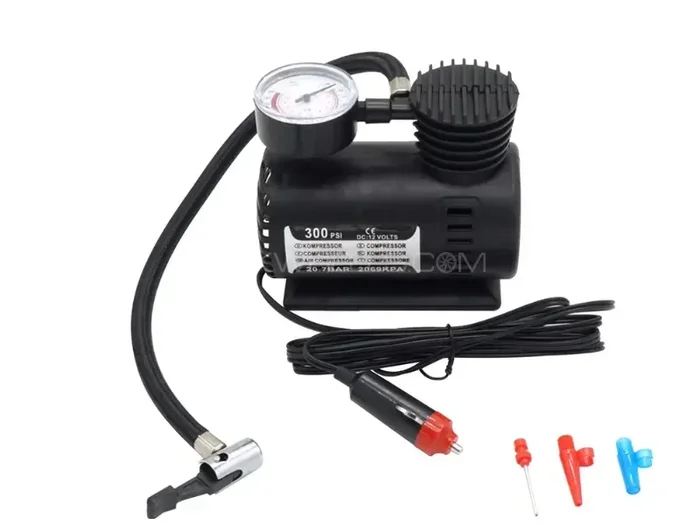
Keep a portable jump starter in your trunk. It is a small investment that can save you from a roadside tow. Modern jump starters are compact and can fit in your glove box. They cost $50 to $100 and work for years.
Common Mistakes People Make When Their Car Won’t Start
Avoid these mistakes that make the problem worse or waste your time:
- Assuming it is always the battery: The lights coming on tricks people into thinking the battery is fine. It is not that simple.
- Continuously turning the key: Holding the key in the start position for more than 10 seconds can overheat the starter. Wait at least 30 seconds between attempts.
- Ignoring the key fob battery: A dead fob battery mimics serious electrical problems. Always check this first on keyless start vehicles.
- Neglecting the neutral safety switch: Many people overlook this simple switch and spend money on unnecessary repairs.
- Using the wrong size battery: Installing a battery with the wrong cold cranking amps can cause starting problems, especially in cold weather.
When to Call a Professional Mechanic
Most of the causes we covered can be diagnosed at home. But some situations call for a professional. If you have checked the battery, terminals, and fuses and the car still will not start, it is time to see a mechanic. Electrical problems can be complex. A professional diagnostic tool can read error codes from your car’s computer that point to the exact issue.
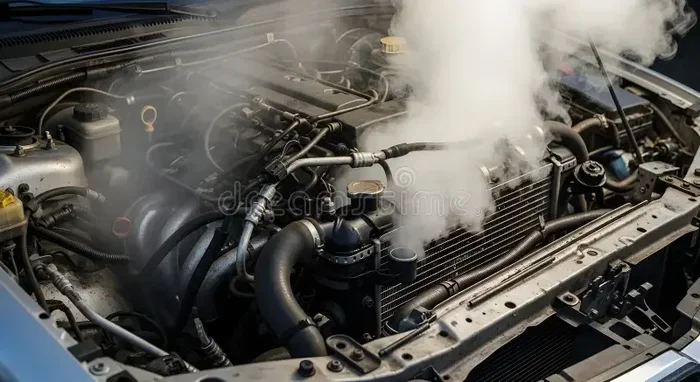
Also call a professional if you smell burning plastic or see smoke under the hood. These are signs of a serious electrical short that needs immediate attention. Do not keep trying to start the car in this situation. It could cause further damage or even a fire.
A good mechanic will charge a diagnostic fee of $50 to $100. This fee often applies toward the repair if you have the work done at the same shop. It is worth the investment to get a proper diagnosis instead of guessing and replacing parts that are not the problem.
Final Thoughts
Dealing with a car won’t start but lights come on situation is stressful. But it is also very solvable. The fact that your lights work is actually good news. It tells you your battery has some charge and your electrical system is partially functional. This narrows down the possible causes significantly.
Start with the simple checks. Test the battery voltage. Clean the terminals. Try a jump start. Check the fuses. These steps solve the problem more often than most people realize. If those do not work, move on to testing the starter motor, solenoid, and ignition switch.
Remember that prevention is your best tool. Regular battery maintenance, timely replacements, and keeping an eye on warning signs will help you avoid this frustrating situation in the future. Keep a basic toolkit and a portable jump starter in your car. They can turn a bad day into a minor inconvenience.
The next time your car refuses to start but the lights come on, do not panic. You now have the knowledge to diagnose and fix the problem. You are ready. Go get that car started.
Frequently Asked Questions
Can a bad alternator cause my car not to start even though the lights work?
Yes, a failing alternator can indirectly cause this problem. The alternator charges your battery while the engine runs. If it has been failing for a while, your battery may have drained completely. When you try to start the car, the battery does not have enough charge. But the alternator is not involved in powering the dashboard lights at startup, so they still work.
How do I know if my starter motor is bad or my battery is bad?
A bad battery usually causes rapid clicking when you turn the key. A bad starter motor typically causes a single loud click or no sound at all. You can also test the battery voltage with a multimeter. If the voltage is above 12.4 volts but the car still won’t start, the starter is more likely the issue.
Is it safe to keep trying to start my car if it won’t turn over?
No, it is not safe to keep trying repeatedly. Each attempt draws heavy current from the battery and can overheat the starter motor. Wait at least 30 seconds between attempts. If the car does not start after three or four tries, stop and diagnose the problem instead of continuing to crank the engine.
Can a weak key fob battery cause a no-start condition?
Yes, absolutely. Many modern vehicles rely on the key fob’s signal to authorize starting. If the fob battery is weak, the car may not recognize the key and will refuse to start the engine. However, the dashboard lights will still come on because they operate independently of the immobilizer system. Replacing the fob battery is a quick and inexpensive fix.
How long does a car battery typically last before causing no-start problems?
Most car batteries last between 3 and 5 years. Extreme temperatures, short trips, and leaving accessories on can shorten this lifespan. If your battery is over 4 years old and you are experiencing starting problems, have it tested. A free battery test at most auto parts stores can tell you if it is time for a replacement.
What should I do if my car starts after tapping the starter but then stops working again?
This is a clear sign of a failing starter motor. Tapping it temporarily frees the stuck components, but the problem will return and get worse over time. Have the starter motor replaced as soon as possible. Driving with a failing starter increases the risk of being stranded somewhere with no warning.
=== CONCLUSION ===
A car that won’t start but lights come on is a common and solvable problem. The causes range from simple fixes like cleaning corroded terminals to replacing a worn starter motor. By following the diagnostic steps in this guide, you can identify the root cause and choose the right fix. Start with the easiest checks and work your way through the list. You will save time, money, and a lot of frustration. Keep your car maintained, keep jumper cables or a portable starter in your trunk, and you will be prepared for whatever comes your way.