Can I Drive My Car After It Overheats Here Is What To Do
Can I drive my car after it overheats? The short answer is no—driving an overheating car can cause severe engine damage. This guide explains exactly what to do, how to spot warning signs, and when it’s safe to get back on the road. You’ll learn simple steps to protect your vehicle and avoid costly repairs.
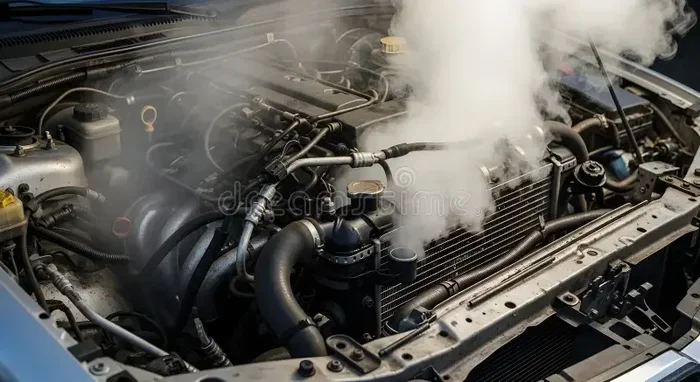
You’re cruising down the highway, and suddenly the temperature gauge spikes into the red. Steam curls from under the hood. Your heart sinks. The first thought that hits your mind is, “Can I drive my car after it overheats?” It’s a scary moment, and many drivers freeze. The truth is, pushing an overheating car even a few miles can turn a minor fix into a major engine rebuild. In this guide, I’ll walk you through exactly what to do, what not to do, and how to keep your engine safe. I’ll share real-world tips, common mistakes, and simple steps you can take right now. By the end, you’ll know whether it’s safe to drive and how to prevent this nightmare from happening again.
Overheating is your car’s way of screaming for help. The cooling system works hard to keep the engine at the right temperature. When something fails—like a leaky hose or a stuck thermostat—the heat builds up fast. Ignoring the overheating warning light or the rising temperature gauge can lead to engine damage that costs thousands. But sometimes, the situation isn’t as dire as it seems. If you act quickly and follow the right steps, you might be able to get home or to a shop without a total loss. Let’s break down the risks, the immediate actions, and the long-term fixes. This article covers everything you need to know about driving after your car overheats.
Key Takeaways
- Never ignore the temperature gauge: Driving while the engine is overheating can warp cylinder heads and blow head gaskets.
- Pull over safely and turn off the engine: This stops heat buildup and prevents further damage.
- Check coolant level and look for leaks: Low coolant is the most common cause of overheating.
- Wait for the car to cool before opening the radiator cap: Pressurized steam can cause serious burns.
- Call roadside assistance if you can’t fix the problem: Towing is cheaper than a new engine.
- Regular maintenance prevents overheating: Flush the coolant, inspect hoses, and replace the thermostat on schedule.
- Short, slow trips might be okay only if the temperature drops: But stop immediately if the gauge rises again.
📑 Table of Contents
Can I Drive My Car After It Overheats?
The direct answer is: it depends, but usually, you should not. Can I drive my car after it overheats? If the temperature gauge has just spiked and you’re still moving, the safest move is to pull over immediately. Continuing to drive can cause the engine block to crack, the head gasket to blow, or the pistons to seize. These repairs often cost more than the car itself. However, if you notice the overheating early and shut the engine off quickly, the damage might be minimal. The key is knowing the difference between a minor overheat and a serious one. I’ll explain the signs and what to do in each scenario.
When You Should Absolutely Stop Driving
There are clear danger signs that mean you must stop right away. If you see any of these, do not keep driving:
- Steam or smoke pouring from the hood: This means the coolant is boiling and could cause burns.
- The temperature gauge is in the red zone: Even if it drops slightly, the engine is already too hot.
- A loud knocking or pinging sound: This suggests the engine internals are expanding and rubbing against each other.
- Loss of power or the engine stalling: The heat is affecting combustion.
- The check engine light flashes: This is a critical warning.
When any of these happen, turn on the hazard lights, pull over to a safe spot, and shut off the engine. Open the hood carefully to let heat escape, but do not touch the radiator cap. Wait at least 15–20 minutes for the engine to cool before you check anything. This is the first rule of overheating car safety.
When It Might Be Safe to Drive a Short Distance
Sometimes, the temperature gauge just barely enters the red, and you’re only a few miles from home. In that case, you can proceed with extreme caution. Here’s what to do:
- Turn off the air conditioning immediately—the A/C puts extra load on the engine.
- Turn the heater to maximum. This helps pull heat away from the engine.
- Drive slowly, under 30 mph, and avoid hills.
- Watch the temperature gauge constantly. If it rises again, pull over.
- Stop every 5–10 minutes to let the engine cool down.
This approach buys you a small window to reach a repair shop. But remember, even a short drive can cause damage if the coolant level is critically low. Use this method only as a last resort. The best practice is to call roadside assistance and have the car towed.
What Happens When You Drive an Overheating Car
To understand why you shouldn’t drive an overheating car, it helps to know what’s happening inside the engine. The combustion process creates extreme heat—over 2,000 degrees Fahrenheit. The cooling system uses a mix of water and coolant to absorb that heat and carry it away through the radiator. When the system fails, the heat has nowhere to go. Here’s what can happen if you keep driving:
Engine Block Cracking
The engine block is made of metal, and metal expands when hot. If the temperature rises too high, the block can warp or crack. A cracked engine block means coolant leaks into the oil or cylinders, causing a messy and expensive repair. In many cases, the engine must be replaced entirely. This is the worst-case scenario for an overheating car.
Blown Head Gasket
The head gasket sits between the engine block and the cylinder head. It seals the combustion chambers and keeps coolant and oil separate. When the engine overheats, the gasket can fail. Signs of a blown head gasket include white smoke from the exhaust, milky oil, and constant overheating. Repairing a head gasket is labor-intensive and can cost anywhere from $1,000 to $2,500. It’s one of the most common car engine damage results of overheating.
Warped Cylinder Head
The cylinder head sits on top of the engine block. Extreme heat can cause it to warp, which ruins the seal. You’ll lose compression, and the engine will run poorly. In some cases, the head can be machined flat again, but often it needs to be replaced. This is another costly repair that stems directly from ignoring the overheating warning light.
Damaged Water Pump and Radiator
The water pump circulates coolant through the engine. When it overheats, the pump’s internal seals can fail. The radiator can also suffer from internal pressure buildup, leading to leaks. A failed water pump means the coolant won’t flow at all, making the overheating worse. Replacing a water pump or radiator is expensive but far cheaper than replacing an engine.
| Component | Damage from Overheating | Approximate Repair Cost |
|---|---|---|
| Engine Block | Cracking or warping | $3,000–$7,000 (engine replacement) |
| Head Gasket | Blows, leaks coolant into cylinders | $1,000–$2,500 |
| Cylinder Head | Warping, loss of compression | $500–$1,500 (machine or replace) |
| Water Pump | Seal failure, no coolant flow | $300–$750 |
| Radiator | Leaks, pressure damage | $300–$900 |
As you can see, the repair costs stack up fast. The best defense is to stop driving the moment you suspect overheating.
Immediate Steps to Take When Your Car Overheats
If you find yourself in an overheating car, your actions in the first few minutes matter. Follow these steps to protect yourself and the vehicle. This is a quick-reference guide you can save on your phone for emergencies.
Step 1: Pull Over Safely
Signal and move to the right shoulder or a safe parking area. Do not stop in traffic. Turn on your hazard lights. If you’re on a highway, exit at the next opportunity if possible. The goal is to get the car in a stable, safe location where you can assess the situation without being in danger.
Step 2: Turn Off the Engine
Shut the engine off immediately. This stops the combustion process and halts heat production. Do not just turn the key to accessory—turn it fully off. Let the engine idle for a few seconds if needed, but then kill it completely.
Step 3: Turn Off the A/C and Turn On the Heater
If you haven’t already, switch off the air conditioning. The A/C compressor adds load to the engine. Then, blast the heater to full heat and the highest fan speed. This redirects some of the engine’s heat into the cabin. It’s uncomfortable, but it can buy you a few minutes if you’re stuck in traffic and can’t pull over yet.
Step 4: Wait and Let the Engine Cool
Do not open the hood right away. The system is under pressure, and hot coolant can spray out and cause severe burns. Wait at least 15–20 minutes. Use this time to call for help or check your phone for a nearby mechanic. When you do open the hood, do it slowly and stand back. Use a towel or glove if you need to touch anything.
Step 5: Check the Coolant Level
Once the engine is cool, locate the coolant reservoir. The coolant should be between the MIN and MAX lines. If it’s empty or very low, you’ve likely found the cause. Do not just fill it and drive away—there’s a reason it’s low. Look for puddles under the car, a hissing sound, or visible leaks. If you can’t find the leak, you’ll need a professional inspection.
Step 6: Call for Roadside Assistance
If you can’t identify the problem or the car won’t start again, call a tow truck. Driving a car with a seriously low coolant level or a broken water pump is a gamble. Towing is a small cost compared to a new engine. Many insurance policies and roadside assistance plans cover this.
Quick Tip: Keep a small bottle of distilled water in your trunk. In an emergency, you can add it to the coolant reservoir to temporarily top off the system. This won’t fix the underlying issue, but it might let you reach a shop safely. Never use plain tap water long-term—it can cause mineral buildup.
Common Causes of Car Overheating
Knowing why your car overheats helps you prevent it from happening again. Car overheating isn’t random—it’s almost always caused by something specific. Here are the most common culprits:
Low Coolant or Coolant Leaks
This is the number one reason cars overheat. Coolant leaks can happen from a cracked hose, a loose radiator cap, a corroded radiator, or a failing water pump. Even a small leak can drop the level low enough to cause overheating. Check your coolant level regularly, and look for green, orange, or pink puddles under your car.
Thermostat Failure
The thermostat regulates coolant flow. When it gets stuck closed, the coolant can’t reach the radiator, and the engine heats up rapidly. A stuck thermostat is a cheap and easy fix, but ignoring it leads to bigger problems. If your temperature gauge fluctuates wildly, the thermostat might be the culprit.
Water Pump Failure
The water pump is the heart of the cooling system. It circulates coolant through the engine block and radiator. Over time, the pump’s bearings wear out, or the impeller can corrode. A failed water pump means no coolant movement, and the engine overheats quickly. Listen for whining noises from the front of the engine—that could be a failing pump.
Radiator Issues
The radiator cools the hot coolant before it returns to the engine. If the radiator is clogged with debris or has internal blockages, it can’t do its job. A damaged radiator fan also prevents proper cooling, especially at low speeds or idling. Regularly cleaning the front of the radiator and checking the fan operation can prevent this.
Head Gasket Leak
A blown head gasket can cause overheating from the start, or it can be a result of previous overheating. Coolant leaks into the combustion chambers, causing white smoke and a loss of coolant. This is a serious condition that requires immediate attention. If you notice bubbles in the coolant reservoir or a sweet smell from the exhaust, get the car checked.
Broken Serpentine Belt
The serpentine belt drives the water pump, among other accessories. If the belt snaps, the water pump stops working instantly. You’ll also lose power steering and the alternator. Inspect your belts regularly for cracks and wear. A belt replacement is inexpensive and can save you from a major breakdown.
Preventing Future Overheating
Once you’ve dealt with an overheating car, you’ll want to make sure it never happens again. Prevention is simple and affordable. Here’s a maintenance checklist that keeps your cooling system healthy:
- Check coolant level monthly: When the engine is cold, open the reservoir and verify the level. Top off with the correct type of coolant if needed.
- Flush the coolant system every 2–3 years: Old coolant becomes acidic and loses its ability to absorb heat. Flushing removes rust and debris.
- Inspect hoses and clamps: Look for cracks, swelling, or dampness. Squeeze the hoses—they should feel firm but not brittle. Replace any that look worn.
- Test the radiator cap: The cap maintains pressure in the system. A weak cap can cause coolant to boil at a lower temperature. A pressure tester costs a few dollars and is worth it.
- Listen to the water pump: Listen for whining or grinding noises from the front of the engine. Early detection can prevent a sudden failure.
- Watch the temperature gauge: Get into the habit of glancing at the gauge while driving. Catching a rise early gives you time to react.
- Keep the radiator clean: Remove bugs, leaves, and debris from the front of the radiator. A clean radiator cools more efficiently.
These simple habits can save you from the stress and expense of an engine overheat. Think of them as a small investment for peace of mind.
When to Call a Mechanic vs. When You Can DIY
Not every overheating situation requires a tow. Sometimes you can handle it yourself. Here’s a quick guide to help you decide:
| Situation | DIY Fix Possible? | Action |
|---|---|---|
| Low coolant, no visible leak | Yes, top off and monitor | Drive slowly to the nearest auto parts store or mechanic |
| Coolant leak from a hose | Yes, if you have a spare hose and clamps | Replace the hose temporarily, then get a proper repair |
| Temperature gauge spikes on a hot day in traffic | Yes, turn on heater and pull over | Let engine cool, check coolant, and continue cautiously |
| Steam from hood with no coolant loss | No | Call a tow truck and have the car inspected |
| Overheating after adding coolant | No | Likely a thermostat or water pump issue—tow to a shop |
Use this table as a quick reference. When in doubt, always err on the side of caution. A tow truck is much cheaper than a new engine.
Conclusion
So, can I drive my car after it overheats? The answer is: not without risk. Driving an overheating car can cause irreversible engine damage that costs a fortune. The safest approach is to pull over, turn off the engine, and let the car cool. If the situation seems minor and you must move, do so slowly, with the heater on and the A/C off, and stop at the first sign of rising temperature. Always prioritize safety over convenience. Regular maintenance of your cooling system is the best way to avoid this stressful situation altogether. Keep an eye on your temperature gauge, check your coolant, and never ignore the signs. Your engine will thank you with years of reliable service. Next time the gauge climbs, you’ll know exactly what to do.
Remember: A few minutes of caution can save you thousands of dollars. Don’t take chances with an overheating engine. Pull over, stay safe, and get the help you need.
Frequently Asked Questions
How long can you drive a car after it overheats?
You should not drive the car at all after it overheats. Even a short distance can cause warping, blown gaskets, or cracked blocks. If you absolutely must move, drive only a few hundred yards at a crawl, with the heater on full blast, and stop immediately if the temperature rises again. Towing is always the safest option.
What happens if you keep driving when the car overheats?
Continuing to drive risks severe engine damage. The metal components expand unevenly, which can crack the engine block, blow the head gasket, or warp the cylinder head. These repairs are expensive and sometimes make the vehicle a total loss. Always stop and address the overheating issue first.
Can a car recover from overheating?
Yes, if the overheating was brief and the engine was shut off quickly. Minor overheating might only damage the head gasket or cause a small coolant leak. However, prolonged overheating often leads to catastrophic failure. The key is to catch it early and never push the car when the temperature is in the red.
Why did my car overheat then go back to normal?
This often points to a failing thermostat that gets stuck closed and then opens again, or a low coolant level that temporarily stabilizes. Even if the temperature returns to normal, the underlying issue remains. You should have a mechanic diagnose the root cause before driving long distances.
Is it safe to drive with the overheating light on?
No. The overheating warning light means the engine temperature is dangerously high. Driving with it on risks immediate and severe damage. Pull over safely, turn off the engine, and call for assistance. Do not attempt to drive to a shop.
How much does it cost to fix an overheated car?
The cost varies widely depending on the damage. A simple coolant top-off might cost nothing, while a blown head gasket repair can run $1,000 to $2,500. A cracked engine block or seized engine can require a full replacement costing $3,000 to $7,000 or more. Early intervention is always cheaper.