Can I Drive If My AWD Light Is On And Why It Matters
You can sometimes drive a short distance with your AWD light on, but it is not recommended. The AWD warning light means something is wrong with your all-wheel drive system, and ignoring it can lead to serious drivetrain damage. This guide explains what the light means, whether it is safe to keep driving, common causes, repair costs, and when to see a mechanic.
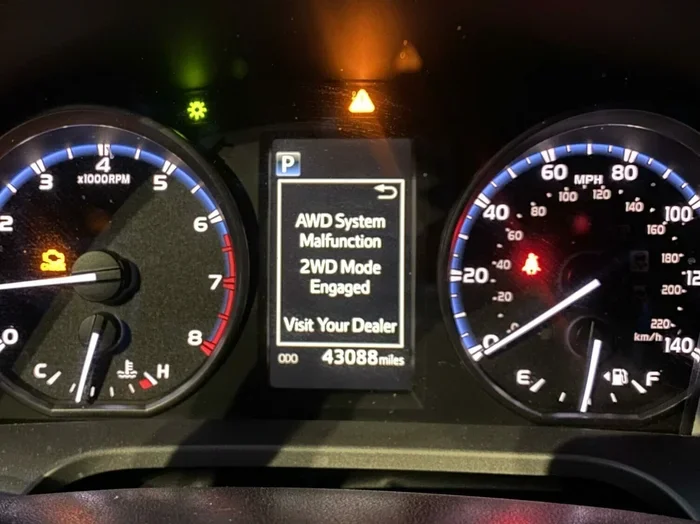
You are driving down the road, and suddenly a light pops up on your dashboard. It looks like a car with wavy lines underneath. Your heart drops a little. What does it mean? More importantly, can I drive if my AWD light is on? This is a question a lot of drivers face, and the answer is not as simple as yes or no.
The AWD light is your vehicle telling you something is not right with the all-wheel drive system. Sometimes it is a minor issue. Other times, it signals something serious. Either way, you should not ignore it. In this article, we will break down everything you need to know. We will cover what the light means, whether it is safe to keep driving, common causes, and how to fix the problem.
By the end of this guide, you will feel confident about what to do when that AWD warning light comes on. Let us get into it.
Key Takeaways
- Short drives may be okay: You can sometimes drive a short distance, but prolonged driving risks major damage.
- Warning light means a problem exists: The AWD light signals an issue with your all-wheel drive system that needs attention.
- Common causes include sensors and fluid: Faulty wheel speed sensors, low AWD fluid, and transfer case issues top the list.
- Ignoring the light is costly: Driving with a malfunctioning AWD system can lead to expensive drivetrain repair costs.
- DIY diagnostics help: Basic checks like fluid levels and sensor connections are things you can do at home.
- Professional help is often needed: Complex AWD system malfunctions require a mechanic and proper vehicle diagnostics.
- Prevention saves money: Regular AWD maintenance keeps the system healthy and prevents warning lights from appearing.
📑 Table of Contents
- What Does the AWD Light Mean?
- Can You Still Drive With the AWD Light On?
- Common Reasons Your AWD Light Comes On
- What Happens If You Ignore the AWD Light?
- How to Fix an AWD Light Issue
- How to Prevent AWD Problems in the Future
- AWD Light vs. Check Engine Light: What Is the Difference?
- How Much Does AWD Repair Cost?
- Expert Insight: What Mechanics Want You to Know
- Key Takeaways
- Conclusion
What Does the AWD Light Mean?
Before we answer whether you can drive, let us talk about what the AWD light actually means. The AWD warning light on your dashboard is a signal from your all-wheel drive system. It tells you that something in the system is not working as it should.
Different vehicles show different symbols. Some look like a car with squiggly lines beneath all four tires. Others show the words “AWD” or “4WD.” No matter the shape, the meaning is the same. Your vehicle has detected a problem with the drivetrain warning system.
The AWD system sends power to all four wheels instead of just two. This gives you better traction, especially on wet or icy roads. When the light comes on, it usually means the system has shut itself off or is not functioning properly. Your car may revert to two-wheel drive mode automatically.
How the AWD System Works
Understanding the basics helps. Your all-wheel drive system relies on several parts working together. The transfer case sends power to both the front and rear axles. The front differential and rear differential distribute that power to the individual wheels. Sensors monitor wheel speed and traction.
When everything works well, you get smooth and safe handling. When something breaks or malfunctions, the system triggers the AWD light. Think of it as your car raising its hand and saying, “Hey, something needs attention here.”
Can You Still Drive With the AWD Light On?
So, can I drive if my AWD light is on? The short answer is: it depends. In many cases, you can drive a short distance to a safe location or a nearby repair shop. However, you should not treat this as a green light to keep driving normally.
Here is the thing. When the AWD light is on, your vehicle has likely disabled part of the all-wheel drive system. This means you may be running on two-wheel drive only. On dry roads, this might not cause immediate problems. But on wet, icy, or gravel roads, it can be dangerous.
You lose the traction benefits of AWD. Your handling changes. Braking and cornering may feel different. If you are on a highway or in bad weather, this is not something you want to deal with.
When It Is Okay to Drive a Short Distance
There are a few situations where a short drive is acceptable:
- You are pulling over to a safe spot on the side of the road.
- You need to reach a nearby mechanic or service center.
- The light came on suddenly but your vehicle feels normal otherwise.
- You are on a dry, straight road with no traffic.
In these cases, drive slowly and carefully. Get the vehicle checked as soon as possible. Do not take a long road trip with the AWD light on. That is asking for trouble.
When You Should Stop Driving Immediately
There are times when you should pull over and not drive at all. If you notice any of the following, stop safely and call for help:
- The vehicle makes strange noises, like grinding or clunking.
- You feel vibration in the steering wheel or floor.
- The AWD light flashes instead of staying solid.
- The check engine light also comes on at the same time.
- You lose power or the vehicle feels sluggish.
- You are driving in rain, snow, or icy conditions.
These signs point to a serious AWD system malfunction. Continuing to drive could cause further damage to the drivetrain. And that means a much bigger repair bill.
Common Reasons Your AWD Light Comes On
Knowing what triggers the AWD light helps you understand the problem better. Several things can cause this warning to appear. Let us look at the most common ones.
Low AWD Fluid
Your all-wheel drive system uses special fluid to operate smoothly. Over time, this fluid can leak or break down. When the fluid level drops too low, the system cannot function properly. The AWD light comes on to warn you.
Check your AWD fluid if you are comfortable doing so. Look for a dipstick under the hood, or consult your owner manual. If the fluid is dark or smells burnt, it needs to be changed. Fresh AWD fluid is a simple part of regular AWD maintenance.
Faulty Wheel Speed Sensors
Wheel speed sensors monitor how fast each wheel is spinning. They send this data to the AWD module, which adjusts power distribution. When a sensor fails or gets dirty, it sends wrong information. The system cannot engage properly, and the light comes on.
This is one of the most common reasons for an AWD warning light. The good news is it is also one of the easier and cheaper fixes. A new sensor usually costs between 100 and 300 dollars, depending on your vehicle.
Transfer Case Problems
The transfer case is the heart of your AWD system. It splits engine power between the front and rear axles. When the transfer case fails, the AWD light will almost always come on.
Transfer case issues can come from worn gears, a bad motor, or internal damage. Driving with a failing transfer case is risky. It can lead to complete AWD failure, which is a very expensive AWD repair.
Worn Drive Shaft or U-Joints
The drive shaft connects the transmission to the wheels. Universal joints, or U-joints, allow the shaft to move with the suspension. When these parts wear out, you may hear clicking noises when turning. The AWD system detects the irregular movement and triggers the warning light.
A damaged drive shaft will not fix itself. It needs professional AWD repair. Ignoring it can cause the shaft to break completely, leaving you stranded.
AWD Module or Computer Issues
Modern vehicles rely on electronic控制模块 to manage the AWD system. If the module or its software glitches, the light can come on even if nothing is physically broken. This is called a false positive, but you should still get it checked.
Sometimes a simple reset or software update fixes the issue. Other times, the module needs to be replaced. Vehicle diagnostics at a shop can tell you exactly what is going on.
Differential Wear
The front differential and rear differential allow the wheels on each axle to spin at different speeds. This is essential for smooth turning. When differentials wear out, the AWD system struggles to distribute power evenly.
Differential problems often come with other symptoms. You might hear whining noises, feel vibration, or notice poor handling. These are clear signs that your all-wheel drive problems need professional attention.
What Happens If You Ignore the AWD Light?
This is an important question. What if you just keep driving and hope the light goes away? That is a bad idea. Here is why.
First, ignoring the AWD light will almost never make the problem go away on its own. The underlying issue will get worse over time. A small sensor problem can turn into a major drivetrain failure if left unchecked.
Second, you lose safety. Without a working all-wheel drive system, your car handles differently, especially in poor weather. You might not realize this until you need traction the most. That is a dangerous situation.
Third, the repair costs go up. A simple fix like replacing a wheel speed sensor might cost a few hundred dollars. But if that same problem damages the transfer case or differentials, the drivetrain repair cost can climb into the thousands.
Think of the AWD light as a check engine light for your drivetrain. Would you ignore a check engine light? Most people would not. Treat the AWD light the same way.
How to Fix an AWD Light Issue
If your AWD light is on, there are steps you can take. Some are things you can do yourself. Others require a professional.
Step 1: Check the Fluid Levels
Start with the basics. Check your AWD fluid level. If it is low, top it off with the correct type of fluid listed in your owner manual. Sometimes simply adding fluid resets the system and turns off the light.
Look under the vehicle for any signs of leaks. Fresh fluid on the ground means you have a leak that needs to be sealed. This is a job for a mechanic.
Step 2: Inspect the Sensors
Wheel speed sensors are easy to check in many vehicles. They are usually located near the wheels. Look for dirt, debris, or damage. Cleaning a dirty sensor sometimes solves the problem right away.
If the sensor looks fine, the issue might be internal. You will need a diagnostic tool to read the error codes. Many auto parts stores offer free diagnostics. This is a great first step before committing to expensive AWD repair.
Step 3: Reset the System
Sometimes the AWD light comes on due to a temporary glitch. After you fix the underlying issue, you may need to reset the system. Disconnecting the battery for a few minutes can do this. Or a mechanic can use a scan tool to clear the codes.
Just remember: reset the system only after fixing the real problem. Resetting without addressing the cause will just bring the light back.
Step 4: Visit a Mechanic
If the light stays on after basic checks, it is time to see a professional. A certified mechanic can run full vehicle diagnostics and pinpoint the exact problem. They have the tools and expertise to handle complex AWD system issues.
Ask for a detailed estimate before any work is done. Understand what parts need replacement and how much the AWD repair will cost. This helps you make informed decisions.
How to Prevent AWD Problems in the Future
Prevention is always better than repair. Here are some tips to keep your all-wheel drive system healthy and your AWD light off.
- Change AWD fluid regularly: Follow your manufacturer’s schedule for fluid changes. Fresh fluid keeps the system running smoothly.
- Get regular vehicle diagnostics: Even if no light is on, periodic checkups catch small problems before they grow.
- Check for leaks: Inspect under your vehicle for fluid spots. Early leak detection prevents major damage.
- Drive gently: Avoid harsh acceleration and sudden braking. Smooth driving reduces wear on the drivetrain.
- Address warning signs early: If you notice strange noises, vibration, or handling changes, get it checked right away.
- Keep tires matched: Mismatched tire sizes can strain the AWD system. Replace tires in sets and keep them evenly worn.
These simple habits go a long way. They keep your AWD engagement smooth and your vehicle safe on the road.
AWD Light vs. Check Engine Light: What Is the Difference?
People often confuse the AWD light with the check engine light. They are related but not the same thing. The check engine light monitors the engine and emissions system. The AWD light focuses specifically on the drivetrain and power distribution to all four wheels.
Sometimes both lights come on at the same time. This usually means the AWD problem is affecting the engine or vice versa. For example, a failing transfer case can put extra strain on the engine. When both lights are on, take your vehicle to a mechanic immediately.
If only the AWD light is on, you have a bit more flexibility. You can still drive carefully to a repair shop. But if both lights flash together, stop and seek help right away.
How Much Does AWD Repair Cost?
Repair costs vary widely depending on the problem. Here is a rough breakdown:
- Wheel speed sensor replacement: 100 to 300 dollars
- AWD fluid change: 100 to 250 dollars
- Transfer case repair: 500 to 1,500 dollars
- Differential repair or replacement: 800 to 2,500 dollars
- Drive shaft replacement: 400 to 1,000 dollars
- AWD module replacement: 500 to 1,200 dollars
These are estimates. Actual costs depend on your vehicle make and model, the severity of the damage, and local labor rates. Always get a second opinion for major repairs. And remember, regular AWD maintenance can help you avoid most of these costs altogether.
Expert Insight: What Mechanics Want You to Know
We asked a few experienced mechanics about AWD warning lights. Here is what they had to say.
“The AWD light is not something to play with,” says Jake, a certified drivetrain specialist with over 15 years of experience. “I have seen customers drive for weeks with the light on. By the time they bring it in, the transfer case is destroyed. A simple sensor fix turned into a 3,000 dollar job.”
“The most common mistake drivers make,” adds Maria, an ASE-certified master technician, “is assuming the car feels fine so nothing is wrong. AWD problems do not always cause noticeable symptoms at first. By the time you feel something, the damage is already done.”
Their advice is simple. Take the AWD light seriously. Get it checked early. It saves you money and keeps you safe.
Key Takeaways
- You can sometimes drive a short distance: But only to reach safety or a repair shop. Do not continue normal driving.
- The AWD warning light means a real problem: It signals a fault in your all-wheel drive system that needs attention.
- Common causes are often simple and affordable to fix: Low fluid, dirty sensors, and worn U-joints are frequent culprits.
- Ignoring the light leads to bigger problems: Small issues become major drivetrain failures if left unchecked.
- Regular AWD maintenance prevents most issues: Fluid changes, inspections, and timely repairs keep the system healthy.
- Professional diagnostics are essential for complex issues: A mechanic with the right tools can find the root cause quickly.
- Safety comes first: Never drive long distances or in bad weather with a known AWD system malfunction.
Conclusion
So, can I drive if my AWD light is on? The answer is: you can drive a short distance in an emergency, but you should not make a habit of it. The AWD light is a clear warning that your all-wheel drive system needs attention. Whether it is low fluid, a bad sensor, or a failing transfer case, the problem will not fix itself.
Taking quick action saves you from bigger headaches. It keeps you safe on the road. And it protects your wallet from expensive drivetrain repairs. The next time that AWD warning light pops up on your dashboard, do not panic. But do not ignore it either. Check the basics, visit a mechanic if needed, and get your vehicle back to running at its best.
Your all-wheel drive system works hard for you every day. Give it the care and attention it deserves. That is the best way to keep your car performing safely and reliably for miles to come.
Frequently Asked Questions
Is it safe to drive with the AWD light on?
It is generally not safe, especially on wet or icy roads. The AWD light means your all-wheel drive system is not functioning properly, which can affect traction and handling. You can drive a short distance to a repair shop, but avoid long trips until the issue is fixed.
What should I do if my AWD light comes on while driving?
Stay calm and find a safe place to pull over. Check your AWD fluid level if you can. If the light stays on, schedule a visit to a mechanic as soon as possible. Do not ignore the warning, as it could lead to more serious drivetrain damage.
How much does it cost to fix an AWD light issue?
The cost depends on the cause. Simple fixes like sensor replacement or fluid changes cost between 100 and 300 dollars. More complex repairs like transfer case or differential work can range from 500 to 2,500 dollars. Always get a detailed estimate before approving any AWD repair.
Can low AWD fluid cause the warning light to come on?
Yes, absolutely. Low AWD fluid is one of the most common reasons for the AWD light to appear. When the fluid level drops, the system cannot operate correctly and triggers the warning. Check your fluid level regularly as part of routine AWD maintenance.
Will the AWD light turn off by itself?
Sometimes, if the issue is minor and temporary, the light may turn off after the system resets. However, this is rare. In most cases, the underlying problem still exists and will need professional attention. Do not assume the problem is gone just because the light is off.
How often should I service my AWD system?
Most manufacturers recommend AWD maintenance every 30,000 to 60,000 miles. This includes fluid changes and system inspections. Regular servicing helps prevent AWD system malfunctions and keeps your all-wheel drive working smoothly for years.