Can You Register a Car Without a Title in Massachusetts
Can you register a car without a title in Massachusetts? The short answer is yes, but it requires specific steps and documentation. Whether you lost your title, bought a vehicle without one, or inherited a car, Massachusetts has a process to help you get car registration done legally. This guide walks you through every option, including the bonded title process, exemptions, and common pitfalls to avoid.
Have you ever found yourself staring at a car you want to register, only to realize you do not have the title? It happens more often than you might think. People lose titles. They buy vehicles from private sellers who never transferred the paperwork. Sometimes a car comes as part of an inheritance, and the title never made it into the new owner’s hands.
If you live in Massachusetts, you might be wondering whether you can even get your car on the road without that little piece of paper. The good news is that Can You Register a Car Without a Title in Massachusetts? Yes, you can. But there is a process, and it helps to know exactly what steps to take before you walk into the RMV.
This article breaks down every option available to Massachusetts residents. We will cover the bonded title route, title exemptions, required documents, and common mistakes that trip people up. By the end, you will have a clear roadmap to get your vehicle registered and legal on Massachusetts roads.
Key Takeaways
- You can register a car without a title in Massachusetts through several approved methods, including bonded titles and title exemptions.
- The bonded title process requires a surety bond, typically ranging from $500 to $25,000 depending on the vehicle value.
- Certain vehicles like antique cars and trailers may qualify for title exemptions in Massachusetts.
- Always obtain a bill of sale and proof of ownership to protect yourself during the registration process.
- The Massachusetts RMV handles all vehicle registration and title applications, either online, by mail, or in person.
- Common mistakes like missing paperwork or incomplete forms can delay your registration by weeks.
- Working with a title service or legal advisor can save time and prevent costly errors.
📑 Table of Contents
Understanding Car Titles in Massachusetts
What Is a Vehicle Title?
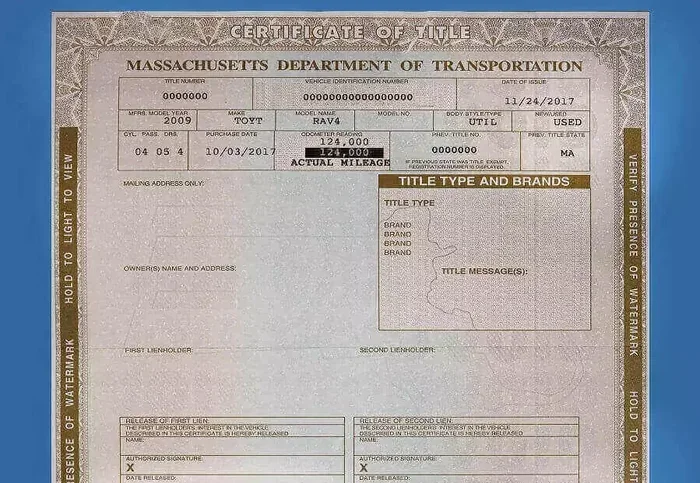
A vehicle title is a legal document that proves ownership of a car. In Massachusetts, the Massachusetts RMV (Registry of Motor Vehicles) issues these titles for most passenger vehicles, trucks, and motorcycles. The title lists the owner’s name, the vehicle identification number (VIN), and any liens against the vehicle.
Think of the title like a birth certificate for your car. Without it, proving ownership becomes much harder. That is why the RMV takes title applications seriously. They want to make sure the right person is registering the right vehicle.
Why the Title Matters for Registration
When you register a vehicle, the RMV needs to confirm that you are the legal owner. The title serves as that proof. Without a title, the RMV has no way to verify your ownership claim. This is why registering a car without a title requires extra steps and documentation.
However, Massachusetts law does provide pathways for people who do not have a title. These pathways exist to help honest vehicle owners who simply lost their paperwork or acquired a vehicle through unusual circumstances.
How Massachusetts Handles Title Applications
The RMV offers several methods for obtaining a title. You can apply for a duplicate title if you lost yours. You can apply for a bonded title if you never received one. And certain vehicles may qualify for a title exemption altogether. Each method has its own requirements, fees, and processing times.
Understanding these options is the first step toward getting your vehicle registered. Let us dive into the situations where you might find yourself without a title in the first place.
When You Might Not Have a Car Title
Lost or Stolen Titles
Losing a car title is more common than most people realize. A move, a flood, a simple misplacement — any of these can leave you without your title. In Massachusetts, you can request a duplicate title from the RMV if this happens. You will need to provide identification and pay a replacement fee.
This is the simplest scenario. If you are the original owner and the title was just lost, the process is straightforward. You fill out the application, prove your identity, and wait for the new title to arrive.
Buying a Vehicle Without a Title
Sometimes people buy cars from private sellers, auctions, or online marketplaces, and the seller does not have the title. This is a red flag in many cases, but not always. Perhaps the seller lost it, or the vehicle was purchased years ago and the title was never transferred.
When you buy a vehicle without a title, you need to work backward. You must prove that the seller had the legal right to sell the vehicle and that you purchased it in good faith. This often involves a bill of sale, a VIN inspection, and sometimes a title search through the RMV.
Inherited or Gifted Vehicles
If a family member passes away and leaves you a vehicle, you may not have the title in hand. Similarly, if someone gifts you a car, they might not have the title readily available. In both cases, you can apply for a title through the RMV, but you will need additional documentation like a death certificate or a notarized gift letter.
Vehicles Purchased Before Title Requirements
Older vehicles, especially those manufactured before certain years, may never have been issued a title in the first place. Some states did not require titles for older cars. If you are trying to register such a vehicle in Massachusetts, you may qualify for a title exemption or a bonded title.
How to Register a Vehicle Without a Title
The Bonded Title Route
The most common way to register a car without a title in Massachusetts is through a bonded title. A bonded title is a branded title that shows the vehicle has a surety bond attached to it. This bond protects the state and any previous owners in case a claim arises.
Here is how the bonded title process works in Massachusetts:
- First, you must obtain a VIN inspection from a certified inspector.
- Next, you apply for a title through the RMV and declare that you are the owner.
- The RMV will search their records to see if anyone else has a claim to the vehicle.
- If no claims are found, you purchase a surety bond, typically based on the vehicle’s value.
- You submit the bond, your application, and supporting documents to the RMV.
- The RMV issues a bonded title, which remains branded for a set period, usually three to five years.
After the bond period passes without any claims, you can apply to have the bonded brand removed and receive a clean title.
Required Documents for a Bonded Title
To apply for a bonded title in Massachusetts, you will need several documents. Having these ready before you visit the RMV will save you time and frustration.
- Completed Application for Certificate of Title — Form RMV-1.
- Bill of Sale — showing the purchase price and seller information.
- VIN Inspection Certificate — from a certified Massachusetts inspector.
- Proof of Identity — a valid Massachusetts driver’s license or state ID.
- Proof of Residency — utility bills, lease agreement, or bank statements.
- Surety Bond — purchased from a licensed bonding company.
- Odometer Disclosure Statement — required for vehicles under 10 years old.
Title Exemption Options
Not every vehicle needs a title to be registered in Massachusetts. Certain vehicles qualify for a title exemption, which means you can register them without one. These include:
- Antique vehicles — cars over 25 years old may qualify for antique registration.
- Trailers and semi-trailers — some trailers do not require a title.
- Farm equipment — certain agricultural vehicles are exempt.
- Vehicles with salvage titles — though these require additional steps and inspections.
To qualify for an exemption, you must meet specific criteria set by the RMV. Check the Massachusetts RMV website or call their customer service line to confirm whether your vehicle qualifies.
Out-of-State Titles
If you moved to Massachusetts from another state and your vehicle has an out-of-state title, you have a different path. You must transfer the title to Massachusetts within a set timeframe, usually 30 days of establishing residency. You will need the out-of-state title, a bill of sale, and proof of Massachusetts insurance.
If the out-of-state title is missing, you will need to contact the previous state’s DMV to obtain a duplicate before you can transfer it to Massachusetts.
The Bonded Title Process Explained
What Is a Surety Bond?
A surety bond is a three-party agreement. You, the principal, purchase the bond from a bonding company. The state, the obligee, is protected by the bond. If someone comes forward claiming ownership of your vehicle, the bond provides a financial remedy.
The bond amount is typically based on the vehicle’s appraised value. For a car worth $5,000, the bond would be $5,000. You pay a premium to the bonding company, usually a small percentage of the total bond amount.
How Long Does the Bonded Title Last?
A bonded title in Massachusetts remains branded for a minimum of three years. During this period, the RMV monitors for any ownership claims. If no one files a claim, you can apply for a clean title after the bond period ends.
This waiting period protects the public and ensures that no one is registering a vehicle they do not truly own. It adds a layer of accountability to the process.
Cost of a Bonded Title
The cost of a bonded title includes several fees. You will pay the standard title application fee, the RMV registration fee, and the cost of the surety bond. The bond premium varies depending on the vehicle’s value and the bonding company you choose.
For most vehicles, the total cost ranges from a few hundred dollars to over a thousand. It is worth the investment to get your vehicle legally registered and roadworthy.
Special Cases and Title Exemptions
Registering Antique and Classic Vehicles
Massachusetts has a special registration class for antique vehicles. Cars that are 25 years or older may qualify for antique registration, which comes with certain benefits and restrictions. Antique vehicles may be exempt from some emissions testing requirements, but they cannot be used as daily drivers.
If your antique vehicle never had a title, you can apply for registration through the RMV with a bill of sale and a VIN inspection. The process is simpler than the bonded title route, but you must meet the age requirement.
Salvage and Rebuilt Titles
Vehicles that were declared salvage or totaled can be rebuilt and re-registered in Massachusetts. However, these vehicles require a salvage inspection and additional documentation. You must provide proof that the vehicle was properly rebuilt and meets all safety standards.
If you are dealing with a salvage vehicle without a title, the bonded title process is usually your best option. Work closely with the RMV to ensure you meet all requirements.
Vehicles Purchased at Auction
Buying a car at an auction often means purchasing it without a title. Auction houses typically provide a bill of sale, but not a title. In these cases, you will need to follow the bonded title process or check if the auction house can provide a title transfer.
Always ask for the auction house’s documentation and keep everything organized. The more paperwork you have, the smoother your registration process will be.
Title Transfers After a Name Change
If your name has changed due to marriage, divorce, or a court order, your existing title may not match your current legal name. You do not need a new title in most cases, but you may need to provide documentation of the name change, such as a marriage certificate or court order, when registering your vehicle.
Tips for a Smooth Registration Experience
Organize Your Documents Early
The single biggest cause of delays in vehicle registration is incomplete paperwork. Before you visit the RMV, gather every document you need. Make copies of everything. Keep a folder with your bill of sale, identification, proof of residency, and any inspection certificates.
Being organized shows the RMV staff that you are serious and prepared. It also reduces the chances of being sent home to fetch a missing document.
Call Ahead Before Your Visit
The RMV can be busy, and wait times can be long. Call ahead to confirm which documents you need for your specific situation. Ask about appointment availability, as some services require an appointment.
This small step can save you hours of waiting and frustration.
Consider Using a Title Service
If the process feels overwhelming, consider hiring a professional title service. These companies specialize in navigating title and registration requirements. They can handle the paperwork, track your application, and communicate with the RMV on your behalf.
While there is a fee for this service, it can be worth it if you are short on time or dealing with a complicated situation like a bonded title or salvage vehicle.
Be Patient with Processing Times
Processing times for title applications vary. A standard duplicate title may arrive in a few weeks. A bonded title application can take longer, especially if the RMV needs to search for competing claims. Plan ahead and do not wait until the last minute to start the process.
Common Mistakes to Avoid
Skipping the VIN Inspection
The VIN inspection is a mandatory step for many title applications in Massachusetts. Skipping it or providing an incomplete inspection will result in your application being rejected. Make sure the inspector is certified and that the inspection covers all required elements.
Using an Incomplete Bill of Sale
A bill of sale must include specific details to be valid. It should list the buyer and seller names, the purchase price, the vehicle description, the VIN, and the date of sale. An incomplete bill of sale can hold up your entire application.
Failing to Disclose Previous Ownership
If the RMV discovers that you withheld information about previous ownership, they may reject your application or even flag your vehicle for investigation. Always be honest and transparent in your applications.
Not Renewing Registration on Time
Once your vehicle is registered, keep track of renewal deadlines. Letting your registration lapse can result in fines, penalties, and even vehicle impoundment. Set a calendar reminder a month before your registration expires.
Final Thoughts
Can you register a car without a title in Massachusetts? Absolutely. The state has clear processes in place to help vehicle owners navigate situations where a title is missing, lost, or never existed. Whether you pursue a bonded title, qualify for a title exemption, or need to transfer an out-of-state title, the key is preparation and patience.
Gather your documents, understand the requirements, and follow the steps outlined in this guide. If you hit a roadblock, do not hesitate to contact the Massachusetts RMV directly or consult a title professional. Getting your vehicle registered is entirely achievable, even without a title in hand.
The process may feel daunting at first, but with the right information, it becomes manageable. Thousands of Massachusetts residents successfully navigate the system every year, and you can too. Start today, and get your vehicle back on the road where it belongs.
Frequently Asked Questions
Can I drive a car in Massachusetts without a registered title?
No, you cannot legally drive an unregistered vehicle on Massachusetts roads. You must complete the registration process before operating the vehicle. Driving an unregistered car can result in fines, penalties, and vehicle impoundment.
How long does it take to get a bonded title in Massachusetts?
The bonded title process typically takes several weeks. The RMV needs time to process your application, conduct a title search, and verify your documents. The bond itself remains in effect for three to five years before you can apply for a clean title.
What is the cost of a bonded title in Massachusetts?
Costs vary depending on the vehicle’s value and the bonding company you choose. You will pay the RMV application fee, registration fees, and the surety bond premium. Expect to pay anywhere from a few hundred to over a thousand dollars in total.
Do I need a bonded title if I bought a car without a title?
In most cases, yes. If you purchased a vehicle and do not have a valid title, the bonded title is the primary method to establish ownership and register the vehicle in Massachusetts. Exceptions exist for antique vehicles and certain exemptions.
Can I get a duplicate title if I lost mine in Massachusetts?
Yes. You can apply for a duplicate title through the RMV by filling out Form RMV-1, providing proof of identity, and paying the replacement fee. The process is simpler than obtaining a bonded title and usually takes a few weeks.
Are there any vehicles that do not need a title in Massachusetts?
Yes. Antique vehicles over 25 years old, certain trailers, and some farm equipment may qualify for title exemptions. Check with the Massachusetts RMV to confirm whether your specific vehicle qualifies for exemption from title requirements.