Why 80 Percent Window Tint Is a Smart Choice for Your Car
80 percent window tint is one of the most popular and practical choices for car owners who want UV protection, heat rejection, and added comfort without going too dark. This light shade blocks harmful rays, reduces glare, and protects your car’s interior while keeping your view clear. Whether you drive daily or just need a subtle upgrade, 80 percent window tint delivers real value for any vehicle.
If you have ever sat in a hot car and felt the sun beating down on your face, you know how uncomfortable driving can be. The glare, the heat, the fading of your dashboard and seats — it all adds up fast. That is where 80 percent window tint comes in. It is a simple, affordable, and effective way to improve your driving experience every single day.
80 percent window tint is a light shade of car window film that allows 80% of visible light to pass through while still blocking a surprising amount of heat and UV rays. Unlike darker tints that can make your car look sleek and mysterious, the 80% option keeps your windows looking nearly clear. This makes it a favorite among car owners who want the benefits of auto tint without sacrificing visibility or running into legal issues.
In this guide, we will cover everything you need to know about 80 percent window tint. From the benefits and legal rules to installation tips and common mistakes, you will find all the answers here. By the end, you will know exactly why this tint level is such a smart pick for your car.
Key Takeaways
- UV Protection: 80 percent tint blocks up to 99% of harmful UV rays, protecting your skin and car interior.
- Heat Rejection: A lighter tint still reduces solar heat significantly, keeping your car cooler.
- Glare Reduction: Less eye strain and better visibility during bright and night driving.
- Legal Friendly: 80 percent tint is widely legal across most states and countries.
- Interior Preservation: Prevents fading and cracking of seats, dashboards, and trim.
- Easy Installation: Lighter tint films are easier to apply and bubble-free.
- Affordable Upgrade: One of the most cost-effective ways to improve your car’s comfort and value.
📑 Table of Contents
What Is 80 Percent Window Tint?
Let us start with the basics. Window tint is a thin film applied to the inside of your car windows. It comes in different shades, and each shade is measured by something called Visible Light Transmission, or VLT. VLT tells you how much light the film lets through.
A higher VLT means more light passes through. So an 80 percent window tint lets 80% of light in. That is why it looks almost clear. Compare that to a 50% tint, which is noticeably darker, or a 5% tint, which is basically a mirror.
How Is Tint Measured?
Every tint film has a VLT percentage printed on it. This is the standard way the industry measures darkness. Here is a quick breakdown of common tint levels:
- 90% VLT: Very light, barely noticeable tint.
- 80% VLT: Light tint with subtle shading.
- 50% VLT: Medium tint, good heat rejection.
- 35% VLT: Darker look, popular for style.
- 20% VLT: Very dark, limited visibility at night.
- 5% VLT: Limo tint, almost no light passes through.
So 80 percent window tint sits at the lighter end of the spectrum. It is not about making your car look flashy. It is about function, comfort, and protection.
What Is 80 Percent Window Tint Made Of?
Most 80 percent tint films are made from polyester or a combination of polyester and metal. Some use dye-based materials, while others use ceramic or carbon technology. Higher quality films use ceramic particles that block heat without interfering with your phone signal or GPS.
The film is very thin — usually less than a few mils thick. Despite its thinness, a good quality car window film can do a lot of heavy lifting when it comes to protection and comfort.
Benefits of 80 Percent Window Tint
You might wonder, why choose a light tint like 80%? The answer is simple. It offers a wide range of benefits that make your daily drive better. Let us look at the top advantages.
UV Protection for Your Skin and Car Interior
One of the biggest reasons people invest in window tint is UV protection. The sun emits harmful ultraviolet rays that can damage your skin over time. Even through your car windows, UV exposure adds up, especially on long drives.
80 percent window tint blocks up to 99% of UVA and UVB rays. That means less sun damage to your skin and less risk of long-term health issues. Your car interior benefits too. The dashboard, seats, and steering wheel are less likely to crack or fade when protected by a quality UV protection film.
Heat Rejection and Cooler Cabin
Even a light tint can reject a significant amount of solar heat. While 80% tint does not block as much heat as a 50% or 35% tint, it still makes a noticeable difference. On a hot summer day, your car interior stays cooler, and your AC does not have to work as hard.
Less heat means better fuel efficiency too. Your air conditioning system uses less energy when the cabin is already cooler. Over time, that can save you money at the pump. A good heat rejection film is one of the best returns on investment you can make for your car.
Glare Reduction for Safer Driving
Glare from the sun or headlights at night can be dangerous. It strains your eyes and makes it harder to see the road. 80 percent window tint reduces glare significantly without darkening your view too much.
You will notice the difference immediately, especially during early morning or late afternoon drives when the sun is low. Less eye strain means you arrive at your destination feeling more comfortable and less fatigued.
Privacy Without Going Too Dark
While 80% tint is not meant for full privacy, it does add a layer of subtle shading. People outside cannot see into your car as easily as they can with completely clear windows. This is a nice bonus for parking in public areas or driving through neighborhoods.
If you want more privacy, you can always go with a darker shade. But for many drivers, the light tint of 80 percent window tint strikes the perfect balance between function and subtle style.
Interior Preservation
Sun damage is one of the biggest enemies of your car’s interior. Over months and years, UV rays cause leather to dry out, fabric to fade, and plastic to crack. A quality window film acts as a shield, preserving the look and feel of your car’s cabin.
This is especially important if you have a newer car or a luxury vehicle where interior condition matters. 80 percent window tint helps keep your seats, dashboard, and trim looking new for longer.
How 80 Percent Tint Compares to Other Tint Levels
Not all tint levels are created equal. Each percentage has its own strengths and weaknesses. Let us compare 80 percent window tint to some other popular options so you can see where it fits best.
| Tint Level | Light Transmission | Heat Rejection | UV Protection | Best For |
|---|---|---|---|---|
| 90% VLT | Very High | Low | High | Subtle protection, legal everywhere |
| 80% VLT | High | Moderate | Very High | Balanced comfort and clarity |
| 50% VLT | Moderate | Good | Very High | Style and heat rejection |
| 35% VLT | Low | Very Good | Very High | Dark look, more privacy |
| 20% VLT | Very Low | Excellent | Very High | Maximum privacy |
| 5% VLT | Almost None | Maximum | Maximum | Limo look, restricted use |
As you can see, 80 percent window tint offers a great middle ground. It provides strong UV protection and decent heat rejection while keeping your visibility nearly unchanged. For drivers who prioritize safety and comfort over a dark look, 80% is often the sweet spot.
When Should You Choose 80% Over Darker Tints?
Choose 80 percent window tint if you:
- Drive frequently at night and need maximum visibility.
- Live in an area with strict window tint laws.
- Want UV and heat protection without a dark appearance.
- Have a new car and want to preserve the factory look.
- Are tinting your car for the first time and want a subtle start.
On the other hand, if you want a bold, sporty look or maximum privacy, a darker tint like 35% or 20% might be a better fit. It all depends on your priorities.
Is 80 Percent Window Tint Legal?
One of the biggest concerns for car owners considering auto tint is the law. The good news is that 80 percent window tint is legal in most places. Because it is so light, it rarely violates any window tint laws.
Understanding Tint Laws in Your Area
Tint laws vary by state, province, and country. In the United States, most states allow a VLT of 70% or higher on front side windows. Since 80 percent window tint exceeds that threshold, it is generally compliant everywhere.
However, laws differ for rear windows and rear windshields. Some states allow darker tints on back windows, while others have specific rules. Always check your local tint regulations before installation.
Here are some general guidelines to keep in mind:
- Front side windows usually need 70% or higher VLT.
- Rear side windows can often go darker.
- Rear windshield rules vary — some allow any shade with side mirrors.
- Medical exemptions may allow darker tints in some states.
- Tint reflectivity is also regulated in many areas.
Why 80% Tint Is a Safe Legal Choice
Because 80 percent window tint is so light, you rarely have to worry about getting pulled over or fined. It is one of the safest choices if you are unsure about your local laws. You get the benefits of car window film without any legal risk.
If you travel frequently between states or provinces, 80% tint is especially smart. It keeps you compliant no matter where you drive. This is a huge advantage over darker tints that might be legal in one state but not another.
How to Choose and Install 80 Percent Window Tint
Now that you know the benefits and legality, let us talk about how to choose the right 80 percent window tint for your car and what to expect during installation.
Choosing the Right Film
Not all tint films are the same. When shopping for 80 percent window tint, consider these factors:
- Material Type: Dyed, metalized, carbon, or ceramic. Ceramic offers the best performance but costs more.
- Brand Reputation: Stick with trusted brands that offer warranties.
- UV Block Rate: Look for films that block at least 99% of UV rays.
- Heat Rejection Rating: Higher is better for comfort.
- Warranty: A good warranty protects against bubbling, peeling, or fading.
Do not just go for the cheapest option. A low-quality film may bubble, peel, or fade within a year. Investing in a quality car window film pays off in the long run.
The Installation Process
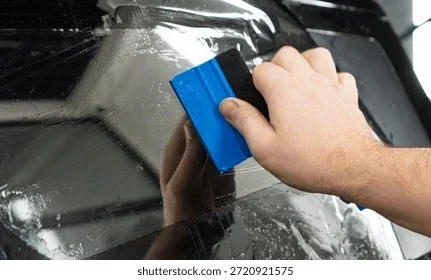
Installing 80 percent window tint is a straightforward process, but it requires patience and skill. Here is what a typical installation looks like:
- The technician cleans your windows thoroughly to remove any dirt or grease.
- The film is cut to match your window size precisely.
- A slippery solution is sprayed on the window and the film.
- The film is applied and smoothed out using a squeegee.
- Excess water and air are pushed out from underneath.
- The edges are trimmed, and the film is left to cure.
Most installations take about one to two hours for a full car. The lighter shade of 80% tint makes the process easier because it is more forgiving of small bubbles or imperfections compared to darker films.
DIY vs. Professional Installation
You can install 80 percent window tint yourself if you are handy and have the right tools. DIY kits are affordable and widely available. However, professional installation ensures a bubble-free, precise finish.
If you are new to tinting, we recommend going with a professional. They have experience, proper tools, and a clean environment that makes a big difference in the final result.
Quick Tips for a Perfect Tint Job
- Choose a dry, sunny day for installation — or a climate-controlled shop.
- Avoid rolling down your windows for at least 24 to 48 hours after installation.
- Do not use harsh cleaners on your tinted windows for the first month.
- Use a soft cloth and ammonia-free cleaner to clean tinted windows.
- Ask about the warranty and keep your receipt in a safe place.
Common Mistakes to Avoid with 80 Percent Tint
Even though 80 percent window tint is one of the easier tints to work with, mistakes can still happen. Here are some common errors to avoid.
Skipping the Research
Not all tint films are created equal. Some cheap films claim to block UV rays but deliver poor performance. Always read reviews, check certifications, and buy from reputable dealers. A poor-quality window film can turn purple, bubble, or peel within months.
Ignoring Local Laws
Even though 80% tint is legal almost everywhere, it is still smart to verify. Some areas have specific rules about which windows can be tinted and at what VLT. Ignoring these rules can lead to fines or even having to remove your tint.
Choosing the Wrong Installer
Your tint is only as good as the installation. A sloppy job can lead to bubbles, peeling edges, and poor adhesion. Take the time to find a skilled, experienced installer with good reviews. Ask to see their work and ask about their warranty policy.
Forgetting About Maintenance
Once your 80 percent window tint is installed, it needs proper care to last. Using abrasive cleaners, rolling down windows too soon, or exposing fresh tint to direct sunlight can all shorten its lifespan. Treat your tint well, and it will last for years.
Expert Insight: The Longevity of 80% Tint
According to industry experts, a quality 80 percent window tint can last anywhere from five to ten years with proper care. Ceramic and carbon films tend to last longer than dyed films. The key is to invest in a good product and have it installed correctly.
Regular maintenance also plays a big role. Keep your windows clean, avoid sharp objects near the tinted surface, and address any bubbling or peeling early before it spreads.
Conclusion
80 percent window tint is one of the smartest upgrades you can make for your car. It offers excellent UV protection, solid heat rejection, reduced glare, and a subtle look that works with any vehicle. Whether you are tinting for comfort, protection, or a touch of style, this tint level delivers without the downsides of darker options.
It is legal in most places, easy to install, and affordable compared to other upgrades. With the right film and a professional installation, your car will look better, feel more comfortable, and stay protected for years to come.
If you have been on the fence about tinting your car, 80 percent window tint is the perfect place to start. It is practical, legal, and genuinely beneficial. Take the step today and enjoy a better driving experience tomorrow.
Frequently Asked Questions
What does 80 percent window tint mean?
80 percent window tint means the film allows 80% of visible light to pass through your car windows. It is a very light shade that looks nearly clear while still providing UV protection and some heat rejection. It is one of the most subtle tint options available.
Is 80 percent window tint legal everywhere?
In most states and countries, 80% tint is fully legal because it is so light. It typically exceeds the minimum VLT requirements for front side windows. However, you should always check your local window tint laws to be sure, as regulations can vary by region and window type.
How much does 80 percent window tint cost?
The cost of 80 percent window tint varies depending on the film quality, brand, and whether you choose professional or DIY installation. On average, a full car tint job ranges from $100 to $400. Ceramic films cost more but offer superior performance and longevity.
Can I install 80 percent tint myself?
Yes, you can install 80 percent window tint yourself using a DIY kit. The lighter shade is more forgiving and easier to apply than darker tints. However, professional installation is recommended for the best results, especially if you want a bubble-free finish.
How long does 80 percent window tint last?
A quality 80% tint can last between five and ten years depending on the material and how well you maintain it. Ceramic and carbon films tend to last longer than dyed films. Regular cleaning with gentle products helps extend the lifespan significantly.
Does 80 percent tint really block UV rays?
Yes, most quality 80 percent window tint films block up to 99% of harmful UVA and UVB rays. Even though the tint is light, the UV-blocking technology is built into the film itself. This makes it an excellent choice for protecting your skin and car interior from sun damage.
=== META TITLE ===
Why 80 Percent Window Tint Is a Smart Choice for Your Car
=== URL SLUG ===
/why-80-percent-window-tint-is-a-smart-choice-for-your-car
=== SEO TITLE ===
Why 80 Percent Window Tint Is a Smart Choice for Your Car