Remote Control Car Racing Cars Guide for Beginners
Remote control car racing cars offer an exciting hobby for beginners and pros alike. This guide covers everything you need to know, from choosing the right RC racing car to hitting the track with confidence. You will learn about different car types, essential gear, and practical tips to speed up your learning curve. Whether you want casual fun or competitive racing, this guide has you covered.
Key Takeaways
- Choose the right type: Electric and nitro remote control car racing cars each have unique benefits for beginners.
- Start with a hobby-grade kit: Cheap toy cars will frustrate you. Invest in a quality RC racing car that lasts.
- Gear matters: A good transmitter, battery, and safety equipment make a big difference in your experience.
- Practice on the right track: Different surfaces and track layouts teach you different skills for RC car racing.
- Avoid common mistakes: Skipping maintenance, ignoring battery care, and rushing upgrades can hold you back.
- Join a community: Local clubs and online forums help you learn faster and race smarter.
- Keep learning: RC car tuning and regular practice will steadily improve your lap times and control.
📑 Table of Contents
What Is Remote Control Car Racing?
Remote control car racing cars are miniature vehicles designed for speed, precision, and competitive racing. People of all ages enjoy this hobby, from kids just starting out to adults who have been racing for decades. The thrill of controlling a fast car with a handheld transmitter is something you have to experience firsthand.
RC racing has grown into a massive global community. There are local clubs, national competitions, and even world championships. Whether you race casually in your backyard or compete in organized events, RC car racing offers excitement and challenge at every level.
The sport has evolved a lot over the years. Modern hobby-grade RC cars can reach speeds over 60 miles per hour. They feature advanced electronics, durable materials, and fine-tuned engineering. This makes them far more capable than the simple toy cars many of us grew up with.
Why People Love RC Racing
There are many reasons people fall in love with remote control car racing cars. The adrenaline rush of a close race is hard to beat. You also get to learn about mechanics, electronics, and aerodynamics. Each race teaches you something new about your car and your own skills.
Many racers enjoy the social aspect too. Joining a local RC car racing league connects you with like-minded people. You share tips, trade parts, and build friendships around a shared passion. It is a welcoming community for beginners and veterans alike.
How RC Racing Differs from Casual Driving
Casual driving means you just push a car around and have fun. Racing adds speed, competition, and strategy. You need to think about tire choice, track conditions, and battery life. RC car tuning becomes an important part of getting faster and staying ahead of the competition.
Racing also demands better equipment. Toy-grade cars lack the speed and durability needed for serious competition. Hobby-grade models are built to handle the stress of racing. They offer adjustable settings and upgrade options that let you customize performance.
Types of Remote Control Racing Cars
Not all remote control car racing cars are the same. Different types serve different purposes and suit different styles of racing. Understanding these categories helps you choose the right car for your goals and budget.
Electric RC Racing Cars
Electric RC racing cars are the most popular choice for beginners. They run on rechargeable batteries and are clean, quiet, and easy to maintain. You can race them indoors or outdoors, which gives you a lot of flexibility.
Electric cars are fast right out of the box. Many hobby-grade RC cars in this category reach speeds of 30 to 50 miles per hour. With upgrades, some electric models can go even faster. They are also more affordable than nitro options, which makes them ideal for people just getting started.
Battery care is important for electric RC car racing. Lithium polymer batteries offer the best performance but need proper handling. Always charge them on a safe surface and store them in a cool, dry place. Taking care of your batteries extends their life and keeps your car performing at its best.
Nitro RC Racing Cars
Nitro remote control car racing cars run on a fuel mix of methanol, nitromethane, and oil. They produce a loud, realistic engine sound that many racers love. Nitro cars are typically larger and more complex than electric models.
These cars offer longer run times because you just refill the fuel tank. You do not need to wait for batteries to recharge. However, nitro engines require more maintenance. You need to clean them after each use, adjust the fuel mixture, and replace filters regularly.
Nitro RC car racing is best for outdoor tracks. The exhaust fumes and fuel smell make indoor use impractical. If you enjoy the smell of a real engine and do not mind the extra work, a nitro RC racing car can be a fantastic choice.
Gas-Powered RC Cars
Gas-powered models use regular gasoline mixed with oil. They are the largest and most powerful type of RC car racing vehicle. These cars can reach incredible speeds and are built for serious competitors.
Gas engines are complex and expensive. They are not recommended for beginners. However, if you have experience with small engines and want maximum power, a gas remote control car racing car might be worth exploring. They are popular in large-scale off-road racing events.
On-Road vs Off-Road RC Cars
On-road RC racing cars are built for smooth surfaces like asphalt and concrete. They have low-profile tires and aerodynamic bodies. Touring cars and drift cars are popular on-road categories. They offer precision handling and high speeds on flat tracks.
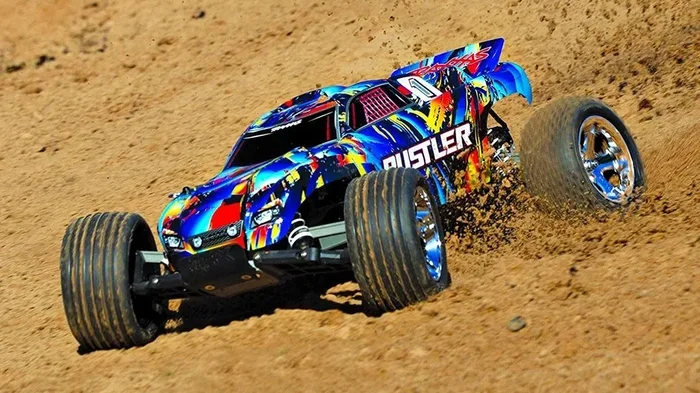
Off-road hobby RC cars are designed for rough terrain. They have larger tires, higher ground clearance, and durable suspension systems. Buggies, truggies, and short course trucks fall into this category. Off-road racing is more forgiving on beginner skills because the terrain absorbs mistakes.
Essential Gear and Equipment
Before you start racing, you need the right gear. A good RC car racing kit includes more than just the car itself. Having the proper equipment keeps you safe and improves your performance on the track.
The Transmitter
Your transmitter is the remote control you hold in your hands. It sends signals to the car and lets you steer, accelerate, and brake. Most beginner remote control car racing cars come with a basic transmitter included in the kit.
Look for a transmitter with at least 2.4 GHz frequency. This reduces interference from other racers on the track. Advanced transmitters allow you to adjust settings like steering sensitivity and throttle response. These features help you fine-tune your RC car racing experience as you improve.
Batteries and Chargers
For electric RC racing cars, batteries are your fuel. A quality lithium polymer battery pack provides the power and runtime you need. Always buy a compatible charger that supports your battery type.
Invest in a smart charger with overcharge protection. This keeps your batteries safe and extends their lifespan. Having a spare battery means you can keep racing without long breaks between heats. Proper battery management is one of the easiest ways to improve your RC car maintenance routine.
Safety Equipment
Safety should never be overlooked in RC car racing. Even though the cars are small, they can cause injuries at high speeds. Protective eyewear is essential, especially during competitive races.
Closed-toe shoes protect your feet from fast-moving cars. Gloves help with grip and protect your hands during crashes. If you race nitro or gas cars, keep a fire extinguisher nearby. Taking safety seriously lets you enjoy the sport for years without accidents.
Track Tools and Maintenance Kit
A basic maintenance kit is a must for any RC car racing enthusiast. You will need screwdrivers, pliers, an Allen key set, and tire glue. These tools let you make quick adjustments and repairs between heats.
Carrying a small toolbox to the track is a great habit. You can fix minor issues on the spot instead of sitting out a race. Over time, learning to maintain your remote control car racing car becomes second nature. It also saves you money on professional repairs.
How to Get Started with RC Racing
Starting your journey with remote control car racing cars is easier than you might think. With the right approach, you can be racing confidently within a few weeks. Here is a step-by-step guide to get you on the track.
Step 1: Set a Budget
Decide how much you are willing to spend before buying anything. A complete beginner RC racing car kit typically costs between 150 and 400 dollars. This includes the car, transmitter, battery, and charger. Set aside extra money for replacement parts and upgrades.
Remember that RC car racing can become an expensive hobby if you are not careful. Start small and learn the basics before making big purchases. You can always upgrade your hobby-grade RC car as your skills and passion grow.
Step 2: Choose Your Car
Pick a car that matches your interests and budget. Electric touring cars are great for beginners who want to race on smooth surfaces. Off-road buggies are more forgiving and work well on uneven terrain. Consider where you plan to race most often.
Read reviews and watch video comparisons before making a decision. Look for cars with good parts availability and a strong community support base. Popular brands like Traxxas, Team Associated, and Losi offer excellent beginner RC car options with reliable performance.
Step 3: Learn Your Transmitter
Spend time getting comfortable with your transmitter before hitting the track. Practice driving in an open area like a parking lot or a quiet field. Learn how the throttle and steering respond at different speeds.
Understanding your transmitter is key to RC car tuning and control. Adjust the trim settings to fine-tune your steering and throttle endpoints. Many transmitters also allow you to switch between different performance modes. Experiment with these settings to find what feels right for your driving style.
Step 4: Find a Local Track
Search online for RC car tracks near you. Many hobby shops host weekly racing events. These events are perfect for beginners because you can watch experienced racers and ask questions.
Joining a local RC car racing league accelerates your learning curve. You will pick up track-specific knowledge and racing etiquette. Most tracks offer rental cars for first-timers. This lets you try different vehicles before committing to your own purchase.
Step 5: Practice Consistently
Consistency is the key to improving in RC car racing. Try to race or practice at least once a week. Regular practice builds muscle memory and helps you develop racecraft skills.
Focus on smooth driving rather than raw speed. Gentle steering inputs and gradual throttle application keep your car stable through corners. Over time, you will notice your lap times dropping and your confidence growing. Patience and persistence pay off in remote control car racing cars.
Tips to Improve Your RC Racing Skills
Once you are comfortable on the track, you will want to get faster. These practical tips help you improve your RC racing car performance and race results.
Master the Basics of Cornering
Cornering is where races are won or lost. Approach each turn at a controlled speed and brake early. Smooth steering inputs keep your RC car racing car stable and fast through the corner. Avoid jerky movements that cause the car to slide or lose traction.
Look ahead to where you want to go, not directly in front of your car. This technique helps you plan your racing line and maintain momentum. Professional racers in RC car racing leagues use this approach consistently. Practice it on every lap until it becomes second nature.
Adjust Your Suspension Setup
Your remote control car racing car suspension affects handling and stability. Softer suspension works well on rough off-road tracks. Stiffer suspension gives you more precision on smooth on-road surfaces.
Experiment with different shock oil weights and spring tensions. Small changes can make a big difference in how your car feels and performs. Keep notes on your RC car tuning experiments so you can replicate what works best.
Optimize Your Tire Choice
Tires are one of the simplest ways to improve your RC car racing speed. Soft tires grip better on smooth surfaces but wear out faster. Hard tires last longer but offer less traction on corners.
Match your tire choice to the track conditions. Dirty or dusty tracks need different tires than clean, dry surfaces. Many racers carry multiple tire sets to adapt to changing conditions during a race day. This small detail can give you a competitive edge.
Learn from Your Races
After each race, take time to review your performance. What went well? Where did you lose time? Analyzing your races helps you identify areas for improvement in remote control car racing cars.
Watch other racers and study their techniques. Notice how they brake, steer, and accelerate through different track sections. Many experienced racers are happy to share advice with newcomers. Being open to learning keeps you growing as a hobby RC car racer.
Keep Your Car in Top Shape
Regular RC car maintenance prevents mechanical failures on race day. Clean your car after every session, especially after off-road races. Remove dirt and debris from the suspension, gears, and motor.
Check for loose screws and worn parts before each race. Tighten anything that feels wobbly and replace parts that show signs of damage. A well-maintained RC racing car performs better and lasts longer. This simple habit saves you from frustrating breakdowns during important races.
Common Mistakes Beginners Make
Every beginner makes mistakes when starting with remote control car racing cars. Recognizing these common pitfalls helps you avoid frustration and wasted time.
Buying a Toy-Grade Car
The biggest mistake beginners make is buying a cheap toy-grade car from a department store. These cars look similar to hobby-grade models but perform very differently. They lack speed, durability, and upgrade options. You will quickly outgrow a toy car and waste your money.
Instead, invest in a quality hobby-grade RC car from the start. The better performance and parts availability make a huge difference. Your RC car racing experience will be far more enjoyable with proper equipment.
Neglecting Battery Care
Many beginners charge their batteries carelessly or leave them drained after use. This dramatically shortens battery life and can create safety hazards. Always follow proper charging and storage guidelines for your RC car battery.
Never leave a lithium polymer battery charging unattended. Use a balance charger to ensure each cell charges evenly. Taking care of your batteries saves money and keeps your remote control car racing car ready to race whenever you are.
Skipping Practice and Rushing Upgrades
Some new racers want to upgrade their car before mastering the basics. They add expensive parts and electronics before learning to drive well. This approach wastes money and often leads to disappointment.
Focus on building your driving skills first. Once you understand your car’s limits, then consider upgrades. A well-driven stock RC racing car will outperform a poorly driven heavily upgraded one. Let your skill level guide your upgrade decisions.
Ignoring Track Conditions
Every track is different. Temperature, humidity, and surface type all affect how your car performs. Beginners often show up to a race without adjusting their setup for the conditions.
Arrive early and test your car on the track before the race starts. Make small adjustments to tire choice, suspension, and gearing based on what you observe. Adapting to track conditions is a key skill in competitive RC car racing.
Not Following Safety Rules
It is tempting to skip safety precautions, especially during casual practice sessions. But accidents happen fast with fast-moving remote control car racing cars. Always follow the safety rules at your track and wear the recommended protective gear.
Keep your hands away from the car when the motor is running. Never race in areas with spectators standing too close. A few simple precautions prevent injuries and keep the sport fun for everyone involved.
Expert Insights on RC Racing
Experienced racers share valuable wisdom that can speed up your learning process. Here are some insights from seasoned RC car racing enthusiasts.
Start Simple and Build Up
Most experts recommend starting with a simple electric buggy or touring car. These models are forgiving and easy to learn on. Once you understand the fundamentals of racing, you can explore more advanced categories and car types.
Do not feel pressured to buy the most expensive car on day one. Many professional racers started with budget-friendly hobby RC cars and upgraded over time. The journey of improvement is part of what makes RC car racing so rewarding.
The Importance of a Good Transmitter
Experienced racers emphasize the importance of a quality transmitter. Your transmitter is your direct connection to the car. A responsive, comfortable transmitter gives you better control and more confidence on the track.
Look for transmitters with adjustable travel endpoints and exponential settings. These features allow for fine-tuned control over steering and throttle. Many racers upgrade their transmitter well before they upgrade the car itself.
Join the Community
One of the best pieces of advice from veterans is to join the RC car racing community. Attend local club races, participate in online forums, and watch instructional videos. The knowledge and friendships you gain are invaluable.
Many tracks host beginner-friendly events and practice sessions. These are perfect opportunities to learn in a low-pressure environment. Surrounding yourself with experienced racers accelerates your growth and keeps you motivated.
Key Takeaways
- Choose the right type: Electric and nitro remote control car racing cars each have unique benefits for beginners.
- Start with a hobby-grade kit: Cheap toy cars will frustrate you. Invest in a quality RC racing car that lasts.
- Gear matters: A good transmitter, battery, and safety equipment make a big difference in your experience.
- Practice on the right track: Different surfaces and track layouts teach you different skills for RC car racing.
- Avoid common mistakes: Skipping maintenance, ignoring battery care, and rushing upgrades can hold you back.
- Join a community: Local clubs and online forums help you learn faster and race smarter.
- Keep learning: RC car tuning and regular practice will steadily improve your lap times and control.
Conclusion
Remote control car racing cars offer an incredible hobby full of speed, excitement, and continuous learning. From choosing your first RC racing car to mastering cornering techniques, every step of the journey is rewarding. The tips and insights in this guide give you a strong foundation to build on.
Remember that every expert racer started as a beginner. Patience, practice, and proper maintenance are the keys to success in RC car racing. Invest in quality equipment, join a local community, and most importantly, have fun with it. The world of remote control car racing cars is waiting for you.
Now that you know the basics, it is time to take action. Pick a car that excites you, visit your nearest track, and start racing. Your RC car racing adventure begins today. Enjoy every lap, learn from every crash, and embrace the thrill of this amazing hobby.
Frequently Asked Questions
What is the best remote control car racing car for beginners?
Electric touring cars and off-road buggies are the best choices for beginners. They are affordable, easy to maintain, and work well on various surfaces. Look for hobby-grade models from trusted brands that offer good parts support and a welcoming community for new racers.
How fast do remote control car racing cars go?
Beginner RC racing cars typically reach speeds of 20 to 40 miles per hour. Advanced hobby-grade models can exceed 60 miles per hour. Your driving skill and track conditions also affect how fast you can safely go. Start at comfortable speeds and gradually push your limits as you gain confidence.
Is RC car racing an expensive hobby?
It can be as affordable or expensive as you want it to be. A solid beginner RC car racing car kit costs around 200 to 400 dollars. Ongoing costs include batteries, replacement parts, and track entry fees. Starting simple and upgrading gradually keeps the hobby enjoyable and budget-friendly.
Can I race remote control cars indoors?
Yes, electric remote control car racing cars work well indoors on smooth surfaces. However, space is limited and speed must be controlled. Many hobby shops and indoor racing facilities offer controlled environments for RC car racing. Always check that your car and setup are safe for indoor use before racing.
How do I maintain my RC racing car?
Clean your car after every session, especially after off-road races. Check screws, tires, and electronics regularly. Replace worn parts promptly and store your RC car battery properly. Regular RC car maintenance keeps your car performing at its best and prevents costly repairs down the road.
Where can I find local RC car racing events?
Search online for local hobby shops and RC car racing leagues near you. Many tracks host weekly practice sessions and monthly races. Online forums and social media groups for hobby RC car enthusiasts are great resources for finding events. Attending a few events as a spectator is a great way to learn before you race yourself.
=== CONCLUSION ===
Remote control car racing cars are more than just toys. They are a gateway to an exciting, challenging, and rewarding hobby. This guide has covered the essential topics you need to know as a beginner, from choosing the right car to improving your racing skills. The key is to start with quality equipment, practice consistently, and enjoy every moment of the journey. Welcome to the world of RC car racing and happy racing!