Car Window Rubber Seal Guide Fix Leaks Drafts and Noise
A car window rubber seal keeps your vehicle dry, quiet, and comfortable by blocking water, wind, and road noise. Over time, these seals wear out, crack, and fail, leading to annoying drafts and expensive water damage. This guide covers everything from identifying seal problems to fixing leaks and choosing the right replacement.
Have you ever rolled down your car window and felt a cold gust of wind hit your face on a warm day? Or maybe you noticed water pooling on your dashboard after a rainstorm. These problems often point to one hidden culprit — a worn-out car window rubber seal. This small rubber component does a big job. It keeps water out, blocks wind, and reduces road noise. When it starts to fail, your entire driving experience changes for the worse.
Many car owners ignore their window seals until the damage becomes serious. By then, water may have already soaked into the dashboard, seats, or electrical systems. Repairing water damage costs far more than replacing a simple rubber seal. That is why understanding your window rubber seal matters. This guide walks you through everything you need to know. We will cover how to spot early warning signs, how to fix leaks yourself, when to replace the seal, and how to keep it in great shape for years.
Whether you drive a sedan, SUV, or truck, the principles remain the same. A healthy car window seal is the difference between a quiet, dry cabin and a drafty, noisy mess. Let us dive in and help you take control of this essential car maintenance task.
Key Takeaways
- Early Detection Saves Money: Catching a failing window seal early prevents costly water damage and interior repairs.
- Multiple Repair Options Exist: You can use seal tape, adhesive, or full replacement depending on the damage level.
- Regular Maintenance Extends Life: Cleaning and conditioning your rubber seals every few months keeps them flexible and effective.
- Wrong Seal Type Causes Problems: Always match your replacement seal to your specific car make, model, and year.
- DIY Is Possible for Most Fixes: Many seal repairs and replacements can be done at home with basic tools.
- Noise and Drafts Signal Seal Failure: These are often the first noticeable signs that your window seal needs attention.
📑 Table of Contents
- What Is a Car Window Rubber Seal and Why Does It Matter
- How to Spot a Failing Car Window Rubber Seal
- Fixing Car Window Rubber Seal Leaks: Step-by-Step Repair Guide
- When to Replace Your Car Window Rubber Seal
- Preventing Car Window Seal Problems Before They Start
- Common Mistakes People Make With Car Window Seals
- Expert Insights: Keeping Your Car Window Seal in Top Shape
- Key Takeaways
- Conclusion
What Is a Car Window Rubber Seal and Why Does It Matter
A car window rubber seal is a flexible rubber strip that sits between your car window and the window frame. It creates a tight barrier when the window is closed. This barrier does three critical jobs at once. It keeps rain and snow from entering your car. It blocks cold or hot air from leaking in. It also reduces the amount of road noise you hear inside the cabin.
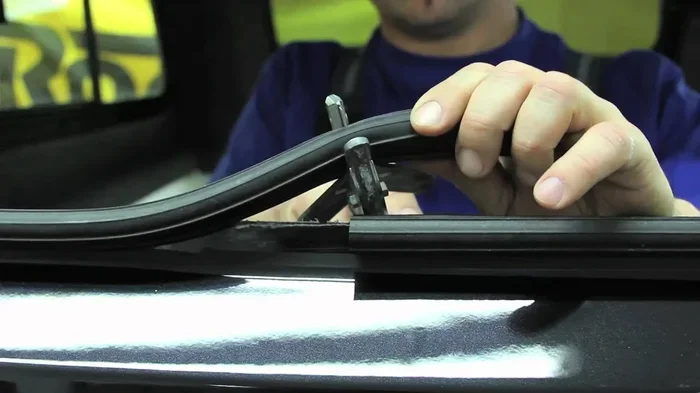
Most cars use either a channel-style seal or a bulb-style seal. The channel seal has a hollow interior that the window glass slides into. The bulb seal has a rounded rubber piece that presses against the glass. Both types work hard every single time you roll your window up or down. Over time, exposure to sunlight, heat, cold, and rain breaks down the rubber. This natural process is called seal deterioration.
Common Types of Car Window Seals
Not all window seals are the same. Different cars use different seal designs, and knowing which type you have helps when buying a replacement.
- Channel Seals: These have a U-shaped channel that the window glass runs through. They are common in older vehicles and some modern cars.
- Bulb Seals: These feature a round rubber bulb that presses against the glass edge. They provide a snug fit and are popular in newer models.
- Wiper Seals: These combine a seal with a wiping action. They sweep water off the glass as the window moves. You will find these on some rear windows.
- Double Seals: Some vehicles use two layers of sealing for extra protection against leaks. These are common in luxury and off-road vehicles.
Knowing your seal type makes shopping for a replacement much easier. Always check your owner manual or measure the old seal before ordering a new one.
How to Spot a Failing Car Window Rubber Seal
Catching a bad seal early saves you a lot of trouble. The sooner you notice the problem, the less damage water can cause. Here are the most common signs that your car window seal needs attention.
Water Leaks Inside the Car
This is the most obvious sign. If you see water streaks on your headliner, wet carpets, or puddles on the floor after it rains, your seal is likely failing. Water seeps through the gap where the seal no longer meets the glass properly. Left unchecked, moisture can ruin your electrical wiring, cause mold growth, and damage your audio system.
Drafty Windows and Air Leaks
Do you feel air blowing into the cabin when driving with the windows up? This is a clear signal that the seal is no longer creating a tight fit. Drafts make your car uncomfortable and force your air conditioning or heater to work harder. That means lower fuel efficiency and higher energy bills.
Increased Road Noise
A healthy window seal blocks a surprising amount of wind and road noise. When the seal cracks or hardens, sound passes through more easily. If your car suddenly feels louder inside, especially at highway speeds, check your window seals. This is often one of the first noise reduction fixes people overlook.
Visible Cracks, Tears, or Gaps in the Rubber
Sometimes you can simply look at the seal and see the damage. Cracks, splits, hardening, or gaps between the seal and the glass all indicate problems. Run your finger along the seal. If it feels rough, brittle, or loose in places, it is time to take action.
Fixing Car Window Rubber Seal Leaks: Step-by-Step Repair Guide
Good news. You can fix most car window seal leak problems without visiting a mechanic. With the right tools and a little patience, you can restore your seal in under an hour. Here is a simple step-by-step guide.
Step 1: Clean the Seal and Window Glass
Start by cleaning the rubber seal and the glass edge thoroughly. Use a mild automotive cleaner and a soft cloth. Dirt, grease, and old adhesive prevent new sealant from bonding properly. Make sure the surfaces are completely dry before moving to the next step.
Step 2: Apply Rubber Seal Conditioner
Before any repair, apply a rubber seal conditioner to soften the rubber. This works well for minor cracks and stiffness. A quality conditioner restores flexibility and extends the life of the seal. Apply it evenly and let it soak in for 10 to 15 minutes.
Step 3: Use Seal Tape for Small Gaps
For small gaps and minor leaks, window seal tape is an excellent quick fix. Clean the area, apply the tape directly onto the seal where the gap exists, and press it firmly. Seal tape is inexpensive and available at most auto parts stores. It works best for temporary repairs or as a supplement to a larger fix.
Step 4: Apply Sealant Adhesive for Medium Damage
If the seal has moderate cracks or separation, use a car window seal adhesive. Apply a thin, even layer along the damaged area. Press the seal back into place and hold it for several minutes. Allow the adhesive to cure fully before closing the window. Most adhesives need 24 hours to set completely.
Step 5: Replace the Entire Seal for Severe Damage
When the seal is badly cracked, torn, or completely hardened, replacement is the only real option. Remove the old seal carefully. Clean the channel or frame thoroughly. Apply a thin layer of automotive adhesive to the new seal before pressing it into place. Work slowly and make sure the seal sits evenly all the way around the window.
Quick Tips for a Successful DIY Repair
- Work on a warm day. Warm rubber is more flexible and easier to work with.
- Never use harsh chemicals on rubber seals. They accelerate cracking and deterioration.
- Keep a tube of seal conditioner in your garage. Regular use prevents future problems.
- Take photos before removing the old seal. This helps when installing the new one.
- Test the repair with a water hose before driving in the rain.
When to Replace Your Car Window Rubber Seal
Not every seal problem can be fixed with tape or adhesive. Sometimes a full car window seal replacement is the smartest choice. Knowing when to replace saves you from repeated repairs and ongoing frustration.
You should replace your seal if you notice any of the following. The rubber is visibly cracked all the way around. The seal has pulled away from the frame in multiple spots. Water leaks persist even after cleaning and sealing. The window rattles or shifts when driving. The seal feels hard and brittle to the touch. In these cases, a new seal is a small investment that prevents major water damage down the road.
How Much Does a Window Seal Replacement Cost
The cost depends on your vehicle and whether you do it yourself. A replacement seal typically costs between 15 and 60 dollars. If you visit a shop, labor adds another 50 to 150 dollars. Compared to repairing water-damaged electronics or interior components, this is a very affordable fix. Many car owners save even more by doing the job themselves with basic tools.
Choosing the Right Replacement Seal
Not all seals fit all cars. You need to match the seal to your specific vehicle. Check your owner manual for the exact part number. You can also measure the old seal and compare it to replacement options online. Look for seals made from high-quality EPDM rubber. This material resists UV rays, heat, and cold better than cheaper alternatives. A good automotive rubber seal should last 5 to 10 years with proper care.
Preventing Car Window Seal Problems Before They Start
Prevention is always easier and cheaper than repair. A few simple habits keep your window rubber seal in excellent condition for many years. These small efforts pay off big time.
Clean Your Seals Regularly
Dirt and debris build up on window seals over time. This grime breaks down the rubber and causes premature cracking. Wipe your seals down at least once a month with a damp cloth and mild soap. Avoid high-pressure washers directly on the seals. The force can push water under the seal and cause damage.
Condition the Rubber Every Few Months
Rubber needs moisture to stay flexible. Without it, it dries out, shrinks, and cracks. Apply a quality rubber seal conditioner every three to four months. This keeps the seal supple and maintains its grip on the window glass. Silicone-based conditioners work especially well for automotive rubber.
Avoid Slamming Your Car Doors
Slamming doors puts sudden pressure on the window seals. Over time, this weakens the rubber and causes it to lose its shape. Close your doors firmly but gently. This simple habit reduces unnecessary stress on the seal and extends its lifespan significantly.
Protect Your Car from Extreme Sun Exposure
UV rays are one of the biggest enemies of rubber seals. Prolonged sun exposure dries out the rubber and makes it brittle. Park in the shade whenever possible. Use a sunshade on your windshield. These small steps protect not just your window seals but your entire interior.
Address Small Issues Immediately
Do not ignore minor seal problems. A small crack today becomes a big leak tomorrow. If you notice any early signs of wear, address them right away. A few minutes of maintenance now can save you hours of repair work later.
Common Mistakes People Make With Car Window Seals
Even well-meaning car owners sometimes make mistakes that worsen their seal problems. Avoid these common pitfalls to get the best results from your repairs.
Using the Wrong Type of Sealant
Not every adhesive works on rubber seals. Some adhesives are too harsh and actually damage the rubber. Others do not bond well and fail quickly. Always use products designed specifically for automotive rubber seals. Look for products labeled safe for rubber and EPDM materials.
Ignoring the Root Cause of Leaks
Sometimes a water leak looks like it comes from the window seal but actually comes from a different source. The sunroof drain, door seal, or body seam could be the real problem. Before you repair the window seal, make sure you have identified the correct source of the leak. Otherwise, you will fix the wrong thing and still deal with water inside your car.
Forcing the Window Up or Down
If the window sticks or moves roughly, forcing it can damage both the seal and the window regulator. Instead, investigate the cause. A misaligned window, a clogged track, or a failing motor could all cause resistance. Address the underlying issue rather than forcing the window to move.
Skipping Regular Maintenance
Many people only think about their window seals when something goes wrong. By then, the damage is already done. Regular cleaning and conditioning take just minutes and prevent most seal problems. Make it part of your routine car care schedule.
Buying Cheap, Low-Quality Replacement Seals
It is tempting to grab the cheapest seal you can find online. But cheap seals often use inferior rubber that cracks and fails within months. Invest in a quality seal from a reputable brand. It costs a little more upfront but saves you time, effort, and money in the long run.
Expert Insights: Keeping Your Car Window Seal in Top Shape
We spoke with several automotive specialists about window seal maintenance. Their advice reinforces what we have covered in this guide. The consensus is clear. Prevention and early action are the keys to long-lasting seals. One expert shared that he conditions his car seals every oil change. Another recommended keeping a small kit of seal conditioner and tape in the trunk for emergency fixes.
Most professionals agree that a car window rubber seal should last at least five years under normal conditions. Some last 10 years or more with proper care. The difference almost always comes down to maintenance habits. A little attention goes a long way.
Experts also emphasize the importance of using the right seal for your specific vehicle. Universal seals may seem convenient, but they rarely fit as well as OEM or vehicle-specific seals. A proper fit ensures a tight, reliable barrier against water, wind, and noise.
Key Takeaways
- A healthy car window rubber seal keeps your vehicle dry, quiet, and comfortable in all weather conditions.
- Watch for water leaks, drafts, increased noise, and visible cracks as early warning signs of seal failure.
- DIY repairs using seal tape, adhesive, or conditioner work well for minor to moderate damage.
- Full seal replacement is necessary when the rubber is badly cracked, torn, or hardened.
- Regular cleaning and conditioning every few months prevents most seal problems before they start.
- Always choose high-quality, vehicle-specific replacement seals for the best long-term results.
Conclusion
Your car window rubber seal does far more work than most people realize. It protects your interior from water, keeps your cabin comfortable, and reduces road noise every single day. Taking care of this small but vital component is one of the easiest and most rewarding car maintenance tasks you can do.
By learning to spot early warning signs, performing simple repairs, and replacing seals when needed, you save hundreds of dollars in potential water damage repairs. The steps in this guide give you everything you need to handle window seal repair and replacement with confidence. Start with regular maintenance today and your seals will serve you well for years to come.
Do not wait until a small crack becomes a big leak. Check your window seals now. Clean them, condition them, and replace them when the time comes. Your car and your wallet will thank you. A little attention to your car window seal goes a long way toward a better driving experience.
Frequently Asked Questions
How long does a car window rubber seal typically last?
Most car window rubber seals last between 5 and 10 years. The lifespan depends on your climate, how often you use the windows, and how well you maintain them. Hot, sunny climates tend to break down rubber faster. Regular cleaning and conditioning can extend the life significantly.
Can I use household caulk to fix a car window seal leak?
We strongly advise against using household caulk on car window seals. Regular caulk is too rigid and can crack with temperature changes. It can also damage the rubber and paint around the window. Always use products specifically designed for automotive rubber seals and adhesives.
Is it better to repair or replace a damaged car window seal?
It depends on the severity of the damage. Small cracks and minor gaps can often be repaired with seal tape or adhesive. But if the seal is badly cracked, torn, or hardened throughout, full replacement is the better option. A new seal provides a reliable, long-lasting solution that repairs cannot match.
How do I know which window seal type my car uses?
Check your vehicle owner manual for the seal type and part number. You can also measure the old seal carefully before removing it. Take the old seal to an auto parts store and compare it to their selection. Many online retailers also have fit guides where you enter your car details to find the correct seal.
What is the best rubber seal conditioner for car windows?
Look for conditioners specifically formulated for automotive rubber. Products containing silicone or petroleum-based conditioners work well for most window rubber seal types. Avoid products with harsh chemicals or solvents. A quality conditioner should soften the rubber without making it greasy or slippery.
Can a bad window seal affect my car’s resale value?
Yes, absolutely. Water damage from a failing window seal can stain interiors, cause mold, and damage electrical components. All of these issues significantly reduce your car’s resale value. A well-maintained window seal is a small detail that buyers and inspectors notice. Keeping it in good condition protects your investment.