Will My Car Clock Change Automatically When Daylight Savings
Will My Car Clock Change Automatically When Daylight Savings? The answer depends on your vehicle’s age, model, and technology level. Modern cars with advanced infotainment systems often handle the time shift on their own, while older vehicles may need a manual clock reset every spring and fall. Understanding how your specific car handles the daylight saving time change can save you from being late or confused. This guide covers everything from GPS-synced dashboards to simple battery-powered dash clocks.
There is nothing more frustrating than glancing at your dashboard and realizing your car clock is an hour off. Whether you just gained or lost an hour, the question on every driver’s mind is the same: Will My Car Clock Change Automatically When Daylight Savings? The short answer is: it depends on your vehicle. Some modern cars handle the time shift seamlessly, while others leave you fumbling with buttons on a cold morning.
The car clock change during daylight saving time affects millions of drivers every year. Understanding how your vehicle manages this transition can save you time, reduce stress, and keep you on schedule. In this article, we will walk you through everything you need to know about automatic and manual clock updates in vehicles of all ages.
From GPS-enabled infotainment systems to simple analog dash clocks, the technology varies widely. We will explore how different car models handle the time change, what you can do if your clock does not update, and expert tips to keep your dashboard display accurate year-round. By the end, you will know exactly what to expect when the clocks shift.
Key Takeaways
- Modern cars often adjust automatically: Vehicles built after 2010 with smart infotainment systems typically sync clock changes through GPS or internal settings.
- Older vehicles usually need manual adjustment: Cars from the 1990s and early 2000s often lack automatic features and require you to reset the clock yourself.
- Aftermarket clocks may not update: If you installed a clock yourself, it might not connect to your car’s computer for automatic changes.
- GPS time sync is a game changer: Many newer models use satellite signals to stay accurate without any input from the driver.
- Know your vehicle’s settings: Checking your car manual or infotainment menu can reveal whether automatic clock updates are enabled.
- Clock issues can signal bigger problems: A clock that won’t hold time might indicate a weak car battery or wiring issue.
📑 Table of Contents
How Car Clocks Work in Modern Vehicles
Today’s cars are essentially computers on wheels. Your vehicle’s clock is tied into a broader electronic system that controls everything from your radio presets to your navigation. Understanding how this system works helps you figure out whether your car will handle the daylight saving shift without you lifting a finger.
The Role of Your Car’s Computer System
Every modern vehicle has a central computer, often called the vehicle control module. This module manages the clock, the instrument cluster, and various other digital features. In newer models, the computer is programmed to recognize daylight saving time dates and adjust the clock accordingly.
The car electronics responsible for timekeeping receive signals from different sources depending on the vehicle. Some cars use a built-in real-time clock chip that follows a pre-programmed schedule. Others pull time data from a connected GPS module or a cellular network. The source of the time signal determines how accurately and automatically your clock updates.
Here is how different vehicle electronics handle clock management:
- Internal real-time clock: Pre-programmed to adjust twice a year based on the official daylight saving dates in your region.
- GPS-based time sync: Uses satellite signals to get the exact current time and adjusts automatically for both time zones and daylight saving changes.
- Cellular-connected systems: Pulls time data from the network, similar to how your smartphone stays accurate.
- Manual clock only: No automatic feature. The driver must adjust the time whenever the clocks change.
GPS and Time Zone Detection
One of the most impressive features in newer vehicles is GPS time synchronization. When your car connects to satellites, it knows exactly where you are and what time zone you are in. This means that if you drive across state lines or even international borders, your clock can adjust automatically.
The GPS system also knows the exact dates for daylight saving time changes. So when spring forward or fall back happens, the clock updates without any input from you. This is especially helpful for people who travel frequently or drive across multiple time zones during their daily commute.
However, GPS-based systems are not foolproof. If your car has been sitting idle for a long time or the GPS antenna has an issue, the clock might not update correctly. In rare cases, a software glitch can cause the system to miss the automatic clock update entirely.
Do All Cars Adjust the Clock Automatically?
The answer to this question varies dramatically depending on the age and type of your vehicle. Let us break down how different categories of cars handle the daylight saving time change.
Newer Models with Smart Features
If you bought your car in the last five to ten years, there is a good chance it has some form of automatic clock adjustment. Most vehicles from 2015 onward come equipped with infotainment systems that sync with GPS or cellular networks. These systems handle the daylight saving time shift seamlessly in the background.
Brands like Tesla, BMW, Mercedes-Benz, and even many Toyota and Honda models from recent years have embraced this technology. The clock update happens overnight while your car is parked, and by the time you start your engine in the morning, the correct time is already displayed.
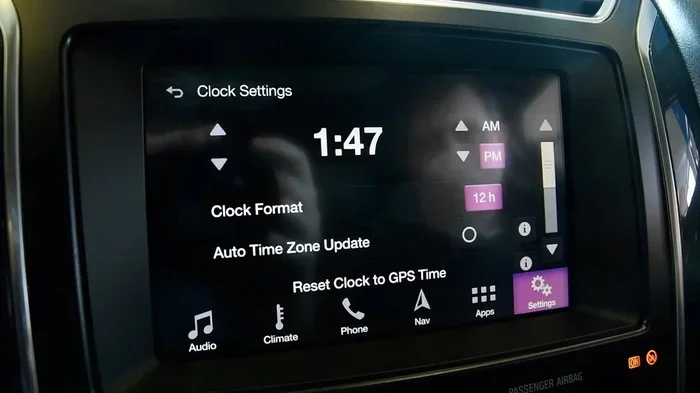
Some vehicles even allow you to choose whether your clock follows standard time or daylight saving time permanently. This setting is usually found in the infotainment menu under “Settings” or “Clock Preferences.” If you travel to regions that do not observe daylight saving time, this feature becomes especially useful.
Older Vehicles and Manual Clocks
If you drive a car from the 1990s or early 2000s, your dashboard clock likely does not have automatic features. These older vehicles use simple quartz clocks powered by the car’s electrical system. They keep time reasonably well but offer no intelligence about daylight saving changes.
For drivers of older vehicles, the manual clock adjustment is a twice-yearly ritual. You need to locate the clock controls, which are often hidden behind the radio faceplate or on the steering wheel stalk. The process usually involves pressing and holding buttons to cycle through the hours and minutes.
Some older cars have a small reset button behind the clock face. Pressing this button while the ignition is on can bring up the time-setting mode. It is a simple process, but it is easy to forget until you are already late for work on the Monday after the time change.
Comparison: Automatic vs Manual Clock Systems
| Feature | Automatic Clock System | Manual Clock System |
|---|---|---|
| Daylight Saving Adjustment | Updates automatically | Requires driver input |
| Time Zone Detection | Yes (GPS-enabled models) | No |
| Accuracy | Very high | Depends on quartz crystal |
| Driver Effort | None needed | Twice a year |
| Common in Vehicles From | 2012 and newer | Pre-2010 models |
| Technology Used | GPS, cellular, internal chip | Quartz crystal, car battery |
As you can see from the comparison table above, the difference between automatic and manual systems is significant. If your car does not have an automatic system, you will need to take action every time the clocks change.
What Happens When Daylight Savings Time Changes
The time change twice a year catches many drivers off guard. Understanding the mechanics of how daylight saving time affects your car clock can help you prepare and avoid the morning scramble.
Spring Forward vs Fall Back
The spring forward and fall back transitions affect your car clock in different ways. In the spring, you lose an hour of sleep, and your car clock should jump forward by 60 minutes. In the fall, you gain an hour, and the clock should roll back.
For cars with automatic systems, this happens overnight. You turn the key in the morning, and the correct time is already on the display. For manual clocks, you need to remember to adjust the time yourself. Many drivers set a reminder on their phone the night before the change to avoid being late.
The fall back transition can be slightly more confusing because you technically gain an hour. Some drivers forget to adjust their clock backward and end up arriving an hour early to appointments. It is a small mistake, but it can throw off your entire morning routine.
Which Months Matter
In the United States, daylight saving time begins on the second Sunday in March and ends on the first Sunday in November. The clock change happens at 2:00 AM local time, which is why most people do not notice it happening in real time.
Not all regions observe daylight saving time, though. Arizona (except the Navajo Nation), Hawaii, and several U.S. territories stay on standard time year-round. If you drive a vehicle that is set to a region that observes daylight saving time but you live in one that does not, your automatic clock might still change incorrectly. Always check your vehicle’s time zone settings to make sure they match your location.
Some countries outside the United States have different daylight saving time schedules or do not observe it at all. If you travel internationally, your car’s clock behavior may change depending on the region you are in and whether your vehicle’s system is programmed for that area.
How to Manually Adjust Your Car Clock
Even if your car has an automatic system, there may be times when you need to adjust the clock manually. A dead battery, a system reset, or a new infotainment installation can all cause your clock to lose its settings. Knowing how to manually set your car clock is a basic car maintenance skill every driver should have.
Step-by-Step Guide for Common Models
Adjusting your car clock is usually straightforward, but the exact steps vary by manufacturer. Here is a general guide that works for most vehicles:
- Start your car and make sure the engine is running.
- Locate the clock controls. These are often on the steering wheel, the radio panel, or the infotainment screen.
- Press and hold the clock button until the display starts blinking.
- Use the arrow or plus/minus buttons to set the correct hour.
- Press the clock button again to move to the minutes setting.
- Adjust the minutes using the same buttons.
- Press the clock button one more time to save your settings.
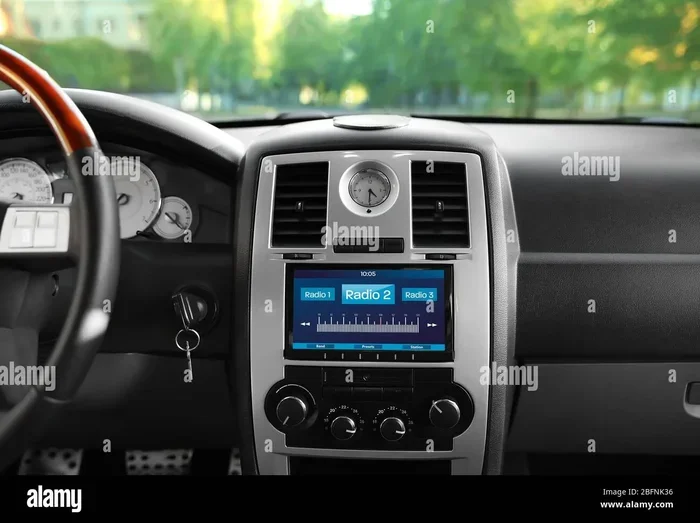
For vehicles with touch-screen infotainment systems, the process is usually even simpler. Navigate to “Settings,” then “Clock” or “Time & Date,” and use the on-screen controls to adjust the time. Some systems also let you toggle between 12-hour and 24-hour formats.
Quick Tips for Clock Adjustment
- Keep your owner’s manual handy. It contains model-specific instructions for clock adjustment that you cannot find anywhere else.
- Set a recurring reminder. Use your phone calendar to remind yourself to check the clock the week before daylight saving time.
- Double-check after adjustment. Wait a few minutes to confirm the clock is holding the correct time before you leave.
- Note the date of the change. Mark your calendar for the second Sunday in March and the first Sunday in November.
Common Problems and Solutions
Even with automatic systems, car clocks can malfunction. Understanding the most common issues and their solutions helps you stay on top of your vehicle maintenance routine.
Dead Battery and Clock Issues
One of the most common reasons a car clock loses its settings is a weak or dead car battery. When the battery voltage drops, the clock may reset to a default time or stop working entirely. This is especially common in vehicles that sit idle for extended periods.
If your clock resets every time you start the car, the battery is likely the culprit. Have your battery tested at a local auto parts store or mechanic. A simple battery replacement can solve the problem and restore your clock’s memory.
Some vehicles have a small clock battery (similar to a watch battery) that maintains the clock settings when the car is off. If this battery dies, the clock will lose its time every time you turn off the ignition. Replacing this small battery is usually inexpensive and easy.
Aftermarket Clock Installations
If you have installed an aftermarket clock or stereo system, it may not connect to your car’s computer for automatic updates. Aftermarket devices often operate independently and rely on their own internal clocks, which do not know about daylight saving time changes.
Some aftermarket systems can be connected to your car’s data network for automatic updates, but this requires proper installation and configuration. If you are unsure whether your aftermarket clock supports automatic time change features, check the manufacturer’s documentation or contact their customer support.
Common Mistakes to Avoid with Car Clock Adjustments
- Forgetting to switch back: After the fall back transition, many drivers forget to adjust their clock backward, causing them to be early for commitments.
- Ignoring the owner’s manual: Every car is different, and the manual contains specific instructions that save time and frustration.
- Assuming all clocks are automatic: Not every vehicle from the last decade has automatic features. Always verify your specific model.
- Neglecting battery health: A weak battery affects more than just your clock. It can impact your entire electrical system.
Expert Tips for Keeping Your Car Clock Accurate
Keeping your car clock accurate is easier than you think, and it requires very little effort. A few simple habits can ensure your dashboard display is always correct, regardless of the season.
Regular Maintenance Checks
Make it a habit to check your car clock once a month. It only takes a few seconds and can prevent the surprise of an incorrect time. During your regular car care routine, glance at the clock and compare it to your phone or watch.
If you notice your clock is consistently off by a few minutes, it may be time for a battery check or a reset. Small time drifts can indicate a larger electrical issue that is worth investigating early. Catching these problems early saves you from bigger headaches down the road.
When to Seek Professional Help
If your clock repeatedly loses time or fails to update automatically even after a battery replacement, there may be a deeper electrical problem. A qualified mechanic can diagnose issues with your vehicle’s wiring, computer module, or clock circuit.
For vehicles with complex infotainment systems, a dealership technician may be able to perform a software update that fixes clock-related bugs. These updates are often free and can resolve issues that simple troubleshooting cannot fix.
Expert Insights from Automotive Technicians
Many technicians recommend keeping a spare clock battery in your glove compartment. These small batteries are cheap and can save you from a clock reset if your main battery dies or needs to be disconnected. It is a small investment that pays off in convenience.
Another tip from experienced mechanics: if your car clock consistently loses time, check the fuse box. A blown fuse in the clock circuit can cause intermittent timekeeping issues. This is a quick and easy fix that does not require a visit to the shop.
Conclusion
The question of whether your car clock will change automatically when daylight savings depends on several factors, including your vehicle’s age, technology level, and settings. Modern cars with GPS and smart infotainment systems handle the transition seamlessly, while older vehicles require a simple manual adjustment twice a year.
Knowing how your specific car handles the clock change empowers you to stay on time and avoid the confusion that comes with the daylight saving shift. Whether your system updates automatically or you need to press a few buttons, the process is quick and manageable once you know what to expect.
Take a few minutes today to check your vehicle’s clock settings. If your car does not update automatically, set a reminder for the next daylight saving time change. Staying proactive about your car clock accuracy is a small step that makes a big difference in your daily routine. Your future self will thank you on that Monday morning when you are not rushing to get ready.
Remember, Will My Car Clock Change Automatically When Daylight Savings is a question with a straightforward answer once you know your vehicle’s capabilities. Stay informed, stay prepared, and keep your dashboard clock running on time all year long.
Frequently Asked Questions
Do all new cars automatically change the clock for daylight saving time?
Most new cars built after 2015 have automatic clock adjustment features, but not all of them. Vehicles with GPS or cellular connectivity typically handle the time change seamlessly. However, some budget models may still require manual adjustment even if they are recent purchases. Always check your owner’s manual or infotainment settings to confirm your specific model’s capabilities.
What should I do if my car clock does not change automatically?
First, check your infotainment settings to see if automatic clock updates are enabled. If the setting is on and the clock still does not change, try resetting the system by turning off the car, removing the key, and waiting a few minutes before restarting. If the problem persists, the clock battery or the vehicle’s computer module may need professional inspection.
Can a dead car battery cause the clock to reset?
Yes, a weak or dead car battery is one of the most common reasons a car clock loses its settings. When the battery voltage drops below a certain level, the clock may reset to a default time or stop working altogether. Replacing the car battery usually restores the clock’s memory and accuracy.
How do I know if my car clock is set to the correct time zone?
Check your infotainment system’s settings menu for a time zone option. The clock should match your current region’s standard time. If you have recently traveled or moved, the time zone setting may need to be updated manually. Some vehicles with GPS automatically detect the correct time zone based on your location.
Does daylight saving time affect aftermarket car clocks?
Most aftermarket clocks do not automatically adjust for daylight saving time because they operate independently of the vehicle’s computer system. These clocks rely on their own internal quartz movements and must be manually adjusted twice a year. Some premium aftermarket units do offer automatic updates, but this feature varies by brand and model.
Is there a way to stop my car clock from changing for daylight saving time?
Yes, many vehicles with automatic clock features allow you to disable the daylight saving time adjustment in the settings menu. This is useful if you live in a region that does not observe daylight saving time or if you prefer to keep your clock on a consistent schedule year-round. Look for a “Daylight Saving” or “Auto Clock Update” toggle in your infotainment or clock settings.