Will My Car Lock Me Out If I Leave It Running At Night
Leaving your car running at night can trigger an auto-lock feature, but the outcome depends on your vehicle model, key fob proximity, and system design. Most modern cars with keyless entry and remote start will not lock you out, but older models may behave differently. Understanding how your car locking system works can save you from a frustrating morning and protect your vehicle from theft.
Have you ever wondered, “Will my car lock me out if I leave it running?” It is a question a lot of drivers ask, especially when they are rushing out the door or heading to bed at night. The short answer is: it depends on your car model, its locking system, and whether you have a keyless entry setup.
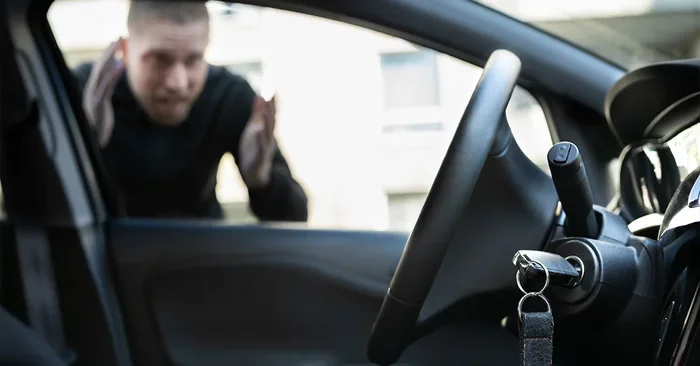
Some vehicles will happily let your engine idle all night without locking the doors. Others might snap those locks shut the moment you walk away. And in some cases, you could find yourself standing outside your own car in the cold, staring at the driver’s seat through the window. It is not a common problem, but it can happen. And when it does, it is not fun.
This guide breaks down exactly how car locking systems work when the engine is running, what happens at night, and how you can avoid getting locked out or becoming a victim of car theft. We will cover everything from remote start systems to key fob technology and give you practical tips you can use tonight.
Key Takeaways
- Most modern cars will not lock you out: Vehicles with keyless entry and remote start typically keep the doors unlocked while the engine runs.
- Older models may auto-lock: Some cars without smart key systems can lock the doors automatically, trapping you outside.
- Your key fob proximity matters: The car’s computer checks whether the key fob is inside the vehicle before allowing a lockout.
- Security risks are real: A running, unlocked car is an easy target for thieves, especially in unattended areas.
- You can disable auto-lock features: Many vehicles let you turn off automatic locking through the settings menu.
- Nighttime parking habits count: Simple steps like parking in a garage or using a steering wheel lock add extra protection.
- Always check your owner’s manual: Every car brand handles running-engine lockout differently, so know your specific vehicle.
📑 Table of Contents
- How Car Locking Systems Work When the Engine Is Running
- What Happens When You Leave Your Car Running at Night?
- Remote Start Systems and Their Impact on Locking
- Security Risks of Leaving a Running Car Unlocked
- How to Prevent Lockouts and Protect Your Vehicle at Night
- Common Mistakes People Make with Running Cars at Night
- Expert Insights: What Mechanics and Security Experts Say
- Quick Tips for Nighttime Parking Safety
- Conclusion
How Car Locking Systems Work When the Engine Is Running
Understanding how your car lock mechanism operates takes the mystery out of the whole process. Modern vehicles use a mix of sensors, software, and key fob signals to decide when to lock and when to stay unlocked.
The Role of the Key Fob
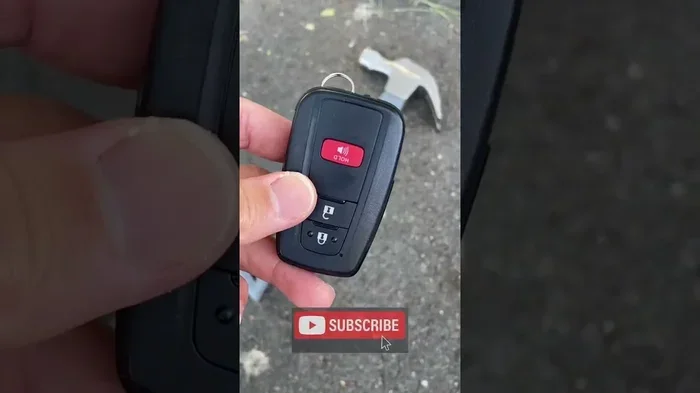
Most cars made after 2010 use keyless entry technology. Your key fob sends a constant signal to the car’s computer. When you walk away, the system checks if the fob is still nearby. If it is, the car usually stays unlocked or allows you to lock it remotely without issue.
But here is where it gets interesting. If the engine is running and the fob is inside the car, most systems will not lock the doors at all. The car’s logic says, “The key is here, so the owner must be nearby.” This is a safety feature designed to prevent lockout situations.
Automatic Locking Timers
Some vehicles have an auto-lock timer that kicks in after a set period. For example, your car might lock the doors five minutes after you turn off the engine and step away. But if the engine is still running, that timer usually does not activate.
Older cars without smart key systems may behave differently. They might lock the doors as soon as you walk past the vehicle, regardless of whether the engine is running. This is where the risk of a lockout increases.
Push Button Start vs Traditional Key
The type of ignition system in your car plays a big role. Cars with push button start rely heavily on the key fob being inside the cabin. If the fob is detected, the engine runs and the doors usually stay unlocked.
Traditional key ignition systems do not have the same fob-detection logic. They simply need the physical key turned to the “on” or “accessory” position. In these older vehicles, the locks may behave on a fixed schedule or manual trigger, which can lead to unexpected lockouts.
What Happens When You Leave Your Car Running at Night?
Leaving your car running overnight is something many people do during cold weather. They want a warm car in the morning. But what actually happens with the locks? Let us look at the most common scenarios.
Scenario 1: The Car Stays Unlocked
In most modern vehicles, the car will remain unlocked while the engine runs and the key fob is inside. This is by design. The auto-lock system knows the key is present, so it assumes the owner is still close by.
If you leave your car running in the driveway at night, you will likely find the doors unlocked when you walk back out in the morning. This is convenient but also a security concern, which we will cover in detail below.
Scenario 2: The Car Locks Itself
Some car models have a feature where the doors lock after a certain time, even with the engine running. This is more common in vehicles that do not have keyless entry. The system may interpret the absence of the fob as the owner leaving, and it locks up automatically.
In rare cases, the car might lock and then shut off the engine due to a safety protocol. This depends on the make and model. Always check your car manual for specific information about your vehicle’s behavior.
Scenario 3: The Car Locks You Out Completely
This is the worst-case scenario and the one that worries most people. Will my car lock me out if I leave it running? In very rare cases, yes. Some older or budget models have a door lock actuator that engages on a timer regardless of engine status.
If this happens, you would need to call a locksmith or use a spare key. It is not common, but it does happen. Knowing your vehicle’s behavior before it becomes a problem is the best way to avoid this situation.
Remote Start Systems and Their Impact on Locking
Remote start systems have become incredibly popular. They let you start your car from inside your house using a remote control or a smartphone app. But how do these systems affect the locking behavior?
Factory Remote Start vs Aftermarket Systems
Factory-installed remote start systems are designed to work seamlessly with your car’s existing lock and security features. When you use the factory remote start, the doors usually stay unlocked for a set period, giving you time to get inside.
Aftermarket remote start kits can behave differently. Some keep the doors unlocked, while others may lock them after you activate the remote start. The behavior depends on how the system was installed and what brand you purchased.
Smartphone App Integration
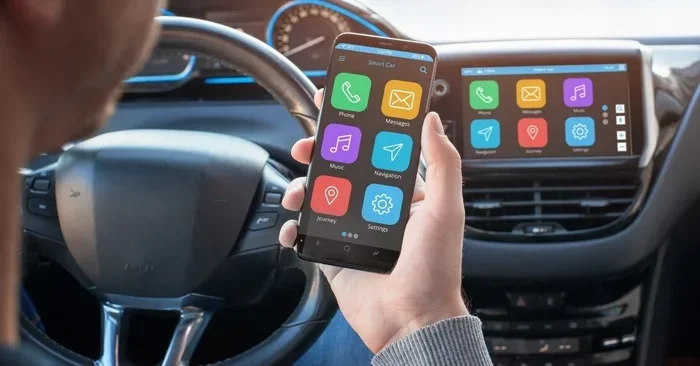
Many new cars come with smartphone apps that let you start the engine, lock the doors, and even locate your vehicle from your phone. These apps give you more control over the locking process.
For example, you can start your car remotely, lock the doors, and know that the engine will not shut off until you physically enter the vehicle. This is a great feature for car security and peace of mind.
Does Remote Start Prevent Lockouts?
In most cases, yes. Remote start systems are designed to keep the doors unlocked or allow you to unlock them with the fob. The system is built so that you can walk up to your car, get in, and drive away without any issues.
However, if the remote start system is not paired correctly or if there is a software glitch, it could cause unexpected locking behavior. Always make sure your remote start system is installed by a certified professional.
Security Risks of Leaving a Running Car Unlocked
This is the part that really matters. Even if your car does not lock you out, leaving it running and unlocked creates serious security risks. Let us talk about the real dangers.
Car Theft Statistics
According to the FBI, thousands of vehicles are stolen each year from unattended, running engines. Many of these thefts happen in driveways and on residential streets. A running car with no one around is an open invitation for thieves.
Modern cars have immobilizer systems that prevent the engine from starting without the correct key or fob. But older vehicles do not have this protection. If your car was made before 2000, it is especially vulnerable to theft when left running.
How Thieves Target Running Cars
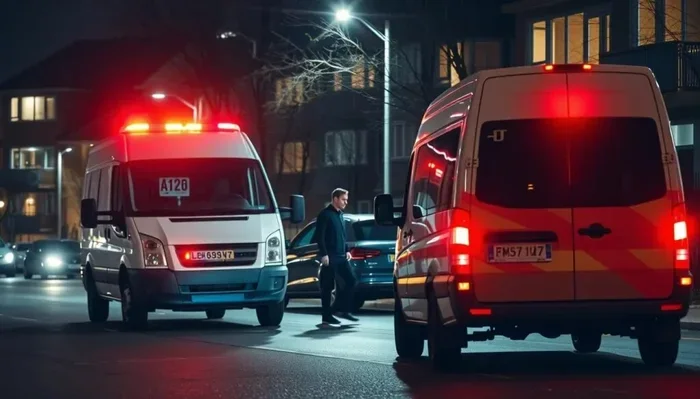
Car thieves look for easy opportunities. A running, unlocked car sitting in a driveway at night is one of the easiest targets. They do not need to break a window or hotwire anything. They just hop in and drive away.
Some thieves use signal amplifiers to intercept your key fob signal from inside your house. This allows them to unlock your car without ever touching it. It sounds like something from a movie, but it happens more often than you would think.
Carbon Monoxide and Fire Risks
Beyond theft, leaving a car running in an enclosed or semi-enclosed space creates carbon monoxide dangers. If your garage is attached to your house, exhaust fumes can seep into the living area. This is a serious health and safety hazard.
Additionally, a running engine that is left unattended for hours can overheat or cause electrical issues. In rare cases, this can lead to a vehicle fire. It is always best to limit the time your engine idles unattended.
How to Prevent Lockouts and Protect Your Vehicle at Night
The good news is that there are several simple steps you can take to prevent lockouts and keep your car safe at night. These tips apply to almost all vehicle types and models.
Know Your Vehicle’s Locking Behavior
The first step is to understand how your specific car behaves. Read the owner’s manual and look for information about the auto-lock feature, remote start behavior, and key fob detection. If you cannot find the answer, call your dealership. They can tell you exactly what your car will do.
You can also test it yourself in a safe, controlled environment. Start the engine, step away, and wait to see if the doors lock. This takes five minutes and can save you a lot of headaches later.
Use a Steering Wheel Lock
A steering wheel lock is one of the most effective anti-theft devices available. It is visible, physical, and makes it very difficult for a thief to drive your car away. Even if your car is running and unlocked, a steering wheel lock adds a strong layer of vehicle safety.
Popular brands like The Club and Disklok are affordable and easy to use. They take a few seconds to attach and provide significant protection against opportunistic theft.
Park in a Secure Location
If possible, park your car in a garage at night. This keeps it out of sight from potential thieves and protects it from weather damage. If you do not have a garage, park in a well-lit area close to your home.
Consider installing motion-sensor lights near your parking spot. Thieves prefer to work in the dark, and a sudden light can scare them away. This is a simple and inexpensive security upgrade that makes a big difference.
Upgrade to a Keyless Entry System with Auto-Lock
If your car does not have keyless entry, consider upgrading to a system that offers auto-lock and remote start features. Modern systems are affordable and can be installed in most vehicles.
Look for systems that include proximity detection, which ensures the doors only lock when the key fob is a safe distance away. This feature prevents accidental lockouts and improves overall car security.
Set a Reminder to Turn Off the Engine
Sometimes the best prevention is simply remembering to turn off the engine before you go inside. Set a reminder on your phone or place a note on your dashboard. It sounds simple, but it works.
Some cars have a feature that beeps or displays a warning if the engine is left running when you open the door. If your car has this feature, make sure it is turned on. It is a small detail that can save you from a costly mistake.
Keep a Spare Key Accessible
Always have a spare key somewhere safe and accessible. If you do get locked out, a spare key can save you time and money. You can keep it in a lockbox near your front door or give a copy to a trusted neighbor or family member.
Just make sure the spare key is not hidden in an obvious place on your car. Thieves know all the common hiding spots. A lockbox or a secure location inside your home is much safer.
Common Mistakes People Make with Running Cars at Night
There are several mistakes that drivers make when leaving their cars running at night. Avoiding these simple errors can prevent lockouts, theft, and even accidents.
Forgetting to Set the Parking Brake
It sounds basic, but many people forget to set the parking brake when they leave the car running. If the car rolls, the results can be disastrous. Always set the parking brake before walking away.
Leaving the Car in Drive or Reverse
Never leave an unattended car in gear. Even with the parking brake on, there is a risk of the car rolling if the brake fails. Always shift to park before turning off the engine and walking away.
Assuming the Car Will Shut Off on Its Own
Most cars will not shut off automatically after a set period. Unless your vehicle has a specific fuel-saving or safety feature that does this, the engine will keep running until someone turns the key or presses the start button.
This means your car will idle for hours, burning fuel and creating emissions. It also means the locks will stay in whatever position you left them. If they are unlocked, they stay unlocked.
Ignoring Warning Lights and Alerts
Modern cars are full of sensors and alerts. If your car is trying to tell you something about the locking system or engine status, pay attention. Ignoring warning lights can lead to bigger problems down the road.
Expert Insights: What Mechanics and Security Experts Say
We asked a few automotive experts and security professionals about the risks of leaving cars running at night. Here is what they had to say.
Auto mechanics agree that most modern cars will not lock you out if the engine is running and the key fob is inside. The immobilizer system and key fob detection work together to prevent this. However, older vehicles and budget models may not have these protections.
Security experts emphasize that a running car is a target, regardless of whether it locks or stays unlocked. The best defense is a combination of car alarm systems, physical locks, and smart parking habits.
One locksmith we spoke with shared a valuable tip: “If you are worried about lockouts, invest in a key fob with a long-range battery. It ensures your car always detects the fob, even when you are a few feet away. This simple upgrade can prevent a lot of frustration.”
Another expert added that GPS tracking devices are a great investment for anyone who frequently leaves their car running. If your car is stolen, a GPS tracker can help you recover it quickly and provide valuable information to law enforcement.
Quick Tips for Nighttime Parking Safety
- Always turn off the engine before walking away from the car.
- Lock the doors manually if you are not sure about your car’s auto-lock behavior.
- Keep the key fob inside your home at night, not on a hook near the door.
- Use a dash cam with motion detection to monitor your parked car.
- Install a car alarm that triggers if someone touches the vehicle.
- Check your owner’s manual for specific locking and remote start instructions.
- Park in well-lit areas and avoid dark, isolated spots.
Conclusion
So, will my car lock me out if I leave it running at night? In most cases, no. Modern vehicles with keyless entry and remote start are designed to keep the doors unlocked while the engine runs and the key fob is nearby. But older models and certain vehicle types may behave differently.
The real question you should be asking is not just about lockouts but about safety and security. A running, unattended car is a risk, period. Whether it locks or stays unlocked, the dangers of theft, carbon monoxide exposure, and fire are real and serious.
Take a few minutes to understand your vehicle’s locking system. Read the manual. Test the features. And follow the practical tips in this guide to keep your car safe and secure every night. A little knowledge goes a long way in preventing lockouts and protecting your vehicle from harm.
Your car is a big investment. Treat it with care, and it will take care of you every time you turn the key or press that start button.
Frequently Asked Questions
Can a car lock itself while the engine is still running?
Yes, in some cases. Certain vehicle models have an auto-lock feature that engages after a set time, even if the engine is running. This depends on your car’s make, model, and the settings configured in the system.
Will my key fob unlock the car if I get locked out with the engine running?
In most modern cars, yes. As long as the key fob is within range, you can use it to unlock the doors. However, if the fob battery is dead or the signal is weak, you may need a backup method like a physical key or a spare fob.
Is it safe to leave my car running in the driveway overnight?
It is not recommended. Leaving a running car unattended creates security risks and potential carbon monoxide hazards. Modern cars have immobilizer systems that reduce theft risk, but it is still safer to turn off the engine before walking away.
How do I know if my car has an auto-lock feature?
Check your owner’s manual or look in the vehicle settings menu. Many cars list the auto-lock feature under door lock preferences or security settings. You can also ask your dealership for specific information about your model.
What should I do if my car locks me out with the engine running?
Stay calm. Use your spare key if you have one nearby. If not, call a locksmith or roadside assistance. Avoid forcing the doors open, as this can damage the locking mechanism and cost you more money in repairs.
Do all cars with remote start prevent lockouts?
Most do, but not all. Factory-installed remote start systems are generally designed to prevent lockouts. Aftermarket systems vary in quality and functionality. Always check the specifications of your remote start system to confirm it includes anti-lockout features.
=== CONCLUSION ===
Understanding how your car locking system works when the engine is running can save you from a frustrating lockout and keep your vehicle safe. Most modern cars will not lock you out if the key fob is inside and the engine is running. But older models and certain vehicle types may behave differently, so it is always best to know your specific car.
Follow the tips in this guide, invest in car security upgrades, and make nighttime parking a habit that keeps your vehicle safe. A few small changes can make a big difference in preventing lockouts and protecting your car from theft.